


Table of Contents:
What is Celsius and what`s inside it?
How much caffeine is in Celsius—and is it safe?
Potential side effects of Celsius
Is Celsius healthier than coffee or other energy drinks?
Can you drink Celsius every day?
Does Celsius affect hydration?
Who should avoid Celsius?
FAQs
Final verdict: Is Celsius bad for you?
Walk into any gym, office, or convenience store, and you’ll likely see people reaching for Celsius. Marketed as a fitness drink with zero sugar and metabolism-boosting benefits, Celsius has quickly positioned itself as a “healthier” alternative to traditional energy drinks. But here’s the real question: Is Celsius actually good for you—or just better marketing?
With 200 mg of caffeine per can, functional ingredients, and bold health claims, it’s no surprise consumers are asking:
- Is Celsius safe to drink every day?
- How does it compare to coffee?
- Can it cause dehydration or side effects?
In this science-backed guide, we’ll break down everything you need to know—from caffeine levels to hydration impact—so you can make a smarter decision.
What is Celsius and what`s inside it?

Celsius is a functional energy drink designed to support energy, metabolism, and performance. Unlike traditional sugary energy drinks, it’s typically:
- Zero sugar
- Low in calories
- Infused with vitamins and plant-based stimulants
Key ingredients
- Caffeine (200 mg) – Derived from sources like green tea extract and guarana
- B Vitamins – Support energy metabolism
- Green tea extract – Contains antioxidants and additional caffeine
- Guarana extract – A plant-based stimulant that amplifies caffeine effects
- Artificial or natural sweeteners – Used instead of sugar
Is “natural” actually healthier?
Here’s the catch: Just because caffeine comes from plants doesn’t make it weaker—or safer. Your body processes caffeine the same way, regardless of whether it comes from coffee or plant extracts. So while Celsius may look cleaner on the label, its physiological impact can be just as strong.
How much caffeine is in Celsius—and is it safe?
Each can of Celsius contains 200 mg of caffeine, which is considered high compared to many beverages.
How it compares
- Coffee (8 oz): ~95–120 mg
- Espresso (1 shot): ~63 mg
- Energy drinks (average): 80–160 mg
- Celsius: 200 mg
That means one can of Celsius ≈ 2 cups of coffee.
What do experts say about safe limits?
According to the FDA(U.S. Food and Drug Administration): Up to 400 mg of caffeine per day is generally safe for healthy adults.
Translation:
- 1 can = safe for most people
- 2 cans = approaching the limit
- 3+ cans = potentially excessive
Potential side effects of Celsius
Celsius isn’t inherently dangerous—but like any high-caffeine product, it can cause side effects, especially when overconsumed.
Short-term effects
- Increased heart rate
- Anxiety or jitteriness
- Trouble sleeping
- Digestive discomfort
Long-term or excessive use risks
- Caffeine dependence
- Elevated blood pressure
- Increased cardiovascular strain
Important note: Most negative effects are linked to excessive intake, not moderate use.
Is Celsius healthier than coffee or other energy drinks?

Celsius vs coffee
| Factor | Celsius | Coffee |
|---|---|---|
| Caffeine | Fixed (~200 mg) | Adjustable |
| Sugar | None | None (unless added) |
| Additives | Multiple ingredients | Minimal |
| Functionality | Marketed for energy and fitness | Natural stimulant |
Coffee is generally simpler and more controllable, while Celsius offers convenience but less flexibility.
Celsius vs other energy drinks
Compared to brands like Red Bull and Monster Energy:
-
Pros:
- No sugar
- Lower calories
-
Cons:
- Higher caffeine than many options
- Still highly processed
Celsius may be a cleaner energy drink—but it’s still an energy drink.
Can you drink Celsius every day?
Yes—but with limits.
Safe daily habits
- Stick to 1 can per day
- Avoid combining with other caffeine sources (coffee, pre-workout, soda)
- Monitor how your body responds
Signs you’re overdoing it
- Trouble sleeping
- Increased anxiety
- Rapid heartbeat
- Dependency (needing it daily to function)
If you notice these, it’s time to cut back.
Does Celsius affect hydration?

This is where things get interesting—and often overlooked.
Does caffeine dehydrate you?
Caffeine has a mild diuretic effect, meaning it can increase urine production. While moderate caffeine intake doesn’t cause severe dehydration, it can still:
- Reduce optimal hydration levels
- Mask fatigue (making you feel energized while your body is under-hydrated)
Energy drinks ≠ hydration
Celsius may boost energy, but it does not replace water. In fact, relying on energy drinks instead of proper hydration can lead to:
- Headaches
- Fatigue crashes
- Reduced physical performance
Why clean water still matters
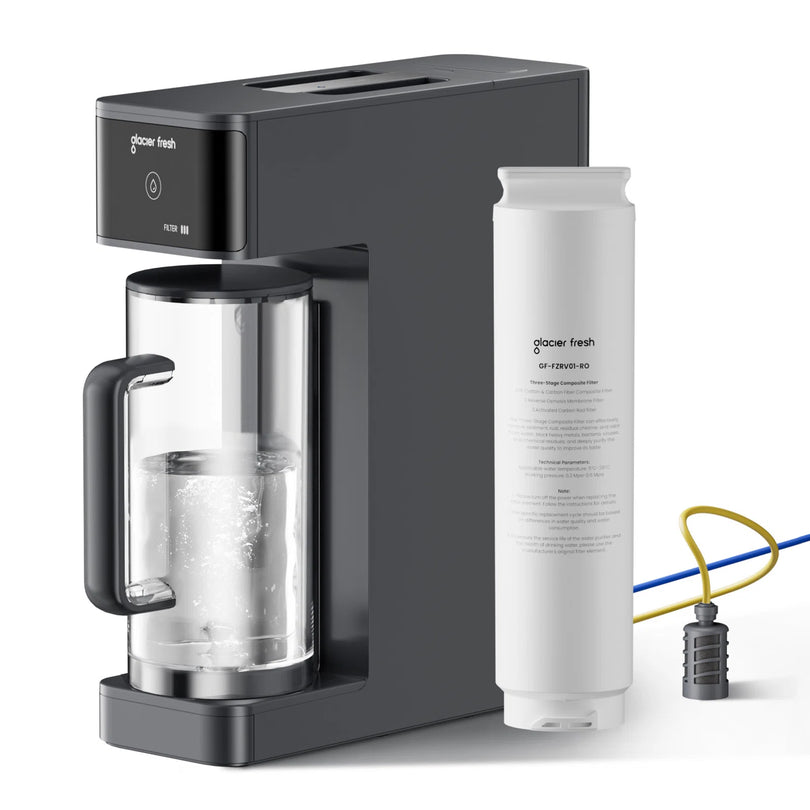
If your goal is sustained energy and health, hydration is foundational. That’s where high-quality drinking water makes a difference. Clean, filtered water produced by best countertop water filter system helps:
- Maintain electrolyte balance
- Support metabolism naturally
- Improve overall energy without stimulants
If you’re serious about hydration, consider upgrading your water quality with a reliable home filtration system (see our guide: “Reverse Osmosis vs Carbon Filters: Which Is Better?”).
Who should avoid Celsius?
Certain groups should limit or avoid Celsius entirely:
- Pregnant or breastfeeding individuals
- Children and teenagers
- People with heart conditions
- Individuals sensitive to caffeine
When in doubt, consult a healthcare professional.
FAQs
Is Celsius worse than Red Bull?
Not necessarily. Celsius has more caffeine but no sugar, while Red Bull has less caffeine but includes sugar (in original versions).
Is Celsius good for weight loss?
It may slightly boost metabolism, but it’s not a magic solution for weight loss.
How many Celsius can you drink a day?
Most experts recommend no more than 1 can per day to stay within safe caffeine limits.
Does Celsius cause dehydration?
It can contribute to mild dehydration if it replaces water intake—hydration should always come first.
Is Celsius better than water?
No. Water is essential for hydration, while Celsius is a stimulant-based beverage.
Final verdict: Is Celsius bad for you?
So, is Celsius bad for you? Not necessarily—but it depends on how you use it.
The balanced answer
- Moderate consumption (1 can/day): Generally safe for healthy adults
- High intake: Can lead to side effects and health risks
- Not a substitute for water, sleep, or balanced nutrition
The real takeaway: Celsius isn’t inherently bad—but it’s not a replacement for proper hydration or a healthy lifestyle
Smarter energy & hydration strategy
If you’re relying on energy drinks daily, it might be time to rethink your routine. A better approach:
- Use caffeine strategically, not constantly
- Prioritize hydration first
- Start with clean, filtered water as your foundation
Better water = better energy, naturally. Explore how improving your water quality can support your health in our guide: “How Water Quality Affects Your Energy and Daily Performance.”
References
-
U.S. Food and Drug Administration. Spilling the Beans: How Much Caffeine is Too Much? https://www.fda.gov/consumers/consumer-updates/spilling-beans-how-much-caffeine-too-much
-
USDA FoodData Central. Coffee, brewed, prepared with tap water
https://fdc.nal.usda.gov/fdc-app.html#/food-details/171890/nutrients
-
National Institutes of Health. Caffeine Consumption and Health
https://www.ncbi.nlm.nih.gov/pmc/articles/PMC5445139/
-
Cleveland Clinic. Does Caffeine Dehydrate You?
https://health.clevelandclinic.org/coffee-dehydration
-
American Heart Association. Is Caffeine a Friend or Foe?
https://www.heart.org/en/news/2022/08/08/is-caffeine-a-friend-or-foe