
Table of Contents:
What are heavy metals?
The sources of heavy metals in tap water
Heavy metals at home, in apartments, and in RV water systems
The health risks of heavy metals in tap water
Regulations and guidelines for heavy metals in tap water
Glacier Fresh solutions for addressing heavy metals in tap water
FAQs
Conclusion
What are heavy metals?
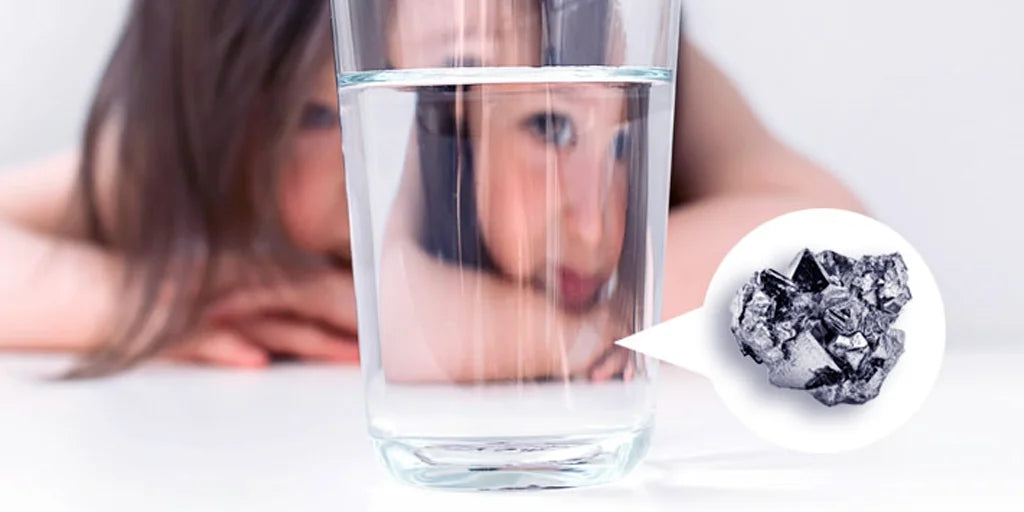
Heavy metals are naturally occurring or industrially introduced elements that can become harmful when they accumulate in drinking water or the human body. In the context of tap water, the most important issue is not only whether metals are present, but whether exposure is repeated over time through drinking, cooking, ice, coffee, infant formula, or RV water storage.
Common examples include lead, mercury, arsenic, cadmium, and chromium. Even when water looks clear and tastes normal, a lab report or home screening can reveal risks that are not visible. That is why homeowners who suspect lead in water should combine testing with an appropriate filtration strategy rather than relying on taste alone.
The sources of heavy metals in tap water
Heavy metals can enter tap water from both natural and man-made pathways. Rocks and soil may release minerals into groundwater, while mining, manufacturing, agricultural runoff, and corroded infrastructure may introduce metals into municipal or private water supplies. In older homes, corrosion from a lead pipe or lead-containing fixtures can create a household-level contamination problem even when the broader water supply meets general standards.
For household prevention, the strongest approach is source identification plus treatment. A lead water test can help determine whether lead is present at the tap, while broader heavy-metal testing can flag arsenic, mercury, cadmium, or chromium. Glacier Fresh filtration solutions are designed to support safer daily water use by reducing unwanted contaminants and improving the reliability of drinking water at the point of use.
Heavy metals at home, in apartments, and in RV water systems
Heavy-metal exposure is not limited to one kitchen faucet: renters may face unknown building plumbing, homeowners may deal with aging service lines, and RV users may connect to different campground sources with inconsistent mineral and metal profiles.
| Use case | Main heavy-metal concern | Best practical response |
| Older home or apartment | Corroded fixtures, service lines, or a possible lead pipe | Run a lead water test, flush stagnant water, and use a certified point-of-use filter. |
| Private well | Naturally occurring arsenic, chromium, or mercury | Use lab testing and select filtration based on the exact contaminant report. |
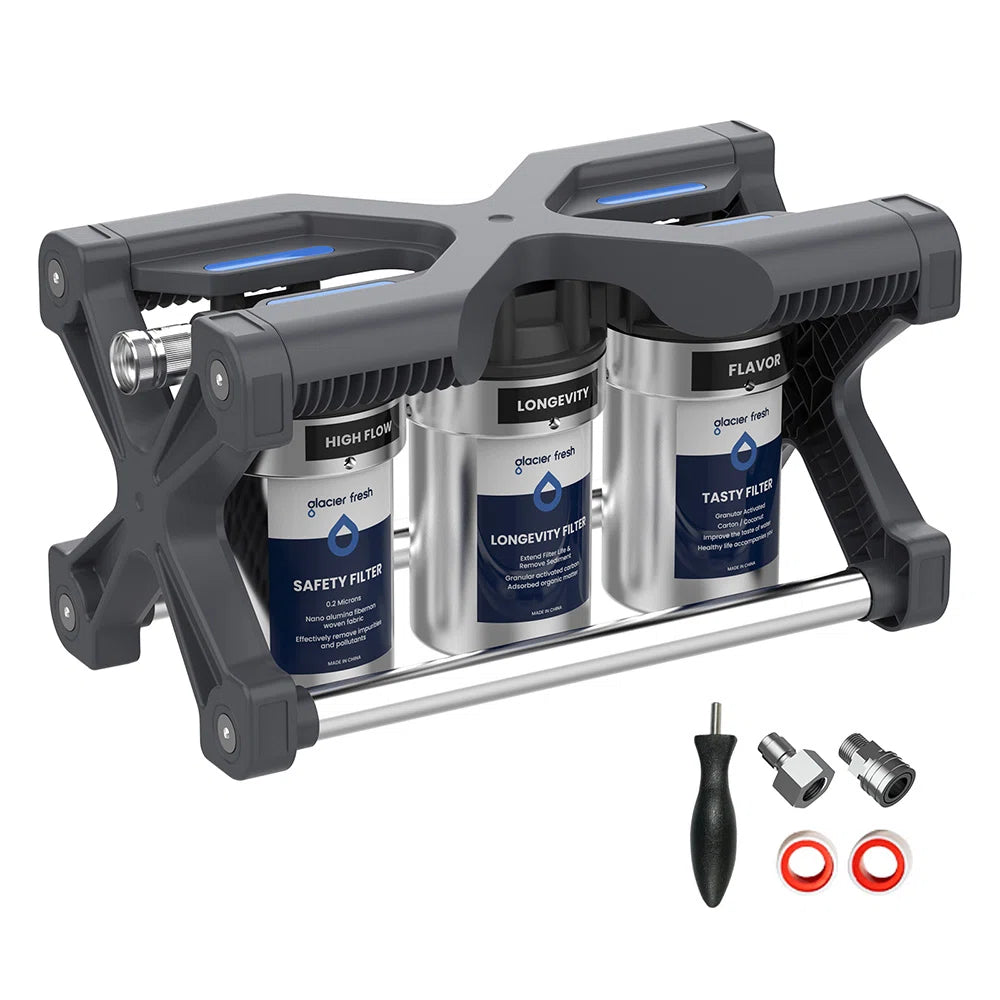
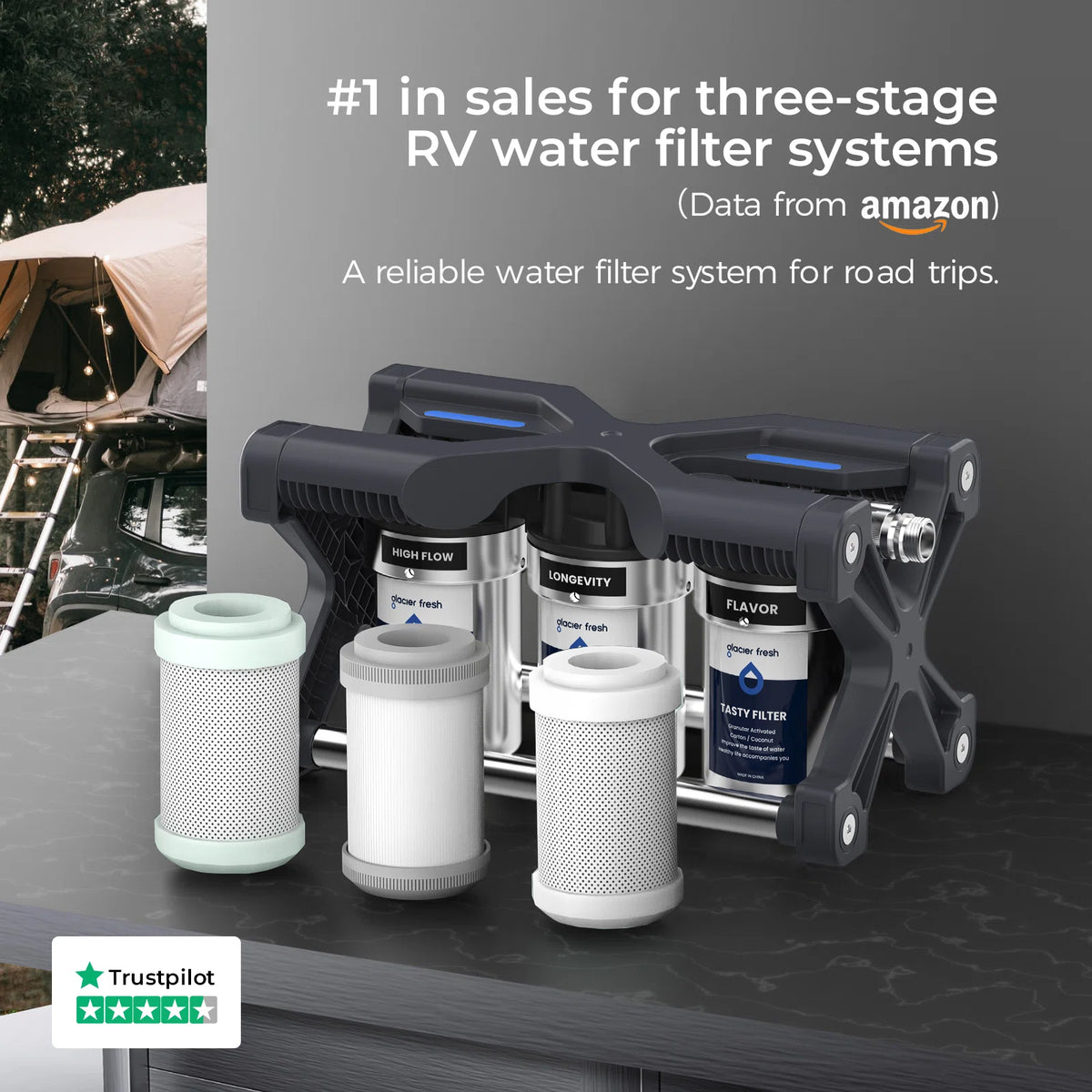
| RV or camping water hookup | Variable campground water quality and storage-tank contamination | Use a portable multi-stage or RV-focused filtration setup and replace cartridges on schedule. |
The health risks of heavy metals in tap water
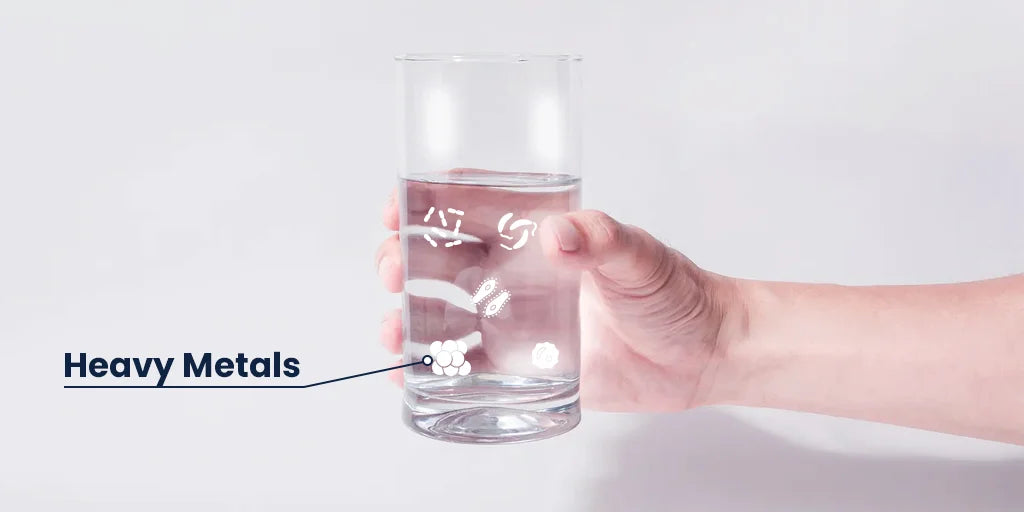
The health risk from heavy metals depends on the metal, concentration, exposure duration, age, pregnancy status, and existing health conditions. Long-term exposure may be linked with neurological, kidney, liver, cardiovascular, developmental, and cancer-related concerns, which is why prevention should focus on testing, reduction, and consistent maintenance rather than waiting for obvious warning signs.
Lead deserves special attention because children and pregnant people can be more vulnerable. Possible signs of lead poisoning may include developmental delays, learning difficulties, abdominal discomfort, fatigue, irritability, headaches, or other nonspecific symptoms, but symptoms alone cannot confirm exposure. If you notice possible lead contamination symptoms, test the water source and speak with a qualified medical professional or local health department.
Treatment options for heavy metal reduction include activated carbon, ion exchange, ultrafiltration, and a reverse osmosis system, depending on the contaminant profile. The right choice should be matched to the water test result, household flow demand, available installation space, and replacement schedule.
Regulations and guidelines for heavy metals in tap water
Regulatory limits provide a useful safety benchmark, but they do not replace household-level testing. Municipal monitoring generally evaluates system-wide water quality, while a specific home may still have risks from plumbing, fixtures, or stagnant water. For that reason, residents concerned about heavy metals should understand both official limits and their own tap-level test results.
Role of the Environmental Protection Agency
The EPA establishes and enforces drinking-water standards in the United States, including limits or action levels for contaminants such as lead, arsenic, mercury, cadmium, and chromium. These rules are intended to reduce public exposure, guide utility monitoring, and support corrective action when contaminant levels exceed safety thresholds.
Maximum contaminant levels(MCLs) for heavy metals in tap water
In ensuring the safety of tap water, understanding the maximum contaminant levels (MCLs) for heavy metals is vital to maintaining water quality standards and protecting public health. Heavy metal exposure through drinking water can harm public health, emphasizing the importance of strict contaminant-level regulations. Below is a table outlining the maximum contaminant levels set for various heavy metals in tap water:
| Heavy Metal | MCL (ppm) |
| Lead | 0.015 |
| Arsenic | 0.010 |
| Mercury | 0.002 |
| Cadmium | 0.005 |
| Chromium | 0.1 |
Adhering to these MCLs is crucial for safeguarding water quality, minimizing heavy metal exposure, and ensuring overall public health and drinking water safety.
Standards and guidelines set by the World Health Organization(WHO)
The World Health Organization also publishes drinking-water guidance that helps governments, utilities, and health organizations evaluate contamination risks. In practical terms, WHO and national standards both point to the same consumer action: identify the contaminant, compare the level against accepted thresholds, and choose treatment technology that is designed for that specific metal.
Glacier Fresh solutions for addressing heavy metals in tap water
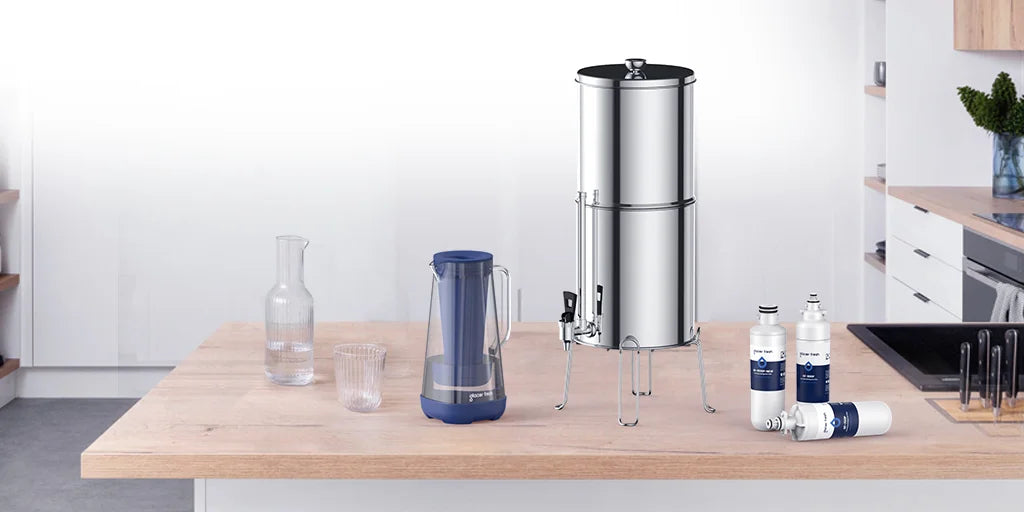
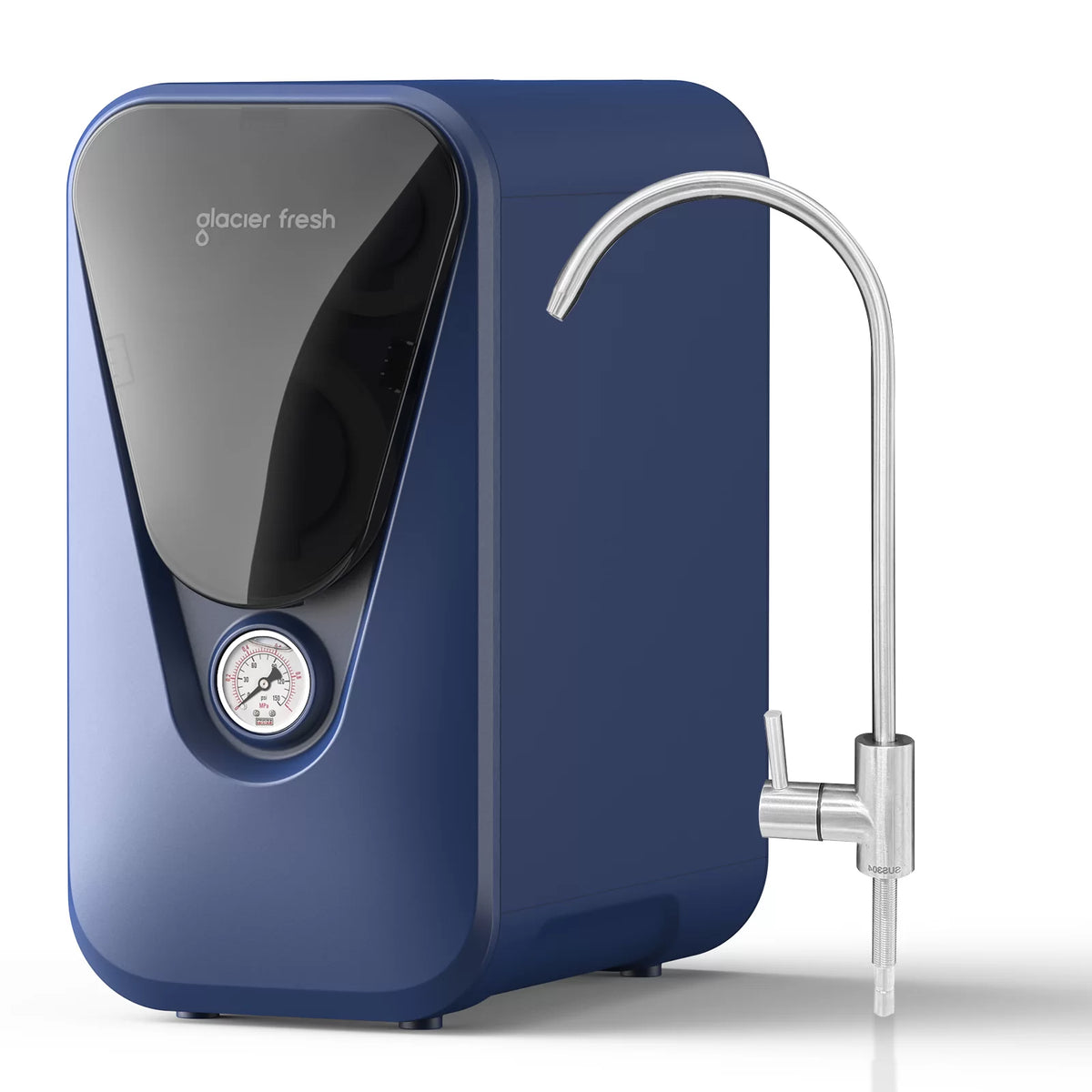
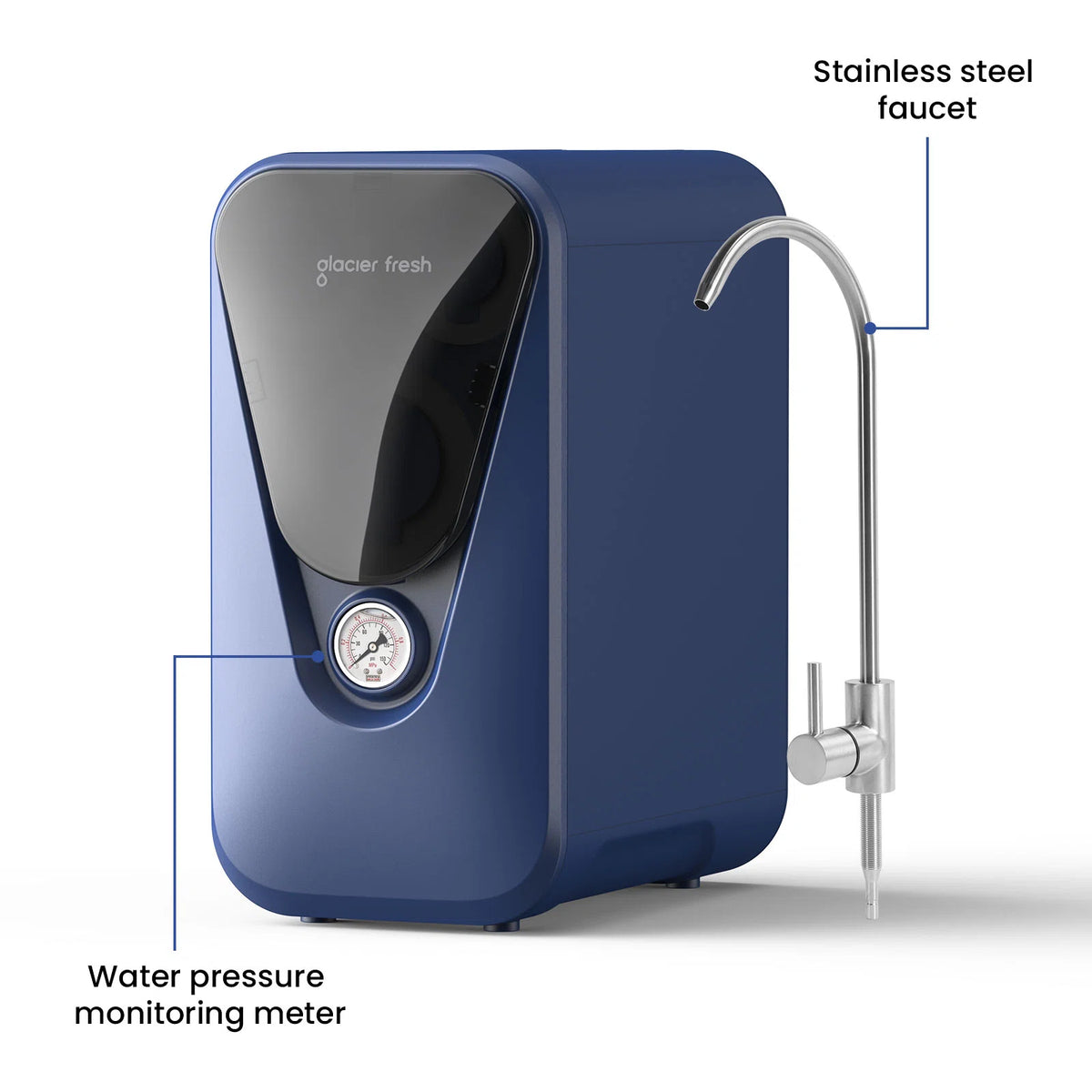
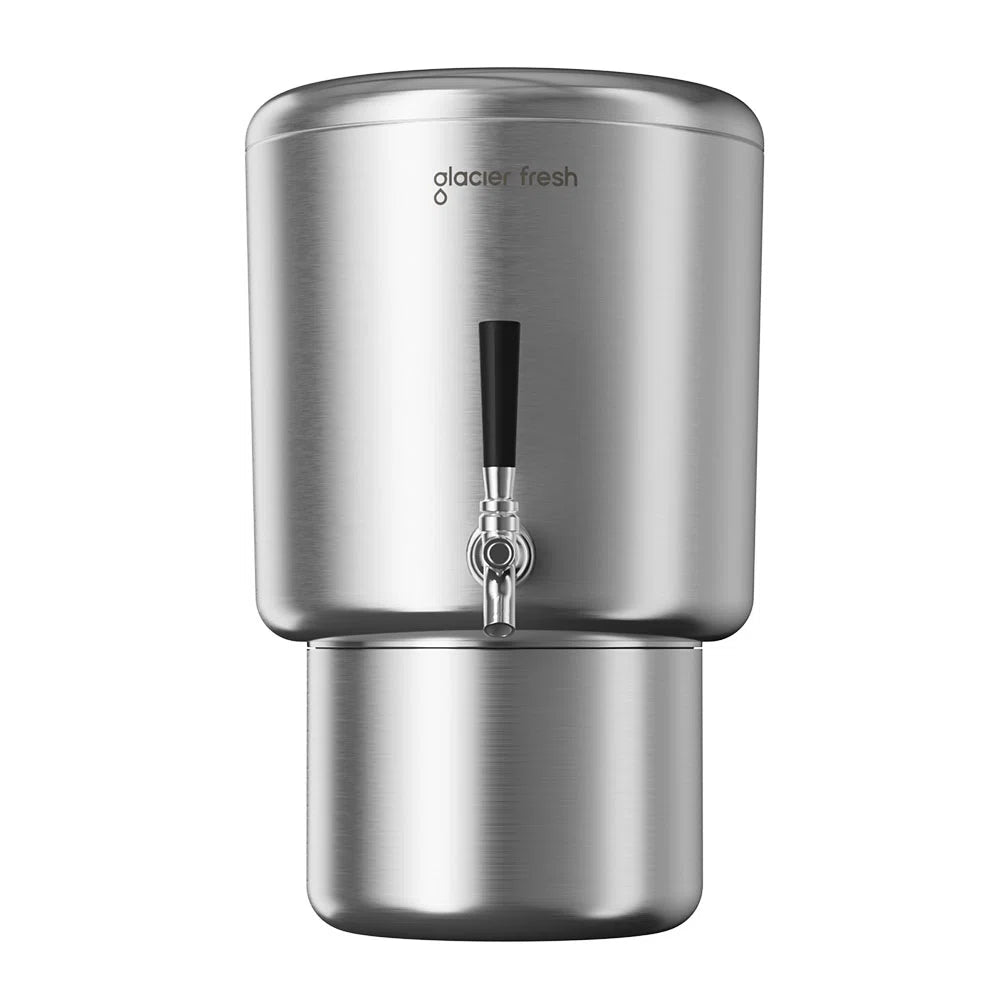
For people concerned about heavy metals, a water filter should be evaluated by contaminant reduction claims, filtration media, flow rate, capacity, replacement needs, installation type, and fit for the household or RV environment. Glacier Fresh filters are positioned as practical solutions for cleaner drinking water, with options that support daily use at home as well as portable filtration scenarios.
Gravity water filters can be useful when users want a countertop-style setup that does not require complicated installation. For heavier contamination concerns, compare multi-stage, ultrafiltration, and reverse osmosis options against your test result. A second lead water test after installation can confirm whether the selected system is reducing the target contaminant effectively.
| Filtration approach | Best fit | Heavy-metal relevance |
|---|---|---|
| Gravity or countertop filtration | Renters, apartments, quick setup | Useful for everyday improvement when matched with compatible filter media. |
| Under-sink ultrafiltration | Homes that need steady kitchen water | Can support sediment and contaminant reduction with convenient daily flow. |
| Reverse osmosis or multi-stage systems | Higher-risk water or RV/camping use | Often considered for broader contaminant reduction when testing shows metals or high TDS. |
The best system depends on your water source. If testing shows lead in water from plumbing, prioritize a certified lead-reduction filter and investigate whether a lead pipe or fixture replacement is needed. If the issue is mercury, arsenic, or multiple contaminants, compare technologies by removal claims, filter life, wastewater needs, storage requirements, and total annual replacement cost.
FAQs
How do heavy metals in tap water affect the taste and odor of the water?
Heavy metals do not always create a clear taste or smell, which is why taste alone is not a reliable safety test. Some metals may contribute metallic, bitter, or unusual notes, but clean-tasting water can still contain contaminants. If you suspect contamination, use a lab or certified home testing method instead of relying only on sensory cues.
Can water filtration pitchers or faucet filters remove heavy metals from tap water?
Some pitchers and faucet filters can reduce certain heavy metals, but performance varies by filter media, certification, capacity, and maintenance. Check whether the filter specifically lists lead, mercury, arsenic, cadmium, or chromium reduction. Replace cartridges on schedule, because an expired filter may lose effectiveness even if the water still tastes acceptable.
What are the top-rated systems for removing heavy metals overall?
The strongest choices are usually selected by contaminant type: reverse osmosis for broad dissolved contaminant reduction, ion exchange for targeted metals, activated carbon for some metals and chlorine-related taste issues, and ultrafiltration or multi-stage systems for sediment and combined water-quality improvement. For families, the best value comes from balancing purchase price, annual replacement costs, daily capacity, and independent testing claims.
What are the best home water test kits for detecting heavy metals in drinking water in the US?
For screening, consumers can compare mail-in laboratory kits, local certified lab testing, and at-home strip or vial kits. Mail-in lab tests generally cost more but provide broader results; strips are cheaper and faster but may be less precise. If there are possible signs of lead poisoning in a household, prioritize professional testing and medical guidance rather than relying on a low-cost screening kit alone.
What should I do if I suspect heavy metals or lead contamination symptoms at home?
First, stop guessing and test the water at the tap where drinking water is collected. Use cold water for cooking and drinking, flush stagnant water, and follow local health-department guidance. If you are concerned about lead contamination symptoms or other health effects, contact a healthcare professional. For water treatment, choose a filter designed for the detected contaminant and verify replacement intervals before long-term use.
Conclusion
Heavy metals in tap water are worth taking seriously because the most important risks are often invisible. A stronger 2026 action plan is to test first, identify whether contamination comes from plumbing or source water, choose a filtration technology that matches the contaminant report, and maintain the system consistently. Glacier Fresh offers practical filtration options for households, renters, and RV users who want cleaner water and a lower reliance on bottled water.