


Table of Contents:
What is reverse osmosis filtration?
How does a reverse osmosis system work?
What contaminants does RO remove?
What are the benefits of reverse osmosis water filtration?
What types of reverse osmosis filtration systems are available?
How do you choose the right RO system?
What are common concerns about RO filtration?
FAQs
Conclusion
What is reverse osmosis filtration?
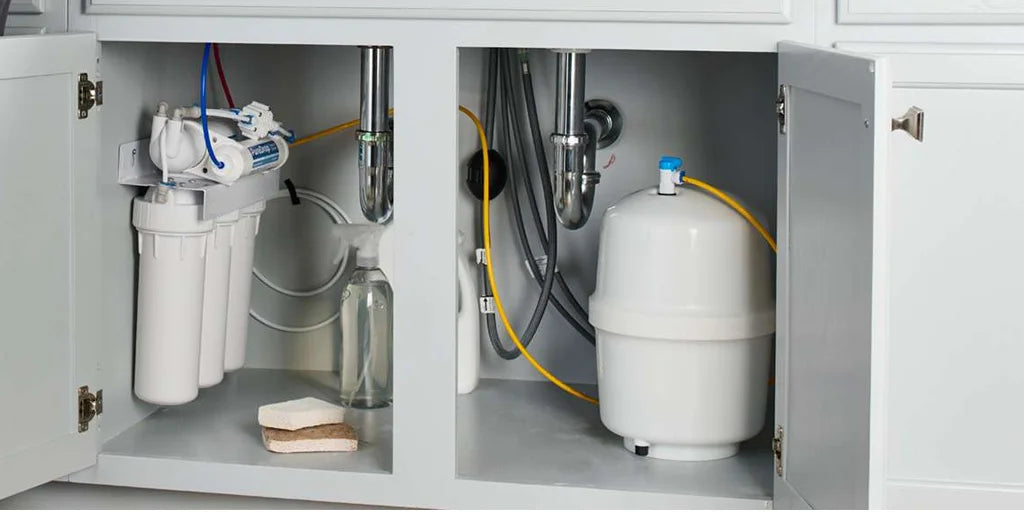
Reverse osmosis filtration is a water purification technology that removes dissolved impurities by forcing water through a semipermeable membrane. RO filtration works by allowing only water molecules to pass through a fine membrane while blocking contaminants like salts, chemicals, and heavy metals.
Key principles:
- Uses a semipermeable membrane with microscopic pores
- Relies on pressure higher than osmotic pressure
- Separates clean water from dissolved contaminants
Why water quality matters:
The performance of an RO system depends heavily on feed water quality. High levels of sediment or chlorine can reduce membrane lifespan and efficiency.
How does a reverse osmosis system work?

Reverse osmosis systems use pressure-driven membrane separation to purify water. The process is thta a reverse osmosis system pushes water through a membrane under pressure, leaving contaminants behind while allowing purified water to pass through.
Step-by-step process:
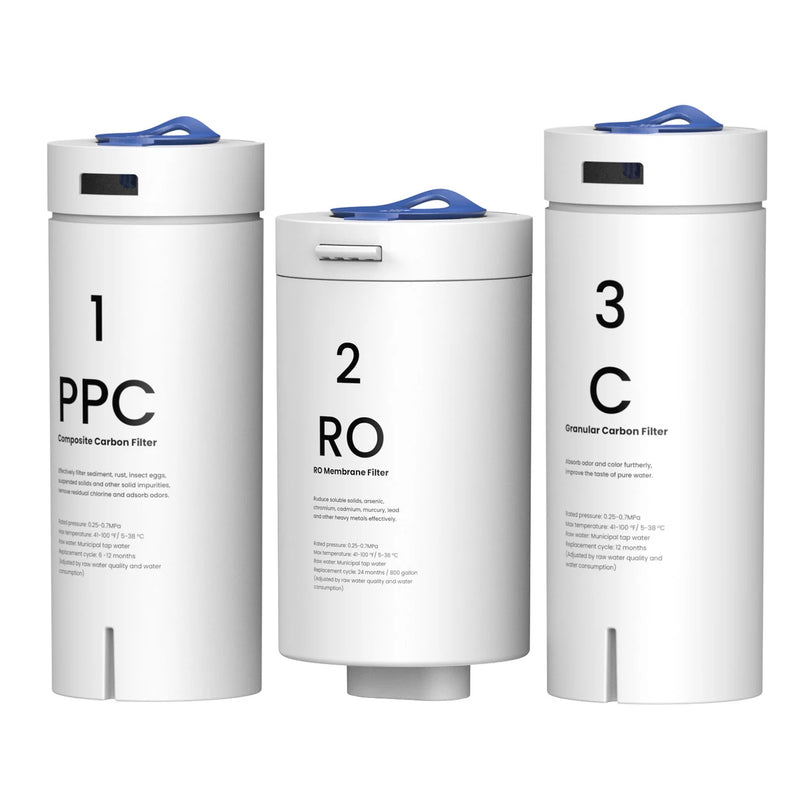
Step 1: Pre-filtration
- Removes sediment, rust, and large particles
- Protects the RO membrane
Step 2: Pressurization
- A pump or water pressure forces water toward the membrane
- Pressure must exceed osmotic pressure
Step 3: Membrane filtration
- Water molecules pass through
- Dissolved salts, metals, and chemicals are rejected
Step 4: Post-filtration (optional)
- Activated carbon improves taste and odor
- Final polishing before drinking
What contaminants does RO remove?
RO systems remove a wide range of contaminants including heavy metals, chlorine, fluoride, nitrates, and dissolved solids.
Commonly reduced contaminants:
- Chlorine and chloramine
- Lead and heavy metals
- Fluoride (partial reduction depending on system)
- Nitrates and sulfates
- Total dissolved solids (TDS)
- Some microorganisms
Removal efficiency depends on membrane quality and system design.
What are the benefits of reverse osmosis water filtration?

RO systems deliver cleaner, better-tasting water by reducing contaminants, improving safety, and reducing reliance on bottled water.
- Improved drinking water quality: Removes unwanted substances that affect safety and purity.
- Better taste and odor: Reduces chlorine and dissolved impurities that cause unpleasant taste.
- Cost efficiency over time: Reduces long-term bottled water expenses.
- Environmental benefits: Less plastic bottle waste contributes to reduced environmental impact.
- Health considerations: Helps reduce exposure to harmful substances like lead and arsenic.
What types of reverse osmosis filtration systems are available?
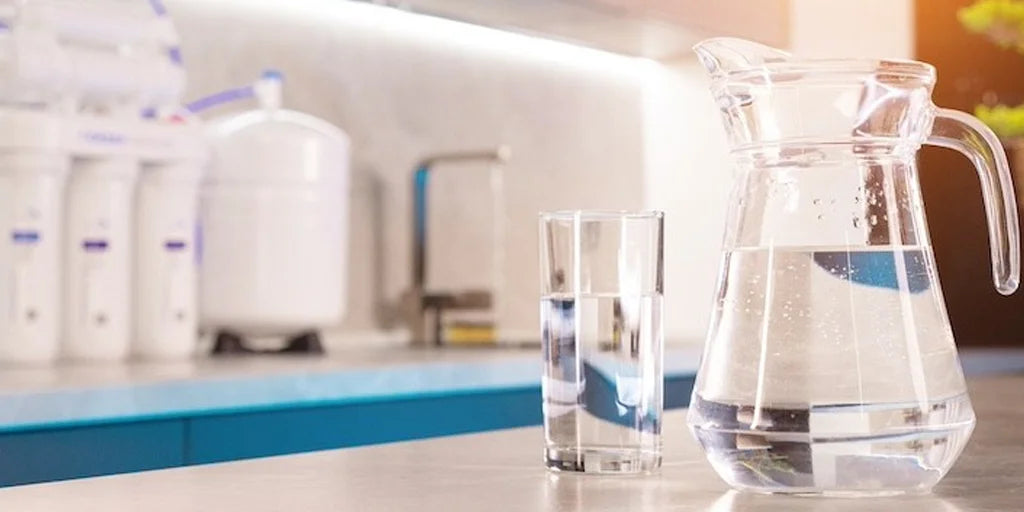
Different RO systems are designed for under-sink, countertop, tankless, or whole-house applications.
Common types:
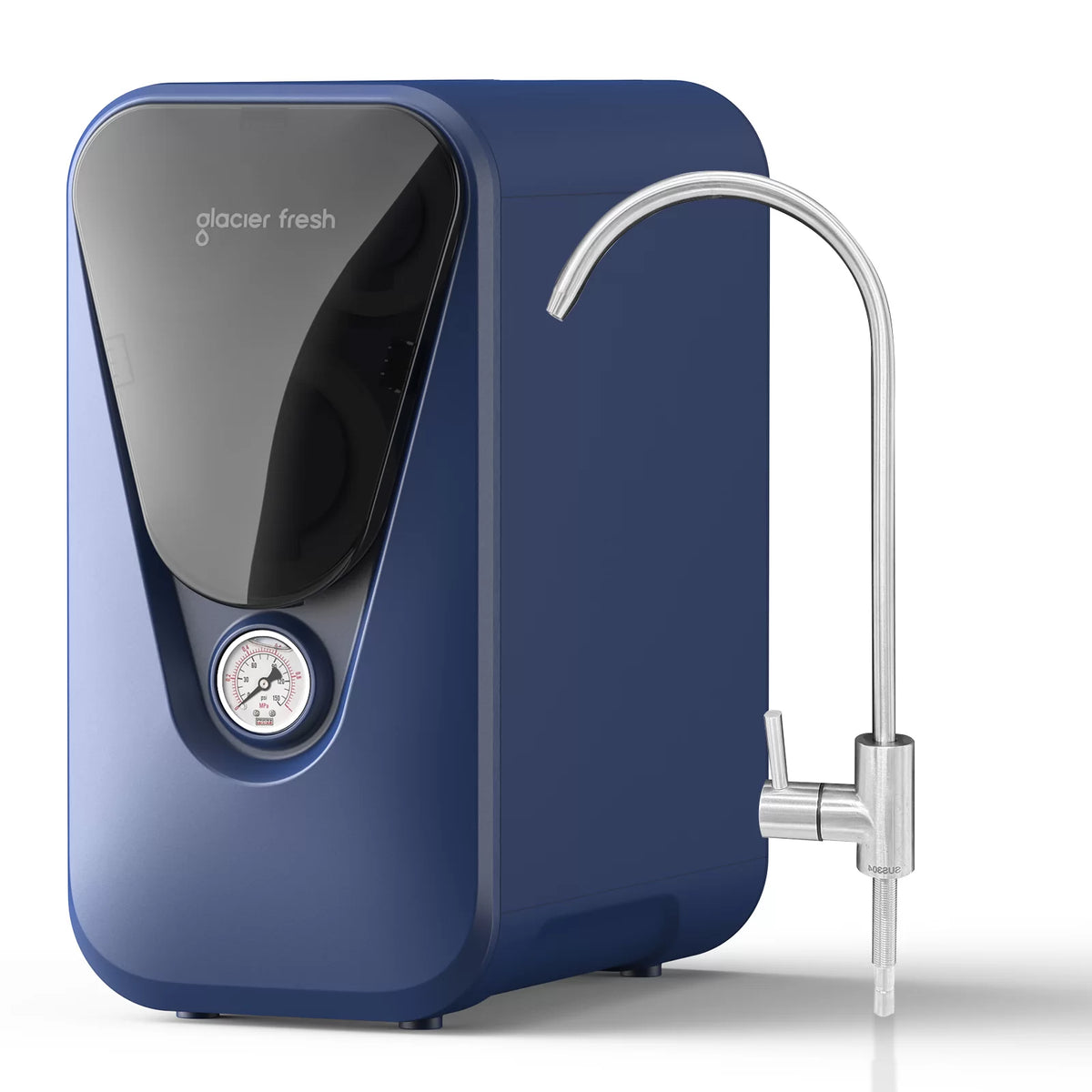
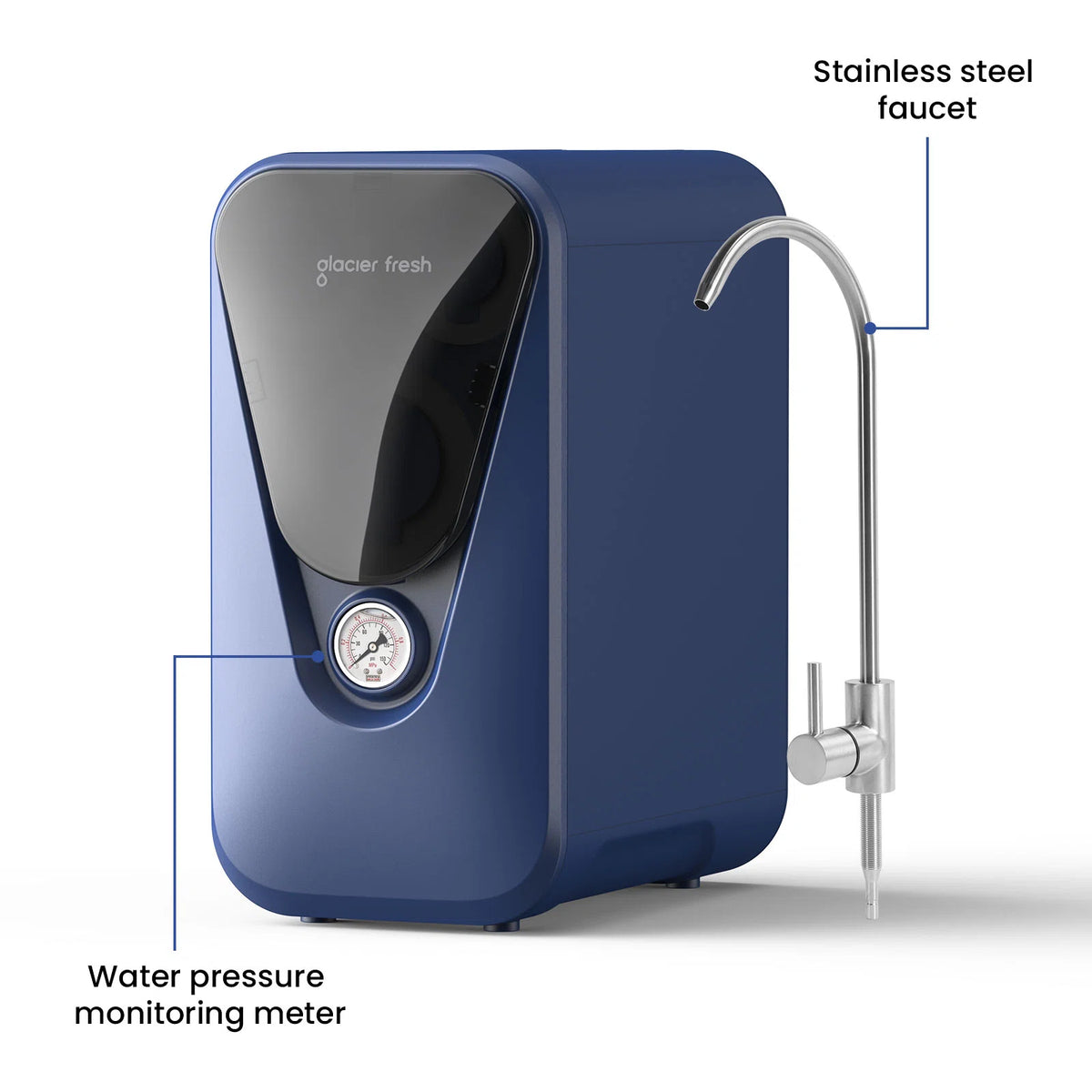
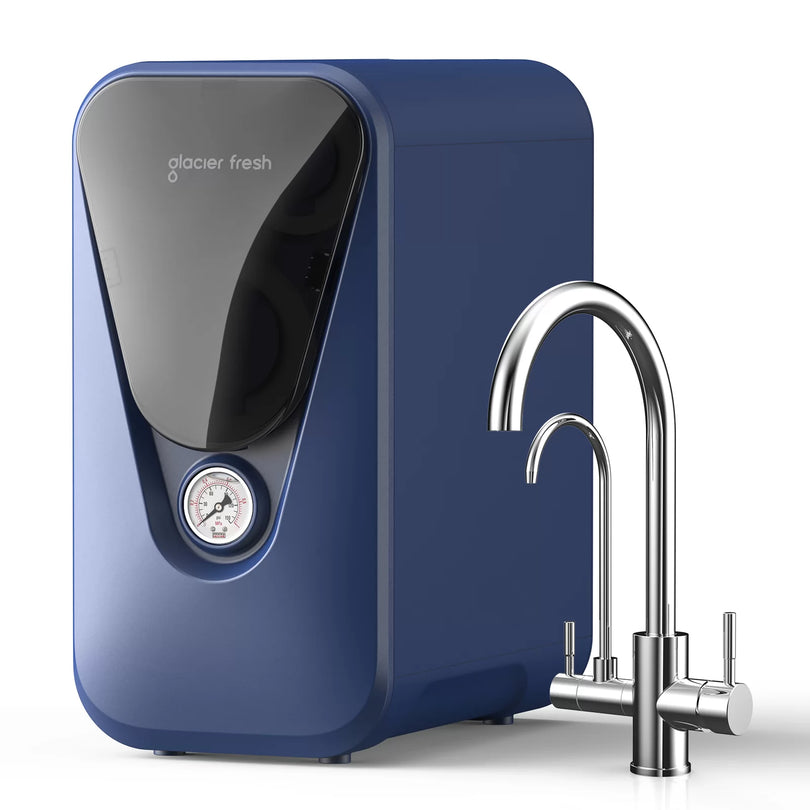
Under-sink RO systems
- Installed under kitchen sink
- High capacity and widely used
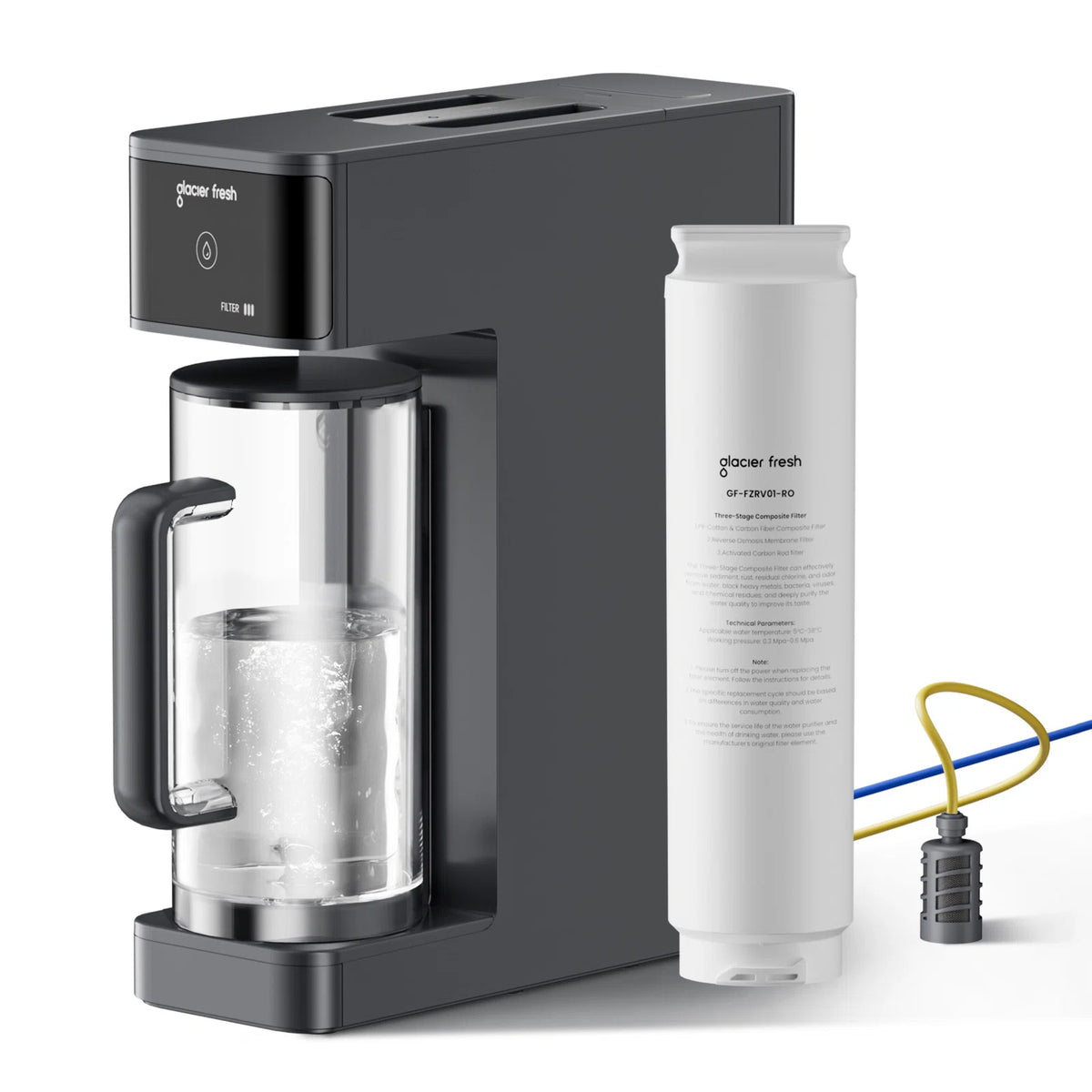
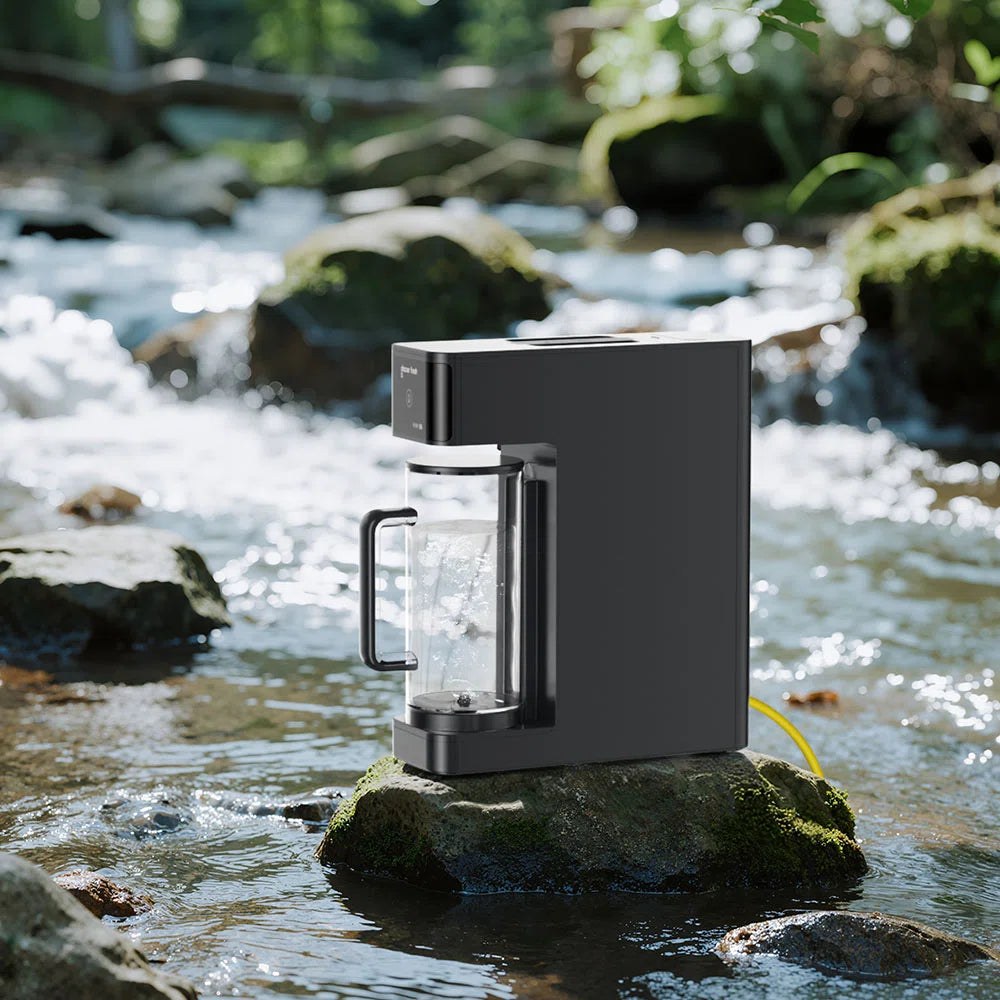
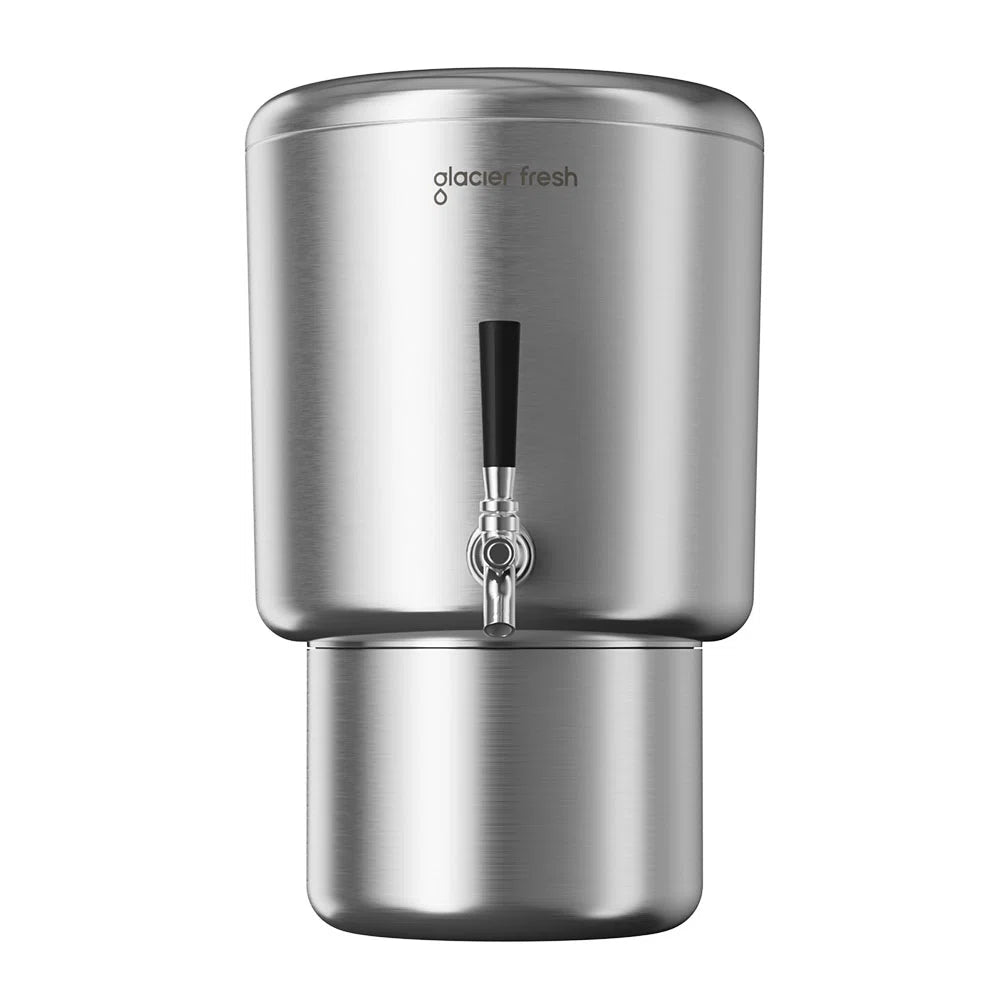
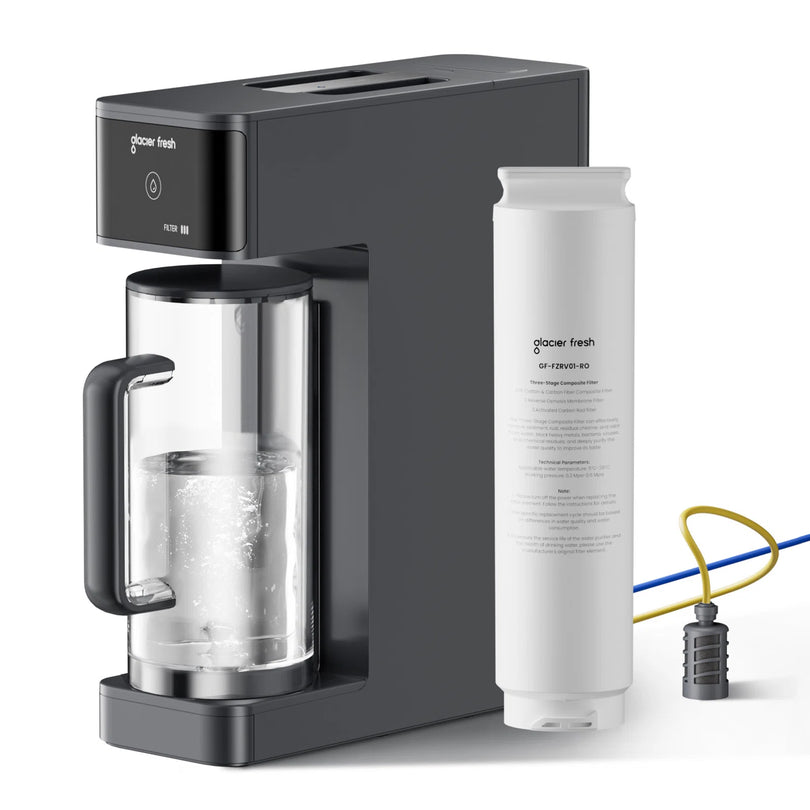
Countertop RO systems
- No plumbing modification needed
- Suitable for renters
Tankless RO systems
- Compact and continuous flow
- Modern high-efficiency design
Whole-house RO systems
- Treats all household water
- Higher cost and complexity
How do you choose the right RO system?
The best RO system depends on water quality, installation space, maintenance needs, and long-term cost.
- Maintenance tips: Consider the maintenance requirements of each RO system you're evaluating. Some systems may require more frequent filter changes or cleaning to operate efficiently.
- Cost comparison: Compare the initial cost of the RO system with the long-term expenses. Factors in the purchase price and ongoing maintenance costs include filter replacements and energy consumption.
- Installation process: Evaluate the installation complexity of different RO systems. Some may require professional installation, while others are designed for easy DIY setup. Choose a system that aligns with your technical skills and comfort level.
- Water quality: Assess the quality of water produced by each RO system. Look for certifications and customer reviews to ensure the system can effectively remove contaminants and provide clean, great-tasting water for your household.
What are common concerns about RO filtration?
Efficiency in addressing common concerns and issues with RO filtration is vital for ensuring optimal performance and water quality. When it comes to maintaining your RO system, here are some essential tips to consider:
- Regular Maintenance: Stay on top of filter replacements and system sanitization to prevent clogs and bacterial growth.
- Monitoring Efficiency Concerns: Keep an eye on water pressure and production rate to address any drop in performance promptly.
In terms of health implications and taste preferences:
- Health Considerations: Be mindful of mineral loss during filtration and consider remineralization options for balanced water consumption.
- Taste Preferences: Some individuals may find RO water tasteless due to removing minerals; consider enhancing taste with fruit infusions or a carbon post-filter.
Considering the environmental impact and cost analysis:
- Environmental Responsibility: Dispose of filter cartridges responsibly to minimize environmental impact.
- Cost Efficiency: Balance initial investment with long-term savings on bottled water and potential plumbing repairs.
FAQs
Does reverse osmosis remove all contaminants?
RO removes most dissolved contaminants but not 100% of all possible substances. Some volatile compounds may require additional filtration stages.
Is RO water safe to drink daily?
Yes. RO water is generally safe for daily drinking. However, because it removes minerals, some users choose remineralized RO water for balanced mineral intake.
Does RO water lack minerals?
Yes, RO removes many dissolved minerals such as calcium and magnesium. These are not essential from drinking water alone, as most minerals come from food.
How often should RO filters be replaced?
Typically:
- Pre-filters: 6–12 months
- Membrane: 2–3 years
- Post-filter: 6–12 months
Conclusion
Reverse osmosis is one of the most effective water filtration technologies for household use. It improves water safety, taste, and overall quality by removing a wide range of contaminants through a pressure-driven membrane system.
With proper system selection and regular maintenance, RO filtration provides a reliable long-term solution for clean drinking water at home.