


Table of Contents:
Standard plastic water bottle sizes
Why is 16.9 oz(500 ml) the global standard bottle size?
How many cups are in a plastic water bottle?
Expert recommendations on daily water intake
Bottle size vs hydration goals (choosing the right bottle for you?)
The concerns of plastic water bottles (environmental & health risks)
A smarter alternative to bottled water: why filtration makes more sense
FAQs
Conclusion
Understanding how much water is in a plastic bottle might seem simple—but it’s actually the foundation for tracking hydration, comparing bottle options, and making smarter long-term choices about how you drink water.
This guide breaks down standard bottle sizes, conversions, daily intake recommendations, and why more people are rethinking bottled water altogether.
Standard plastic water bottle sizes

Plastic water bottles come in a range of standardized sizes used globally for convenience, packaging efficiency, and consumer habits. Here are the most common sizes:
| Bottle Size (oz) | Milliliters (ml) | Cups | Liters | Typical Use |
|---|---|---|---|---|
| 8 oz | 237 ml | 1 cup | 0.24 L | Kids / small portions |
| 12 oz | 355 ml | 1.5 cups | 0.35 L | Travel / light hydration |
| 16.9 oz | 500 ml | 2.1 cups | 0.5 L | Most common |
| 20 oz | 591 ml | 2.5 cups | 0.59 L | Gym / outdoor |
| 32 oz | 946 ml | 4 cups | 0.95 L | Fitness / long use |
| 33.8 oz | 1000 ml | 4.2 cups | 1 L | High hydration needs |
The Centers for Disease Control and Prevention highlights that proper hydration helps regulate body temperature, support organ function, and maintain overall health.
Meanwhile, the Mayo Clinic recommends drinking water consistently throughout the day rather than waiting until you feel thirsty. In practical terms, most adults need multiple bottles of water per day, not just one.
Real-life hydration examples
Hydration becomes clearer when applied to everyday scenarios:
- Office worker → about 4 bottles/day
- Gym-goer → 5–6 bottles/day
- Hot weather → 6–7 bottles/day
This makes it easier to visualize how bottle size fits into your daily routine.
Bottle size vs hydration goals (choosing the right bottle for you?)
The “best” bottle size depends on your lifestyle and hydration habits.
| Goal | Recommended Bottle Size | Why It Works |
|---|---|---|
| Office work | 16.9 oz | Easy to track daily water intake |
| Gym workouts | 20–32 oz | Fewer refills during training sessions |
| Travel | 12–16 oz | Lightweight and highly portable |
| Kids | 8–12 oz | Better portion control for hydration habits |
| High hydration goals | 32 oz+ | Efficient intake with fewer refills |
Choosing the right bottle can help you stay consistent with your hydration routine.
The concerns of plastic water bottles (environmental & health risks)

While plastic water bottles are convenient, they raise growing environmental and health concerns.
Environmental impact
Single-use plastic bottles contribute significantly to global waste. Many are not recycled and can end up in landfills or oceans, where they break down into microplastics that persist for decades.
Microplastics and health concerns
Research has shown that plastic bottles can release microplastics into drinking water, especially when heated or reused multiple times.
The World Health Organization has noted that more research is needed to fully understand the long-term health effects of microplastic exposure.
Chemical leaching
Under certain conditions (such as heat or prolonged storage), plastic bottles may release trace amounts of chemicals into water. While levels are typically considered safe, these concerns have led many consumers to be more cautious about relying on bottled water long-term.
A smarter alternative to bottled water: why filtration makes more sense

Given the environmental impact and recurring cost of bottled water, many households are shifting toward water filtration solutions.
Benefits of water filtration
- Reduced plastic waste
- Lower long-term cost
- Improved taste and odor
- Convenient, on-demand access to clean water
Cost comparison
Over time, bottled water can become expensive:
| Option | Estimated Annual Cost |
|---|---|
| Bottled water | $300–$900 per year |
| Filtered tap water | $50–$150 per year |
Better hydration, less waste
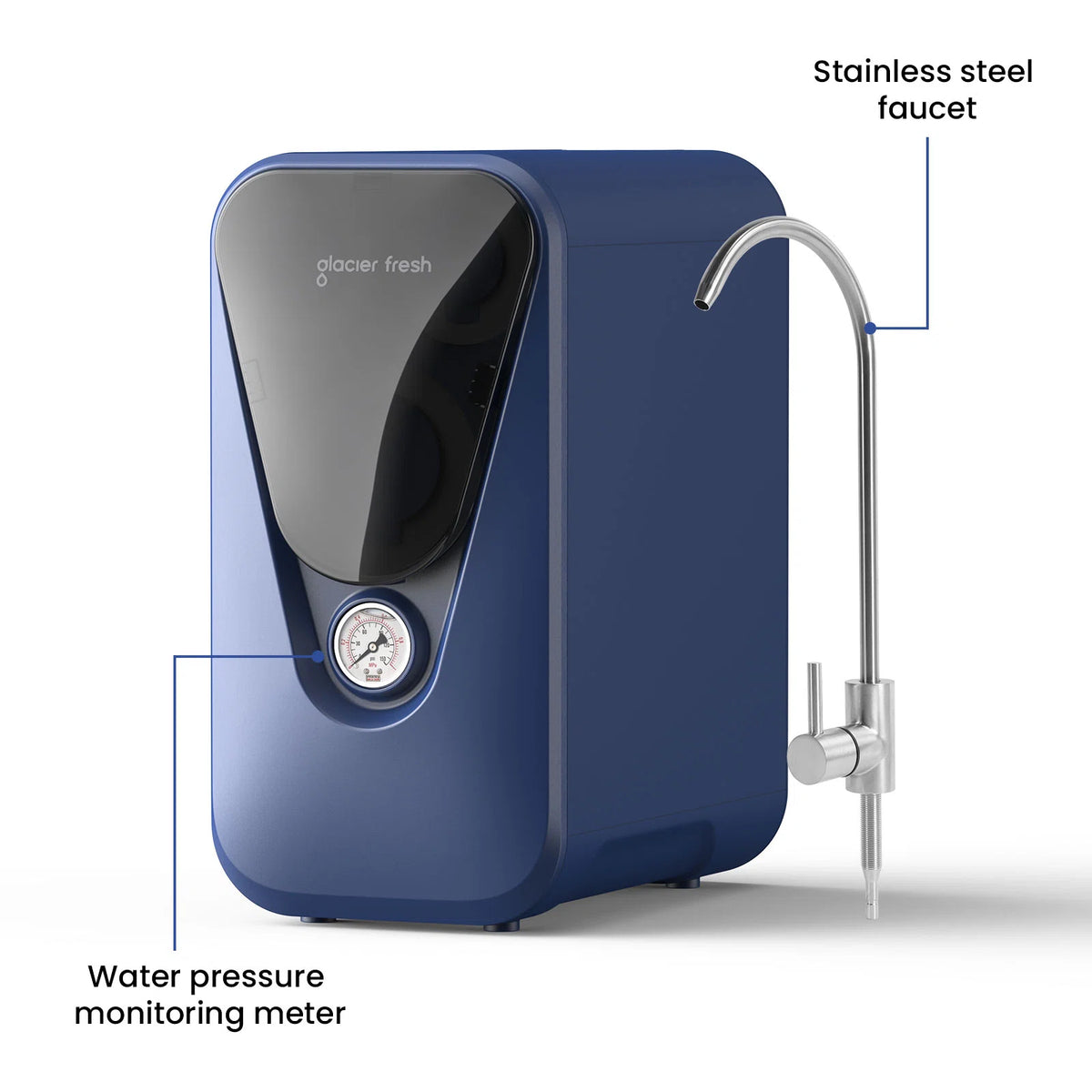
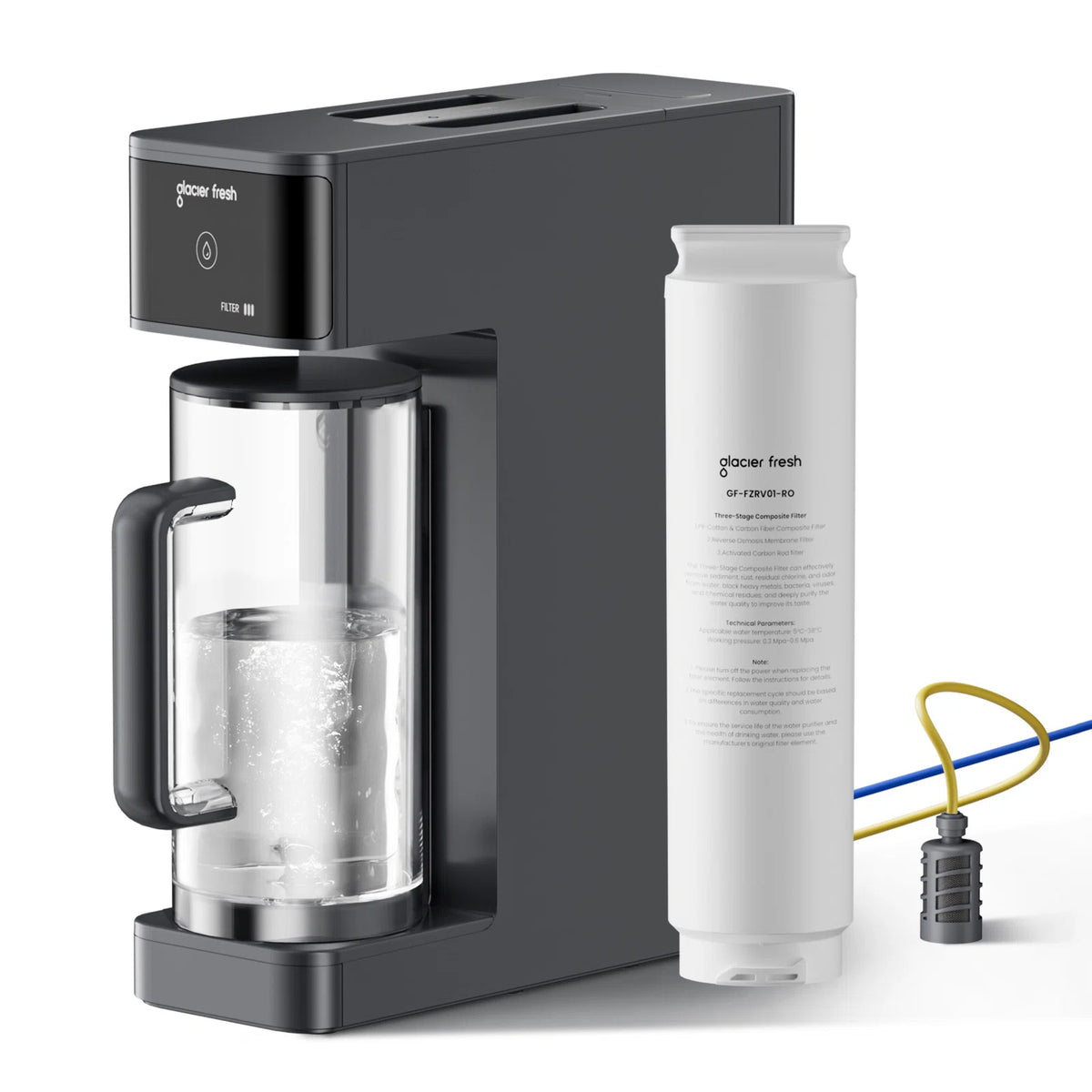
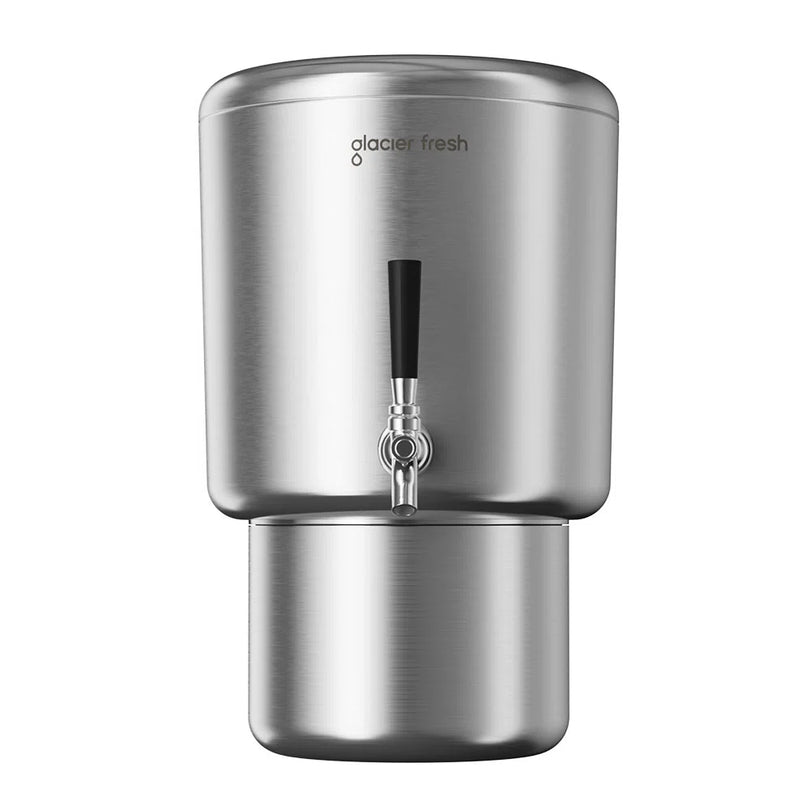
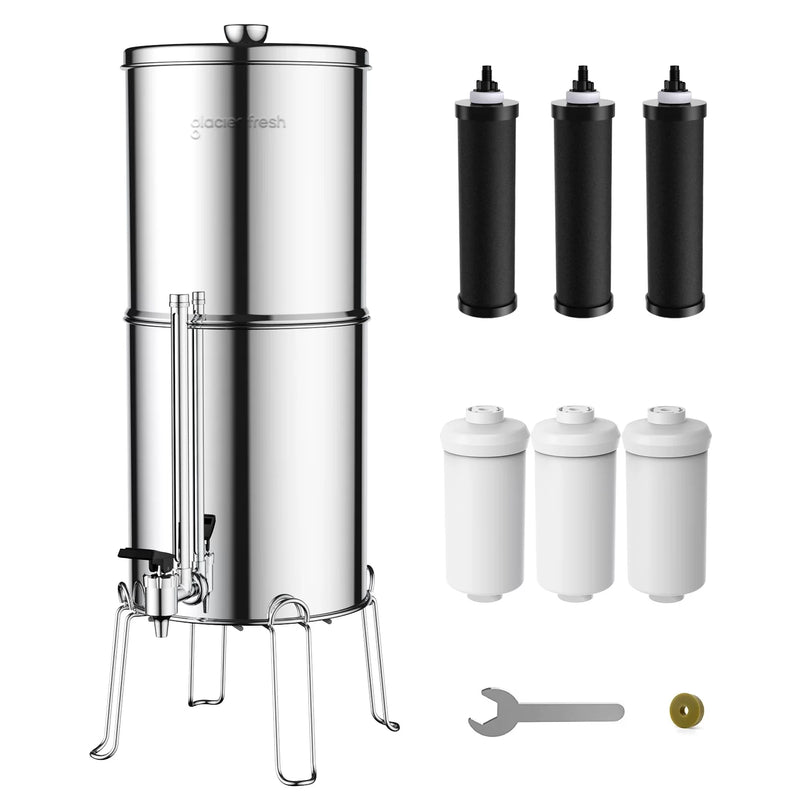
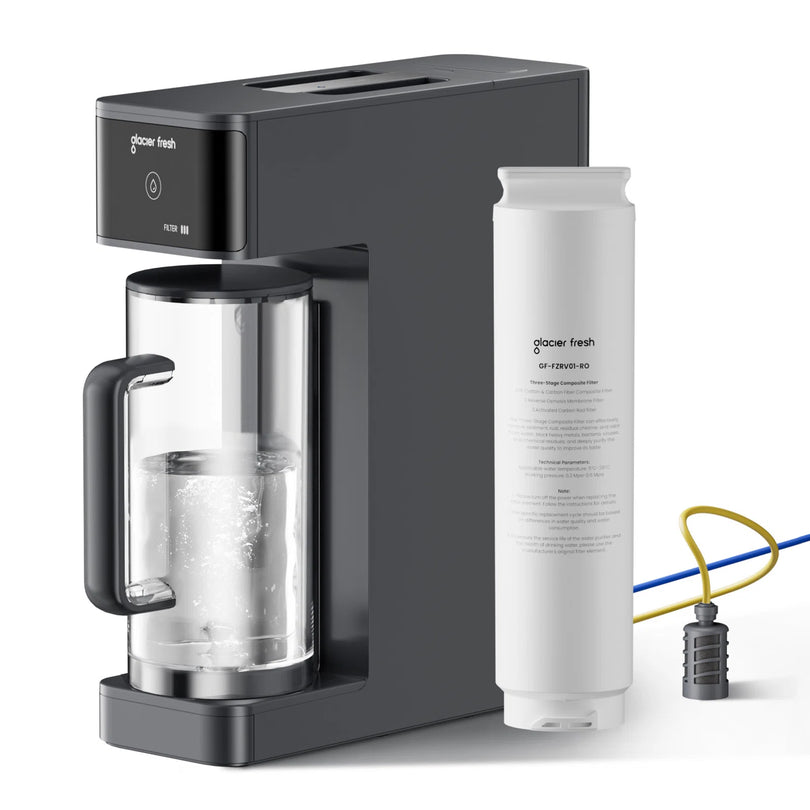
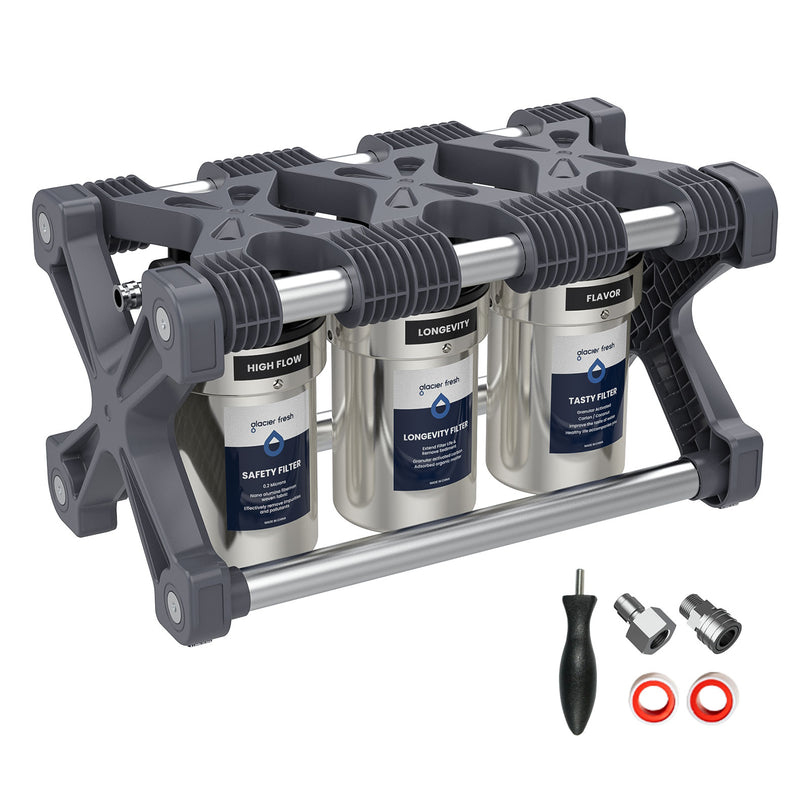
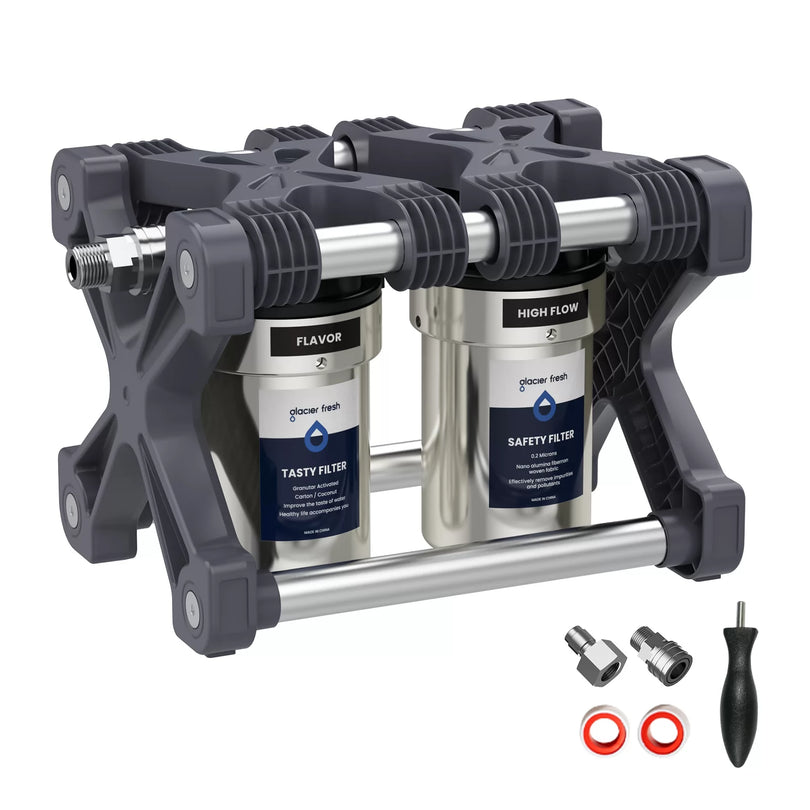
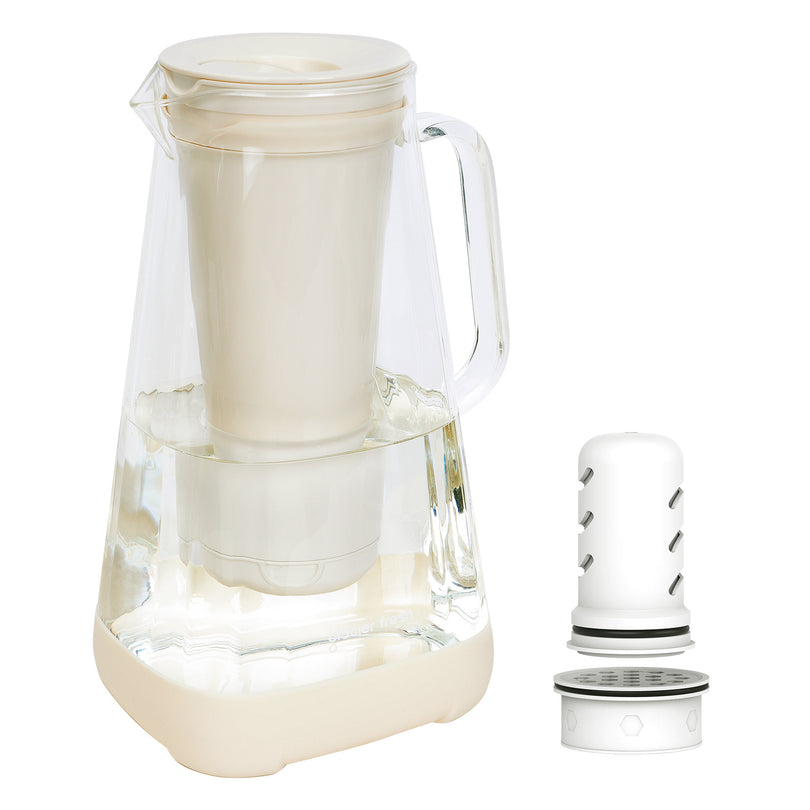
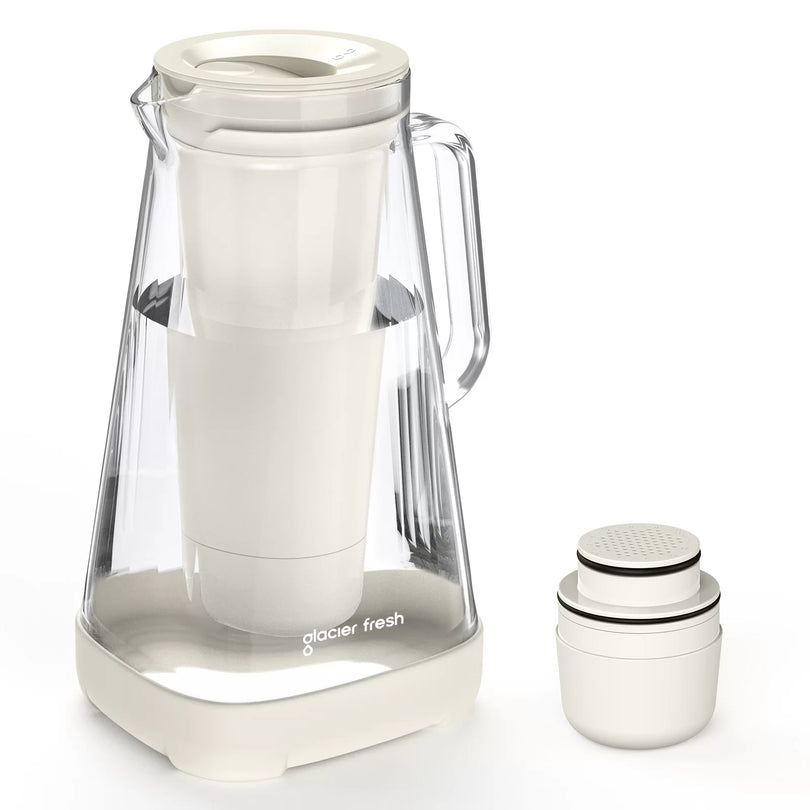
Since most people need multiple bottles of water per day, relying on bottled water alone is neither cost-effective nor sustainable. Using a filtration system like an countertop water filter system allows you to:
- Fill reusable bottles
- Maintain consistent hydration
- Reduce environmental impact
For long-term health and sustainability, filtration is often the more practical solution.
FAQs
How much water is in a standard plastic bottle?
Most standard plastic bottles contain 16.9 oz (500 ml) of water.
How many cups is 16.9 oz?
16.9 oz equals approximately 2.1 cups of water.
Is one bottle of water enough per day?
No. One bottle (16.9 oz) is far below the recommended daily intake of 64 oz or more.
How many 16.9 oz bottles make a gallon?
One gallon (128 oz) equals about 7.5 bottles of 16.9 oz water.
What is the healthiest bottle size for daily use?
A 16.9 oz bottle is ideal for tracking intake, while a 32 oz bottle is more efficient for higher hydration needs.
Conclusion
Plastic water bottles typically contain between 8 oz and 33.8 oz of water, with 16.9 oz (500 ml) being the most common size worldwide.
However, understanding bottle size is only the first step. True hydration depends on:
- Your daily water needs
- Your lifestyle and activity level
- Your ability to maintain consistent intake
According to trusted health organizations like the Centers for Disease Control and Prevention and Mayo Clinic, most adults need several bottles of water per day to stay properly hydrated.
Ultimately, it’s not just about how much water is in one bottle—it’s about building a hydration habit that supports your long-term health.
References
-
Centers for Disease Control and Prevention. Water and Healthier Drinks.
https://www.cdc.gov/healthyweight/healthy_eating/water-and-healthier-drinks.htm
-
Mayo Clinic. Water: How Much Should You Drink Every Day?
https://www.mayoclinic.org/healthy-lifestyle/nutrition-and-healthy-eating/in-depth/water/art-20044256 -
International Bottled Water Association. Bottled Water Basics.
https://www.bottledwater.org -
World Health Organization. Microplastics in Drinking Water.
https://www.who.int/publications/i/item/9789241516198