
Table of Contents:
Common 6 Types of Drinking Water in the World
How Can You Tell What Is the Healthiest Water to Drink?
How to Choose the Drink Water That's Best for You?
Common Misconceptions about Drinking Water
Final Thoughts
FAQs

As water is an essential daily nutrient for the human body, drinking water has always been a concern for everyone. But how do you choose the healthiest option from such a vast selection of drinking water? In this article, we’ve listed the most common types of drinking water and will guide you on how to choose the healthiest option for you.
Common 6 Types of Drinking Water in the World

Globally, common types of drinking water can be broadly categorized into six types. They are: Spring Water, Mineral Water, Purified Water, Alkaline Water, Distilled Water and Safe Tap Water. Every type of water has its own unique benefits, and there is no single "best" water. When choosing the healthiest drinking water, you should consider the following criteria: it should be free of heavy metals and microplastics, contain an appropriate amount of minerals, and be reasonably priced.
1. Spring Water
The spring water originates from natural underground springs. After being naturally filtered through geological layers, it emerges at the surface and is slightly alkaline.
Benefits: It contains natural minerals and electrolytes such as calcium, magnesium, and potassium, and has a slightly sweet, pleasant taste.
Note: When purchasing bottled mountain spring water, pay attention to the safety of the water source and try to avoid long-term use of single-use plastic bottles to reduce microplastic intake.
2. Mineral Water
The water source is strictly protected and is rich in specific dissolved minerals such as calcium and magnesium, making it ideal for replenishing trace elements.
Benefits: Rich in calcium and magnesium ions, it helps replenish trace minerals and offers certain benefits for cardiovascular and bone health.
Note: It is relatively expensive. Some high-sodium mineral waters are not suitable for long-term, heavy consumption by people with high blood pressure or kidney disease.
Scientific Knowledge: Natural mineral water falls under the category of mineral resource development and is subject to strict statutory minimum requirements for trace elements; mountain spring water, on the other hand, is primarily sourced from shallow surface springs in areas with dense vegetation, and emphasizes the water’s natural purity and smooth taste.
3. Purified Water
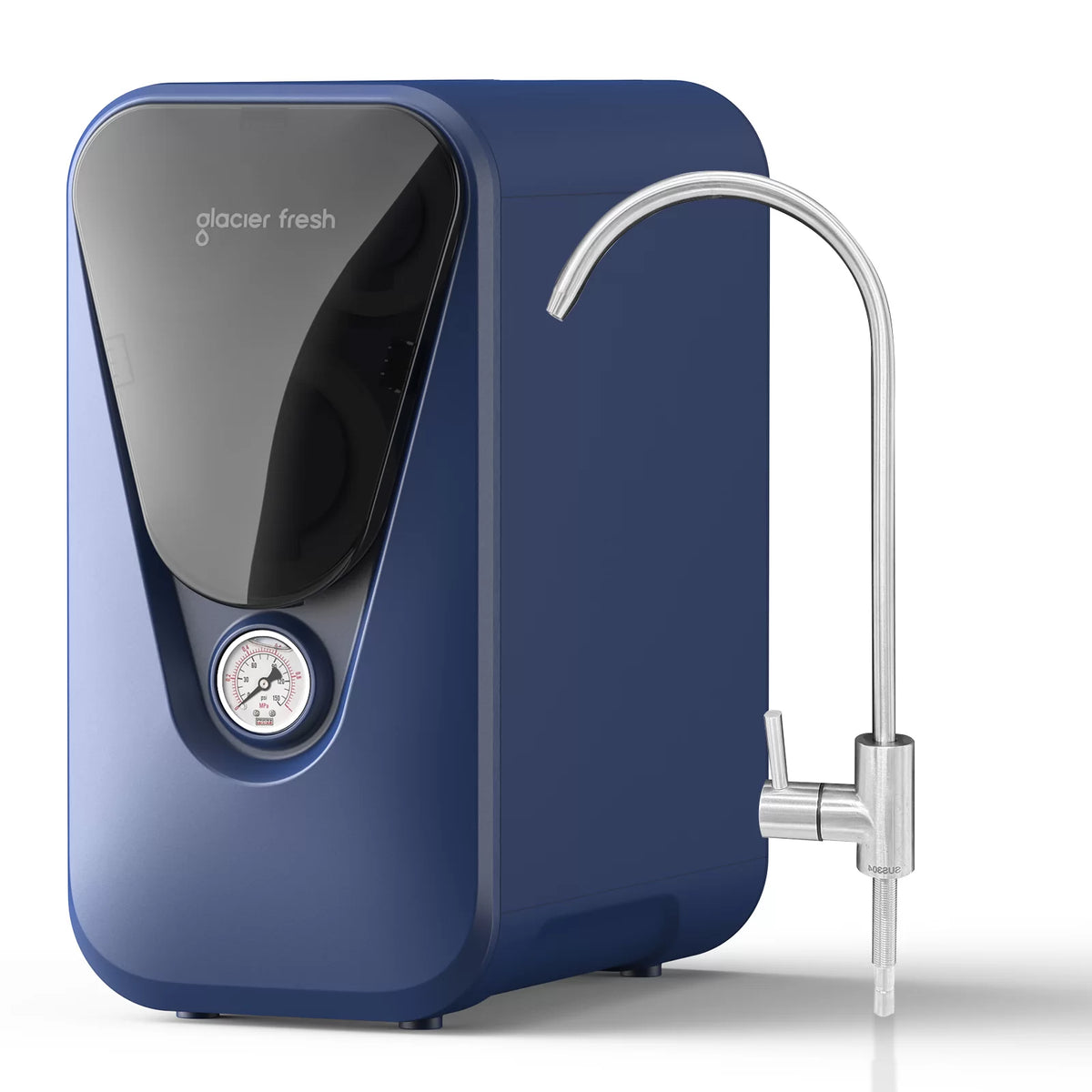
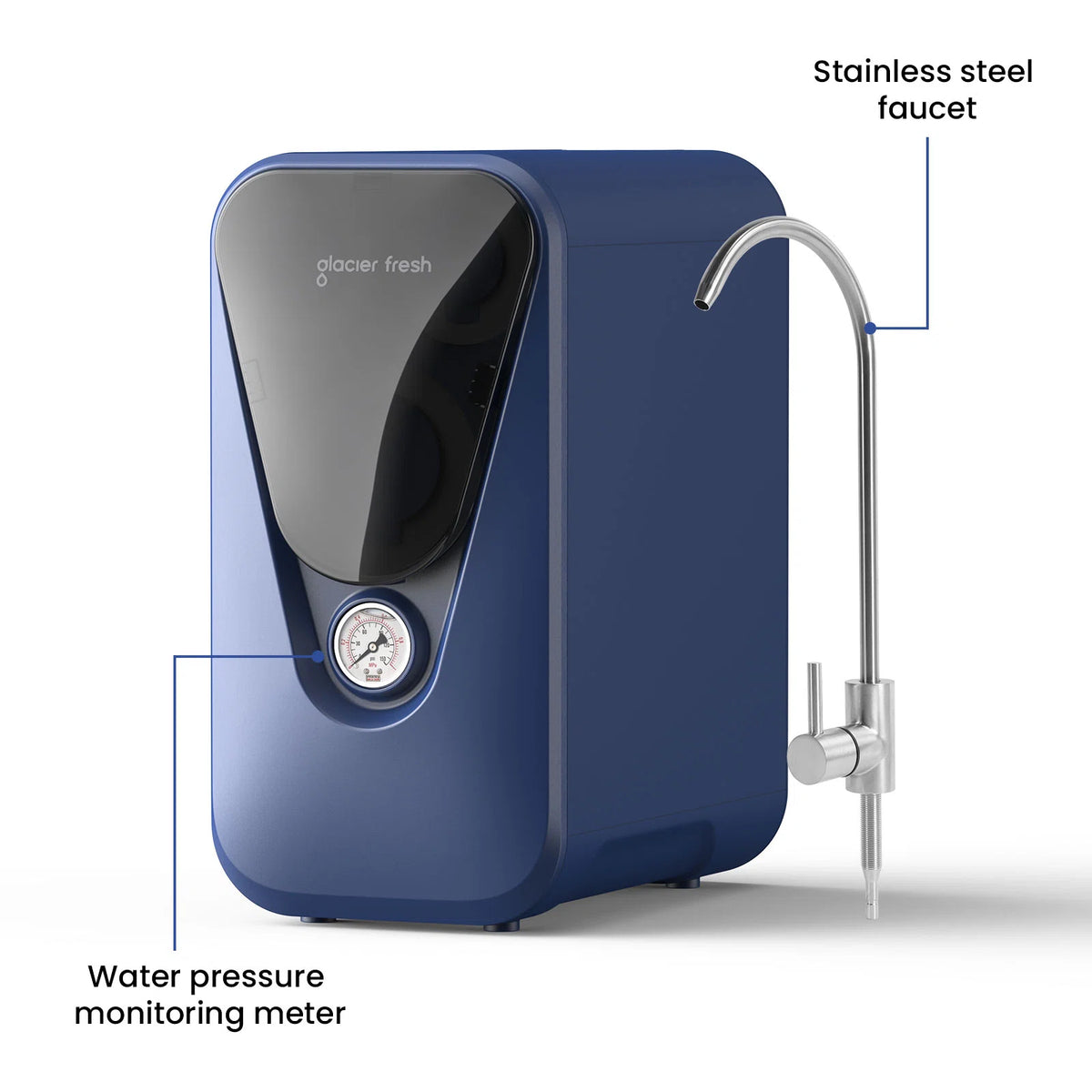
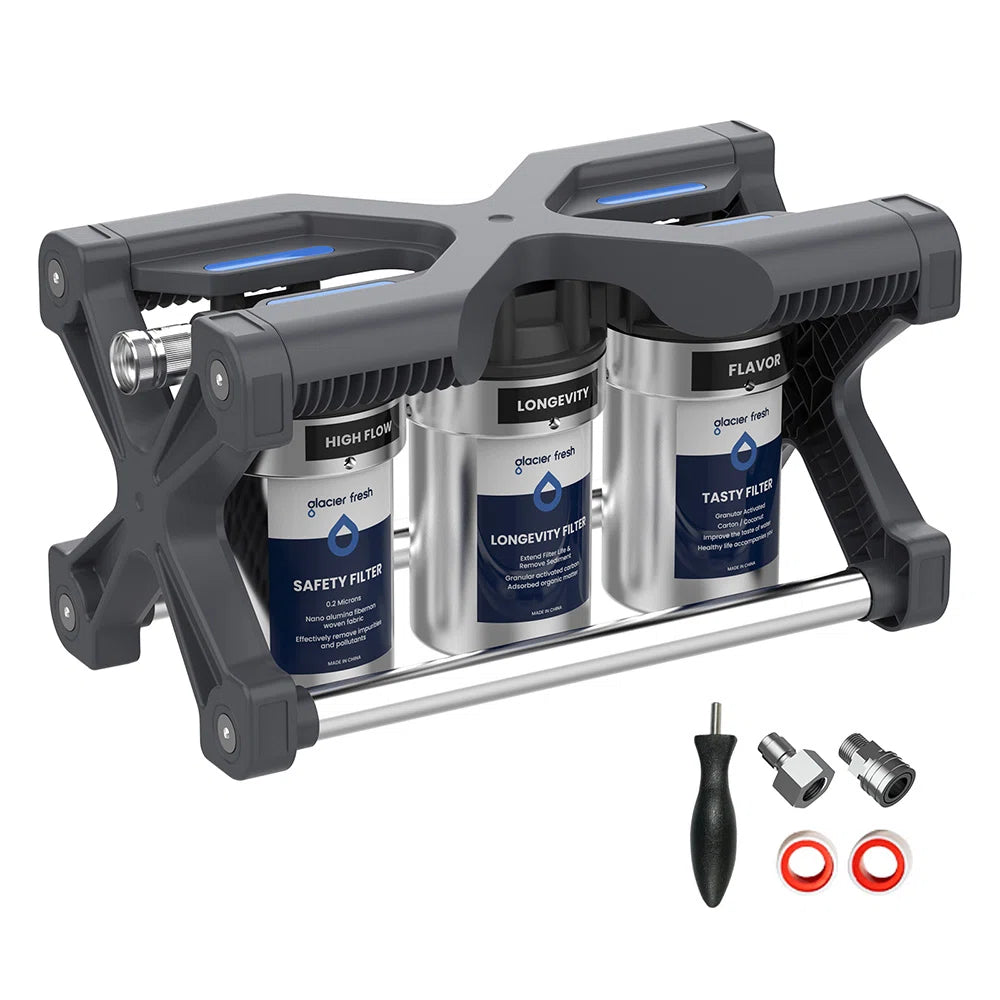
Using tap water as the water source, the filter cartridge effectively removes heavy metals, residual chlorine, and impurities, balancing safety and affordability.
Advantages: Effectively removes residual chlorine, heavy metals, microplastics, and sediment from tap water; economical and eco-friendly; filters water on demand for immediate consumption.
Note: While RO (reverse osmosis) water purifiers filter out harmful substances, they also remove minerals; therefore, it is important to maintain a balanced diet to ensure adequate nutrient intake.
4. Alkaline Water
It has a slightly alkaline pH (typically greater than 8.0) and is often used to neutralize stomach acid or improve the taste of certain beverages.
Benefits: Manufacturers often claim that it has antioxidant properties or can neutralize an acidic body.
The Scientific Truth: There is currently insufficient clinical evidence to prove that alkaline water offers greater health benefits than regular water. The human body has a sophisticated system for regulating acid-base balance, and drinking water cannot alter blood pH levels.
5. Distilled Water
It is produced by boiling at high temperatures and then condensing the vapor; it has a purity of nearly 100% and is completely free of impurities, but it lacks minerals.
Advantages: Absolutely sterile and free of contamination, making it suitable for areas with severely polluted water or for specific medical purposes.
Disadvantages: Completely devoid of minerals, it has a rather bland taste and is not the best choice as the sole source of drinking water over the long term.
6. Safe Tap Water
After undergoing standardized purification and disinfection at the water treatment plant and in compliance with local health standards, it is the most convenient and affordable source of drinking water.
Advantages: Extremely low cost and very convenient.
Recommendation: Depending on local water quality (hard or soft water), it is recommended to boil the water before drinking or use a basic filter to remove the chlorine taste.
Part 2. How Can You Tell What Is the Healthiest Water to Drink?
Generally speaking, the characteristics of the healthiest water must include the following four aspects:
Criterion 1: Safety (Free of Harmful Substances) — Free of heavy metals such as lead and arsenic, as well as chlorine residues, pathogenic bacteria, and microplastic particles.
Criterion 2: Appropriate Mineral Content — Contains trace amounts of calcium and magnesium ions, which not only improve taste but also enhance water absorption efficiency.
Criterion 3: Balanced pH — A neutral to slightly alkaline pH (6.5–8.5) best matches the body's natural digestive and metabolic environment.
Criterion 4: Container Safety — While water quality is important, the container is equally critical. Avoid frequent use of BPA-containing plastic bottles; prioritize glass or 316 stainless steel water bottles.
Among these common types of drinking water, spring water is arguably the healthiest.
How to Choose the Drink Water That's Best for You?
In fact, water intake depends on the situation. If you exercise regularly, drinking large amounts of mountain spring water may not be enough to meet your needs. This is because after exercise, you need to replenish electrolytes more than anything else. In everyday situations, you can refer to the table below to choose the drinking water that best suits your needs.
| Scenario/Audience | Recommended Water | Reason to Choose |
|---|---|---|
| For daily household consumption | Purified Water | You can enjoy an ample supply of healthy water at a lower cost, while meeting your household's daily needs. |
| People who exercise | Mineral Water | It quickly replenishes electrolytes such as calcium, magnesium, and sodium lost through sweat, helping to prevent dehydration. |
| High blood pressure or kidney disease | Purified Water | Avoid drinking mineral water with high sodium content to prevent putting extra strain on your kidneys. |
| Residential areas with poor water quality or older housing complexes | Purified Water | Due to the potential for lead contamination from old pipes, it is recommended to use filtered water. |
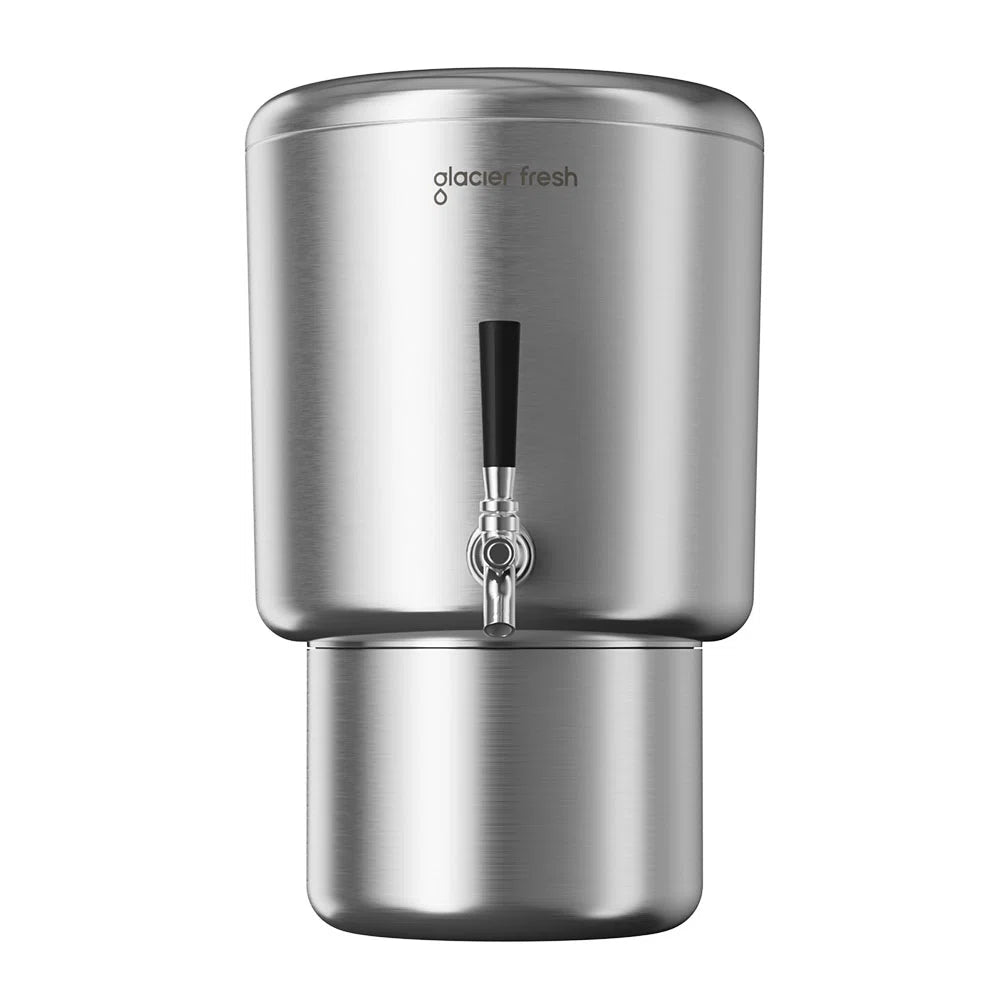
If price isn't a concern, you can buy bottled spring water from a large supermarket to meet your daily hydration needs. If you’re looking for value for your money, a water purifier is the best choice. That’s because a water purifier is the only way to get the most safe and healthy drinking water for the least amount of money. Take the Glacier Fresh Water Pitcher, for example: for just $49, it can produce 40 gallons of purified water—equivalent to about 640 cups of water in 2 months.

Part 4.Common Misconceptions about Drinking Water
1. You Can Never Drink Too Much Water
This is definitely wrong. Consuming a large amount of water in a short period of time can lead to water intoxication. Symptoms of water intoxication include confusion, seizures, or coma.
2. Coffee does not count toward your daily water intake
Although caffeine can cause some fluid loss, the fluid provided by coffee far exceeds the small amount lost due to caffeine. As long as you don't drink too much, it's fine.
3. The color of urine is a measure of whether you are drinking enough water.
This statement is actually not entirely accurate. If your urine is too clear, it means you’re drinking too much water, which can lead to a loss of electrolytes in your body. Pale yellow urine is the healthiest color.
Final Thoughts
You can buy the healthiest bottled water at Walmart, however the price might exceed your budget. If price is a concern, filtered water is your best option. However, keep in mind that not all water filters retain minerals. So when choosing a water filter, it’s best to opt for one that uses activated carbon filtration.
FAQs
Q1: What is the healthiest water to drink from Walmart?
The healthiest bottled water at Walmart is natural spring water. You can choose from the following brands: Evian Natural Spring Water, Fiji Natural Artesian Water, and Mountain Valley Spring Water, which comes in glass bottles.
Q2: What can I drink to stay hydrated if I don't like water?
In addition to drinking water, any beverage or fruit that contains water can help rehydrate your body. However, most beverages and fruits are high in sugar. We recommend drinking Coconut Water, watermelon, cucumbers.
Q3: What's the unhealthiest drink?
Sugary beverages, especially carbonated drinks and blended coffee drinks. High-sugar beverages not only cause your blood sugar to spike rapidly in the short term, but they can also lead to obesity and other health problems.
Q4: What is the healthiest bottled water to drink?
The healthiest brands of bottled water include Mountain Valley Spring, Gerolsteiner, and Hallstein Water. These are all bottled in glass bottles. In addition, they all come from natural springs and are rich in various minerals.
Q5: What is the healthiest flavored water to drink?
The healthiest flavored water is definitely made with purified water and natural fruit extracts, with no additives—like Mountain Valley’s flavored drinks.