
Table of Contents:
The Science of Hydration: Are You Drinking Water "in Vain"?
How to Drink Water Correctly in a Day?
How to Drink Water Correctly for Specific Needs?
Common Mistakes We Make When Drinking Water
How to Make Sure the Water You Drink Is Safe
Conclusion
FAQs

Although drinking water is something everyone does every day, very few people know the correct way to do it. If you're still just following the “eight glasses a day” rule without considering when to drink water or how much to drink each time, it could actually have negative effects. That's why, in this article, we've outlined a practical plan for you and explained how to adjust it based on your individual circumstances.
The Science of Hydration: Are You Drinking Water "in Vain"?
Many people make a point of drinking plenty of water every day, yet they still experience dry skin, mental fog, and frequent trips to the bathroom. This phenomenon, in which water passes through the body's systems without being absorbed by the cells, is known as "ineffective hydration."
Why Gulping Water Doesn't Work?
Studies have shown that when you drink a large amount of water, around 500–700 milliliters in a short period of time, the sudden drop in blood osmolarity triggers a protective hormonal response. The pituitary gland suppresses the secretion of antidiuretic hormone (ADH). Without ADH to signal the kidneys to retain water, the renal tubules rapidly filter the excess fluid into the bladder. What is the result? Body fluids are rapidly expelled, while deep tissues remain inadequately hydrated.
Calculate How Much Water You Need to Drink a Day
The amount of water each person drinks daily is influenced by factors such as body weight, metabolism, and even temperature and diet. Therefore, to determine how much water you need to drink each day, use the following formula:
Total Water Intake (Liters)= Body Weight (kg) * 0.035 + Activity Adjustment
For a person weighing 80 kilograms, the basic daily fluid intake requirement is 70 × 0.035 = 2.45 liters. If the ambient temperature is high or the rate of sweating is high, fluid intake should be increased.
How to Drink Water Correctly in a Day?
The timing of your water intake is just as important as your total intake, so you need a perfect schedule for when to drink water. The hourly drinking schedule below helps align your water intake with your body's natural metabolic rhythms and circadian rhythms. If you're wondering how to drink water correctly for glowing skin or weight loss, this drinking schedule should be helpful.
| Time | Target Volume | Scientific Explanation |
|---|---|---|
| 07:00 AM | 300 - 450 mL | Replenish overnight respiratory/perspiratory fluid loss. |
| 09:00 AM - 12:00 PM | 500 - 700 mL | Sustains plasma volume for optimal cognitive performance and focus. |
| 12:00 PM - 1:30 PM | 150 - 200 mL max | Minimal sips during meals to avoid over-diluting gastric juices and pancreatic digestive enzymes. |
| 3:00 PM | 300 - 400 mL | Mild afternoon fatigue is often subclinical dehydration. Cold or room-temperature water boosts mental alertness. |
| 6:00 - 8:00 PM | 300 - 400 mL | Fluid support during or after dinner. Helps transition the nervous system into parasympathetic recovery. |
| 9:30 PM | 100 - 150 mL | Prevents nocturnal blood hyperviscosity without overloading the bladder. |
Part 3. How to Drink Water Correctly for Specific Needs
1. For Office Workers

However, for office workers, we constantly lose moisture through breathing, whether the air conditioning or heating is on. Additionally, drinking large amounts of water while sitting for long periods may lead to swelling in the lower limbs. Therefore, we can adjust the timing and frequency of our water intake accordingly.
Solution: Take 2 - 3 small sips of water every 20 minutes and stand up once every hour.
2. For Workouts & High-Sweat Environments

Many people mistakenly believe that during exercise and when sweating profusely, they only lose water, but they overlook the fact that they also lose electrolytes. Therefore, in addition to staying hydrated, it's important to replenish electrolytes as well. This not only helps you maintain your performance during intense exercise but also prevents cramps.
Solution:
- Pre-Exercise (1–2 hours prior): Drink 500 mL of water with a small meal or electrolyte source.
- Mid-Exercise (Every 15–20 mins): Drink 150–250 mL of an isotonic fluid containing $0.5 – 0.7 g/L Sodium.
- Post-Exercise Recovery: Consume 125–150% of the fluid weight lost through sweat within 2–4 hours after finishing.
Common Mistakes We Make When Drinking Water
Drinking water the wrong way can lead to health problems, and these incorrect habits are exactly what most people do on a daily basis. Let's knowing what are the five mistakes we make when drinking water and work hard to break those habits so you can be healthier.
Waiting Until You're Thirsty: Thirst is an onset marker of 1–2% total body water deficit, which already reduces cognitive focus and physical endurance.
Chugging Ice-Cold Water with Large Meals: Rapid ingestion of freezing fluids can induce vasocongestion in the gastric lining and slow down enzyme activation.
Ignoring Nocturia Risks: Drinking large volumes of water within 1 hour of sleep suppresses pineal melatonin release due to frequent awakenings, severely fragmenting sleep architecture.
Overhydration (Hyponatremia Risk): Excess intake of plain water without sodium replacement dilutes blood plasma, potentially causing brain swelling, nausea, severe fatigue, and headache.
How to Make Sure the Water You Drink Is Safe
With the increasing severity of environmental pollution, microplastics and even heavy metal contaminants may be present in our tap water and well water. To ensure the water we drink is safe, we need to understand the quality of our local water supply. If pollution has already occurred, there's no need to worry! Water purifiers can help filter out 99.9% of contaminants.
Here you can check the local water quality: https://www.tapwaterdata.com/zip
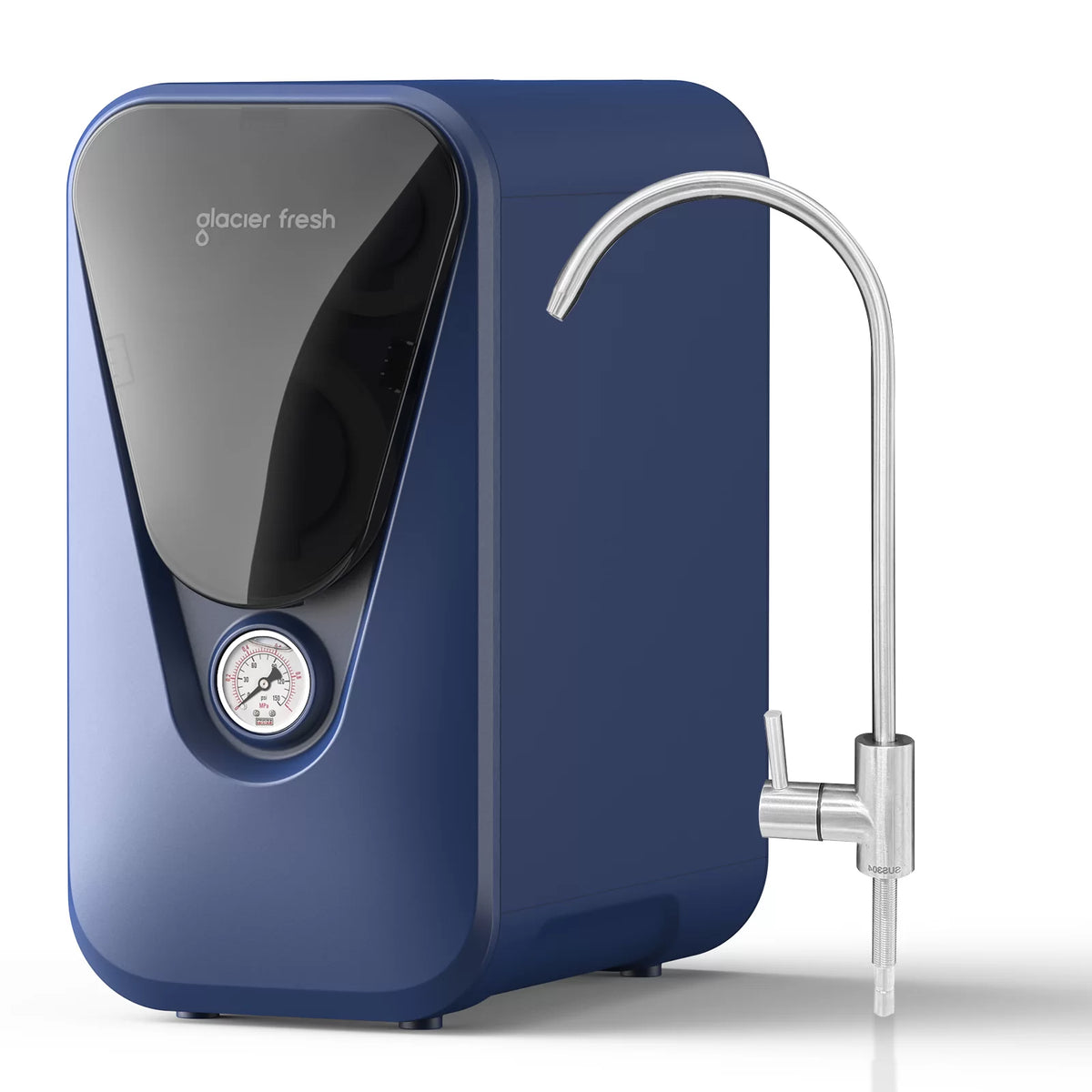
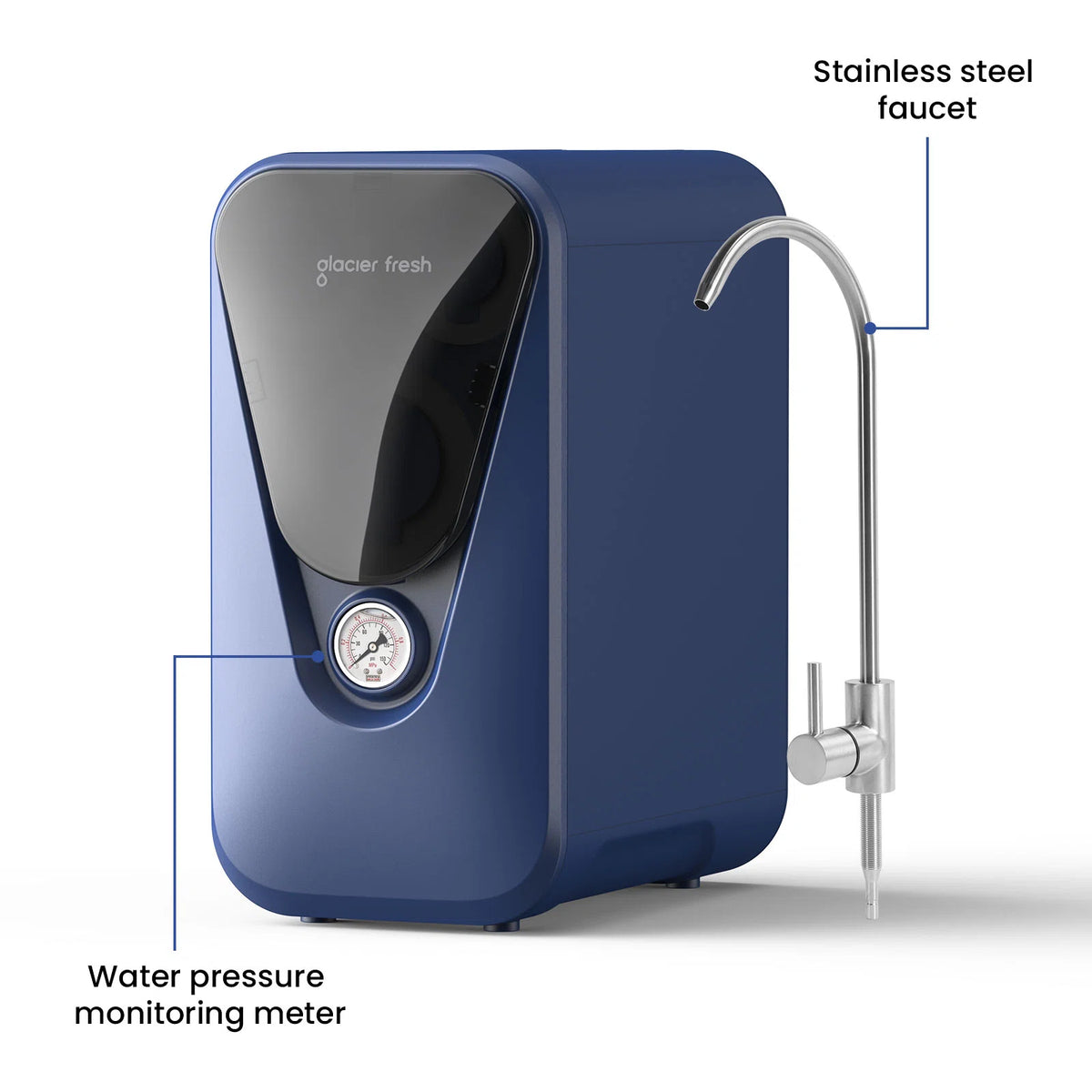
If the water quality not good, for the sake of your family's and your own health, we recommend using a water purifier at home. The GlacierFresh U03 Undersink Reverse Osmosis System will ensure the safety of your drinking water.

Features and Highlights of the U03:
• NSF 42, 53, 58, 401, 372 certified
• No Electricity Required
• Tankinside Design for More Space
• Easy to Install and Maintain
• Applicable Water Source: Municipal water
Conclusion
Proper hydration isn't just about passively consuming water — it's a conscious daily habit that boosts metabolic efficiency, enhances mental clarity, and improves athletic performance. At the same time, we need to pay attention to the quality of the water we drink to ensure that every glass is free of contamination.
FAQs
Q1: Signs You Don't Drink Enough Water
Typical symptoms of dehydration include a dry mouth, chapped lips, dark-colored urine, and unexplained fatigue.
Q2: What Counts as Water?
Usually, Tea, Coffee and fruits with high water content can all help hydrate the body. A standard 200 mL cup of brewed coffee contributes approximately 150 mL of net hydration to your daily total.
Q3: What fruits help you stay hydrated?
- Watermelon: Water content is approximately 91%–92%.
- Strawberries: Water content is approximately 91%.
- Cantaloupe: Water content is approximately 90%. Not only does it hydrate, but it also provides a rich source of vitamin A and potassium, which help maintain electrolyte balance.