
Table of Contents:
The importance of clean water for health
Common chronic illnesses linked to water quality
Benefits of water filtration for managing chronic illness
Choosing the right water filtration system for chronic illness
Home filtration effectiveness checklist
Limitations and safety considerations
Personal stories and case studies
Practical tips for incorporating clean water into daily life
FAQs
Conclusion
The importance of clean water for health
 Clean water supports cellular hydration, nutrient transport, waste removal, mucosal barrier integrity, and temperature regulation. For people with chronic illness, these functions may already be affected by inflammation, medication side effects, immune suppression, gastrointestinal sensitivity, kidney stress, or neurological symptoms. This is why water quality should be treated as a health-supporting variable, not merely a taste preference.
The importance of water filtration becomes clearest when a specific contaminant is tied to a health concern. A household facing lead risk should look for lead-reduction certification, while a home near agricultural runoff may need nitrate-focused treatment such as reverse osmosis. Clean water is especially important for drinking, cooking, making tea or coffee, preparing oral rehydration fluids, and taking daily supplements or medications.
Common chronic illnesses linked to water quality
Water contaminants do not cause every chronic illness, and many chronic conditions have genetic, immune, metabolic, infectious, or environmental causes. Still, contaminated water can worsen symptom burden or add avoidable exposure risks for people who are already vulnerable.
- Gastrointestinal issues: bacteria, parasites, high chlorine byproducts, and some metals may aggravate diarrhea, nausea, abdominal pain, or IBS/IBD flare sensitivity in susceptible individuals. For gastrointestinal conditions such as irritable bowel syndrome (IBS) and inflammatory bowel disease (IBD), a tested household plan can make Water filtration systems easier to compare, from activated carbon filters to an under-sink system sized for daily cooking and drinking.
- Kidney disease and metabolic disorders: excess minerals, sodium, nitrates, heavy metals, and certain industrial chemicals may require closer monitoring, especially when fluid and electrolyte intake is medically managed.
- Neurological and developmental concerns: lead, mercury, manganese, and some solvents are priority contaminants because long-term exposure may affect cognition, development, and nervous-system function.
- Immune-compromised health status: people receiving chemotherapy, transplant medications, high-dose steroids, or other immune-suppressing therapies may need special attention to microbial safety and emergency water advisories.
- Skin and inflammatory conditions: chlorine, chloramine, hard water minerals, and certain metals may irritate sensitive skin, although whole-house treatment may be needed when exposure occurs through bathing as well as drinking.
Benefits of water filtration for managing chronic illness

A well-matched filtration system reduces selected contaminants before water is consumed, cooked with, or used for beverages. The benefits of drinking filtered water are strongest when the system is certified for the actual contaminants present and maintained on schedule. For chronic illness management, the goal is not to make exaggerated medical claims; it is to remove avoidable water-quality stressors that may interfere with daily health routines.
- Reduced toxic exposure: certified filters can target health-related contaminants such as lead, cysts, VOCs, PFAS, arsenic, nitrates, or disinfection byproducts, depending on technology and certification.
- Improved palatability and consistency: better taste and odor can encourage steady hydration, which matters when fatigue, nausea, medication schedules, or digestive symptoms make drinking enough water difficult.
- Support for cooking and nutrient intake: filtered water used in soups, grains, tea, coffee, and oral rehydration routines can reduce contaminant transfer into daily meals.
- Lower uncertainty during symptom tracking: when water quality is stable and tested, patients and caregivers can more confidently evaluate diet, medication, sleep, and environmental triggers.
Choosing the right water filtration system for chronic illness
Choosing a filter should begin with evidence, not marketing. Start with a municipal water quality report, certified lab testing, or well-water testing, then choose a filtration technology whose certified reduction claims match the contaminants detected. The advantages of water filters depend on this match, plus flow rate, replacement cost, and whether the household can maintain the system consistently.
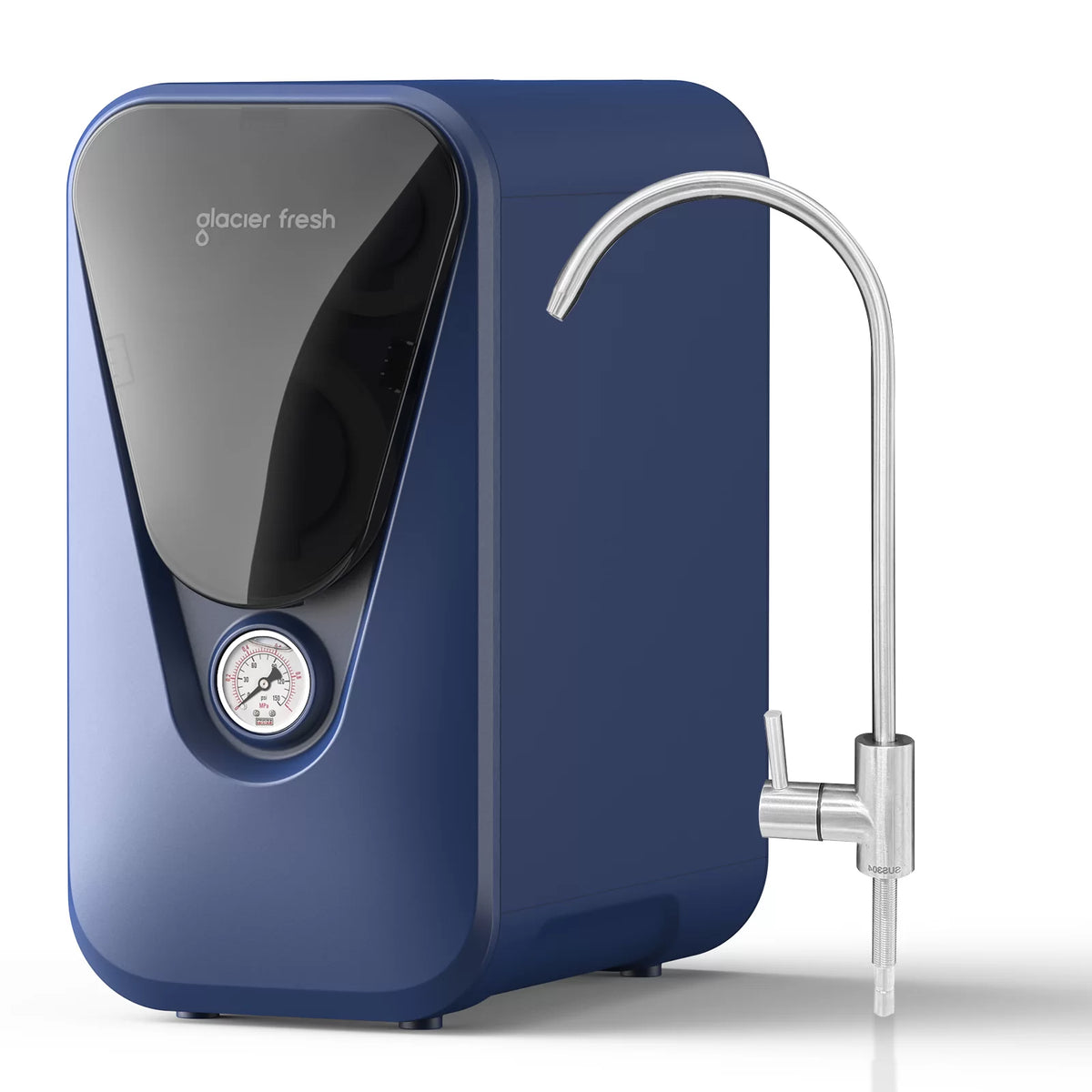
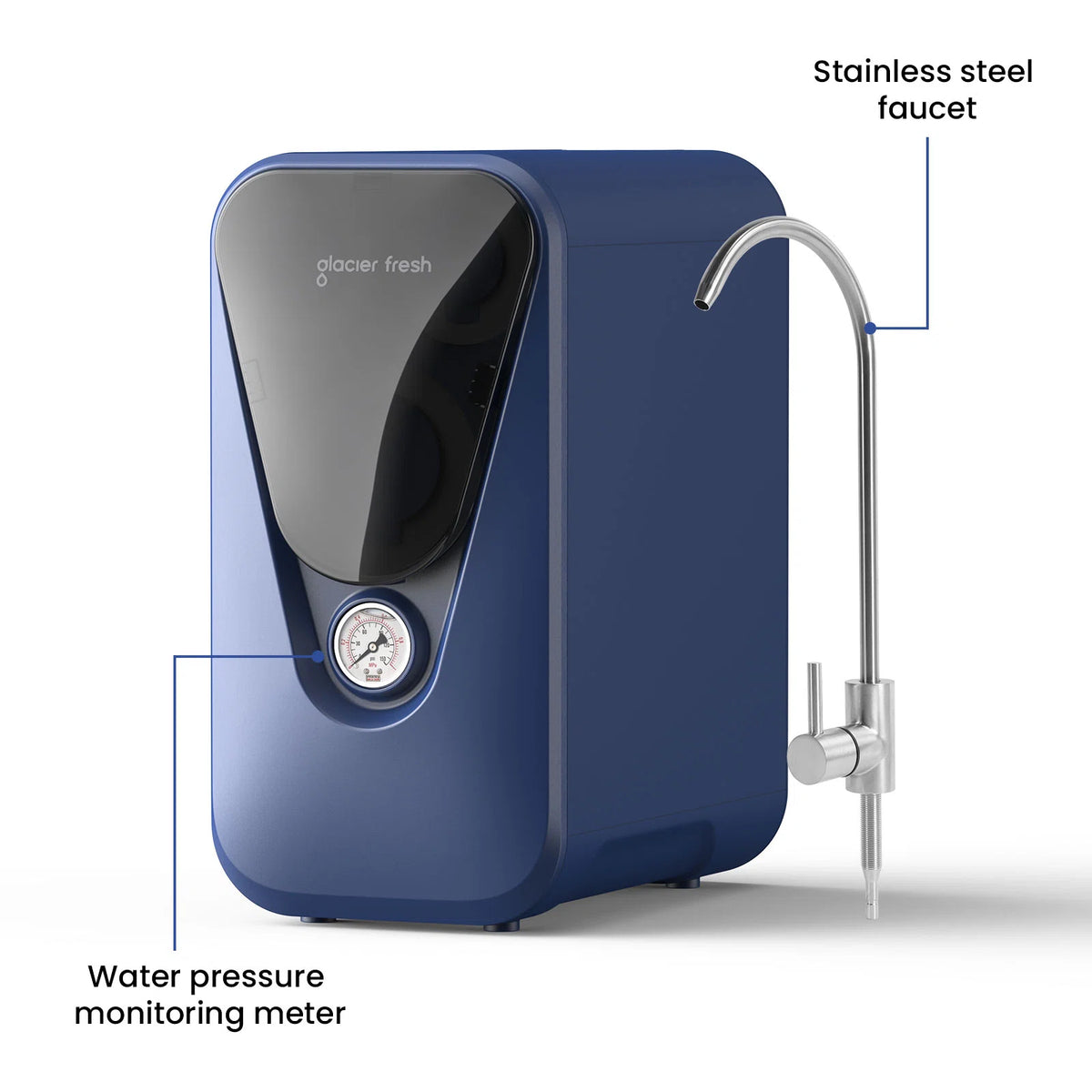
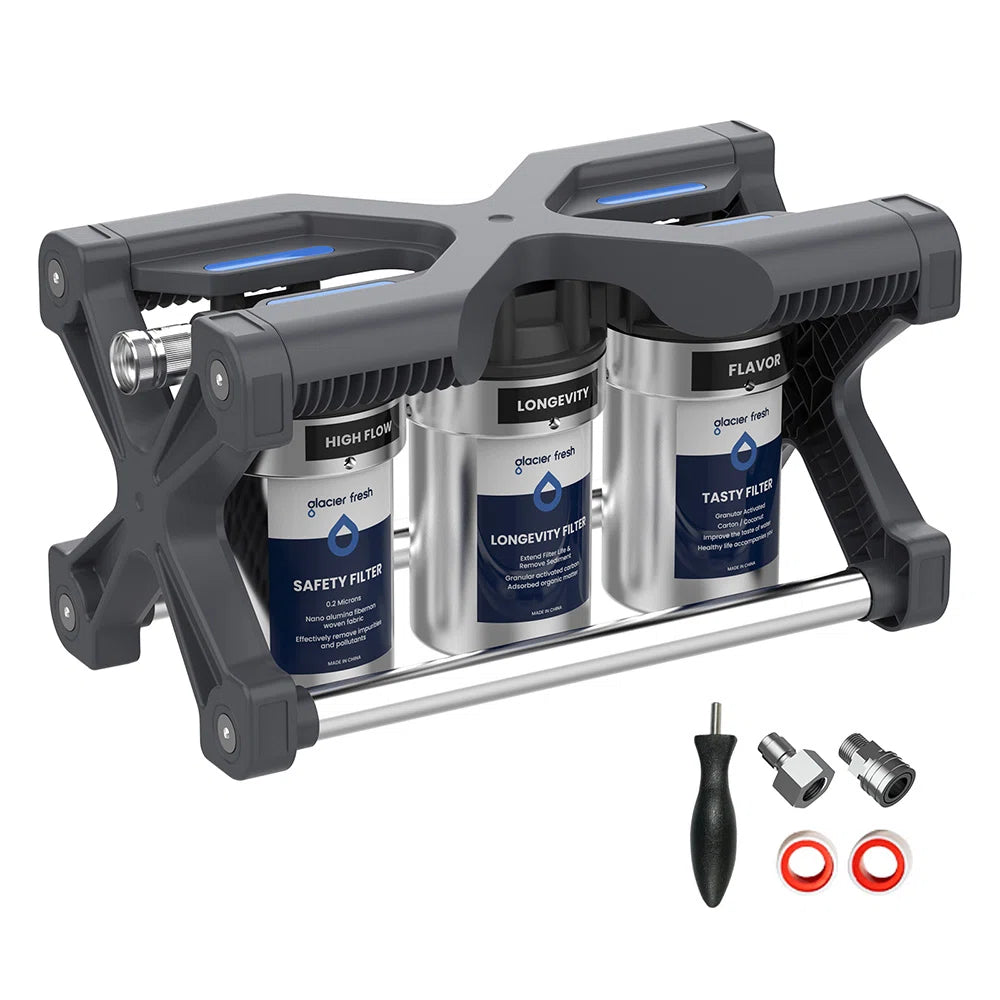
Options such as activated carbon filters, ultrafiltration, UV treatment, and Reverse osmosis system designs each have strengths and limits. For example, carbon can improve taste and reduce many organic compounds, while reverse osmosis is often selected for dissolved solids, heavy metals, nitrates, fluoride, and some PFAS concerns. An under-sink system may be easier for daily drinking and cooking than a pitcher if a household uses larger volumes.
Decision framework: match health need, contaminant profile, and filter type
| Health context | Priority contaminant profile | Filtration approach | Main limitation | Maintenance / cost note |
| Digestive sensitivity or immune suppression | Microbes, cysts, sediment, chlorine byproducts | Certified micro/ultrafiltration, UV where microbial risk is verified | Not all filters remove viruses or dissolved chemicals | Frequent cartridge changes; consider lab confirmation for wells |
| Kidney or metabolic concerns | Nitrates, arsenic, heavy metals, high TDS, sodium | Reverse osmosis with appropriate pre-filtration | May reduce minerals; medical guidance may be needed for electrolyte plans | Higher upfront cost; membrane and pre-filter schedule matters |
| Neurological/developmental concern | Lead, mercury, manganese, solvents | Certified lead/heavy-metal reduction; RO for broader dissolved contaminants | Performance depends on certification and contact time | Test after installation and after major plumbing changes |
| Taste/odor and daily hydration barriers | Chlorine, chloramine, VOCs, odor compounds | Activated carbon, multi-stage countertop or under-sink filtration | May not handle nitrates, fluoride, salts, or all PFAS | Lower cost; replace before taste returns |
Regional contaminant risk matrix
Regional patterns should guide the first round of testing. A household on a private well, in an older building, or near agriculture or industry may need a different plan than a home supplied by a large municipal system.
| Common setting | Likely concern | Health relevance | Useful filtration response |
| Older homes or legacy plumbing | Lead, copper, sediment | Developmental, neurological, kidney, and cardiovascular concerns | Lead-certified filter or RO; flush lines; retest after repairs |
| Agricultural regions and private wells | Nitrates, pesticides, microbes | Infant, pregnancy, kidney, and digestive risks | Lab test first; RO for nitrates; UV or certified treatment for microbes |
| Industrial or firefighting-foam impact zones | PFAS, solvents, VOCs | Potential liver, immune, endocrine, and developmental concerns | PFAS/VOC-certified carbon or RO; monitor replacement intervals closely |
| Hard-water areas | Calcium, magnesium, scale, taste issues | Skin irritation, appliance scale, hydration reluctance in some users | Softening for scale; drinking-water filtration for specific contaminants |
Home filtration effectiveness checklist
Before relying on a filter for chronic-illness support, evaluate the system in a practical, repeatable way. A good plan should be simple enough for the household to follow even during flare-ups, fatigue, or caregiving pressure.
- Test the source water first: use a municipal Consumer Confidence Report, certified lab test, or well-water panel.
- Match certification to the contaminant: look for relevant NSF/ANSI claims, such as lead, cyst, VOC, PFAS, or RO performance standards.
- Check flow rate and daily capacity: a slow system may lead people back to unfiltered water.
- Track filter life: mark replacement dates, gallons used, and any taste, odor, or flow changes.
- Retest after installation: confirm that the system is working, especially for wells, lead concerns, or immune-compromised households.
- Plan emergency backup: keep bottled water, boil-water instructions, or a certified portable system available during advisories.
Limitations and safety considerations
No single home filter removes every possible hazard. Carbon filters may improve taste and reduce many organic contaminants but may not reliably remove nitrates, dissolved salts, fluoride, or all metals unless specifically certified. UV systems can inactivate many microbes but do not remove chemicals or sediment. Reverse osmosis can reduce many dissolved contaminants but requires membrane maintenance and may waste some water depending on design.
For chronic illness, filtration should be paired with testing, medical guidance when fluid intake is restricted, and local public-health instructions during contamination events. During a boil-water advisory, a filter alone may not be enough unless the system is certified and maintained for the specific microbial risk.
Personal stories and case studies
Real-life experiences often illuminate the connection between water filtration and managing chronic illness. Your understanding intensifies when you hear personal experiences and witness the health transformations that clean water can bring about. Let's look at some of these stories:
- Consider John, a long-time sufferer of digestive issues. He switched to filtered water and noticed a significant reduction in his symptoms. His story is a testament to the impact of clean water on personal health.
- Next, take the case of Lisa, who battled skin conditions for years. Her skin showed marked improvement when she started using filtered water for her daily needs.
- A community in rural Africa saw a dramatic decrease in water-borne illnesses after implementing a water filtration system. The community impacts were significant, highlighting the importance of clean water.
- Lastly, a study of arthritis patients revealed that those who switched to filtered water reported less joint inflammation and pain.
These experiences underscore the power of clean water in managing chronic illness. It's not just about hydration; it's about health transformation and longevity.
Practical tips for incorporating clean water into daily life
Incorporating clean water into daily life does not have to be complicated. The most useful system is one that people will actually use every day, whether it is a countertop filter, an under-sink unit, or a whole-house setup for broader exposure concerns.
- Keep filtered water visible and easy to refill so hydration does not depend on extra steps.
- Use filtered water for cooking, tea, coffee, soups, and oral rehydration drinks when symptoms reduce appetite or fluid intake.
- Create a replacement calendar for cartridges, membranes, and UV lamps; do not wait for bad taste to appear.
- If symptoms suddenly change, check recent water advisories, construction work, filter age, and source-water changes before assuming the filter is performing normally.
A simple planning formula can help households estimate daily filtered-water needs: filtered water target = drinking water + cooking water + medication/supplement water + emergency reserve. For many homes, that means planning beyond glasses of water alone and sizing the system for real daily use.
FAQs
Why is clean water important for overall health?
Clean water supports hydration, digestion, nutrient transport, kidney function, and temperature regulation. It also reduces exposure to contaminants that can place extra stress on people managing chronic illness.
What are the main health benefits of cleaner drinking water?
The main benefits are lower exposure to selected contaminants, better taste and odor, more consistent hydration, and more confidence when using water for cooking, beverages, and medication routines.
How does filtered water compare to tap water in terms of safety?
Tap water may already meet legal standards, but filtered water can add targeted protection when testing shows lead, PFAS, nitrates, microbes, chlorine byproducts, or other concerns. Safety depends on the filter’s certification, installation, and maintenance.
What are the common symptoms and health risks associated with polluted drinking water?
Possible symptoms include diarrhea, nausea, vomiting, stomach cramps, fever, skin irritation, fatigue, and dehydration. Longer-term risks depend on the contaminant and may involve the kidneys, nervous system, immune function, liver, development, or pregnancy-related concerns.
How often should I test filtered water, and what are emergency filtration solutions during contamination episodes?
For municipal water, review the annual report and retest after plumbing changes, filter installation, unusual taste or odor, or a local advisory. For private wells, test at least annually and after flooding, repairs, or land-use changes. During an emergency, follow official boil-water or do-not-use guidance, keep sealed bottled water available, and use only filters certified for the specific contaminant risk.
Conclusion
Clean water is a practical part of chronic-illness support because it reduces avoidable exposure, encourages steadier hydration, and makes cooking and daily routines more predictable. The best approach is to test first, choose a certified system for the contaminants found, maintain it on schedule, and follow medical or public-health guidance when risks are higher. Glacier Fresh can be one reference point when comparing filter types, replacement routines, and household fit, but the final choice should always reflect your actual water test results and daily needs.
Related Reading
- Lead Removal Water Filters
- PFAS In Your Tap Water
- Reverse Osmosis, Nanofiber & Ultrafiltration: Which One Is Right for You?