
Table of Contents:
Smart Water Filtration Trends Americans Are Following in 2026
Why More Americans Are Investing in Smarter Water Filtration
What Are the Best Water Purification Systems Available Today?
Can I Get a Water Dispenser That Provides Hot, Cold, and Filtered Water All in One?
What Should I Consider When Choosing a UV Water Dispenser for My Family?
FAQs
Conclusion
Americans are paying closer attention to water quality as concerns about PFAS, aging pipes, chlorine byproducts, and microplastics continue growing across the country. 97 million Americans have contaminants in their drinking water linked to unregulated chemicals and industrial pollution. At the same time, households want filtration systems that fit naturally into daily life without complicated installation or constant maintenance.
That shift is driving demand for smart water filtration systems, connected dispensers, compact countertop filters, and modern reverse osmosis setups designed around convenience, cleaner-tasting water, and long-term usability.
Smart Water Filtration Trends Americans Are Following in 2026

Smart Filter Monitoring Is Becoming Standard
Filtration has moved away from handwritten replacement dates and rough usage estimates that households often forget. Today’s smart water filtration system designs are built around convenience, using indicator lights, digital lifespan tracking, and app-connected reminders to monitor performance without relying on memory.
Consumers especially want systems that track filter lifespan, monitor water usage, alert them when replacement is needed, and reduce filter waste. This reflects a broader shift: filtration is becoming part of a connected kitchen ecosystem alongside coffee makers, refrigerators, and air purifiers.
PFAS Removal Is Now a Major Buying Factor
PFAS contamination has become one of the biggest drivers behind filtration purchases in the U.S., with research from the Environmental Working Group (EWG) raising public awareness. Often called “forever chemicals,” these compounds are linked to industrial manufacturing and firefighting foam, and the EPA has introduced stricter drinking water standards for several of them.
As a result, households now search for systems that reduce PFAS, heavy metals, fluoride, chlorine byproducts, and industrial contaminants. Reverse osmosis and nanofiltration are growing fast because they target a broader range of contaminants than basic carbon filtration.
Countertop Systems Are Replacing Bulky Installations
Under-sink installations still matter for whole-home strategies, but renters, apartment residents, RV owners, and younger households increasingly prioritize portability and simple setup. Many want systems that require little or no plumbing, fit smaller kitchens, work in rentals, and operate without electricity.
Countertop filtration systems show how products are adapting to smaller spaces and mobile lifestyles, offering reliable filtration during power outages or off-grid travel. Compact dispensers suit apartments, offices, dorms, and RVs where under-sink setups aren’t practical. As urban kitchen space shrinks, a smaller footprint matters.
Water Filtration Is Becoming Part of the Smart Kitchen
Water quality is no longer just a health concern. It’s tied to cooking, hydration, and coffee preparation. Coffee enthusiasts increasingly notice how chlorine, heavy minerals, and chemical residues affect extraction and bitterness, which is why the coffee maker water filter category is growing quickly. Many households now want filtration that improves flavor while retaining beneficial minerals.
Why More Americans Are Investing in Smarter Water Filtration
Growing Concern About Contaminants
More households are paying attention to contaminants linked to aging infrastructure, PFAS, microplastics, chlorine byproducts, and industrial pollution. The American Society of Civil Engineers continues to warn about aging U.S. water systems, while research from Harvard Medical School has increased public discussion around microplastic exposure. For many families, filtration is becoming part of everyday wellness rather than an optional kitchen upgrade.
Convenience Matters More Than Ever
Consumers want filtration systems that fit naturally into busy routines. Fast dispensing, compact designs, quieter operation, and tool-free installation are now major buying factors, especially in apartments and smaller kitchens. Convenience has become one of the defining features of the modern smart water filtration system market.
Americans Are Trying To Reduce Bottled Water Use
Environmental concerns and long-term costs are pushing more households away from bottled water. According to the UN Environment Program, plastic pollution remains a growing environmental issue worldwide. Reusable home filtration systems offer a more practical long-term alternative while helping reduce everyday plastic waste.
What Are the Best Water Purification Systems Available Today?

Reverse Osmosis Systems
Best for:
-
PFAS reduction
-
Heavy metals
-
Fluoride
-
High contaminant reduction
-
Long-term home filtration
Reverse osmosis remains one of the most effective residential filtration methods available today. RO systems force water through a semipermeable membrane capable of reducing many dissolved contaminants.
Modern RO systems are also becoming more compact and easier to install than earlier generations.
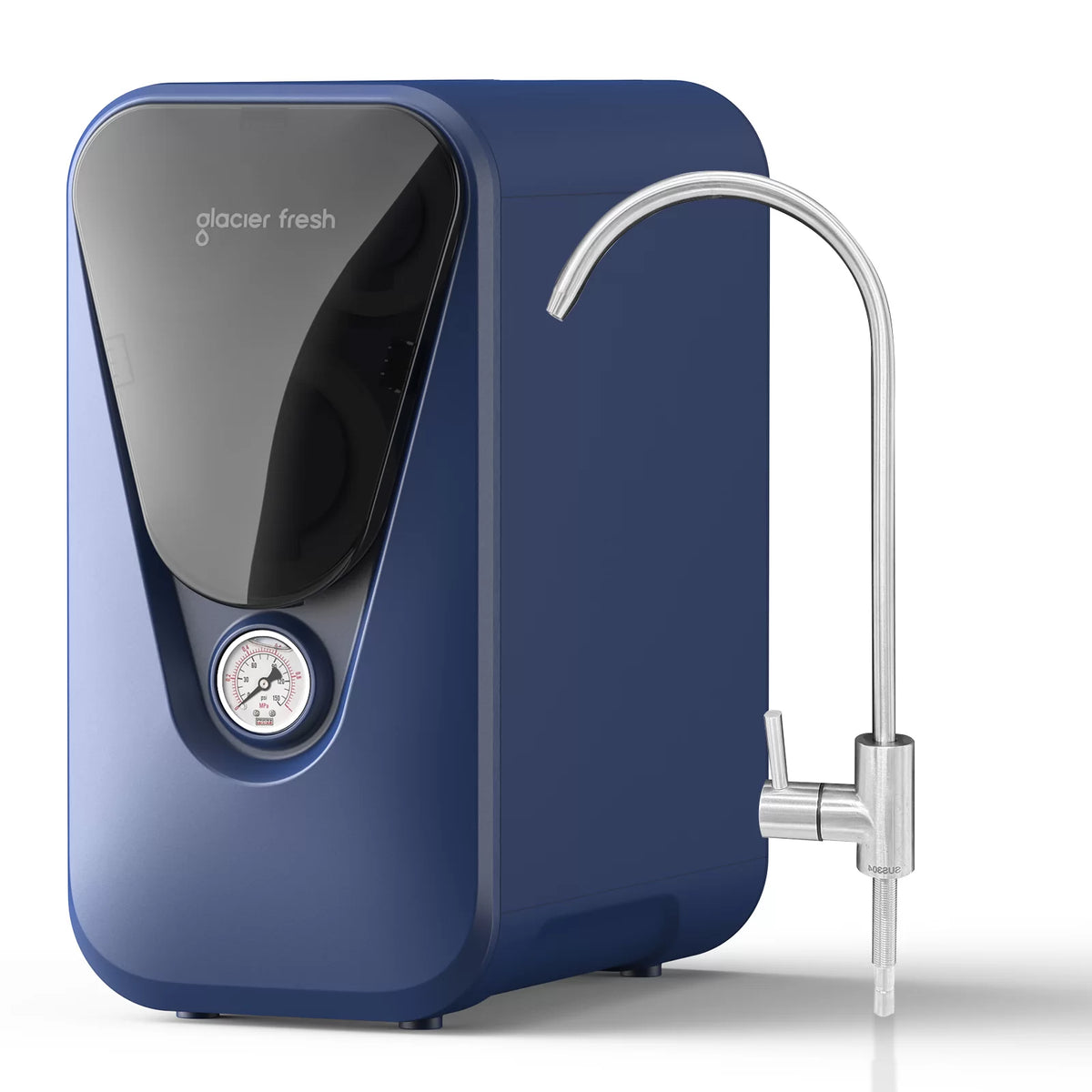
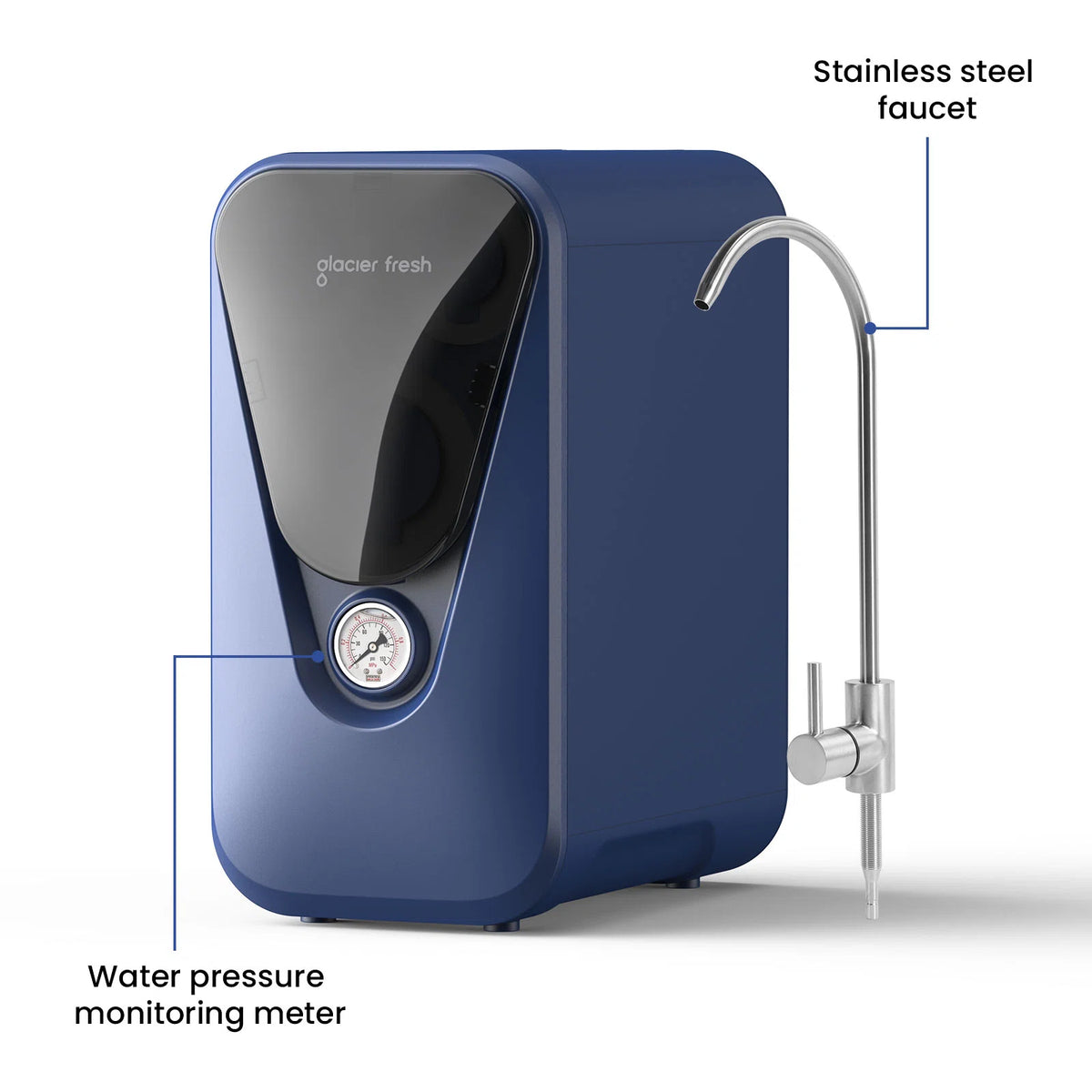
The GlacierFresh U03 under-sink reverse osmosis system is designed for households that want strong filtration performance without overly complicated installation requirements. Non-electric RO setups are particularly attractive to families seeking lower maintenance and energy-efficient operation.
Under-sink systems work especially well for larger households with higher daily water usage.
Nanofiltration Countertop Dispensers
Best for:
-
Apartments
-
Offices
-
Fast chilled water
-
Compact kitchens
-
Mineral retention
Nanofiltration systems are gaining popularity because they balance contaminant reduction with mineral retention more effectively than some aggressive filtration approaches.
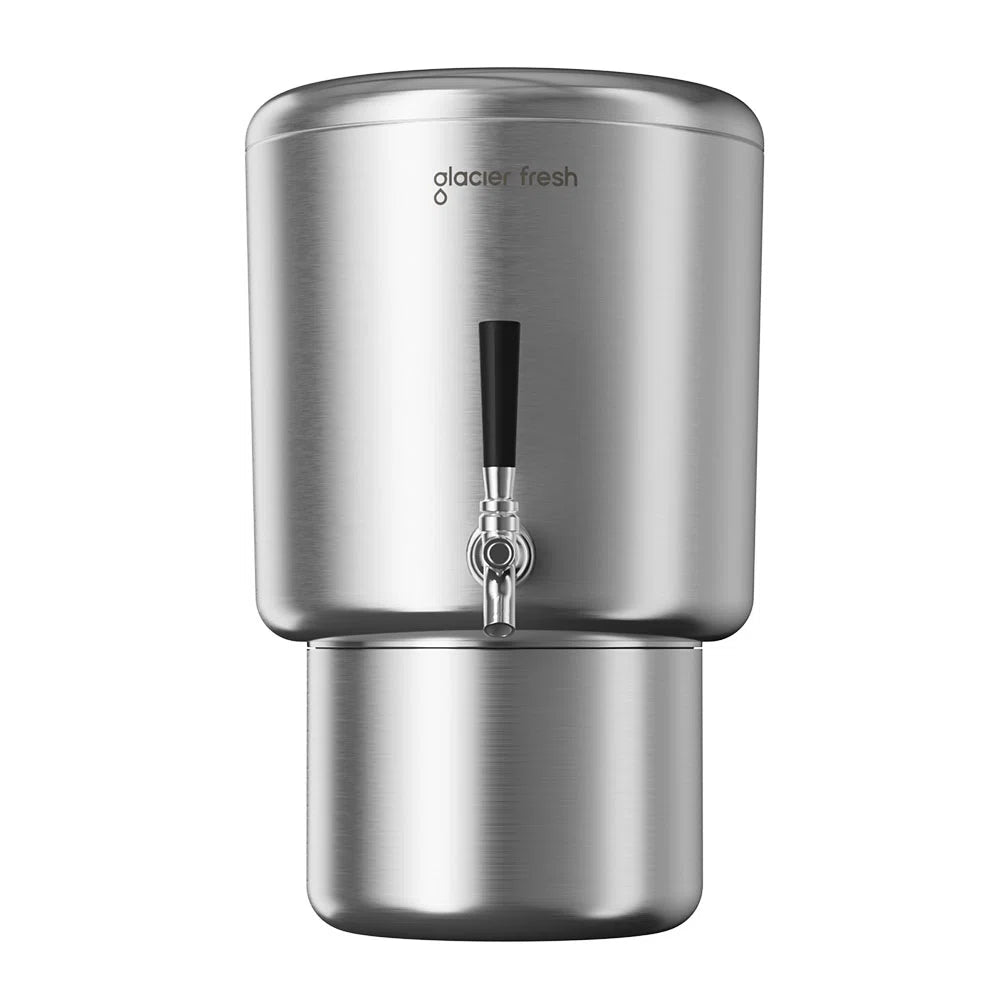
The GlacierFresh Coolon cold water dispenser uses nanofiber membrane technology to provide chilled filtered water in a compact countertop format. Systems like this appeal to consumers who want immediate filtered drinking water without extensive plumbing modifications.
Countertop dispensers are becoming increasingly common in:
-
Family kitchens
-
Shared offices
-
Dorm rooms
-
Rental apartments
-
RVs
The ability to combine filtration, temperature control, and compact design in one appliance reflects the broader evolution of smart water filtration technology.
Gravity-Fed Filtration Systems

Best for:
-
Emergency preparedness
-
Off-grid living
-
RV travel
-
Power outages
-
Portable filtration
Gravity-fed systems remain highly relevant despite the rise of connected smart devices.
Many households appreciate the reliability of systems that work without electricity or plumbing. During emergencies or severe weather events, gravity-fed filtration can provide a practical backup source of filtered drinking water.
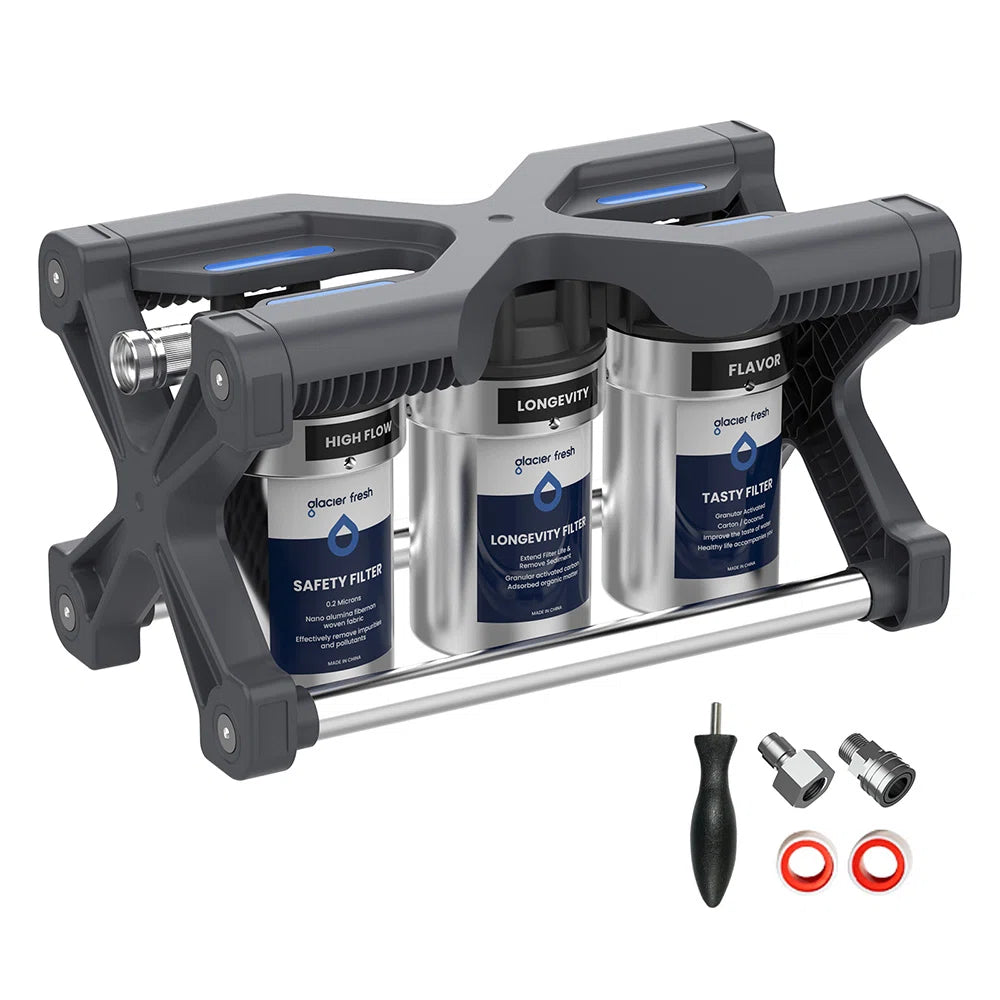
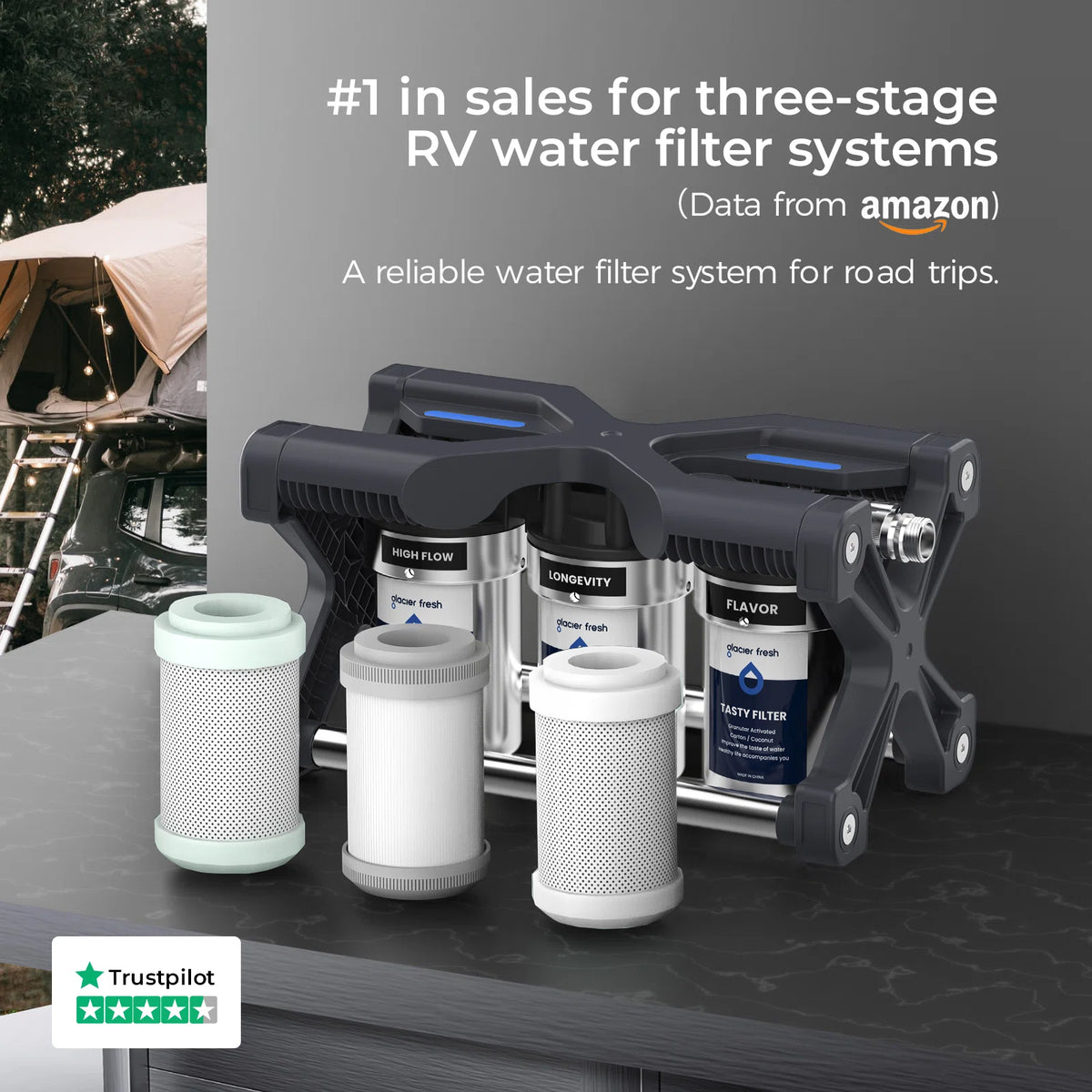
The GlacierFresh PC04 gravity-fed countertop system is designed for portability and ease of use, making it useful for cabins, RV travel, camping setups, and backup home preparedness.
For families interested in resilience and self-sufficiency, gravity-fed systems still play an important role.
Glass Water Filter Pitchers
Best for:
-
Daily drinking water
-
Refrigerator storage
-
Coffee preparation
-
Tea brewing
-
Smaller households
The Purela P04 glass pitcher is especially well-suited for households focused on coffee and tea preparation because it helps reduce chlorine while retaining minerals that support flavor balance.
Many consumers also prefer glass pitchers because they reduce exposure to additional plastics in the kitchen.
For households searching for a reliable coffee maker water filter solution, mineral-retaining pitchers can provide a noticeable improvement in flavor consistency.
Can I Get a Water Dispenser That Provides Hot, Cold, and Filtered Water All in One?

Modern households increasingly want systems that combine filtration, hot and cold dispensing, compact countertop design, touch controls, and smart maintenance reminders. These systems are especially popular in apartments, offices, family kitchens, dorms, and shared workspaces.
Instead of maintaining separate appliances for filtered, chilled, and hot water, many consumers now prefer consolidated countertop solutions that reflect the broader movement toward efficient kitchen organization and smaller footprints.
Families appreciate immediate access to filtered hot or cold water throughout the day, simplifying hydration, tea, cooking, and coffee brewing without relying on multiple devices. As connected home appliances evolve, these dispensers will likely become even more common in North American kitchens.
What Should I Consider When Choosing a UV Water Dispenser for My Family?
UV Treatment vs Filtration
UV treatment and filtration serve different purposes. UV systems primarily target microorganisms like bacteria and viruses by disrupting their DNA, while filtration removes particles, chemicals, sediment, chlorine, PFAS, and heavy metals. In short, UV disinfects and filters remove contaminants. Many consumers assume UV alone solves all water quality concerns, but it works best when combined with effective filtration.
Important Features Families Should Look For
When choosing a UV water dispenser or filtration system, households should evaluate:
-
NSF/ANSI certifications
-
Filter replacement alerts
-
PFAS reduction capability
-
Child-safe hot water controls
-
Easy maintenance access
-
Water storage capacity
-
Noise levels
-
Installation requirements.
Filter replacement reminders matter more as households adopt connected appliances, since a system that simplifies maintenance is more likely to perform consistently over time.
Why Many Households Combine UV With Filtration
Layered protection is becoming more common in residential filtration, with many systems combining sediment filtration, carbon filtration, reverse osmosis or nanofiltration, and UV disinfection. This multi-stage approach addresses both microbial risks and chemical contamination. RO and nanofiltration are often paired with UV because they target different contaminant categories, creating broader protection. For families evaluating a new smart water filtration system, understanding how these technologies work together is increasingly important.
FAQs
Do smart water filters really work?
Yes. Smart water filters use the same core filtration technologies as traditional systems but add features like filter tracking, maintenance reminders, and usage monitoring to improve long-term performance and convenience.
What contaminants can reverse osmosis remove?
Reverse osmosis systems can help reduce PFAS, lead, fluoride, dissolved solids, and many heavy metals depending on system design and certification.
Is a countertop water filter better than a pitcher?
It depends on your needs. Countertop systems often provide faster filtration and higher capacity, while pitchers are compact and convenient for smaller households.
What is the difference between UV purification and water filtration?
UV purification targets microorganisms such as bacteria and viruses. Filtration systems remove particles, chemicals, sediment, and contaminants like chlorine or PFAS.
Why does filtered water improve coffee taste?
Filtered water can reduce chlorine and unwanted chemical flavors that affect extraction and bitterness. Mineral-balanced water also helps support more consistent coffee flavor.
Conclusion
Households are expecting more from their filtration systems than simple taste improvement. Concerns about PFAS, bottled water waste, maintenance convenience, and kitchen space are pushing more consumers toward connected dispensers, reverse osmosis systems, countertop filtration, and mineral-retaining pitchers.
As these technologies continue evolving, smart water filtration is becoming part of everyday home wellness, especially for families looking for cleaner water without complicated installation or maintenance.
References
-
American Society of Civil Engineers (ASCE). Drinking Water Infrastructure. https://infrastructurereportcard.org/cat-item/drinking-water-infrastructure/
-
Harvard Medical School. Microplastics Everywhere. https://magazine.hms.harvard.edu/articles/microplastics-everywhere
-
United Nations Environment Programme (UNEP). Plastic Pollution. https://www.unep.org/plastic-pollution
-
Silent Spring Institute. Over 97 Million U.S. Residents Exposed to Unregulated Contaminants in Their Drinking Water. https://silentspring.org/news/over-97-million-us-residents-exposed-unregulated-contaminants-their-drinking-water
-
Environmental Working Group (EWG). Mapping the PFAS Contamination Crisis: New Data Show 9,728 Sites With PFAS in 50 States, the District of Columbia and Four Territories. https://www.ewg.org/interactive-maps/pfas_contamination/
-
Water Quality Association. Ultraviolet (UV) Light Fact Sheet. https://wqa.org/resources/ultraviolet-uv-light/