
Table of Contents:
What is water quality?
Why does water quality matter?
How does water quality affect your food and drinking taste?
Common causes of poor water quality
Health risks of poor water quality
How to improve the quality of your drinking water?
Choosing a filter for home, RV, or camping use
FAQs
Conclusion
What is water quality?

Water quality describes the physical, chemical, and biological condition of water and whether it is suitable for drinking, cooking, washing produce, brewing beverages, or irrigation. A practical standard of water quality looks beyond clarity: it checks taste, odor, pH, hardness, total dissolved solids, disinfectant levels, and contaminants such as lead, pesticides, bacteria, and industrial chemicals.
For everyday use, the most important characteristics of drinking water are safety, consistency, neutral taste, low odor, and compatibility with food preparation. Even water that meets basic municipal requirements can still carry minerals or treatment byproducts that change how recipes taste.
Why does water quality matter?
Water is often treated as a background ingredient, but it can influence nearly every meal. In coffee, tea, pasta, rice, soup, ice, sourdough, and steamed vegetables, the water becomes part of the final flavor. A reliable standard of water quality helps households reduce off-tastes, protect appliances, and keep drinking water safer over time.
- Taste enhancement: Clean, neutral water allows ingredients to taste brighter and more balanced. Poor water quality may add unwanted chlorine, metallic, earthy, or sulfur-like notes.
- Cooking and baking results: Hard water can tighten dough, affect yeast activity, and leave mineral notes in sauces or broths. Heavily chlorinated water may make tea, coffee, and delicate soups taste flat.
- Health and safety: Water used for washing produce, making ice, or cooking grains should not introduce microbes, heavy metals, or chemical residues. This is where contaminated water and food becomes a real kitchen concern.
- Health conditions and taste perception: Allergies, sinus infections, dry mouth, medication use, oral health issues, and some viral infections can change smell and taste sensitivity, making certain waters seem stronger, bitter, or metallic.
How does water quality affect your food and drinking taste?

Water quality affects taste through smell, dissolved minerals, pH, disinfectants, and trace contaminants. Because smell contributes heavily to flavor perception, even a low odor can make a glass of water or a cup of tea feel unpleasant. Water professionals may use a threshold odor number to describe how much dilution is needed before an odor is no longer noticeable.
Filtration gives food and drinks a cleaner starting point. By reducing sediment, chlorine taste, certain metals, and organic compounds, a suitable filter helps create more palatable water without masking the natural flavor of ingredients. Water with high impurities can also dull the sensitivity of your taste buds, especially when the odor or chemical taste is strong.
Taste and cooking impact of common water issues
| Water issue | Typical taste or odor | Food and drink impact | Practical response |
|---|---|---|---|
| Chlorine / chloramine | Bleach, pool-like | Flattens tea, coffee, soup, and delicate sauces | Use activated carbon or RO; flush filters after installation |
| Hard minerals | Chalky or bitter | Can affect dough texture, coffee extraction, kettle scale | Use softening, RO, or targeted filtration when hardness is high |
| Iron / manganese | Metallic, rusty | May discolor ice, rice, pasta water, and light broths | Test water and choose a filter rated for metals |
| Sulfur compounds | Rotten egg odor | Can make plain water and cooked vegetables unpleasant | Test the source; consider carbon, oxidation, or professional treatment |
| Microbial contamination | May have no obvious taste | Raises food safety risk when washing produce or making ice | Boil or disinfect first; use a system rated for microbes |
Common causes of poor water quality

Poor water quality can come from treatment chemicals, aging pipes, agricultural runoff, industrial activity, storage tanks, well conditions, or temporary changes after storms and repairs. The source matters: municipal tap water, well water, campground hookups, bottled water, and RV tanks can all taste different because each carries a different mineral profile and treatment history.
- Industrial pollution may introduce solvents, heavy metals, or chemical residues that require targeted testing and filtration.
- Agricultural runoff may carry fertilizers, pesticides, and microbes into groundwater, wells, lakes, or rivers.
- Aging pipes and plumbing fixtures may add lead, copper, rust, sediment, or stale-water flavors.
- Stored or off-grid water may develop microbial risk if tanks, hoses, or containers are not cleaned and sealed properly.
Health risks of poor water quality

Water can look clear and still carry substances that affect health. Microbes may cause gastrointestinal illness, while long-term exposure to lead, arsenic, or certain industrial chemicals can create broader health concerns. Children, older adults, pregnant people, and those with weakened immune systems need extra caution when water quality is uncertain.
Filtered water supports safer hydration, but it is not a substitute for source testing. If a water supply is known or suspected to have microbial contamination, boil or disinfect it according to local guidance before relying on taste, odor, or a basic filter.
How to improve the quality of your drinking water?

Start with testing, then choose treatment based on the actual problem. A carbon filter may be enough for taste and odor, while reverse osmosis may be more suitable for dissolved solids, metals, PFAS reduction claims, or broader contaminant control when the system is certified for those targets.
- Test the water source: Check pH, hardness, chlorine, total dissolved solids, lead risk, and any local contaminants of concern.
- Match filtration to the problem: Sediment filters protect plumbing, carbon improves taste and odor, ultrafiltration can reduce fine particles and some microbes, and RO can reduce many dissolved contaminants.
- Flush new filters: Run the recommended amount of water through the filter before drinking to remove carbon dust and installation residue.
- Prevent leaks and pressure drops: Use food-grade hoses, hand-tighten fittings first, inspect washers, avoid cross-threading, and check water pressure before and after installation.
- Maintain the system: Replace filters based on water quality, usage volume, and manufacturer guidance rather than waiting for bad taste.
Choosing a filter for home, RV, or camping use
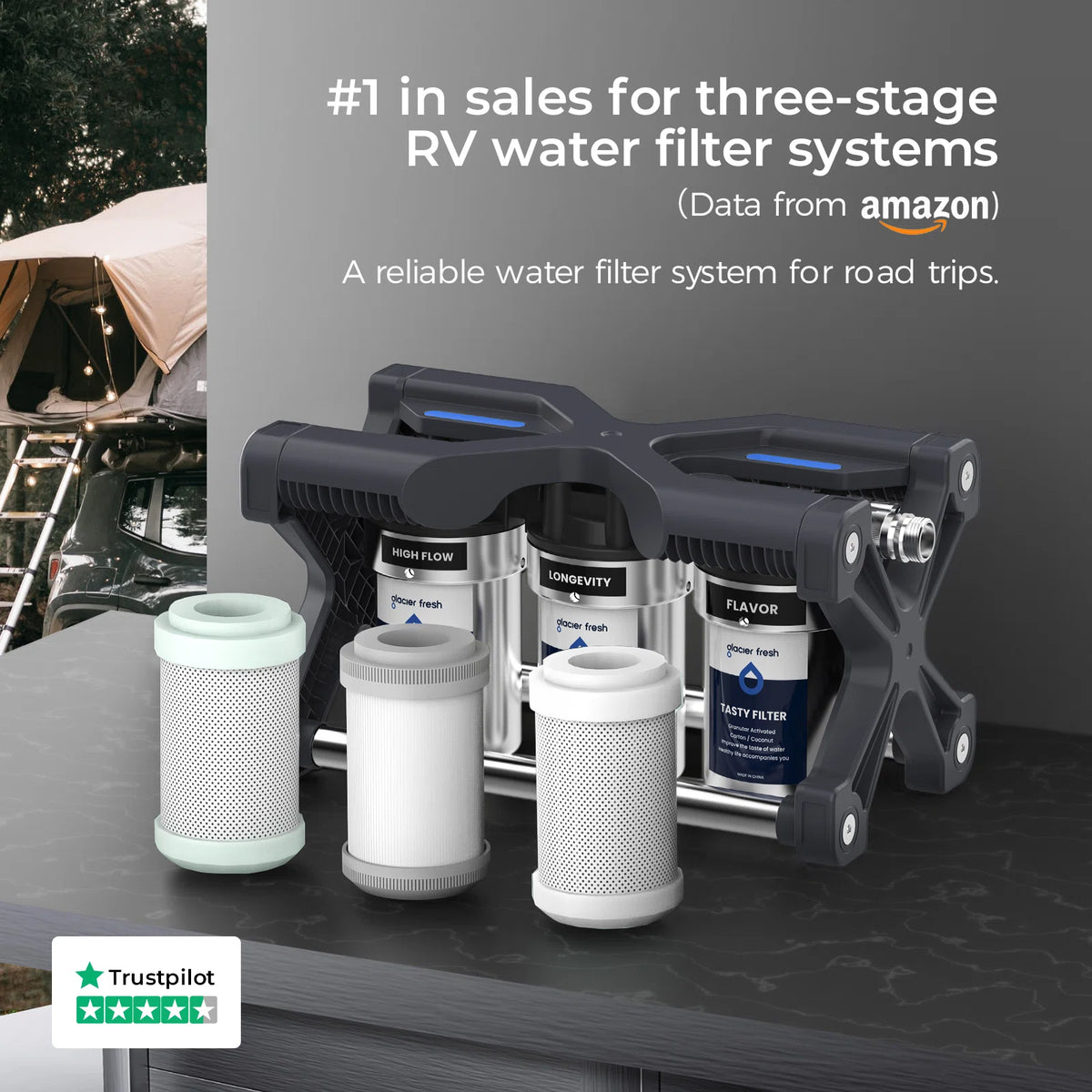
For RV travel and camping, the right filter depends on where you fill, how often you travel, available space, and how much maintenance you want to do. Weekend campers using treated city hookups may only need sediment plus carbon filtration. Full-time RV users, well-water travelers, or off-grid campers may need multi-stage filtration, tank sanitation, and an RO option when dissolved solids or taste are a recurring issue.
| Method | Best for RV use | Can help reduce | Pros | Limits | Maintenance |
|---|---|---|---|---|---|
| Inline carbon | Short trips, city hookups | Chlorine taste, odor, some organics | Portable, low cost | Limited for dissolved metals/salts | Replace every season or sooner with heavy use |
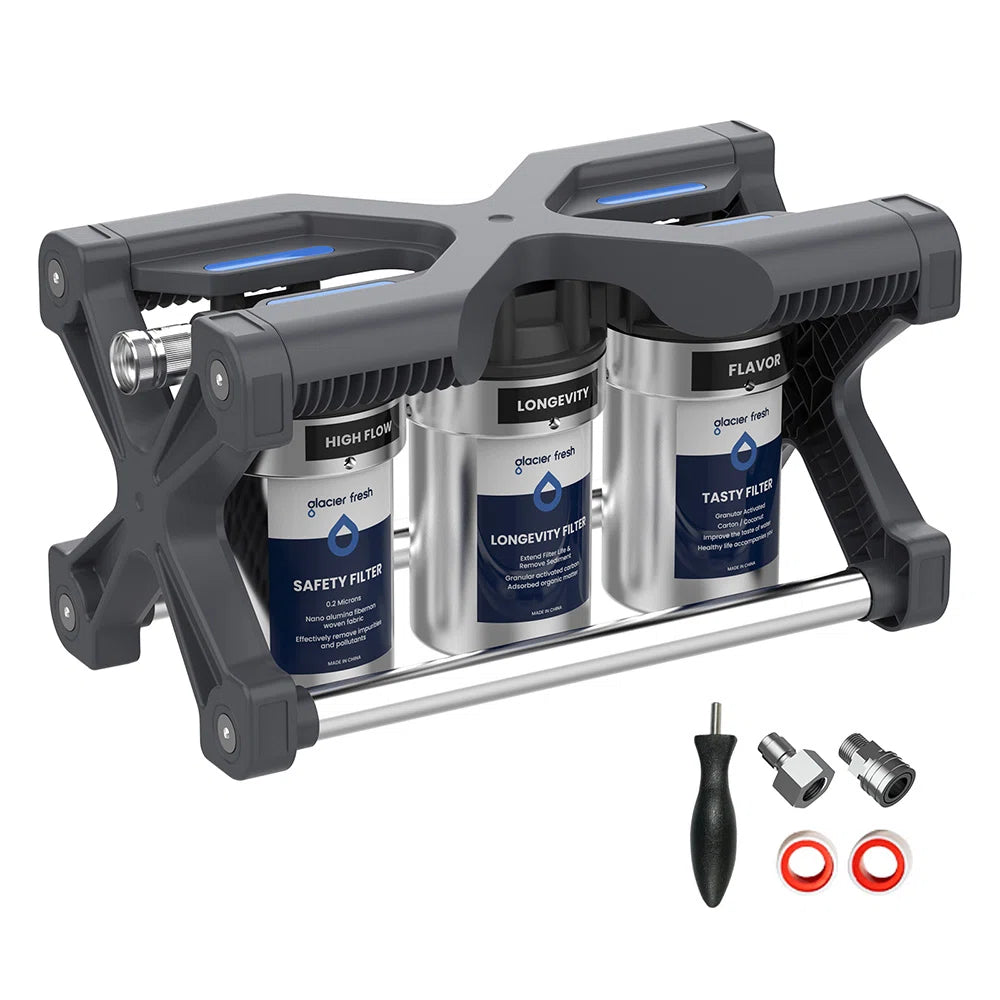
| Canister multi-stage | Frequent RV travel | Sediment, taste, selected contaminants | Flexible cartridges | Needs storage space | Check monthly; replace by cartridge rating |
| Sediment prefilter | Dusty parks, wells, old plumbing | Sand, rust, visible particles | Protects other filters | Does not fix chemical taste alone | Replace when flow drops |
| Reverse osmosis | High TDS, poor taste, longer trips | Many dissolved solids and metals | Cleaner taste, broader reduction | Slower flow, wastewater, more parts | Flush and replace prefilters/membrane as specified |
| UV / purifier add-on | Known microbial risk | Bacteria, viruses when properly sized | Chemical-free disinfection | Needs power and clear water | Clean sleeve; replace lamp on schedule |
Simple filter replacement guideline
Use the shortest interval when several conditions apply: replace sooner if you travel weekly, fill from wells or campground hookups, notice odor, see sediment, experience a pressure drop, or use water for cooking every day. For occasional treated-city use, seasonal replacement may work; for full-time RV use or poor source quality, check filters monthly and keep spare cartridges on board.
FAQs
Why does water taste different depending on its source?
Water tastes different because each source has its own mineral content, treatment chemicals, pH, storage conditions, and plumbing history. Well water may taste mineral-heavy, municipal water may carry chlorine notes, and bottled water may taste flat or slightly sweet depending on processing and packaging.
How can I improve the taste of plain water?
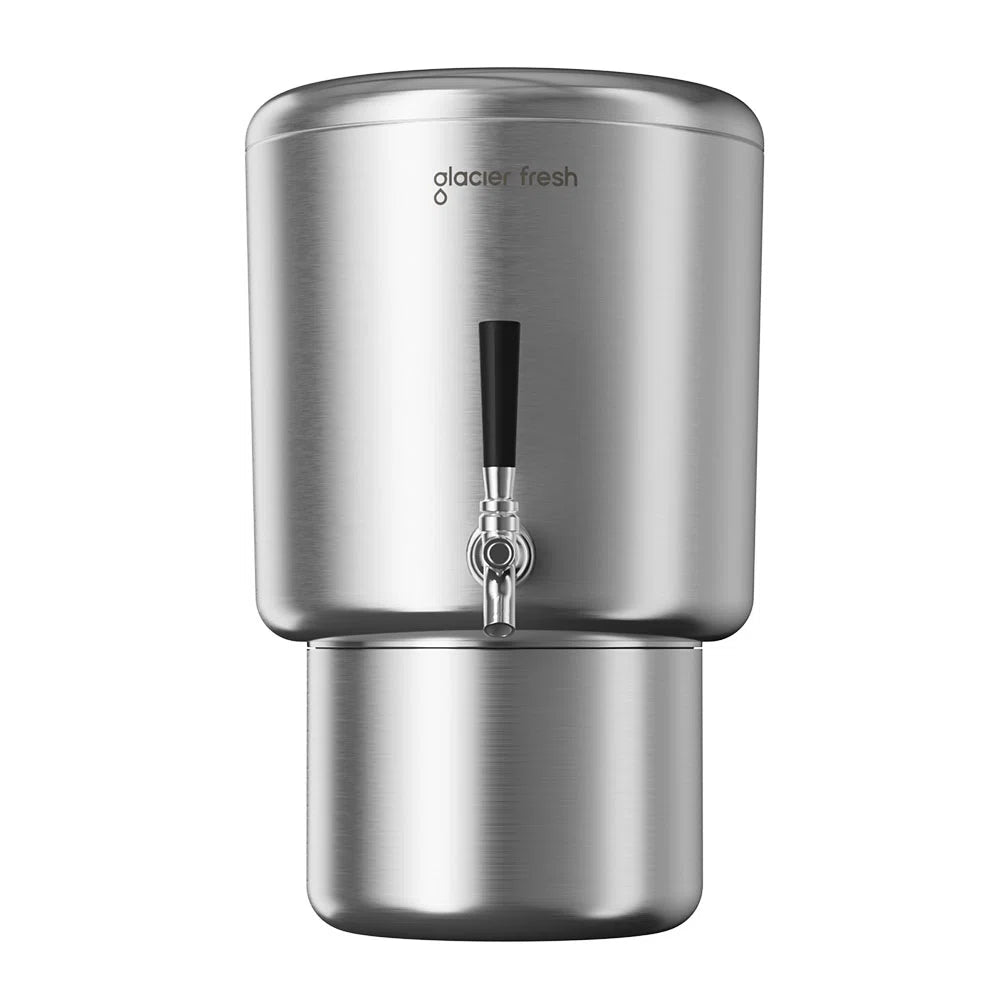
Test your water, chill it, use a clean bottle or pitcher, and choose a filter that targets your main issue. If chlorine taste, odor, sediment, or persistent off-flavors are making plain water less appealing, a Glacier Fresh filter can help make everyday drinking water taste cleaner.
Why do some people dislike the taste of certain waters like bottled or well water?
Some people are more sensitive to minerals, plastic packaging notes, sulfur odor, chlorine, or metallic flavors. Personal taste memory also matters: water that differs from what someone drinks every day can seem unpleasant even when it is safe.
Why is water quality important for health and environment?
Good water quality supports hydration, safe food preparation, healthy ecosystems, and lower reliance on disposable bottled water. In the kitchen, cleaner-tasting filtered water from Glacier Fresh can also help coffee, tea, soup, ice, and cooked foods taste more balanced.
How can taste perception be affected by health conditions?
Sinus congestion, allergies, oral infections, dry mouth, reflux, medication use, smoking, and some viral illnesses can change smell and taste. When taste changes suddenly or lasts, it is worth checking both water quality and personal health factors.
Conclusion
Water quality has a direct effect on how meals and drinks taste. Clean, well-filtered water helps coffee taste brighter, baked goods rise more predictably, soups feel cleaner, and plain water become easier to drink. The best approach is simple: know your source, test when needed, choose filtration that matches the problem, and maintain the system before taste or safety declines.
Related Reading
- GlacierFresh RV Reverse Osmosis System
- Reverse Osmosis, Nanofiber & Ultrafiltration: Which One Is Right for You?
- The Truth About PFAS in Your Tap Water: How to Remove It