
Table of Contents:
Key factors to consider when choosing a reverse osmosis system
Glacier Fresh undersink reverse osmosis systems: features & benefits
Competitor comparison: How Glacier Fresh stands out
Reverse osmosis system selection guide for 2026 households
Why choose Glacier Fresh over other RO systems?
FAQs
Conclusion
Key factors to consider when choosing a reverse osmosis system

A strong RO purchase decision should begin with measurable performance criteria rather than only brand name or upfront price. For 2026 homeowners, the most useful comparison points are contaminant-reduction capability, certification relevance, filter replacement cost, water efficiency, installation difficulty, and whether the design fits the kitchen or RV use case.
- Filtration performance: Look for systems that can remove a wide range of contaminants, from heavy metals and chlorine to PFAS and microplastics. Glacier Fresh systems use advanced five-stage filtration to support clean, great-tasting water.
- Contaminant removal efficiency: The true test of an RO system is how well it reduces unwanted substances. High-performing systems are often evaluated against RO membrane standards and may include post-filtration or remineralization stages for improved taste.
- Filter longevity & maintenance: Cost efficiency is not only about the initial purchase. Replacement frequency, filter accessibility, and maintenance clarity all affect the long-term ownership cost.
- Water efficiency: Modern RO systems should balance purification performance with water responsibility. A lower waste ratio can reduce unnecessary drain water and support better monthly cost control.
- Installation & user-friendliness: Easy installation and simple upkeep matter for busy homeowners. Clear instructions, compact layouts, and accessible replacement filters reduce friction after purchase.
2026 RO buyer decision matrix
| Factor | Why it matters | What to look for | Best fit |
| Contaminants | Different regions face different risks. | Lead, chlorine, PFAS, fluoride, VOCs, microplastics. | Homes with older plumbing or poor taste/odor. |
| Water efficiency | Wastewater affects cost and sustainability. | Low pure-to-drain ratio; efficient membrane design. | Daily drinking and cooking water users. |
| Maintenance cost | Filters are the recurring expense. | Long filter life and easy replacement. | Families comparing annual running cost. |
| Installation | Complex setup can add hidden costs. | DIY-friendly design, compact footprint, clear support. | Renters, smaller kitchens, and busy households. |
Glacier Fresh undersink reverse osmosis systems: features & benefits

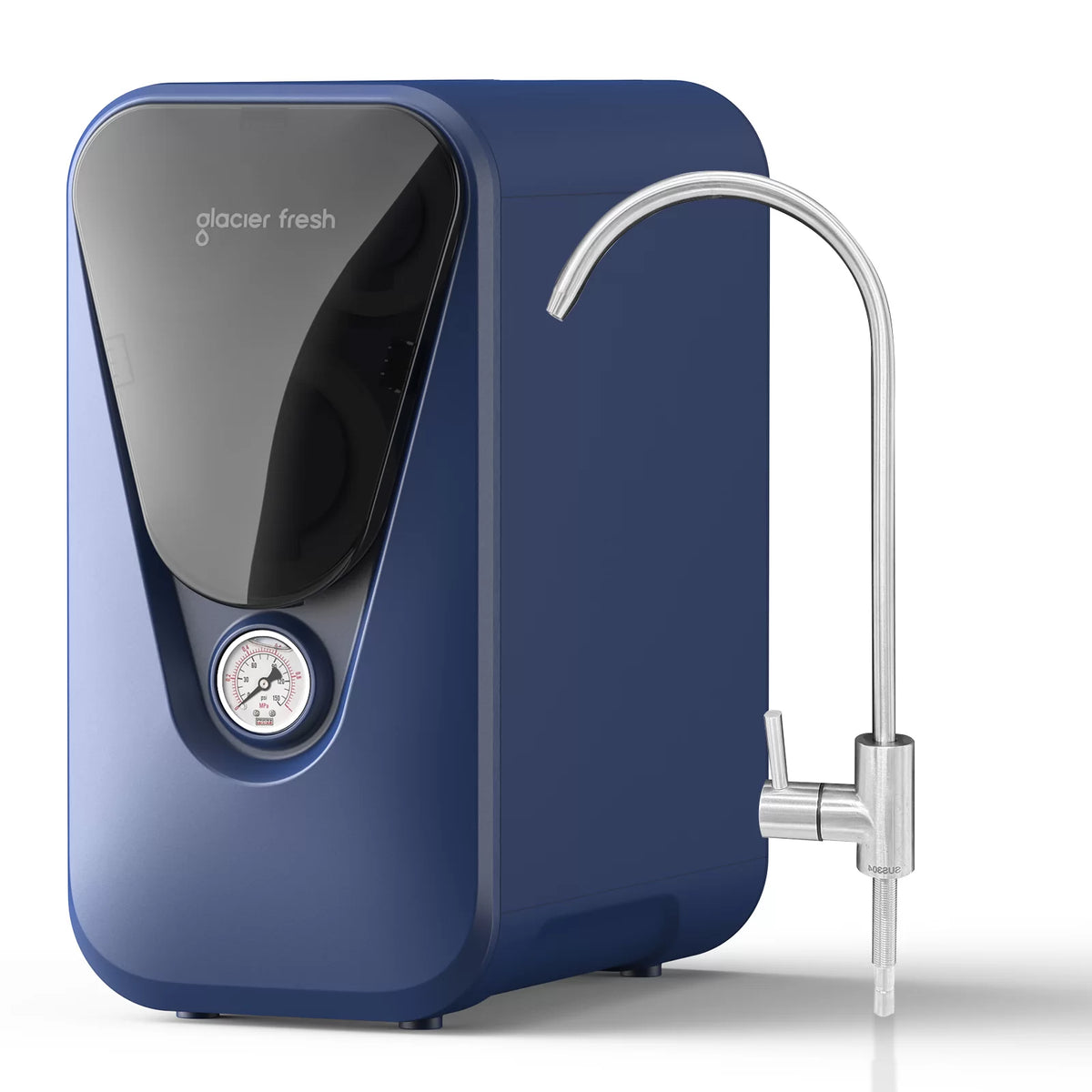
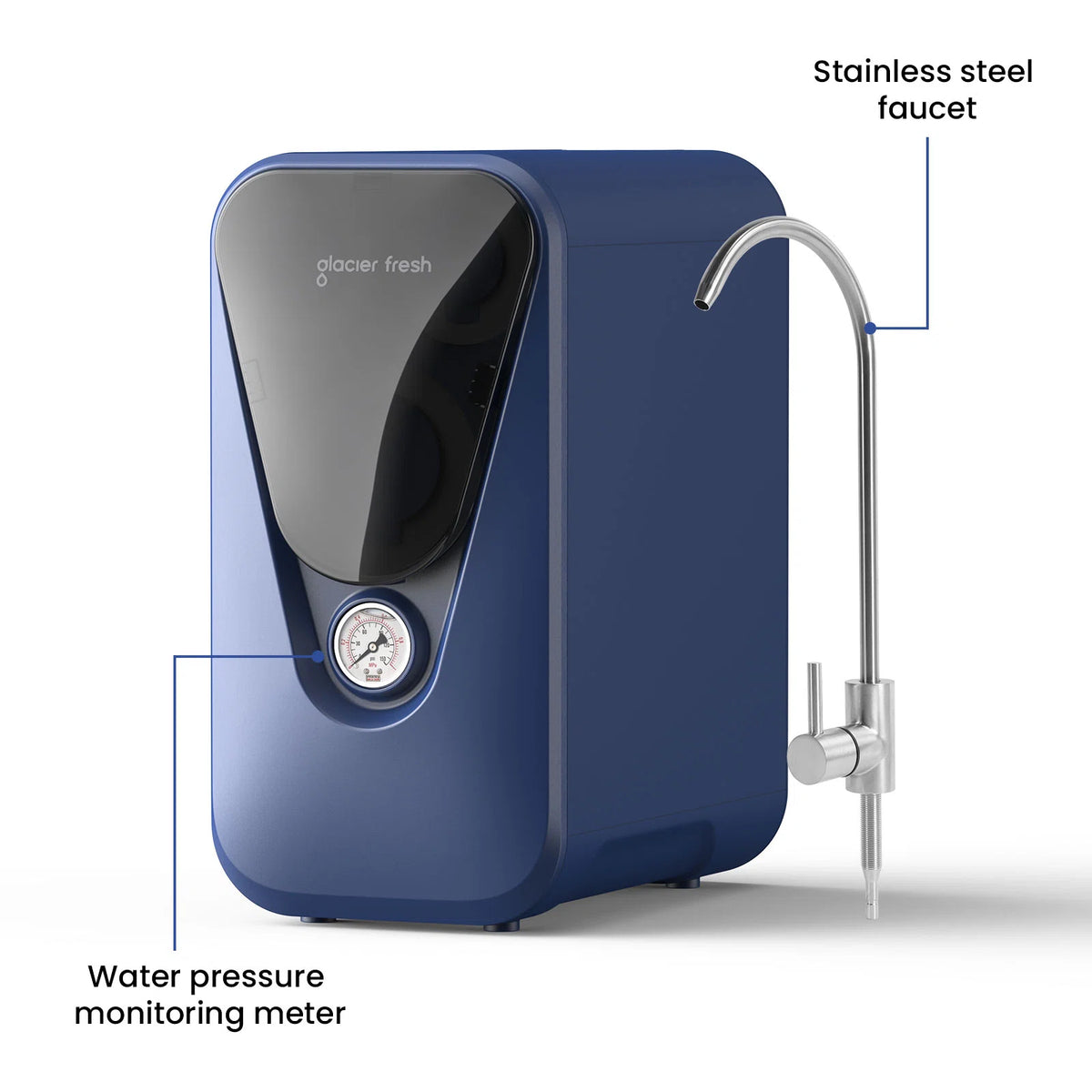
Glacier Fresh under-sink RO systems are positioned for households that want high-output filtration without a bulky tank or complicated maintenance schedule. The core advantage is the combination of multi-stage filtration, water-saving system design, and installation support that makes purified water easier to access in daily routines.
Advanced multi-stage filtration
Our Reverse osmosis systems incorporate five or more filtration stages designed to address sediment, chlorine, dissolved solids, and taste-related concerns. This layered structure helps protect the RO membrane, refine taste, and deliver more consistent drinking water for cooking, coffee, and everyday hydration.
- Pre-filtration: Removes sediment and chlorine to protect the RO membrane and extend system life.
- High-precision RO membrane: Helps reduce dissolved contaminants such as heavy metals, fluoride, and PFAS.
- Post-filtration & remineralization: Additional polishing filtration can improve taste after the water passes through the membrane, while optional mineral balancing can make finished water more pleasant for daily drinking.
Superior filter longevity & low maintenance
Glacier Fresh systems are engineered with extended filter life and straightforward replacement in mind. Clear indicators and simplified filter-change instructions help users spend less time troubleshooting and more time enjoying great-tasting water.
Water efficiency that saves you money
Many traditional RO systems waste significant amounts of water. Glacier Fresh models emphasize efficient pure-to-drain performance, helping households use less water overall while reducing the hidden cost of daily filtration.
User-friendly installation & sleek, space-saving designs
Glacier Fresh RO systems are designed to be compact and visually clean under the sink. Tankless layouts reduce cabinet clutter, and clear installation support helps both DIY users and professional installers complete setup with fewer uncertainties.
Competitor comparison: How Glacier Fresh stands out
A meaningful comparison should separate system categories rather than treating every water filter as interchangeable. Under-sink RO systems, countertop pitchers, tank systems, and distillation devices all solve different problems, so homeowners should compare filtration depth, convenience, water use, and annual maintenance instead of looking only at the lowest upfront price.
For shoppers researching reverse osmosis vs distilled water, RO is usually the more practical daily-use solution because it can connect directly to a kitchen tap and produce filtered water on demand, while distillation is slower and less convenient for whole-family kitchen use. Pitcher-style zero water filters can be useful for small batches, but they do not offer the same under-sink flow rate, system integration, or long-term convenience as a dedicated RO system.
- Filtration performance: Competitors may require more frequent filter replacements or lack additional stages, such as remineralization. Glacier Fresh balances contaminant reduction with taste-focused post-filtration.
- Efficiency & environmental impact: Some RO systems waste more water than modern tankless designs. Glacier Fresh focuses on lower waste ratios for better long-term value.
- Installation & design: Competitor systems may be bulkier or require more involved installation. Glacier Fresh is engineered for compact under-sink placement and user-friendly setup.
-
Customer experience: Clear support materials, accessible replacement filters, and simplified maintenance can reduce the most common pain points reported with complex filtration systems.
Reverse osmosis system selection guide for 2026 households
The best RO system depends on the household’s water source, daily usage, space constraints, and tolerance for recurring maintenance. A family with high drinking-water demand should prioritize high flow rate and filter availability, while a smaller household may care more about cabinet space, quiet operation, and annual cost control.
Cost, reliability, and contaminant-fit comparison
| System type | Strength | Trade-off | Best use case |
| Tankless RO system | Space-saving, direct-flow, modern design. | Usually higher upfront cost than basic pitchers. | Daily kitchen drinking and cooking water. |
| Traditional tank RO | Stores purified water for quick access. | Takes more cabinet space and may involve more parts. | Homes with room under the sink. |
| Countertop/pitcher filters | Lower upfront cost and easy setup. | Lower output and less system-level integration. | Small households or temporary use. |
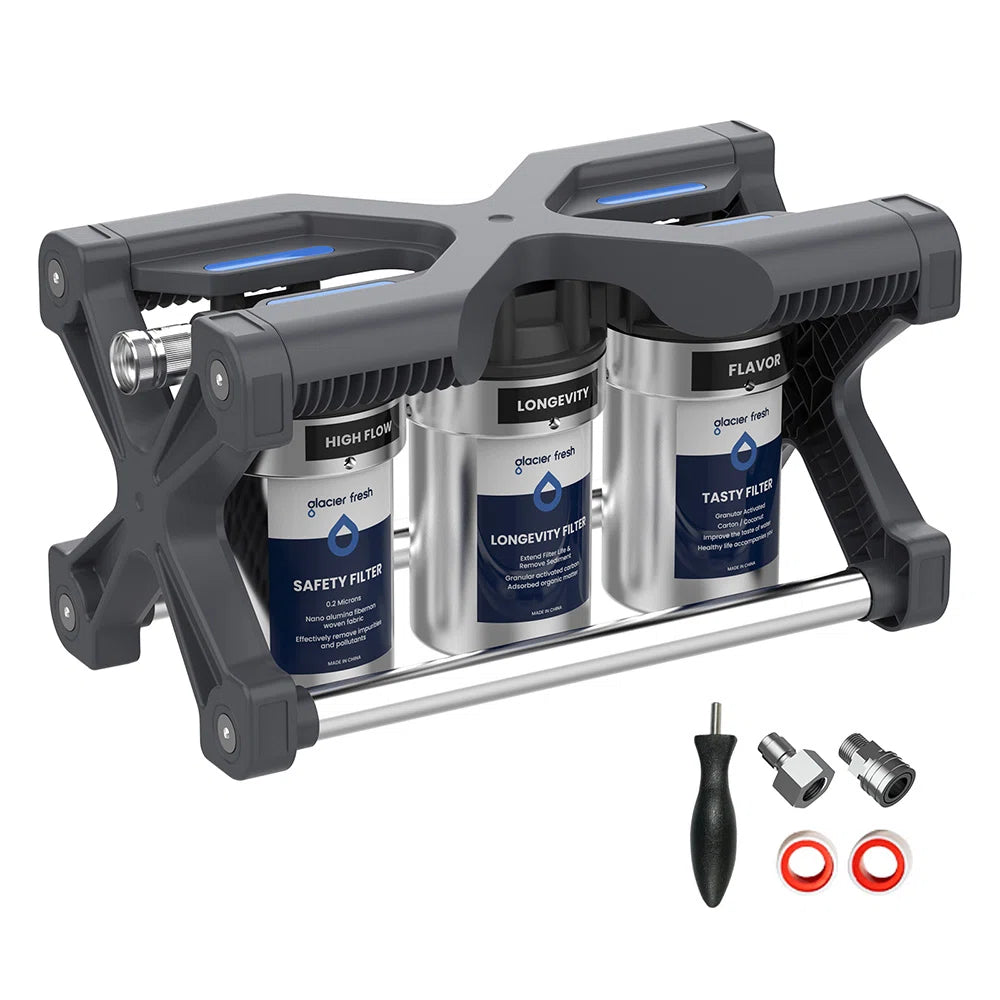
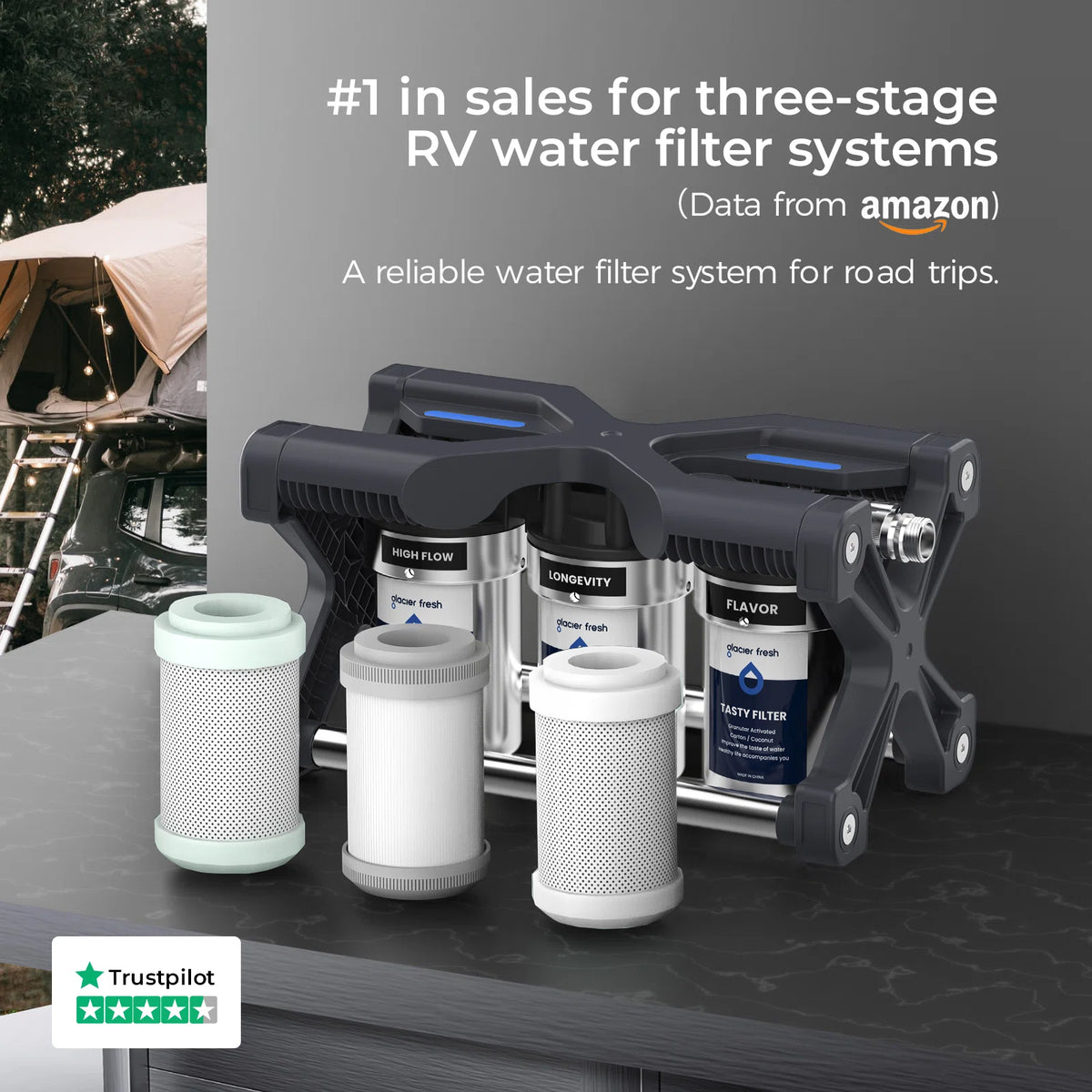
| Portable/RV RO | Useful for travel or campground hookups. | Capacity and maintenance vary by design. | Camping, RV travel, and mobile water needs. |
Why choose Glacier Fresh over other RO systems?
Glacier Fresh is a strong fit for homeowners who want a practical balance of filtration depth, efficient water use, simplified maintenance, and a compact design. The value proposition is strongest when users compare not just contaminant reduction, but the full ownership experience from installation to replacement filters.
- Best-in-class filtration: Multi-stage filtration supports broad contaminant reduction and better-tasting water.
- Cost-effective & eco-friendly: Efficient water usage and long filter life can support lower long-term ownership costs.
- Ease of installation & maintenance: User-friendly designs help reduce setup complexity and ongoing upkeep.
- Sleek & space-saving: Compact systems fit better in modern kitchens, small cabinets, and homes where under-sink space matters.
- Trusted support: Clear instructions and responsive guidance can make the post-purchase experience easier.
FAQs
What are the top reverse osmosis systems for home use and how do they compare?
The top options usually include tankless under-sink RO systems, traditional tank RO systems, compact countertop systems, and portable RO systems for RV or travel use. Compare them by contaminant reduction, filter replacement cost, flow rate, water efficiency, installation complexity, and whether replacement parts are easy to buy in the US.
Which reverse osmosis systems are best for long-term reliability and easy part availability in the US?
Systems with standardized replacement filters, clear maintenance indicators, straightforward installation guides, and accessible support are generally better for long-term reliability. A reliable RO system should make filter changes predictable rather than requiring frequent troubleshooting.
How should I compare the best reverse osmosis systems by annual running cost?
Look beyond the purchase price. Annual running cost includes replacement filters, membrane life, pre-filter frequency, possible installation labor, wastewater impact, and optional parts. A system with a higher upfront price can be more economical if its filters last longer and its water efficiency is stronger.
How is RO different from distilled water and pitcher-style filters?
When comparing reverse osmosis vs distilled water, RO is usually easier for daily household use because it connects to a tap and produces water continuously. Distillation can be effective but slow, while zero water filters and other pitchers are simpler but better suited to smaller volumes rather than full kitchen demand.
Is Glacier Fresh a better choice than common competitor RO systems?
Glacier Fresh can be a better fit for users who prioritize compact design, simplified maintenance, efficient pure-to-drain performance, and user-friendly installation. The best choice still depends on local water quality, household usage, under-sink space, and how much long-term maintenance the buyer is willing to manage.
Conclusion
Investing in a high-quality reverse osmosis system is an investment in your family’s daily water quality and convenience. Glacier Fresh combines advanced filtration design, efficient water use, compact installation, and practical customer support to make purified water easier to access every day. For homeowners comparing RO systems in 2026, the smartest decision is to weigh contaminant reduction, water efficiency, filter cost, installation complexity, and long-term maintenance together rather than relying on price alone.
Related reading
To continue building topical authority around reverse osmosis, filtration technology, and system selection, the following internal resources are natural next reads:
- Reverse Osmosis, Nanofiber, Ultrafiltration: Which One Is Right for You?
- Reverse Osmosis Disadvantages: What to Know Before Installing a System
- Understanding RO System Parameters: GPD, TDS, and What They Mean for You