
Table of Contents:
What are chlorine and chloramine in drinking water?
What is the difference between chlorine and chloramine?
Why it’s important to remove both chlorine and chloramine
Do all water filters remove chlorine and chloramine?
What types of water filters remove chlorine and chloramine?
How to choose the right filter for chlorine and chloramine
FAQs
Conclusion
What are chlorine and chloramine in drinking water?
Chlorine and chloramine are disinfectants added to municipal water systems to kill bacteria and protect public health.
Chlorine
Chlorine is widely used in water treatment to eliminate harmful microorganisms such as bacteria and viruses.
- Fast-acting disinfectant
- Common in city water systems
- Helps prevent waterborne diseases
However, chlorine can react with organic matter in water and form disinfection byproducts.
Chloramine
Chloramine is formed by combining chlorine and ammonia.
- More stable than chlorine
- Provides longer-lasting disinfection
- Common in modern municipal systems
Because of its stability, chloramine remains in water longer as it travels through distribution pipes.
What is the difference between chlorine and chloramine?
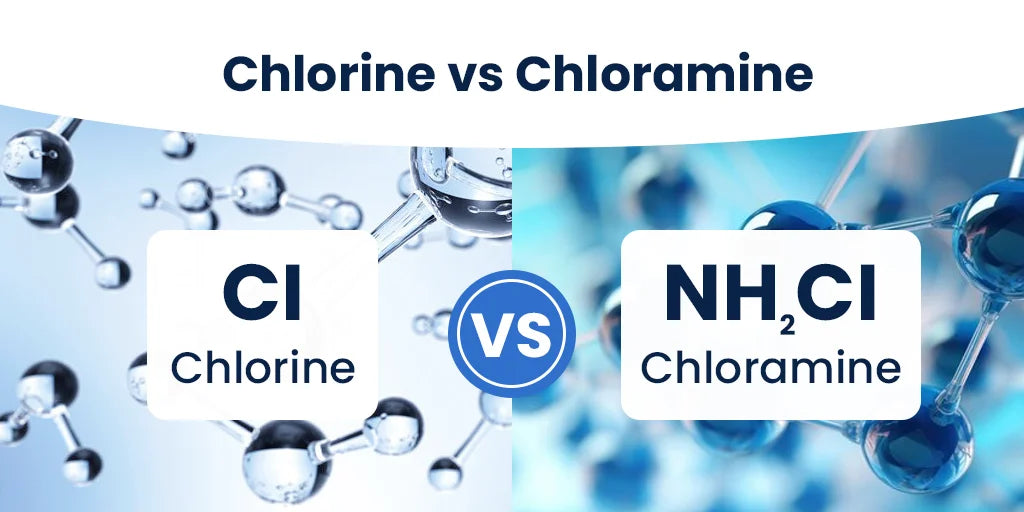
Chlorine acts quickly but is less stable, while chloramine is longer-lasting but more difficult to remove from water.
Chemical composition
- Chlorine: highly reactive, breaks down quickly
- Chloramine: more stable, lasts longer in water systems
Disinfection properties
- Chlorine: fast microbial kill rate
- Chloramine: slower but sustained disinfection
Taste and odor
- Chlorine: noticeable “swimming pool” taste
- Chloramine: milder but still affects water quality
Health concerns
- Chlorine exposure: may contribute to respiratory irritation in sensitive individuals
- Chloramine exposure: may cause skin irritation or sensitivity reactions
Both are regulated and safe at municipal levels, but many consumers prefer removing them for better water quality and taste.
Why it’s important to remove both chlorine and chloramine
Common contaminants and byproducts
When chlorine reacts with organic matter, it can form compounds such as:
- Trihalomethanes (THMs)
- Haloacetic Acids (HAAs)
- Volatile Organic Compounds (VOCs)
These are key reasons many households choose additional filtration.
Health risks associated with chlorine and chloramine
Chlorine, commonly used to disinfect drinking water, can lead to skin irritation and respiratory issues in high concentrations. On the other hand, chloramine can also cause skin irritation and respiratory problems, particularly in individuals with pre-existing conditions. Both chemicals can harm public health due to prolonged chemical exposure through drinking water.
Potential effects on children and pets
Children and pets can be particularly vulnerable to the potential health effects of chlorine and chloramine in water filters. Here are some key points to be mindful of:
- Allergies, Irritations: When exposed to chlorine or chloramine, children have respiratory issues. when exposed to chlorine or chloramine.
- Skin, Respiratory: Their delicate skin and developing respiratory systems can be more prone to adverse reactions.
- Sensitivities, Precautions: Taking precautions to minimize exposure is essential for their health and comfort.
- Awareness, Protection: Increasing awareness of these risks allows for better protection of children and pets from potential harm.
Corrosive effects on plumbing systems
Over time, disinfectants may contribute to:
- Pipe corrosion
- Rubber seal degradation
- Appliance wear
Filtration helps reduce long-term system impact.
Do all water filters remove chlorine and chloramine?
No. Many basic carbon filters remove chlorine effectively but are less effective against chloramine.
Filter compatibility matters
- Standard activated carbon → effective for chlorine
- Catalytic carbon → effective for chloramine
- Reverse osmosis systems → broad-spectrum reduction
This is why understanding filter technology is critical.
What types of water filters remove chlorine and chloramine?
Activated carbon filters

Activated carbon filters like glass water filter pitcher are among the most common types of water filters used for purifying water. Activated carbon filters are highly effective for chlorine removal and improving taste and odor. They work through adsorption, where contaminants attach to the surface of carbon material.
Best for:
- Chlorine
- VOCs
- Taste and odor improvement
Limitation:
- Less effective for chloramine unless specially designed
Catalytic carbon filters
Catalytic carbon filters are specially engineered to break down chloramine more effectively than standard carbon filters.
Best for:
- Chlorine
- Chloramine
- Hydrogen sulfide
- Organic contaminants
This is one of the most effective solutions for combined removal.
Reverse osmosis systems
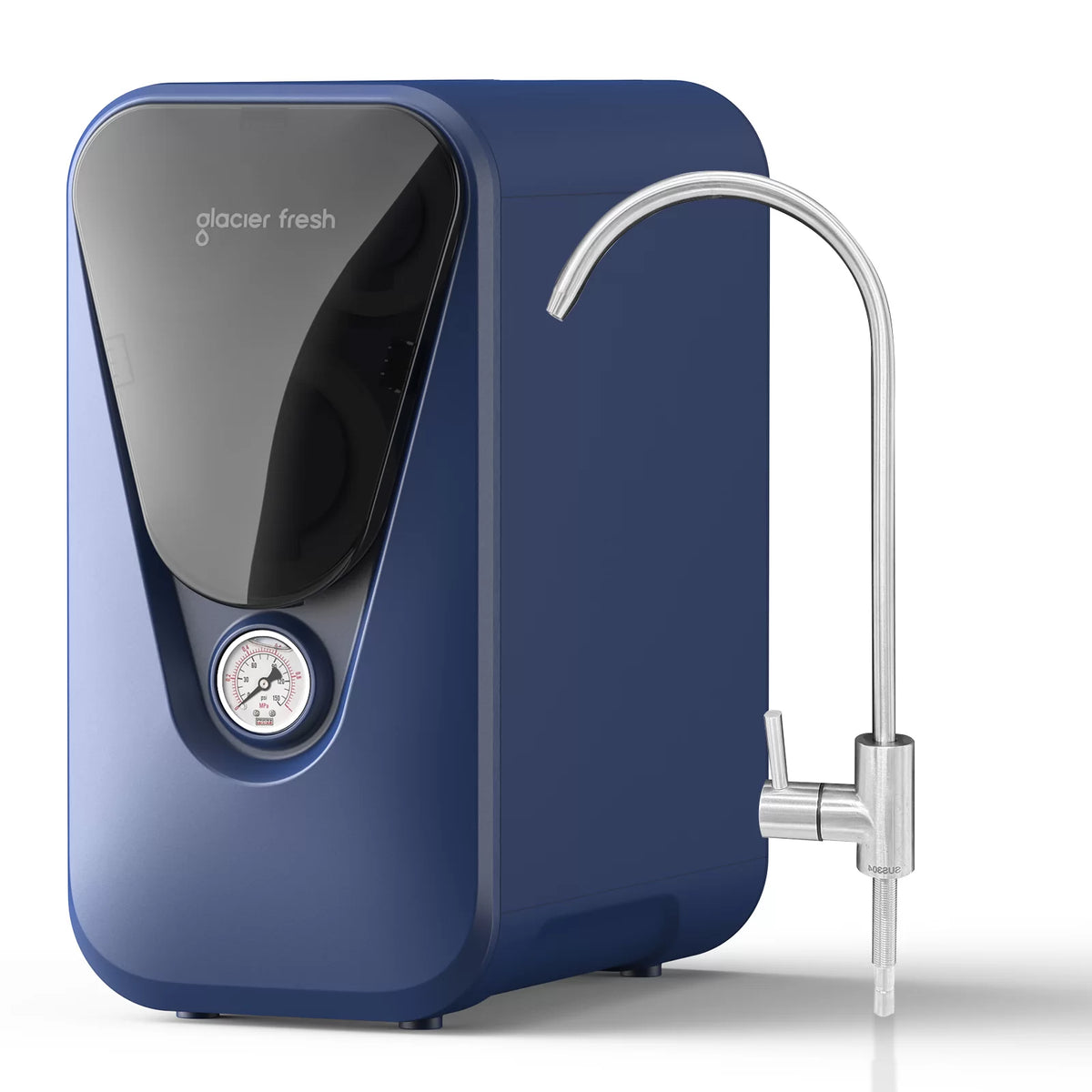
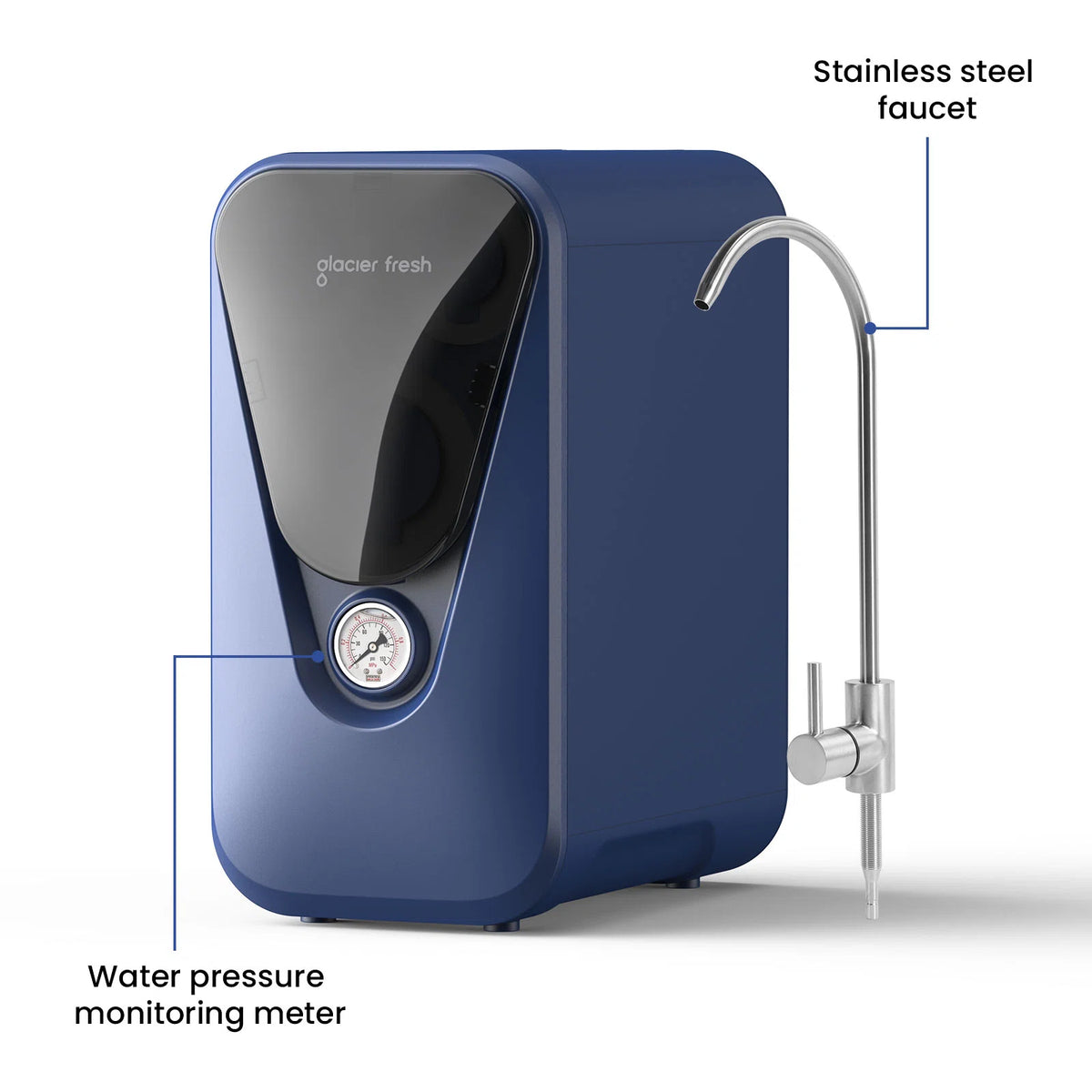
 Reverse osmosis systems provide advanced filtration that can significantly reduce chlorine, chloramine, and a wide range of dissolved contaminants.
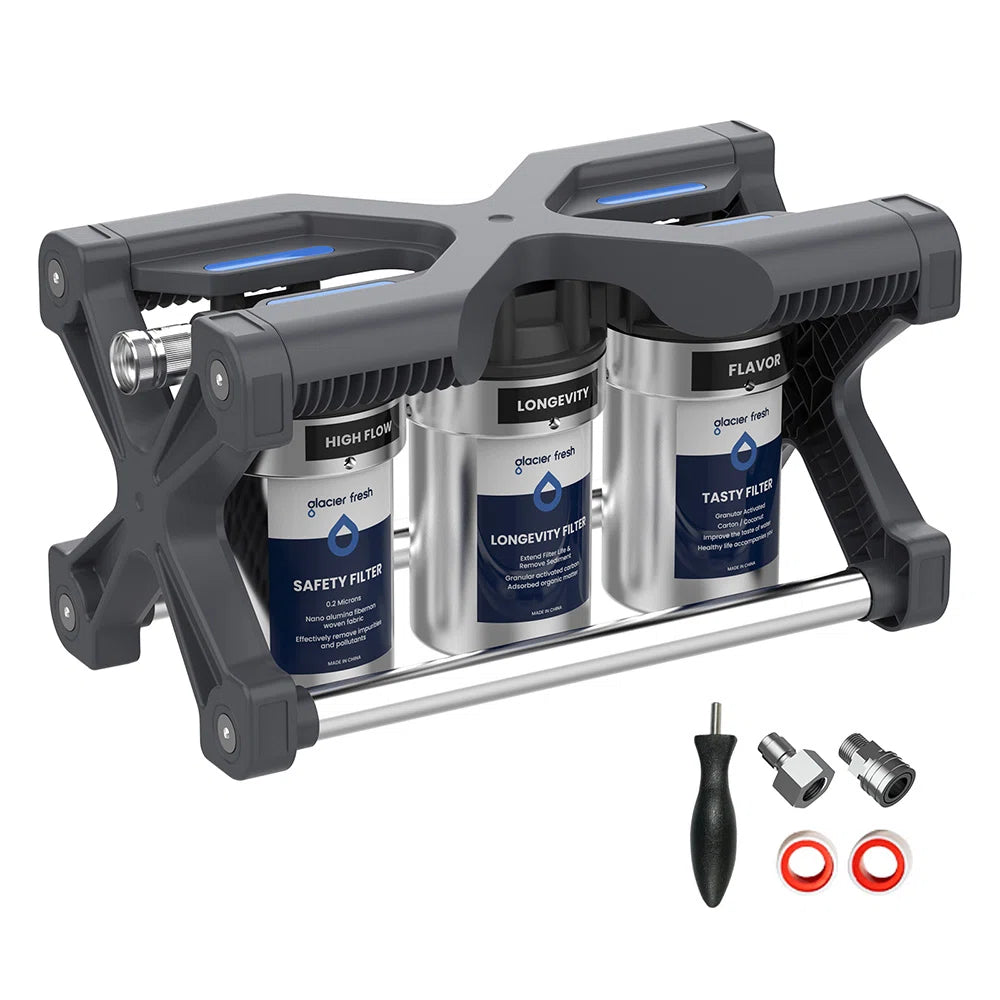
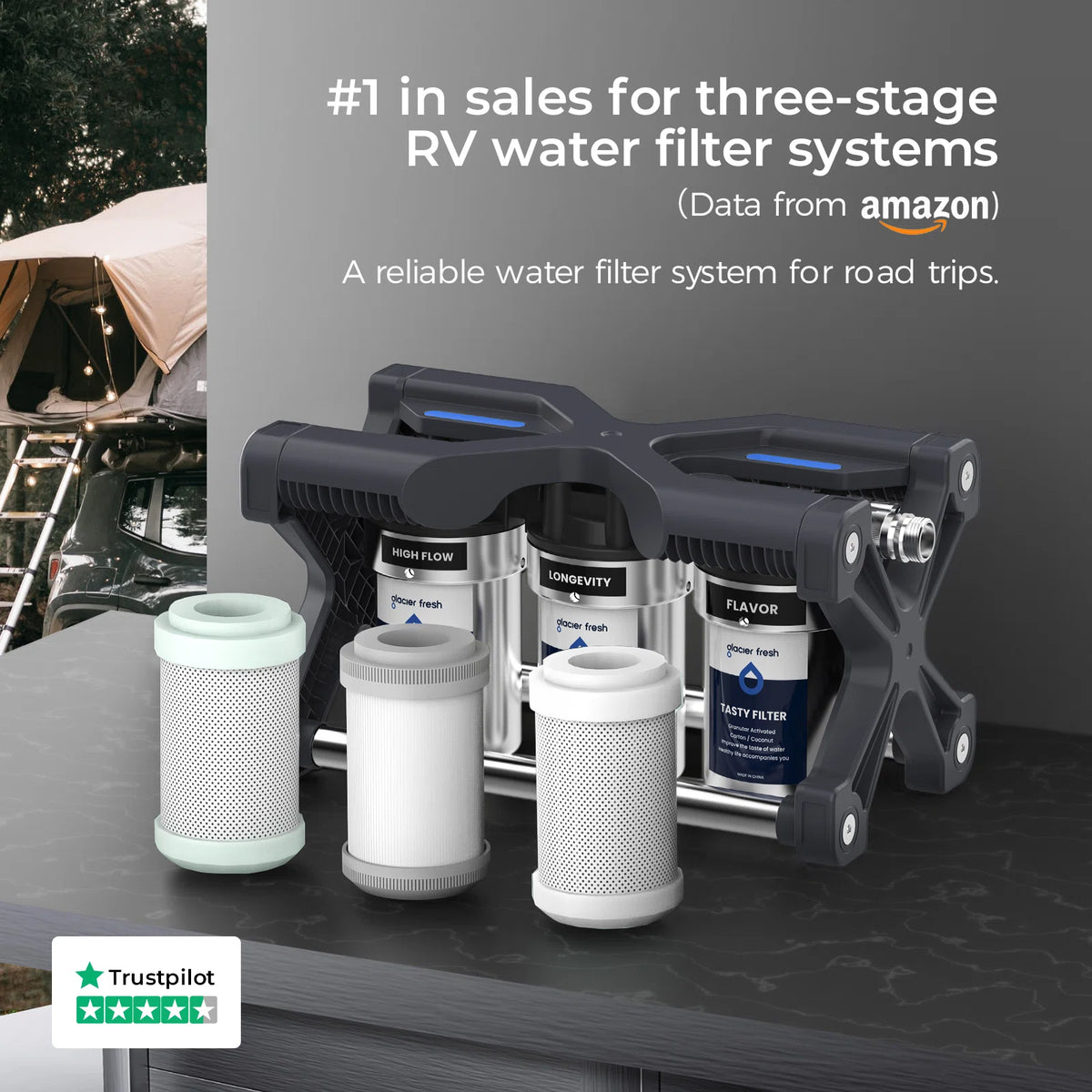
- Multi-stage filtration
- High contaminant reduction
- Broad water quality improvement
Consideration:
- Requires maintenance and filter replacement
How to choose the right filter for chlorine and chloramine
The right filter depends on your water source, contaminant levels, and desired filtration depth.
1. Identify your water treatment type
- Municipal water often contains chlorine or chloramine
- Check local water quality reports
2. Choose the right filtration technology
- Chlorine only → activated carbon filter
- Chlorine + chloramine → catalytic carbon or RO system
3. Consider maintenance needs
- Filter lifespan
- Replacement frequency
- System complexity
FAQs
Do activated carbon filters remove chloramine?
Standard activated carbon filters are less effective against chloramine, while catalytic carbon filters are specifically designed to reduce it.
Is chloramine safe in drinking water?
Yes. Chloramine is regulated by environmental and health authorities. However, many people choose to remove it for taste and sensitivity reasons.
Which filter is best for chlorine and chloramine?
Catalytic carbon filters and reverse osmosis systems are generally the most effective options for removing both.
Why does my water smell like chlorine?
This usually indicates chlorine is present in municipal water. A carbon-based filter can significantly reduce this odor.
Conclusion
Chlorine and chloramine are essential disinfectants in public water systems, but they can affect taste, odor, and overall water quality. Not all filters can remove both effectively.
Understanding the difference between these two compounds helps you choose the right filtration system. For most households, catalytic carbon or reverse osmosis systems provide the most reliable solution for comprehensive water improvement.