
Table of Contents:
Why Can't Newborns Drink Water?
How Much Water Can a Baby Drink by Age?
What Type of Water Is Best for Babies?
Does a Newborn Need Water in Hot Weather or When Sick?
How to Safely Introduce Water at 6 Months
Conclusion
FAQs

Pediatricians emphasize that newborns should absolutely not drink water before they are six months old. So how can you ensure your baby stays hydrated without giving them water? In fact, breast milk and formula both contain more than 80% water, which is more than enough to meet the hydration needs of babies aged 0–6 months (According to recommendations from the AAP and WHO).
However, there are important considerations regarding the water used to prepare formula, as ordinary tap water may contain harmful substances. In this article, we'll draw on scientific research to provide you with an in-depth understanding of how to ensure your baby drinks water safely, as well as address some common questions about hydration.
Why Can't Newborns Drink Water?
The physiological structure of newborns differs significantly from that of adults. If they are given plain water, it can lead to the following three health risks:
1. May lead to water intoxication
Water is filtered by the kidneys, but because a newborn's kidneys are not yet fully developed, they cannot excrete water quickly enough. This can lead to hyponatremia, which in severe cases may even cause cerebral edema or seizures.
2. May Lead to Growth Delay
Newborns have very small stomach capacities. Drinking water takes up space in their stomachs, which can result in them not getting enough breast milk or formula. Over time, this can lead to growth delay.
3. Effects on Breast Milk Production
When a baby drinks water, the frequency of suckling decreases, which sends a false signal to the mother that “there is no need to produce as much milk.”
How Much Water Can a Baby Drink by Age?

Babies should not drink water before they are 6 months old, but many new parents also need to know how their babies should drink water from 6 months until their first birthday. Below is a detailed chart of a baby's water intake needs, along with important considerations.
| Age | Daily Water Limit | How to Serve & Key Notes |
|---|---|---|
| 0-6 Months | 0 oz | Only breast milk or infant formula |
| 6-9 Months | 2-4 oz | Offer small sips during solid meals in an open cup or straw cup |
| 9-12 Months | 4-8 oz | Gradually increase alongside three daily meals; milk remains the primary drink |
| 12+ Months | 8-32 oz | Let your baby drink water naturally as their activity level and intake of solid foods increase |
What Type of Water Is Best for Babies?
Similarly, the type of water you give your baby is another important consideration. Tap water may contain unknown hazardous substances, such as excessive lead levels caused by rusty iron pipes. Therefore, it's best to test your home's water quality or use bottled water for infants before giving it to your baby. In addition, you can opt for an NSF-certified countertop water filter.
Below are the differences between using tap water, baby water, and water filtered through a water purifier to prepare infant formula, along with important points to note:
Tap Water: Tap water may contain trace amounts of residual chlorine after being disinfected by the municipal water system. It is recommended to boil the water and then cool it to 40–50°C before preparing infant formula.
Baby Water: This water is highly safe and low in minerals, making it ideal for preparing formula. However, it is expensive, and once opened, it should be used as soon as possible to prevent bacterial growth.
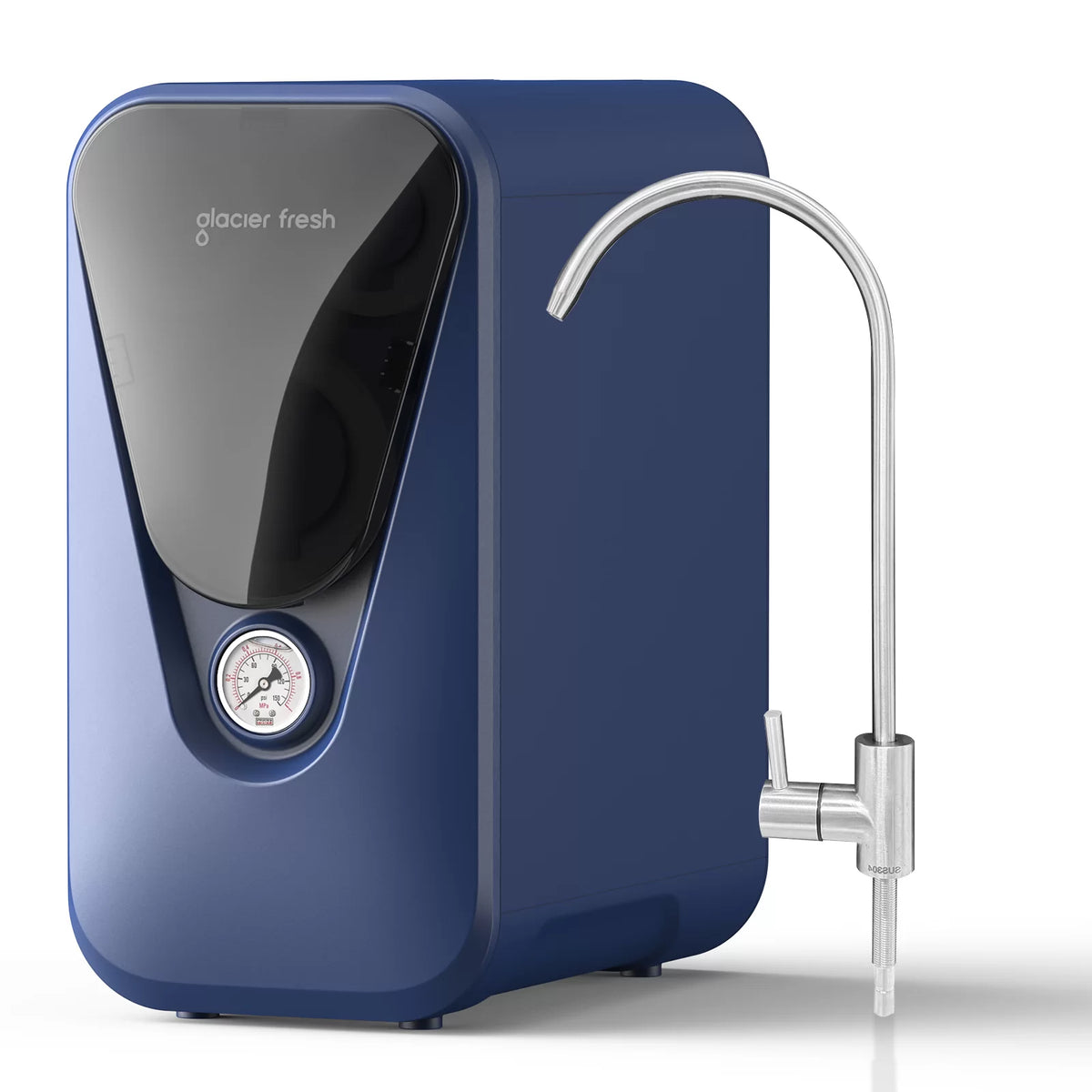
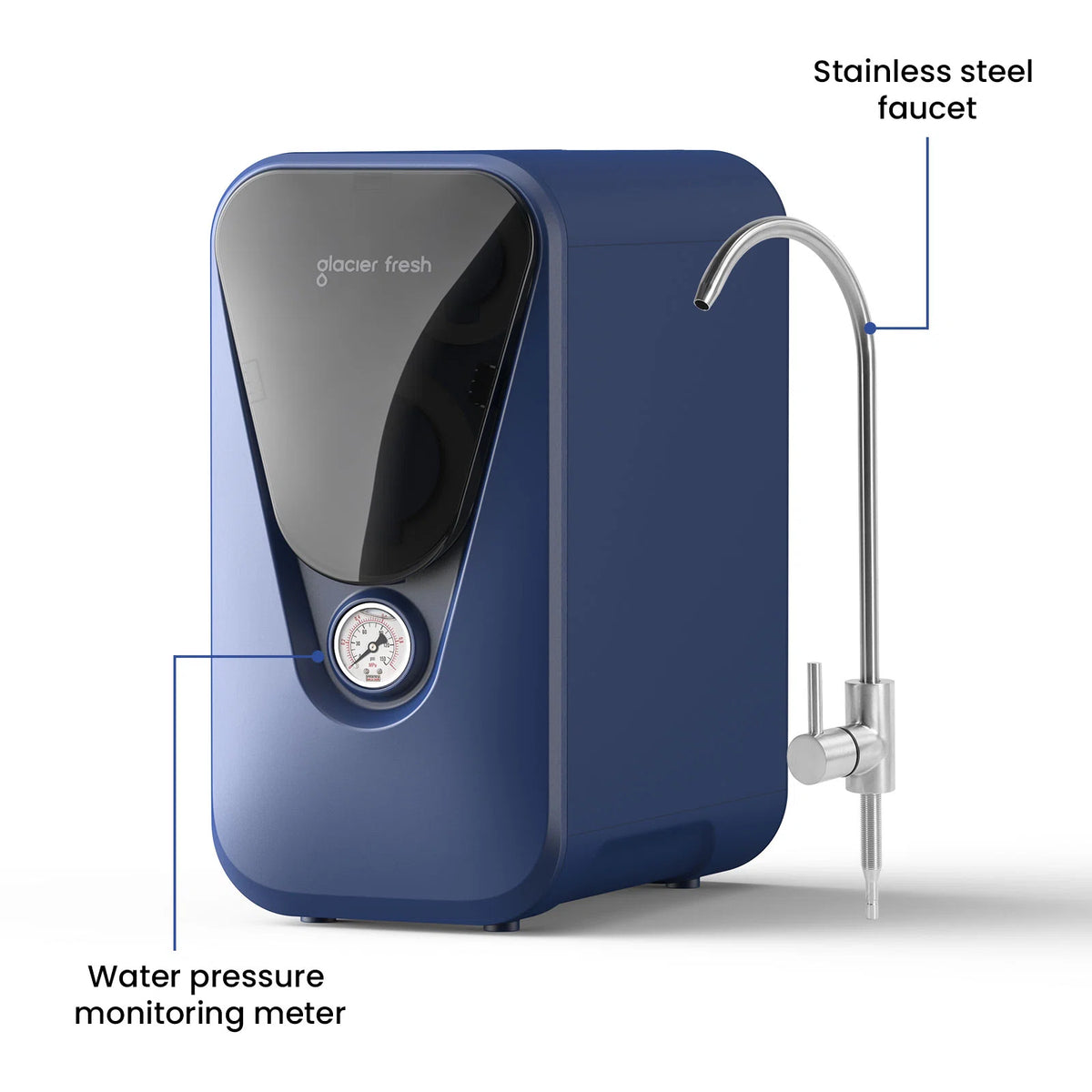
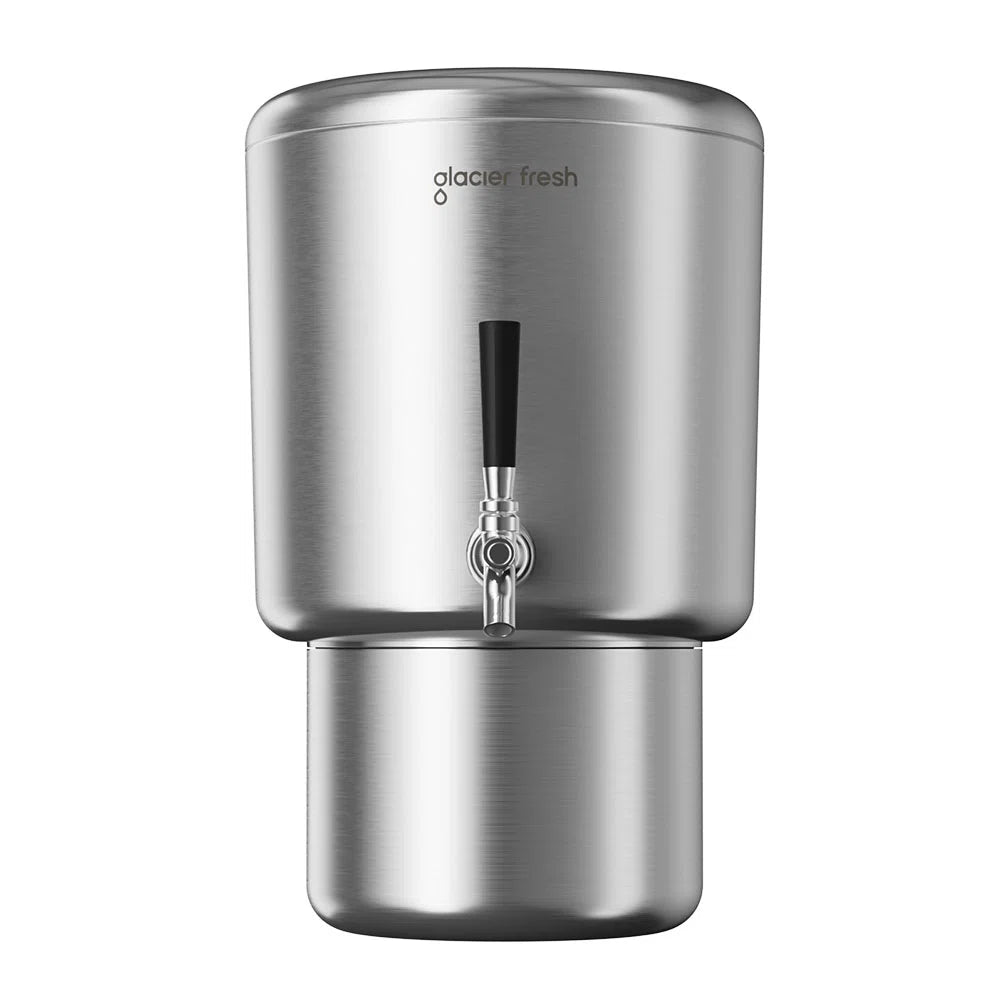
Filtered Water: We recommend using a water filtration system with a reverse osmosis (RO) system such as Glacier Fresh U03, which removes nearly all harmful substances. However, the filter cartridges must be replaced promptly (every 2–3 months); otherwise, bacterial growth may occur.
Note: If you haven't tested the quality of your home's tap water, it's recommended that you let the water run for about 30 seconds first to avoid using water with excessive levels of heavy metals. When choosing bottled water, avoid mineral water, as its high mineral content can increase your baby's metabolic burden.
Does a Newborn Need Water in Hot Weather or When Sick?
No. Do not give water to newborns! During hot weather, you can slightly increase the frequency of feedings; the water content in breast milk helps satisfy the baby's thirst. If a newborn experiences physical discomfort, such as constipation or a fever, follow the doctor's professional guidance for next steps. After the baby turns six months old, constipation can be relieved with prune puree or a small amount of water.
How to Safely Introduce Water at 6 Months
When your baby drinks water for the first time at six months old, pediatricians recommend using an open-top cup or a sippy cup instead of a cup with a hard spout. This helps promote healthy oral motor development and proper tongue positioning.
At the same time, babies around six months old begin eating some solid foods, which is also the best time to teach them how to drink water. Here are some tips to help your baby develop the habit of drinking water.
1. Pour 1 to 2 ounces of plain, room-temperature water into an open cup or sippy cup and let your baby try drinking it.
2. Keeping the environment relatively quiet while your baby drinks can help reduce coughing.
3. Offer water alongside solid foods.
4. Drink water in front of your baby—this can encourage them to imitate the action!
5. Put a bib on your baby, as they may chew on the straw while drinking, causing water to spill out of their mouth.
6. Don't force your baby to finish the water in the cup. If your baby pushes the cup aside, it means they don't want to drink anymore!
Note: Your baby may cough slightly while drinking—don't panic! This is normal.
Conclusion
During the first six months of a newborn's life, please always remember not to give your baby plain water. This protects their developing kidneys and ensures their healthy growth. You only need to feed your baby breast milk or formula on schedule. After six months, you can patiently help them learn how to drink water. We remind you once again: if your baby shows any signs of discomfort, please consult a doctor immediately.
FAQs
Q1: When Can babies drink cold water?
Currently, there are no medical guidelines requiring babies to drink room-temperature water. Once babies reach six months of age, they can drink cold water; in fact, cold water can help relieve their discomfort, especially when they are teething.
Q2: What are the signs of water intoxication in a newborn?
If a newborn accidentally ingests purified water, symptoms such as drowsiness, persistent crying, a body temperature below 97°F, swelling of the face or eyes, a noticeable increase in urination, and vomiting may appear within a few hours. If any of these symptoms occur, seek medical attention immediately.
Q3: Can formula be diluted?
No! Please strictly follow the recommended mixing ratios for formula and do not dilute it. Otherwise, it may lead to malnutrition or even water intoxication in your baby.