
Table of Contents:
What Is Kangen Water?
Difference Between Kangen Water and Other Types of Water
How Does Kangen Water Work?
The Benefits and Drawbacks of Kangen Water
Where to Get Kangen Water? Is It Worth Trying?
Conclusion
FAQs
Kangen Water has been gaining more and more attention lately, but many people still don’t know exactly what kind of water it is. Is it really the best choice for daily hydration, as claimed on social media?
In this article, we’ll explain what Kangen water is and how it works. We’ll also list the pros and cons of Kangen water, as well as how it differs from the water we drink every day, for your reference. If you’re very interested in Kangen water but aren’t sure whether to buy it, this article will serve as your buying guide.
What Is Kangen Water?

Kangen Water first gained popularity in Japan. In Japanese, it means “restoration” or “returning to one’s roots/nature.” This is also the core concept behind this water. Kangen Water is produced using specialized electrolyzed water machines manufactured by the Japanese company Enagic. These machines convert ordinary tap water into alkaline water rich in hydrogen ions.
Key Features
1. Electrolyzed Reduced Water (ERW): Since Kangquan water is produced through electrolysis, it is rich in active molecular hydrogen (H2). This provides powerful antioxidant benefits within the body.
2. High pH: Kangen Water allows you to adjust the water's alkaline pH level according to your individual needs, up to a maximum of 11.5. Tap water, on the other hand, typically has a pH of 7.0.
Kangen Water vs. Normal Alkaline Water
There is a fundamental difference between Kangen Water and normal alkaline water.
Normal Alkaline Water: This is typically made by adding alkaline minerals (such as calcium, magnesium, or sodium bicarbonate) to bottled water. It generally lacks dissolved molecular hydrogen and loses its effectiveness if stored in plastic bottles for too long.
Kangen Water: The pH level is controlled through electrolysis. The ionized water produced by this method contains fresh molecular hydrogen and has a negative redox potential, rather than simply adding alkaline minerals.
Difference Between Kangen Water and Other Types of Water
Check the table below to learn about the differences between common types of water.
| Dimension | Kangen Water | Tap Water | Mineral Water | RO Water |
|---|---|---|---|---|
| Principle | Electrolyzed via platinum-coated titanium plates | Disinfected and treated at the water treatment plant | Natural water sourced from underground springs, physically filtered | Uses an RO membrane (0.0001 microns) under pressure to physically block impurities |
| Water Quality & pH | pH 2.5 – pH 11.5+ | pH 6.5–8.5 | pH 7.0–8.0 | pH 6.0–7.0 |
| Mineral Content | Retains original minerals from tap water | Contains natural minerals | Rich in natural minerals such as calcium, magnesium, zinc | Extremely low or none |
| Filtration Capacity | Only remove residual chlorine, odors, and bacteria | Meets basic drinking hygiene standards | Natural rock layer filtration; meets bottled mineral water standards | Removes up to 99% of heavy metals, fluorides, bacteria, and PFAS |
| Core Value | Contains active hydrogenwith negative ORP | None | Supplies eddential micro-minerals | Exceptionally high purity |
| Best For | People seeking anti-aging solutions and focusing on managing suboptimal health | Water for daily cleaning, dishwashing, and bathroom use | People who engage in vigorous physical activity | People with weakened immune systems, infants and young children, and pregnant women |
💡Note: If your local tap water contains high levels of heavy metals or is heavily contaminated, we recommend installing an additional RO system upstream of your Kangen machine.
How Does Kangen Water Work?

Kangen Water is produced using a specialized machine that connects directly to your home’s faucet. First, the machine filters out chlorine, sediment, rust, and odors. Next, the filtered water flows through an electrolysis chamber containing platinum-coated titanium plates.
During the electrolysis process, the water is split into two streams:
- Alkaline Water: Rich in hydroxide ions and dissolved molecular hydrogen, it can be used for drinking and cooking.
- Acidic Water: Rich in hydrogen ions, it is used for cleaning, skincare, and disinfection.
The uses of water with different pH levels
One of the main reasons for the popularity of Kangen water machines is that they can produce five unique types of water, each tailored for specific uses:
1. High pH Kangen Water (pH 11.0+)
Do not drink. Water with a high pH has powerful cleaning properties. It is commonly used to remove pesticide and insecticide residues from fruit and to clean grease stains in the kitchen.
2. For Drinking (pH 8.5 – 9.5)
This type of slightly alkaline water can be consumed daily as drinking water. It is also ideal for brewing coffee and tea.
3. Clean Water (pH 7.0)
Neutral water is well-suited for mixing baby formula and administering prescription medications (since a high pH level may affect the absorption rate of the medication).
4. Beauty Water (pH 4.0 – 6.0)
Not for drinking. Its pH level matches the natural pH of human skin and hair. It can be used for washing your face and hair, as well as for pet care products.
5. Strong Acidic Water (pH 2.5)
Do not drink. It contains hypochlorous acid, a powerful antibacterial disinfectant. You can use it to disinfect kitchen utensils, your hands, and household surfaces.
The Benefits and Drawbacks of Kangen Water
Just like other types of water, Kangen Water has its advantages and disadvantages.
Kangen Water Benefits
- Helps Maintain Acid-Base Balance: Processed foods in the modern diet can create an acidic burden on the body. Drinking ionized alkaline water can support the body’s natural buffering system.
- Anti-Inflammatory and Antioxidant Potential: Studies have shown that the molecular hydrogen and negative ORP in reduced water help neutralize free radicals, reduce oxidative stress, and lower systemic inflammation in the body.
- Superior Hydration & Taste: Kangen Water has a smoother taste and is easier to drink in large quantities.
Kangen Water Drawbacks
- Potential Disruption of Stomach Acid: Drinking alkaline water before or during a meal may temporarily dilute the hydrochloric acid in the stomach, which could lead to indigestion.
- High Cost: Prices for Kangen Water machines range from around $2,000 to over $5,000.
- Maintenance Requirements: The electrolytic plate requires regular cleaning, and the activated carbon filter must be replaced periodically.
Where to Get Kangen Water? Is It Worth Trying?
You can purchase a Kangen Water machine from major e-commerce platforms to get Kangen Water. However, before making a purchase, ask yourself whether you meet the following key criteria to avoid making an impulsive purchase.
1. Are you an athlete or fitness enthusiast? Alkaline water is better than tap water for hydration and faster post-workout recovery.
2. Do you pay attention to your daily skincare routine? For those with high skincare needs, the acidic water produced by the water restoration process is ideal for cleansing the face and scalp.
3. Do you drink bottled water often? If you want to improve the quality of your family’s drinking water and reduce environmental pollution, Kangen Water is also a good option.
If a Kangen machine is outside your budget, consider these alternatives:
- Under-sink Reverse Osmosis (RO) Systems with Remineralizers: Great for ultra-pure water with added minerals at a fraction of the cost.
- Hydrogen Water Pitchers or Bottles: A lower-cost way to get molecular hydrogen benefits without buying a full home ionizer.
- Countertop Alkaline Pitchers / Filters: Simple, low-cost option for basic alkaline drinking water.
Conclusion
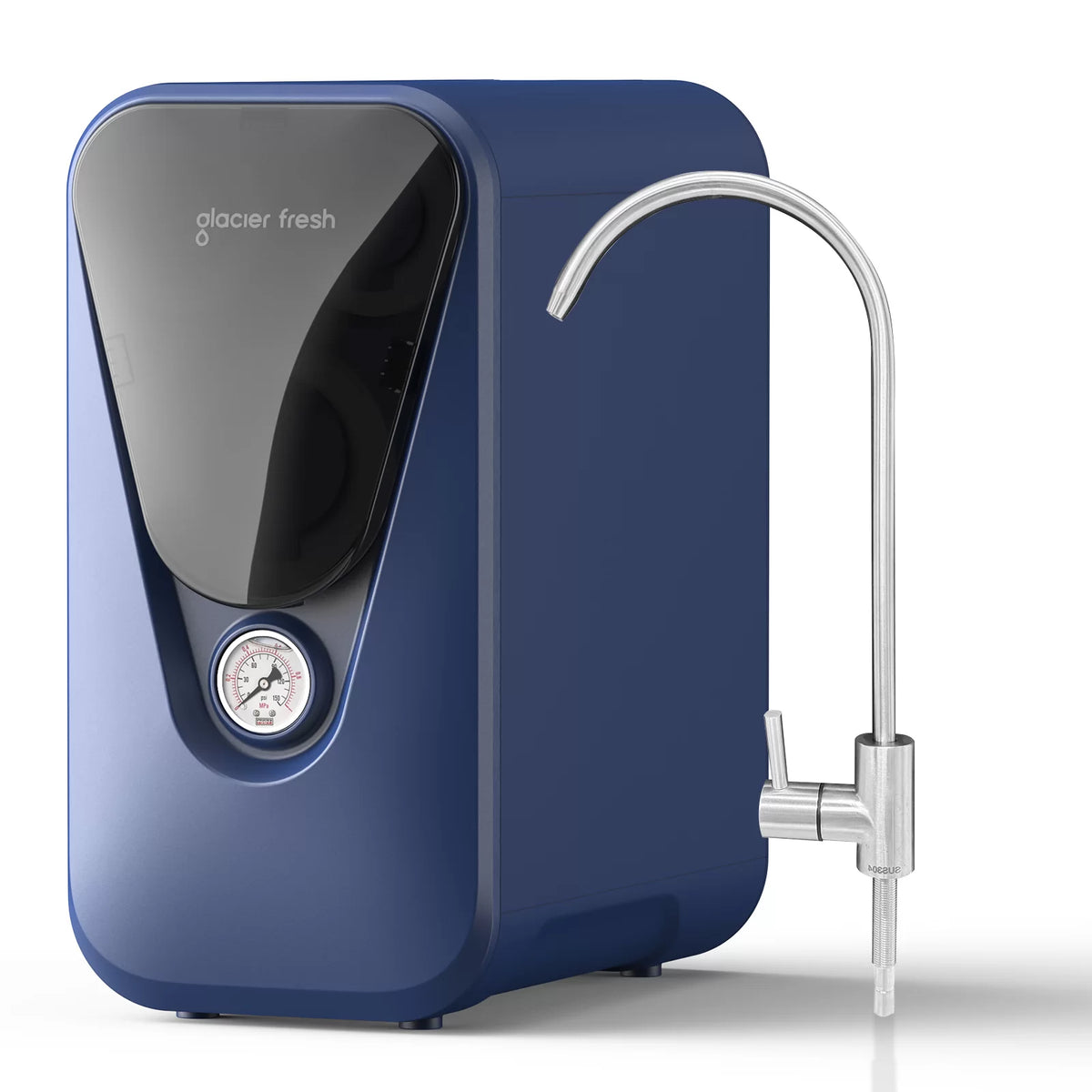
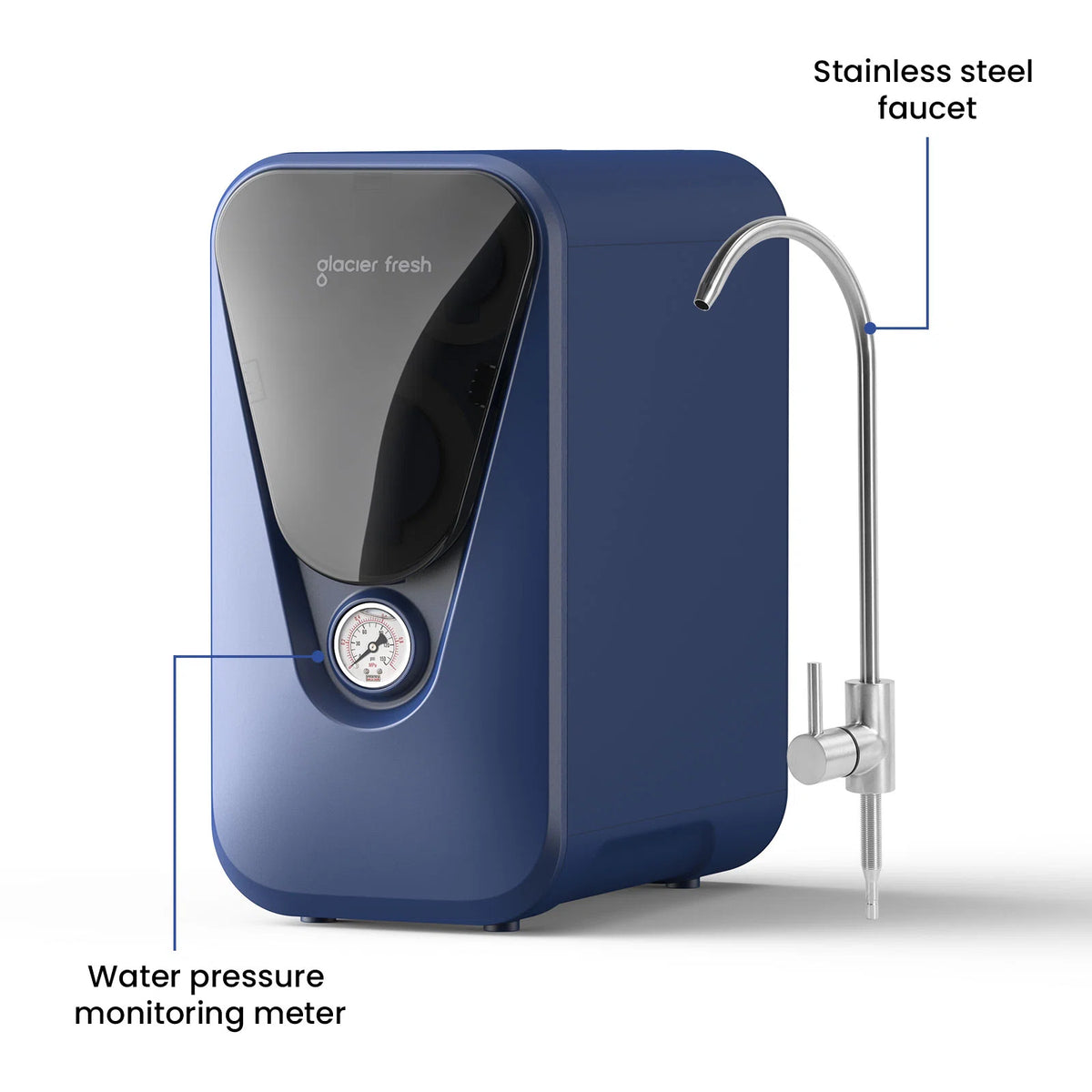
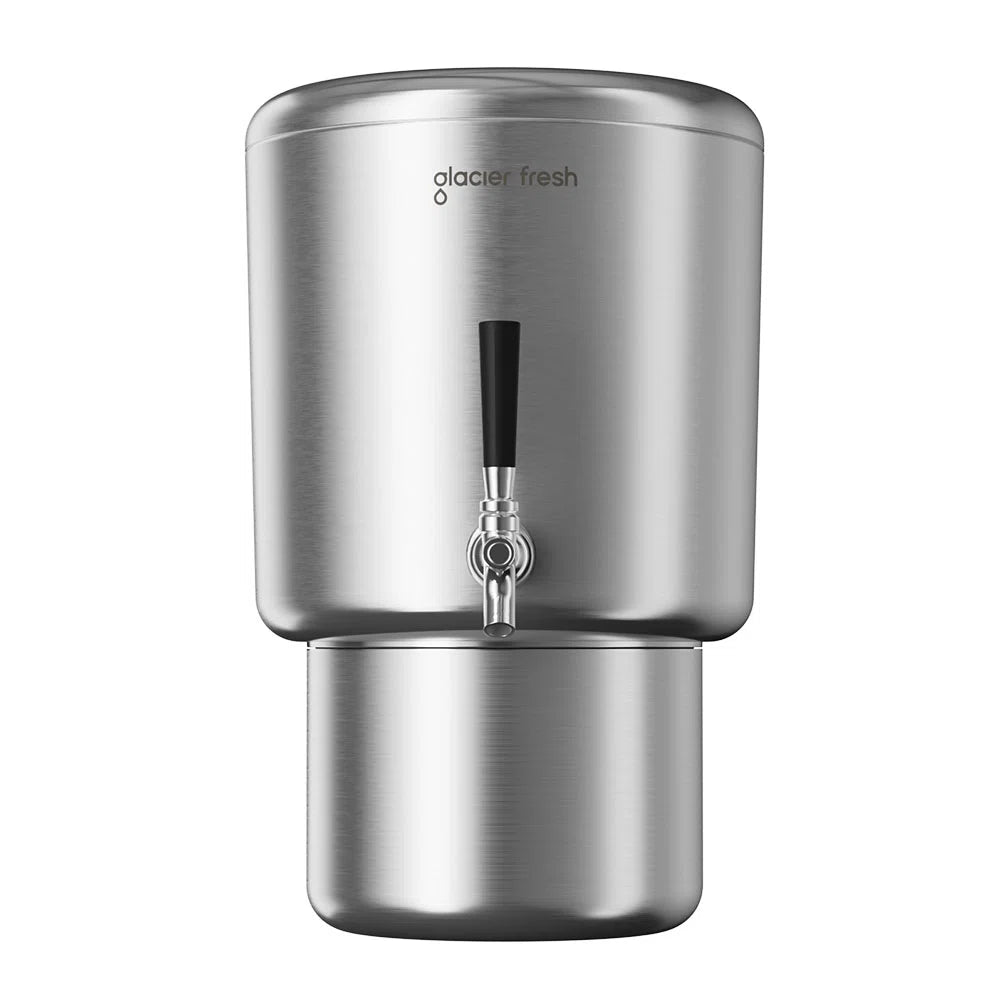
Kangen water with different pH levels has different uses. If you simply want to drink slightly alkaline water, we do not recommend purchasing it, as it is very expensive. Instead, we recommend the Glacier Fresh Alkaline Reverse Osmosis System. Not only is it affordable ($269), but it also comes with an RO system that filters out heavy metals and PFAS.
If you have a variety of needs and a sufficient budget—such as using eco-friendly cleaning products or preparing formula for a baby at home—then you might want to consider purchasing a Kangen machine.
FAQs
Q1: Is Kangen Water alkaline?
Yes. Kangen Water is ionized alkaline water. Depending on your preference and needs, you can set the machine to produce drinking water at pH 8.5, 9.0, or 9.5.
Q2: Who should not drink Kangen Water?
Infants and young children should avoid highly alkaline water; the pH should be maintained at 7.0. Similarly, individuals taking medication should ensure their water has a pH of 7.0 to avoid affecting the medication's efficacy.
Q3: Is Kangen Water FDA approved?
The US FDA (Food and Drug Administration) does not "approve" water ionizers or dietary water products in the same way it regulates pharmaceutical drugs. However, Enagic's manufacturing facilities are certified under ISO 13485 (medical devices standard) and ISO 9001 (quality management standard), and hold Gold Seal Certification from the Water Quality Association (WQA).