
Table of Contents:
How to Troubleshoot When the Water Smells Like Rotten Eggs
How to Fix Water Smells Like Rotten Eggs
Is It Safe to Drink Water That Smells Like Rotten Eggs?
Preventive Measures for Rotten Egg Smells in Water
Conclusion
FAQs
The reason the water from your faucet smells like rotten eggs is that it contains hydrogen sulfide. Hydrogen sulfide is an inorganic compound produced when sulfates in the water react with certain bacteria.
This article will teach you how to determine the source of the rotten egg smell and provide specific methods for eliminating it. Whether you use tap water or well water at home, you’ll find the answers here.
How to Troubleshoot When the Water Smells Like Rotten Eggs

1. Only Hot Water Smells Like Rotten Eggs
- When the magnesium anode rod in a storage-type water heater deteriorates, it reacts with sulfates and certain bacteria in the water to produce hydrogen sulfide. This is particularly likely to occur when the water heater has not been used for a long time or when the water temperature is set too low.
- If a water heater is not cleaned for an extended period and the temperature remains between 30 and 50 degrees Celsius, it accelerates the growth of anaerobic reducing bacteria, which can also lead to the production of sulfides.
2. Cold Water & Hot Water Both Smells Like Rotten Eggs
- If your household has just experienced a water outage that has been resolved, or if you’ve received notice of construction at the municipal water treatment plant, the temporary odor may be caused by stagnant water in your system. You can let the water run for one minute to see if the odor persists.
- If your household uses well water, this is unavoidable. This is because well water naturally contains sulfate-reducing bacteria, which can easily cause the water to have a rotten-egg smell.
3. Occasionally Or When the Faucet Is First Turned On
Tnis situation might caused by water accumulating and fermenting in the gaps of sink drains, floor drains, or pipe fittings.
How to Fix Water Smells Like Rotten Eggs
Before addressing this issue, you need to determine the exact cause of the rotten egg smell in the water. Here are some practical tips to help you quickly identify the source:
Way 1. Fill a glass with cold water and another with hot water, then smell them away from the sink drain or floor drain. This will help you quickly determine whether the hot water has an odor or if both hot and cold water do.
Way 2. Turn on the faucet and let the water run continuously for 1–2 minutes. If the odor is strong in the first few seconds but gradually fades afterward, it’s likely caused by stagnant water trapped in the pipes.
Way 3. Check when your water heater was last serviced. If it’s been more than 1–2 years since the magnesium anode rod was inspected or replaced, we recommend replacing it promptly and cleaning the inner tank.
Caution: Before disassembling the water heater, be sure to disconnect the power supply, shut off the water inlet valve, and allow the water to cool. Failure to do so may result in burns or electric shock. If you have never performed this procedure before, please contact the manufacturer’s customer service or a professional for assistance.
Once you've identified the source, it's very easy to fix! You can resolve the issue by following the corresponding solutions below:
How to Fix a Rotten Egg Smell in Hot Water:
- Replace the magnesium anode rod in the water heater with an aluminum/zinc anode rod.
- Clean the water heater tank.
How to Fix a Rotten Egg Smell in Both Hot and Cold Water:
- Let the water run for 1 minute before using it, and wait until the odor has completely disappeared. If this persists for more than a week, contact your water utility to investigate the issue.
- Use a household RO water filtration system, which can remove 99.9% of harmful substances as well as the rotten egg and chlorine odors.
Note: If you use a water filtration system, be sure to replace the filter cartridges regularly as specified in the product manual; otherwise, this may result in an unpleasant odor or an increase in bacteria in the water.
Is It Safe to Drink Water That Smells Like Rotten Eggs?
The answer is not safe to drink water that smells like rotten eggs. This is because you cannot determine whether the concentration of hydrogen sulfide in the water exceeds the safe limit.
Drinking water safety guidelines from the U.S. Environmental Protection Agency (EPA), the Minnesota Department of Health, and other agencies indicate that consuming water containing high concentrations of hydrogen sulfide or sulfates can irritate the digestive tract, causing nausea, abdominal pain, and diarrhea (due to its laxative effect). These effects are particularly pronounced in infants, the elderly, and people with sensitive digestive systems.
Furthermore, excessive levels of hydrogen sulfide in water indicate that the water has been contaminated. In addition to hydrogen sulfide, the water may also contain bacteria, microorganisms, or even heavy metals.
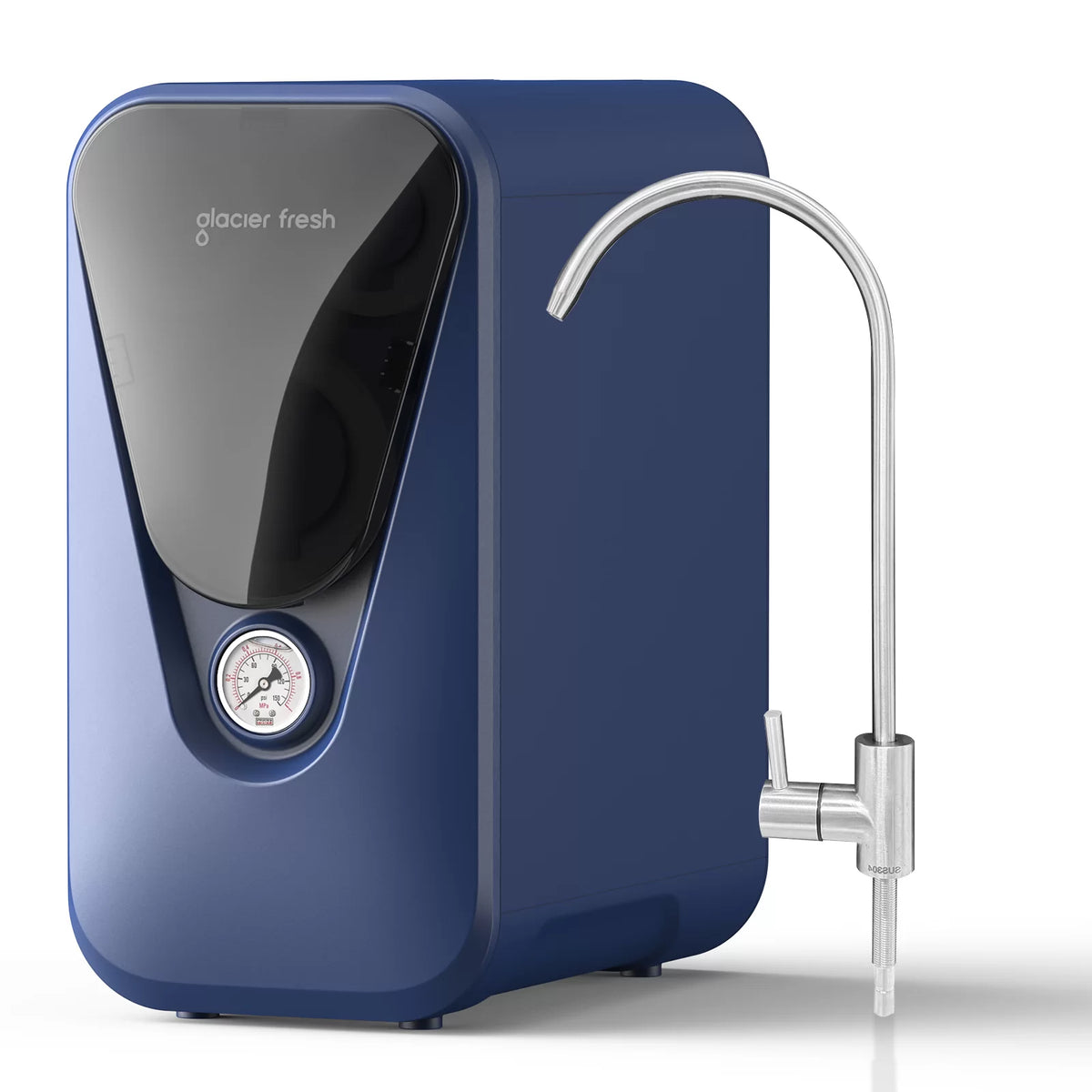
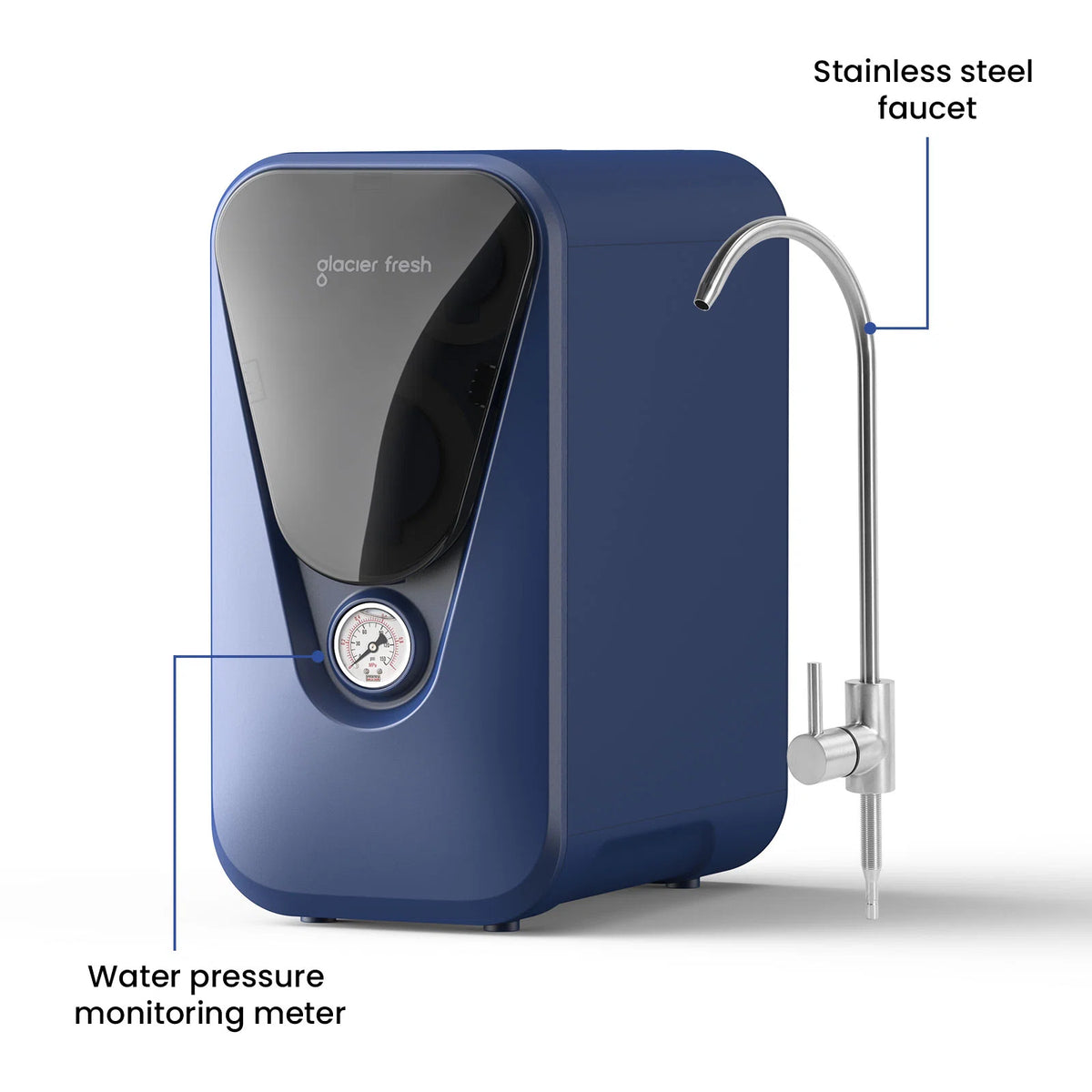
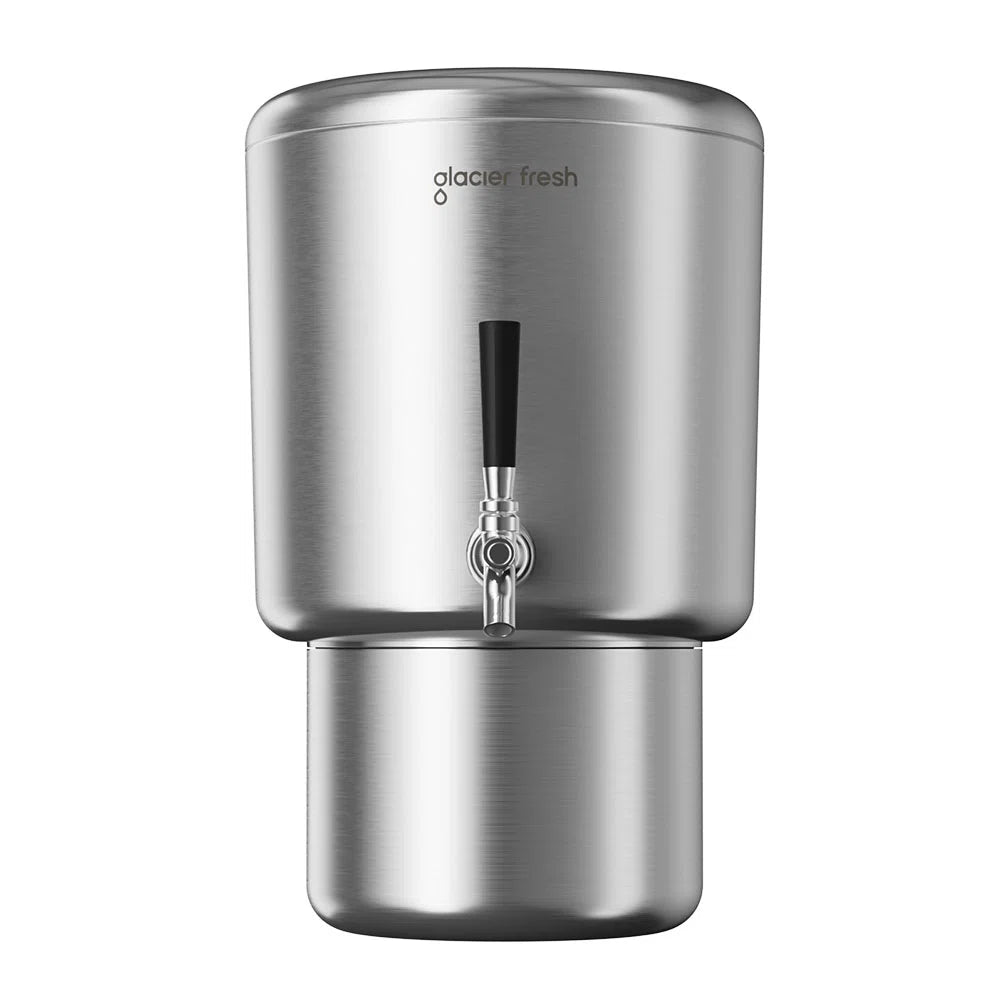
Therefore, choosing the right water purifier can help prevent various odor issues in your household water (especially for well water house). A system like Glacier Fresh’s RO system can solve all your drinking water problems, ensuring that you and your family enjoy a healthy and pure water supply.
Preventive Measures for Rotten Egg Smells in Water
· Annual well maintenance: Shock‑chlorinate your well and plumbing at least once a year.
· Regular anode rod inspection: Check water heater rods every 2–3 years; replace magnesium rods if you detect sulfur odors.
· Maintain proper aeration: Ensure deep wells have vents and that plumbing loops avoid dead‑legs where water can stagnate.
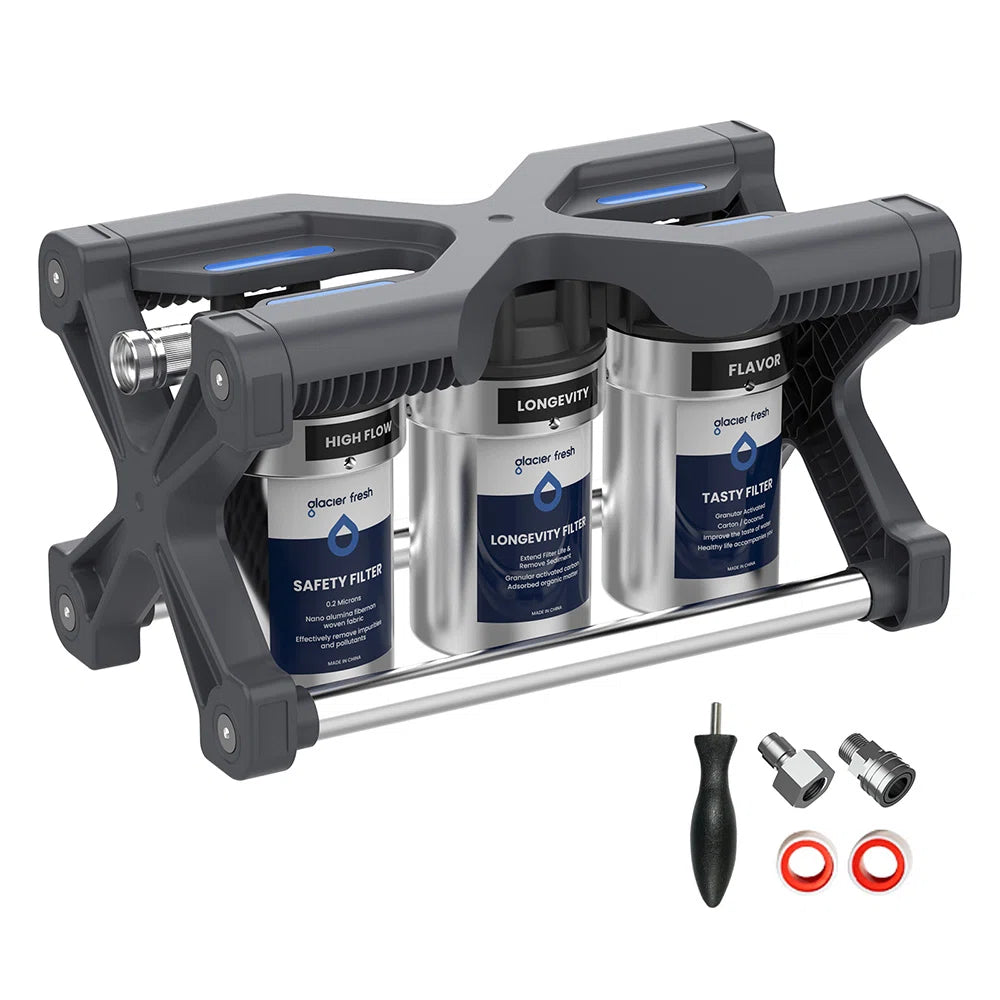
· Periodic filter servicing: Replace carbon and KDF cartridges according to Glacier Fresh’s recommended intervals—typically every 6–12 months.
· Annual water testing: Have a certified lab check for H₂S, iron, bacteria, and other contaminants to catch problems before odors return.
Conclusion
A rotten egg smell in your water is unpleasant but generally solvable. By understanding that hydrogen sulfide is the usual culprit, pinpointing whether the problem lies in your well, plumbing, or water heater, and applying targeted treatments (from shock chlorination to KDF or aeration filters), you can restore fresh, odor‑free water to your home. With Glacier Fresh comprehensive range of systems and preventive tips, you’ll be equipped to tackle sulfur odors now and keep your water clean and odorless for years.
FAQs
Q1: Can you make water that smells like rotten eggs safe to drink by boiling it?
Boiling causes most of the hydrogen sulfide gas dissolved in the water to evaporate, which reduces the odor. However, if the odor is caused by other contaminants, such as heavy metals, boiling will not solve the problem.
Q2: Can you use water that smells like rotten eggs to shower?
Boiling causes most of the hydrogen sulfide gas dissolved in the water to evaporate, which reduces the odor. However, if the odor is caused by other contaminants, such as heavy metals, boiling will not solve the problem.
Q3: When should you stop using water that smells like rotten eggs immediately?
If the odor becomes increasingly strong and the water starts to turn yellow or appear cloudy, stop using it immediately and seek professional help.