
Table of Contents:
What`s the link between water quality and indoor air quality?
The signs of poor indoor air quality
The health effects of poor indoor air quality
Sources of indoor air pollution related to water
Water filter choice by water source and lifestyle
Essential tips for improving water and indoor air quality
Simple maintenance and troubleshooting checklist
FAQs
Conclusion
Discover how water quality impacts indoor air quality and learn practical tips to enhance both. This 2026 guide explains the connection between waterborne contaminants, moisture, and airborne pollutants, then outlines practical steps for a cleaner, healthier home environment.
What`s the link between water quality and indoor air quality?

Clean water and healthy indoor air are connected through plumbing hygiene, evaporation, humidity, and filtration performance. When a home has untreated contaminants, leaks, or stagnant water, bacteria and mold can grow in damp areas and contribute to poor indoor air quality.
Having a glass of clean water in your hand, you might wonder how it is linked to the air you breathe indoors. It is all about water filtration and air circulation. When your home plumbing system is well maintained and the water is adequately filtered, it supports cleaner indoor conditions because clean water reduces the risk of bacteria and mold growth in pipes and wet surfaces.
Humidity control also plays a significant role. When water is used for showers, laundry, cooking, or cleaning, it evaporates and raises indoor humidity. If that humidity is not controlled, mold and dust mites can thrive.
Vapor diffusion explains how water vapor moves through materials from areas of high concentration to low concentration. If water carries unwanted chemicals or microbes, poor moisture control may allow related pollutants to affect the surrounding air.
The signs of poor indoor air quality
Early signs often appear before a household identifies the water or moisture source. Use these signals to decide when to inspect plumbing, humidity, ventilation, and filtration together.
- Persistent allergies or respiratory issues: sneezing, coughing, wheezing, or itchy eyes that feel worse indoors.
- Unpleasant odors: musty, chlorine-like, or chemical smells near sinks, bathrooms, laundry rooms, or stored RV hoses.
- Visible mold or mildew: spots on ceilings, grout, cabinets, walls, or around water lines often point to excess moisture.
- Excessive dust or damp surfaces: dust can hold allergens, while damp materials allow microbes to grow.
- A stale air quality room problem: rooms with poor airflow may hold moisture and odors longer, especially after showers or cleaning.
The health effects of poor indoor air quality

Poor indoor air quality can have immediate or long-term effects on your health, depending on the exposure level, duration, and personal sensitivity. Children, older adults, and people with asthma or allergies are often more vulnerable.
You might experience coughing, wheezing, shortness of breath, headaches, or eye irritation. According to the EPA, poor indoor air quality can have immediate or long-term effects on your health, especially when pollutants build up in closed spaces.
Over time, chronic exposure to mold spores, chemical vapors, dust mites, and moisture-related pollutants may worsen respiratory discomfort. This is why water filtration, leak control, ventilation, and humidity management should be treated as one home-health system rather than separate tasks.
Sources of indoor air pollution related to water

Water-related air problems usually begin with a source-water issue, a moisture pathway, or a filtration gap. The most common sources are mold from damp materials, contaminated water used in cleaning, and chemical pollutants that enter the home through tap or well water.
Mold growth from moisture
High moisture levels can cause mold growth, quietly compromising indoor air quality and household materials. You might not see it immediately, but you may notice musty smells, visible spots, or respiratory irritation over time.
Mold prevention starts with routine inspection: check for leaks, condensation-prone windows, damp basements, slow drains, and under-sink moisture. Keep bathrooms and laundry spaces ventilated, dry wet materials quickly, and use a hygrometer to keep indoor humidity generally around 30% to 50%.
Contaminated water in cleaning
Contaminated water used for cleaning can spread residues onto surfaces and allow tiny droplets to become airborne during spraying, scrubbing, or rinsing. This is especially relevant in homes with hard water, chlorine odor, sediment, or private well water.
To reduce exposure, consider a good water filtration system for cleaning and drinking water. Also choose low-odor cleaning products, rinse surfaces well, and avoid over-wetting carpets, upholstery, or wood materials.
- Use filtered water where practical for food preparation, appliance filling, and sensitive cleaning tasks.
- Choose non-toxic cleaning solutions and avoid mixing chemicals.
- Keep humidity balanced so water droplets and residues do not linger.
- Clean and dry surfaces regularly to prevent microbial buildup.
Water-related chemical pollutants
Chemical pollutants in water may include chlorine byproducts, volatile compounds, metals, PFAS, or residues from local source-water conditions. Not every filter removes every contaminant, so the right system should match the water report, testing results, and home use pattern.
Municipal water often needs taste, chlorine, and disinfection-byproduct control. Well water may need sediment, bacteria, iron, manganese, or hardness treatment. RV users should also consider variable campground water quality, hose hygiene, and storage-tank sanitation.
Water filter choice by water source and lifestyle
A practical filter decision should start with where the water comes from, how it is used, and whether the system stays in one place. The table below keeps the choice simple without overloading the article.
| Use case | Best-fit system | Pros | Limits | Maintenance level |
|---|---|---|---|---|
| Apartment or small home | Under-sink ultrafiltration or countertop filter | Compact, low-waste, good for taste, sediment, and many everyday contaminants | May not reduce dissolved solids or all emerging contaminants | Low to medium |
| Whole kitchen drinking water | Reverse osmosis system | Strong reduction for many dissolved contaminants; useful when water reports show elevated TDS, metals, or PFAS concerns | Needs filter changes and some drain water; not ideal for every bathroom/laundry use | Medium |
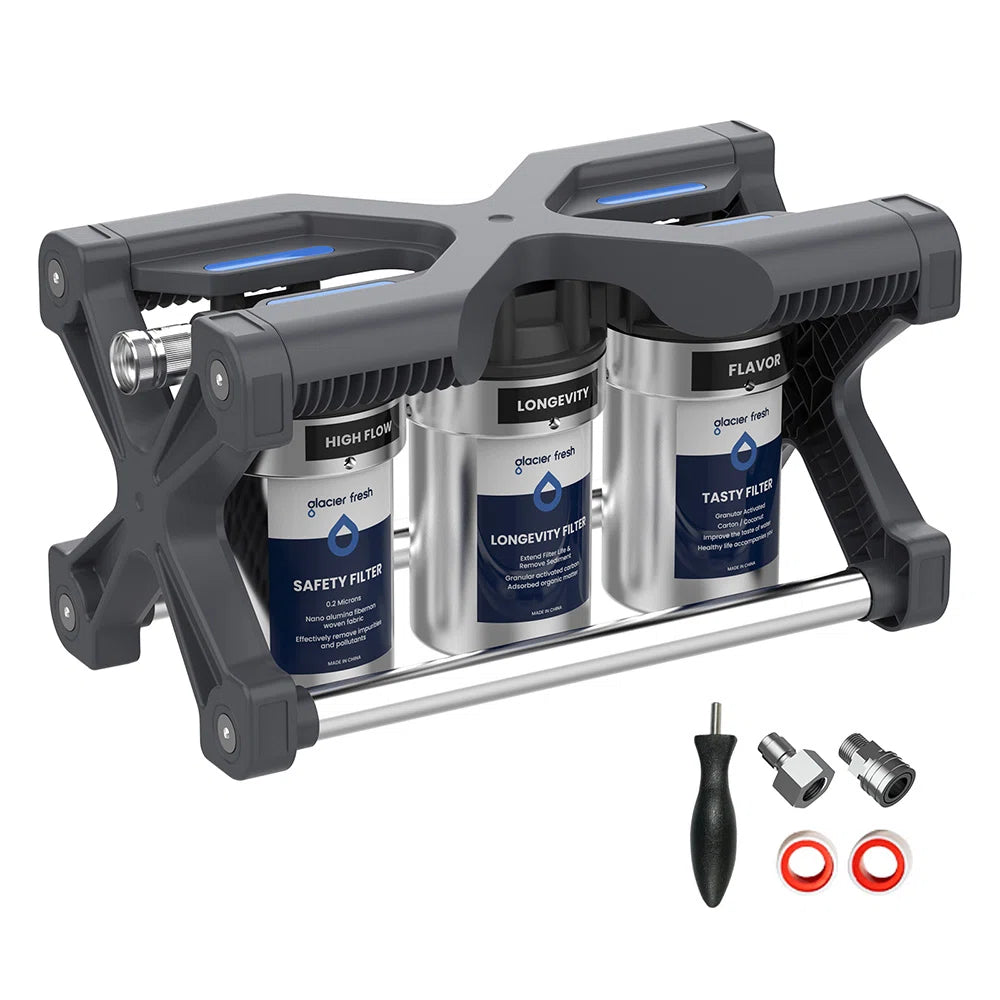
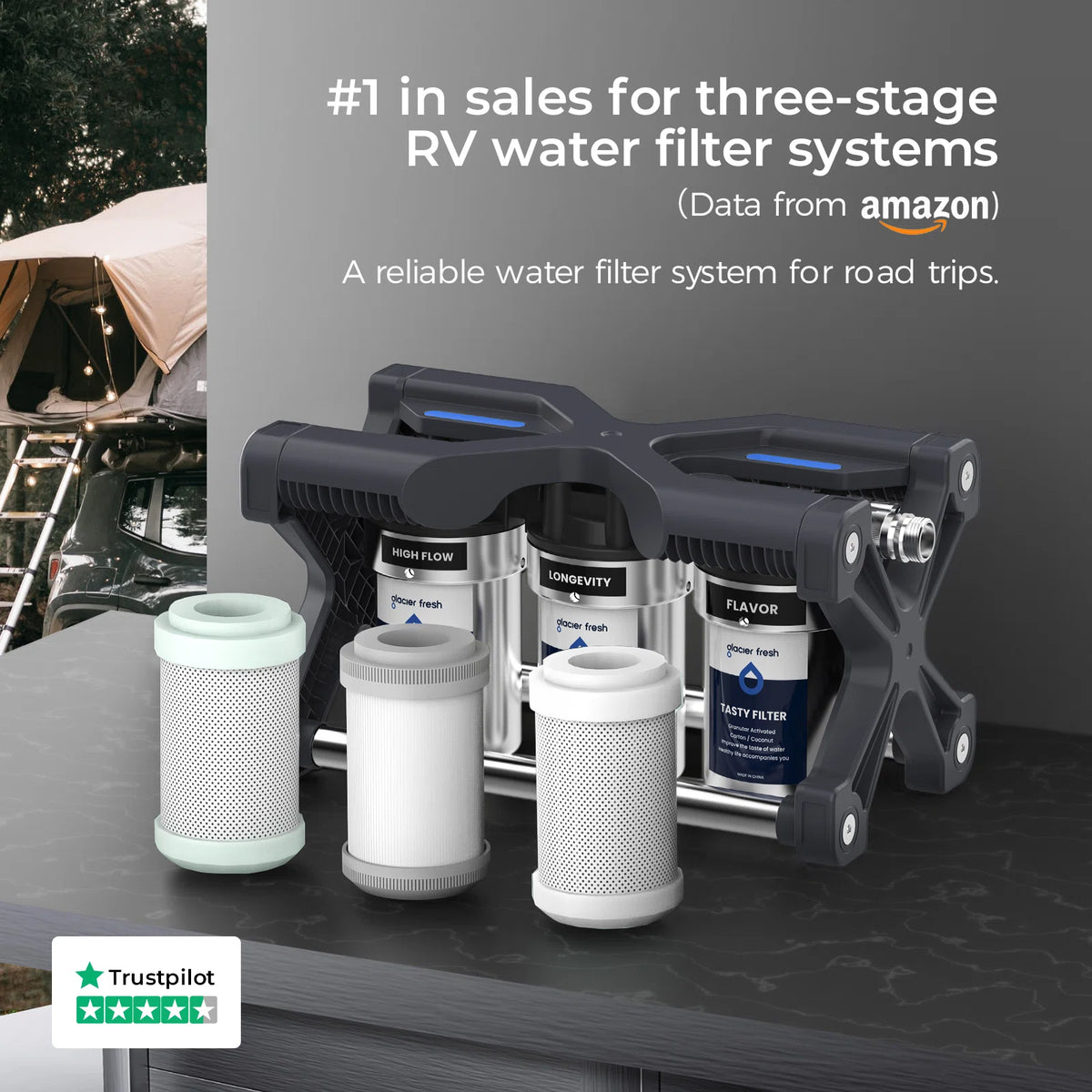
| RV and camping | Portable RV reverse osmosis or multi-stage RV filter | Handles changing water sources; supports safe drinking water on the road | Requires hose, tank, and cartridge hygiene; output may vary by pressure | Medium |
| Hard water area | Sediment + carbon + softener or scale control | Helps protect appliances and reduce mineral deposits | Softening does not equal contaminant removal | Medium |
| Private well | Test-led system: sediment, carbon, UV, RO, or specialty media as needed | Targets local risks such as microbes, iron, sulfur odor, or nitrates | Requires periodic lab testing and more upkeep | Medium to high |
Essential tips for improving water and indoor air quality

To live healthier, focus on the combined effect of water filtration, air purification, humidity control, household plants, and ventilation. These are practical ways of improving air quality without turning the home into a complicated project.
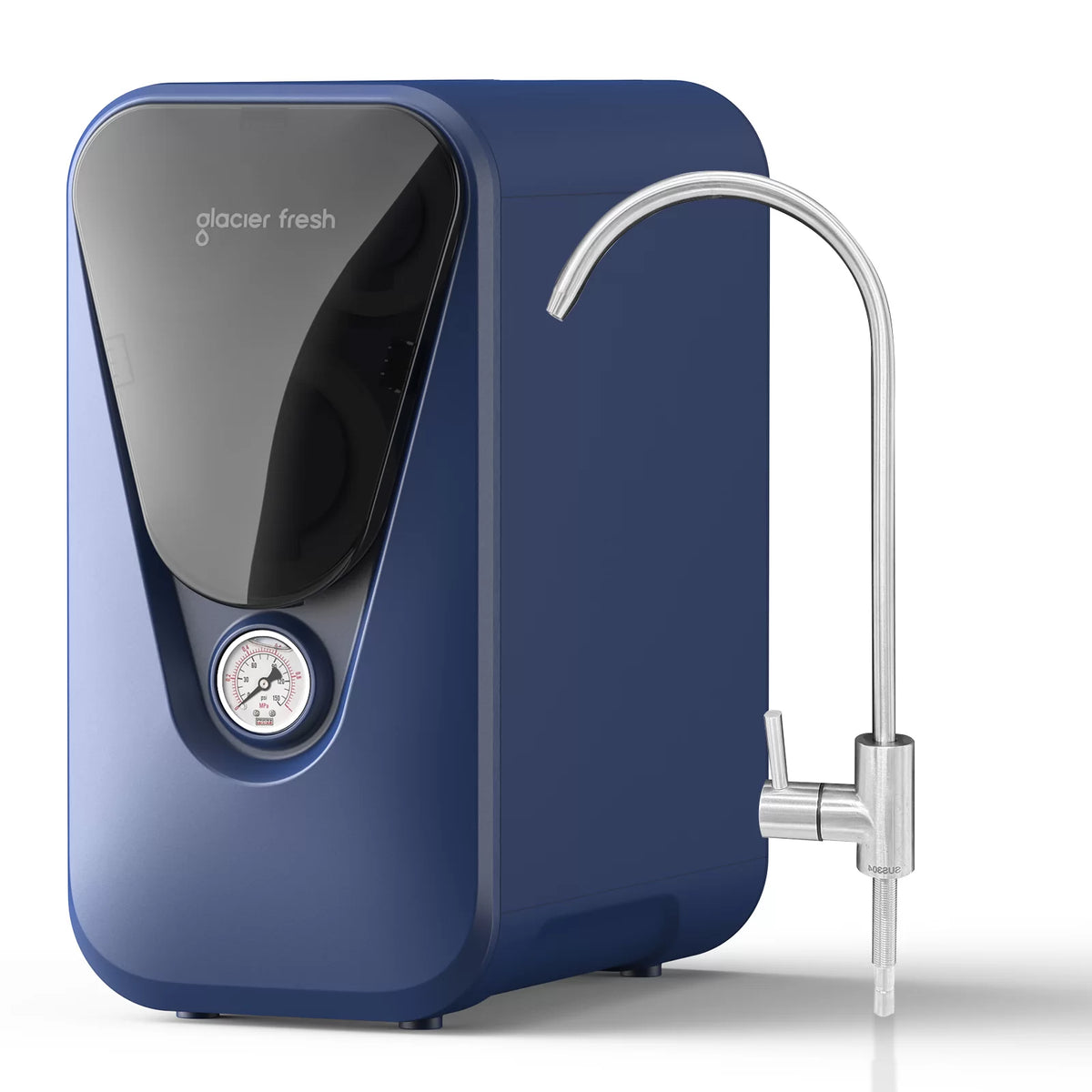
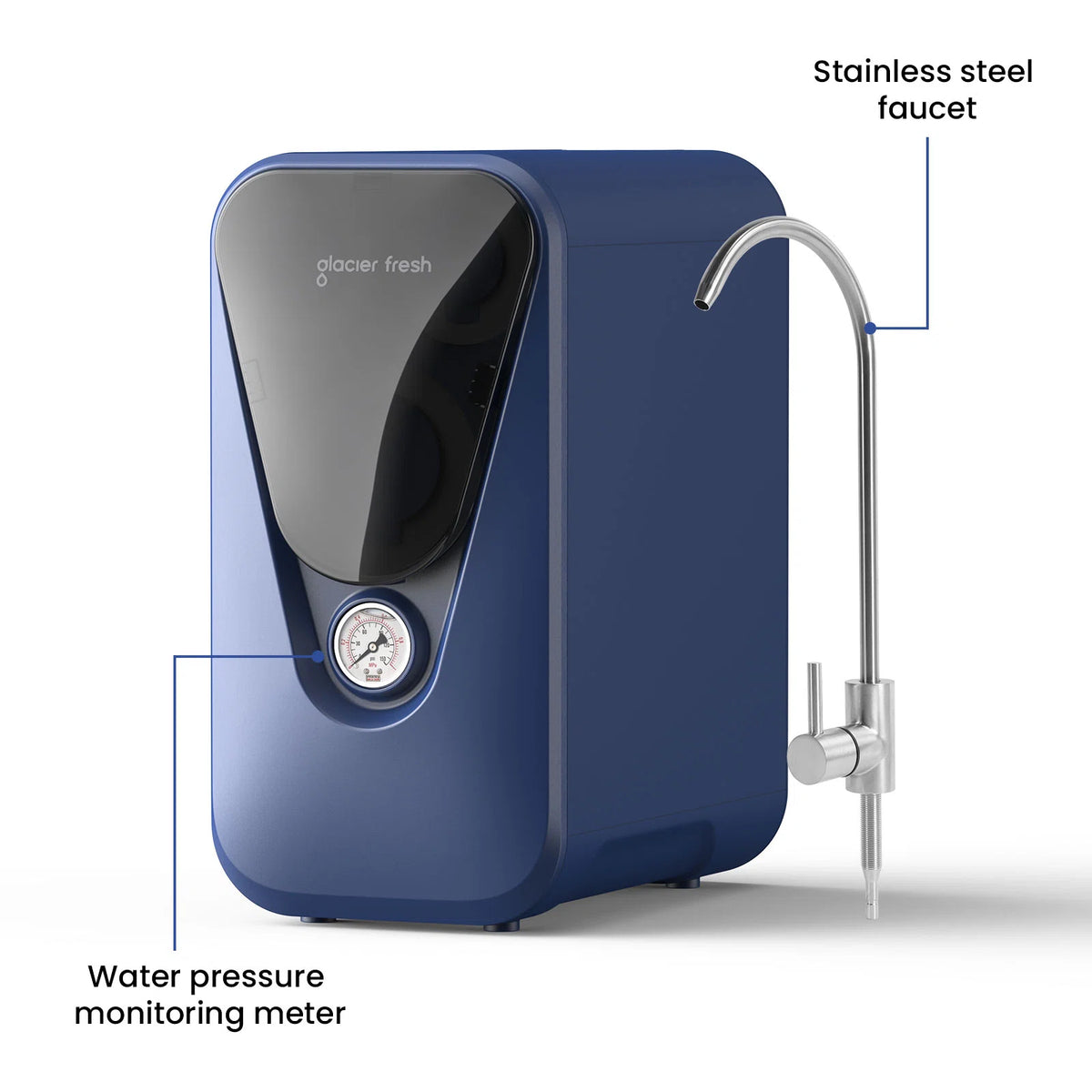
Water filtration: Invest in a high-quality water filtration system like a reverse osmosis system. It can reduce many harmful contaminants from drinking and cooking water, which helps limit water-related residues and odors in daily home use.
- Air purification: Use an air purifier with a suitable CADR for the room size, especially in bedrooms, nurseries, or spaces used for asthma management at home.
- Humidity control: Keep indoor humidity around 30% to 50% to reduce mold, dust mites, and stale odors.
- Ventilation: Run exhaust fans during showers and cooking; open windows when outdoor conditions are good.
- Testing: Use water test strips or certified lab tests for water, and use a monitor to test air quality in house for PM2.5, humidity, and VOC trends.
- Certifications: Look for credible third-party standards, such as NSF/ANSI standards for water filters and AHAM Verifide for air purifiers, when choosing high quality water and air products.
Simple maintenance and troubleshooting checklist
Routine maintenance is one of the easiest ways to protect filtration performance and support better air quality. Use this checklist for both home systems and RV setups.
| What to check | Warning sign | What to do | Applies to |
|---|---|---|---|
| Filter age and flow | Slower water flow, off taste, odor | Replace cartridges on schedule; flush new filters as directed | RO, UF, carbon, RV |
| Leaks and damp cabinets | Musty smell, swollen wood, visible mold | Repair leaks, dry area within 24-48 hours, improve airflow | Home systems |
| RO membrane performance | Rising TDS or poor taste | Check prefilters, pressure, membrane life, and tank function | Home RO, RV RO |
| RV hose and tank hygiene | Biofilm, cloudy water, campground odor | Sanitize tank, use drinking-water-safe hoses, drain between trips | RV systems |
| Humidity and ventilation | Condensation, stale air, mold spots | Use exhaust fans, dehumidifier, or HVAC ventilation | All homes |
FAQs
Does boiling water remove all potential air pollutants?
No. Boiling can inactivate many microbes, but it does not remove every chemical contaminant, dissolved solid, or airborne pollutant. Long boiling can also add moisture to the home, which may worsen humidity and mold risk if ventilation is poor.
What are the best methods to test water and air quality at home?
For water, start with your municipal water report or a certified lab test if you use a well. Quick test strips can screen for chlorine, hardness, pH, and TDS, while an indoor air monitor can track PM2.5, humidity, CO2, and VOC trends. Once you know the main water issue, a properly matched Glacier Fresh filtration system can help reduce the taste, odor, or contaminant concerns that affect daily water use.
Can water filtration systems remove emerging contaminants like PFAS?
Some systems can reduce certain PFAS, especially properly certified reverse osmosis and advanced carbon systems. Always check the product certification and contaminant reduction claims, because “filtered” does not mean every PFAS compound is removed.
How can I improve the water and air quality in my home?
Start with source-water testing, then choose filtration based on the results. A Glacier Fresh system can be part of a broader home routine that also includes humidity control, bathroom and kitchen ventilation, leak prevention, and air purification where needed.
What should I consider when choosing an indoor air quality system?
Match the system to the room size, pollutant type, noise level, filter replacement cost, and household needs. For families focused on asthma management at home, prioritize fine-particle filtration, humidity control, and moisture prevention alongside cleaner water.
Conclusion
In short, your home water quality can directly influence indoor air quality through humidity, mold risk, cleaning practices, and chemical exposure. Neglecting water and moisture control can lead to poor air quality signs and health effects. Improve your water and air quality by investing in a sound filtration system like Glacier Fresh, maintaining ideal humidity levels, using air purifiers, ensuring proper ventilation, and adding plants where appropriate. A healthier home environment is within reach when water, air, and maintenance are managed together.
Related Reading
- Reverse Osmosis, Nanofiber, Ultrafiltration: Which One Is Right for You?
- Water Filters for RV & Camping: Portable Multi-Stage Filtration Systems
- The Truth About PFAS in Your Tap Water: How to Remove It