
Table of Contents:
Fundamental principles of reverse osmosis
Key applications of reverse osmosis in industries
How to choose the right industrial RO system for your facility
Benefits of reverse osmosis systems in industrial applications
Common challenges and misconceptions about reverse osmosis
Industrial RO maintenance checklist
Case studies: successful implementations of RO in industries
FAQs
Conclusion
Explore how reverse osmosis (RO) technology is changing industrial water purification in 2026. This article explains its role in power generation, pharmaceuticals, food processing, electronics manufacturing, desalination, and wastewater reuse, with a focus on water quality, cost control, operational reliability, and sustainability.
You're probably familiar with reverse osmosis (RO), which purifies drinking water at home, but its industrial value is much broader. In manufacturing and utilities, RO supports stable product quality, regulatory compliance, lower chemical use, and water reuse. The reverse osmosis industry has grown because facilities need a repeatable way to remove dissolved impurities at scale without relying only on traditional chemical treatment.
But how exactly does it boost operational efficiency and help industries meet strict water standards? And what makes it more cost-effective and energy-efficient than older treatment methods? The answer starts with understanding pressure, membranes, pretreatment, and how the reverse osmosis process in water treatment is adapted for different industrial conditions.
Fundamental principles of reverse osmosis

Water purification, a vital process in many industries, often relies on a sophisticated method known as reverse osmosis. In simple terms, RO uses pressure to move water through a semipermeable membrane while rejecting many dissolved ions, organic compounds, and fine contaminants.
This technique hinges on two main principles: membrane technology and pressure dynamics. It is not just about screening particles. Industrial RO systems must account for osmotic pressure, feed-water temperature, pH, scaling potential, flow velocity, recovery rate, and membrane fouling risk.
To start, reverse osmosis requires pressure greater than the natural osmotic pressure. Operators apply this pressure to the more concentrated side of the feed stream, pushing water molecules through the membrane while salts and other contaminants are carried away in the concentrate stream.
The membrane of ro system is the heart of the process. It allows water molecules to pass through while rejecting many dissolved solids and process impurities. In industrial design, membrane selection matters because brackish water, seawater, boiler-feed water, pharmaceutical process water, and wastewater reuse may each require different membrane chemistry, pressure ratings, and pretreatment protection.
Key applications of reverse osmosis in industries
Now that you understand the principles behind RO, it is easier to see how it works in industrial settings. The main applications of reverse osmosis in industry today include desalination, wastewater recycling, boiler-feed preparation, food and beverage processing, pharmaceutical manufacturing, electronics production, and polishing steps after other filtration technologies.
Seawater desalination is a key application where an under sink reverse osmosis system demonstrates the same basic RO principle at a smaller scale, while industrial systems use larger membrane arrays, pretreatment skids, pumps, and controls to transform seawater or brackish water into usable water.
When it comes to wastewater treatment, reverse osmosis is a game-changer. It can remove dissolved contaminants after biological, chemical, or mechanical treatment, making water suitable for reuse in industrial processes or safer discharge where regulations allow. Reverse osmosis in water treatment plant operations is often used as a polishing step because it can reduce total dissolved solids and improve consistency.
| Application | Typical RO Role | Business Benefit |
| Seawater desalination | Converts saline water into usable process or potable water | Expands water supply in water-scarce regions |
| Wastewater reuse | Polishes treated effluent after upstream treatment | Reduces freshwater demand and discharge volume |
| Food and beverage | Purifies ingredient, rinse, and process water | Improves product consistency and safety |
| Pharmaceuticals and electronics | Feeds high-purity or ultrapure water systems | Supports strict quality and contamination control |
How to choose the right industrial RO system for your facility
How do I choose the right industrial RO system for my facility? Start with water testing, not equipment size. A reliable specification should begin with TDS, hardness, silica, iron, manganese, chlorine, organics, microbiological risk, temperature, daily demand, peak flow, and the final quality target. From there, engineers can size pretreatment, pumps, membrane arrays, concentrate handling, controls, and cleaning systems.
| Decision Point | What to Check | Practical Choice |
| Feed-water source | Municipal, well, seawater, brackish, or wastewater reuse | Match membrane type and pretreatment to source chemistry |
| Purity target | TDS, conductivity, microbial limits, product standards | Use RO alone or combine with carbon, softening, UF, UV, EDI, or polishing |
| Flow and recovery | Average demand, peak demand, reject-water limits | Size pumps and arrays for stable recovery, not just maximum output |
| Maintenance capacity | Staff skill, downtime tolerance, spare parts, CIP access | Choose an accessible skid with monitoring, alarms, and clear service points |
The main components of an industrial reverse osmosis plant usually include feed-water tanks, cartridge or multimedia filters, carbon or dechlorination stages, antiscalant dosing or softening, high-pressure pumps, membrane pressure vessels, concentrate controls, permeate storage, instrumentation, and clean-in-place equipment. A water treatment plant reverse osmosis setup should also include sampling points and records for conductivity, pressure drop, flow, recovery, and membrane cleaning history.
Benefits of reverse osmosis systems in industrial applications

With the adoption of reverse osmosis systems in industrial operations, facilities can experience several notable benefits when the system is properly designed and maintained.
First, this technology offers long-term cost efficiency. It can reduce dependence on expensive chemicals used in other water treatment processes. By treating water at a molecular level, RO can lower energy demand in downstream equipment, reduce scaling, and support water reuse strategies that cut purchase and discharge costs.
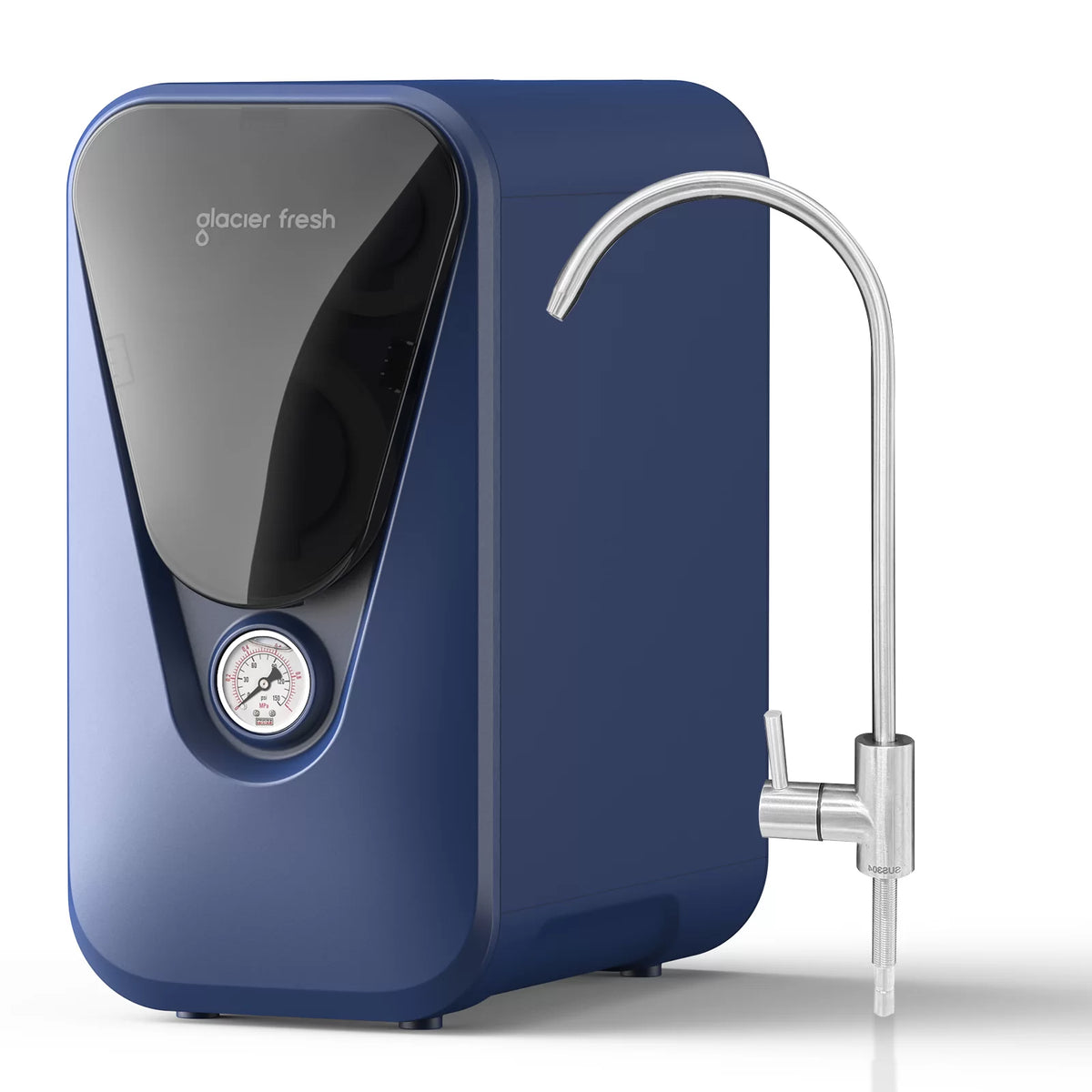
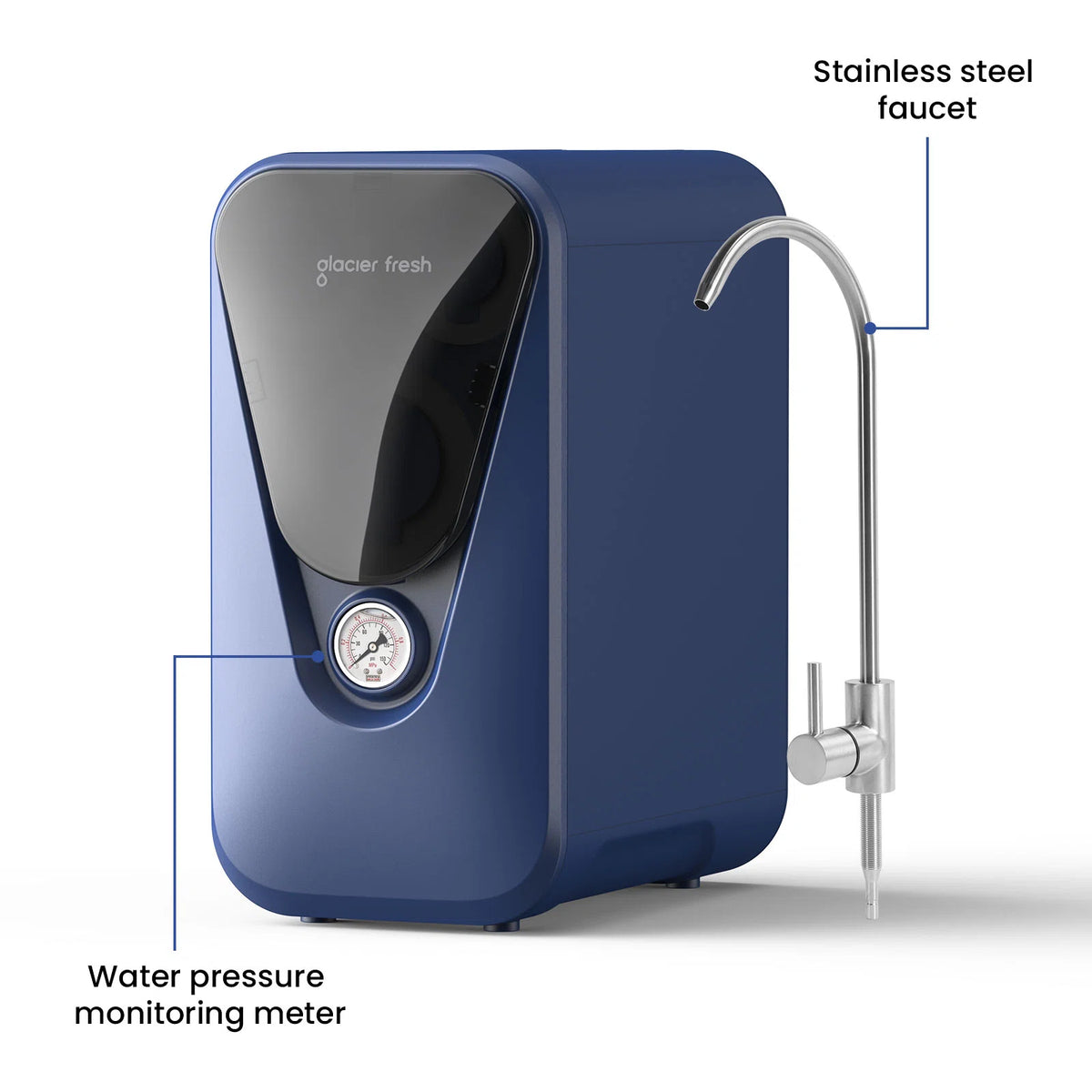
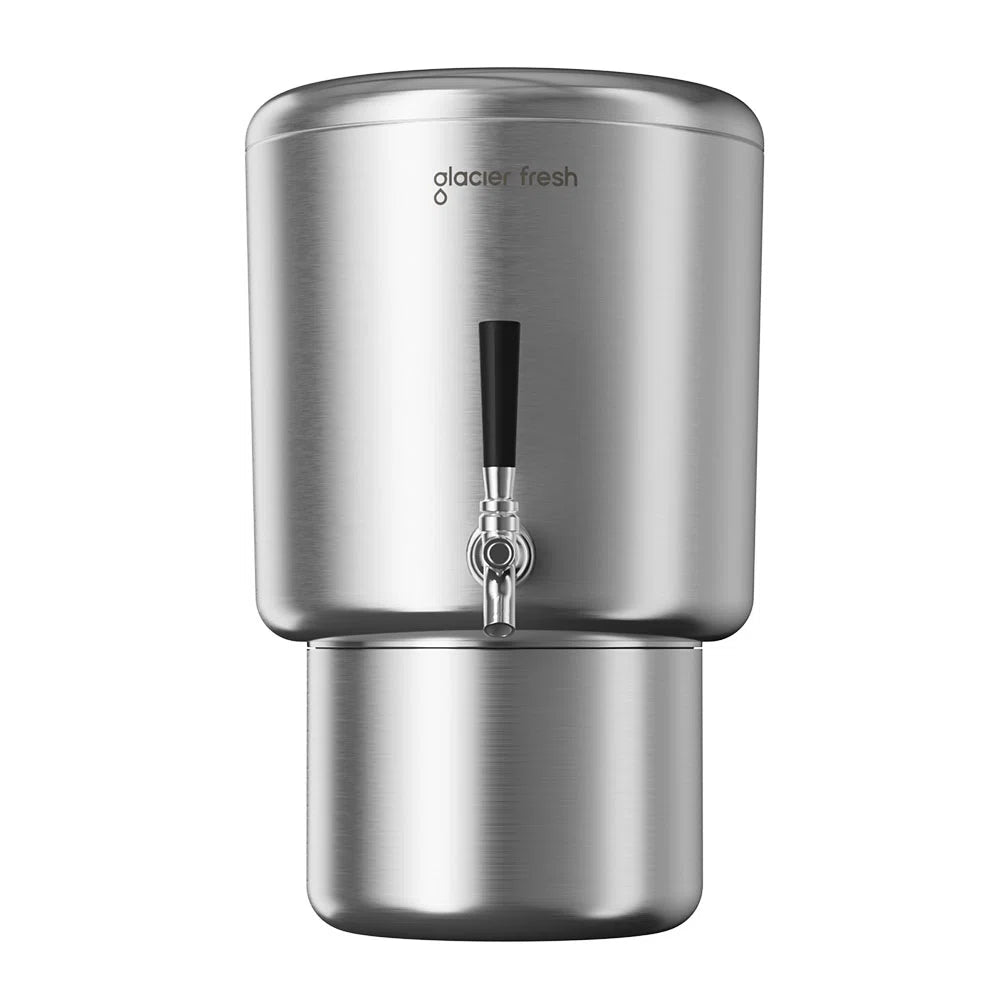
Next, it can significantly improve water quality. A Glacier Fresh reverse osmosis system effectively removes many contaminants, including hazardous chemicals, heavy metals, bacteria, and dissolved solids. This is valuable for industrial processes that require stable, high-purity water, such as food and beverage production, pharmaceutical manufacturing, and electronics fabrication.
Lastly, reverse osmosis unit system maintenance is straightforward and hassle-free when the system is designed with the right pretreatment and monitoring. Regular checks, timely filter changes, pressure-drop tracking, and scheduled membrane cleaning help keep performance stable and reduce unplanned downtime.
Can you explain the benefits of using ROTEK reverse osmosis units? In general, facilities evaluating ROTEK or similar industrial RO units should look for consistent permeate quality, durable membrane housings, accessible service points, energy-efficient pumps, clear controls, and support for preventive maintenance. Brand selection should always be matched with verified feed-water data and process requirements.
Common challenges and misconceptions about reverse osmosis
Adopting reverse osmosis technology can be challenging despite its benefits. The most common concerns involve upfront cost, membrane fouling, water recovery, pretreatment complexity, and the belief that RO systems always waste too much water.
Many believe that RO systems are expensive, but the initial investment can lead to long-term savings when it reduces chemical use, product losses, boiler scaling, wastewater discharge, or production downtime. The better question is not only equipment price, but total cost per gallon of usable permeate over the system life.
Another hurdle is maintenance myths. Some people believe that RO systems require constant, costly service. In reality, the main tasks are predictable: monitor pressure and flow, replace prefilters, control scaling, prevent chlorine damage where membranes are sensitive, inspect O-rings and seals, and clean membranes when normalized performance shows decline.
Efficiency is another area clouded by misconceptions. RO does produce a concentrate stream, but modern industrial systems can be designed for higher recovery when feed-water chemistry allows it. The best design balances recovery, membrane life, energy use, and concentrate management rather than chasing one number.
Industrial RO maintenance checklist
A simple maintenance routine helps protect membrane life and keep water quality stable. Use the following checklist as a practical starting point, then adjust it to your equipment manual and local water conditions:
- Record feed pressure, permeate pressure, concentrate pressure, permeate flow, concentrate flow, recovery rate, conductivity, and temperature at the same time each day.
- Flush the system as recommended after shutdowns or high-fouling events to reduce stagnant water and accumulated solids.
- Replace sediment and carbon prefilters before pressure drop becomes excessive; delayed replacement can damage pumps and membranes.
- Inspect O-rings, fittings, housings, and tubing for small leaks, flattening, cracks, or chemical wear.
- Clean membranes when normalized permeate flow drops, salt passage rises, or pressure drop increases beyond the manufacturer’s limit.
Case studies: successful implementations of RO in industries
 As you consider implementing reverse osmosis within your industry, looking at real-world use cases can be useful. The examples below show how RO supports product quality, efficiency, and compliance across different operations.
- Food processing: A beverage company used RO to improve the consistency and taste of its products. The system removed impurities from the water used in brewing, resulting in more predictable quality.
- Pharmaceutical manufacturing: A pharmaceutical company implemented RO to purify water used in medication manufacturing. The system helped meet strict quality standards before additional polishing steps.
- Wastewater treatment: A wastewater treatment plant employed RO to purify treated water. The system removed dissolved contaminants, making the water suitable for reuse or approved non-potable applications.
Electronics manufacturing: An electronics company used RO to obtain highly purified water for semiconductor production. The process reduced contamination risks and supported the production of high-quality components.
These examples show why the reverse osmosis industry continues to matter for industrial planning. Whether the goal is product stability, reuse, or compliance, RO works best when it is treated as part of a complete water strategy rather than a standalone filter.
FAQs
Can reverse osmosis systems be used in all industries, or are there exceptions?
RO is widely useful, but it is not universal. Some applications require pretreatment, softening, ultrafiltration, UV, ion exchange, or chemical treatment before or after RO. Facilities with very oily, highly organic, or extremely scaling water may need stronger upstream treatment before RO becomes practical.
What specific safety measures are needed when using reverse osmosis in industry?
Operators should maintain system integrity, handle chemicals safely, use proper protective equipment, and follow lockout procedures for pumps and pressure vessels. Regular inspection, staff training, clean-in-place procedures, and documented water-quality checks are essential.
What are the main components of an industrial reverse osmosis plant?
The main components are pretreatment filters, chemical dosing or softening, high-pressure pumps, membrane pressure vessels, RO membranes, valves, flow meters, pressure gauges, conductivity meters, permeate storage, concentrate controls, and cleaning equipment.
How does a whole house reverse osmosis system work compared with industrial RO?
A whole house reverse osmosis system works by using pressure to push incoming water through RO membranes before distribution through the home. Industrial RO uses the same core principle, but it operates at larger flow rates, with more advanced pretreatment, controls, monitoring, and concentrate management. For residential RO, Glacier Fresh is more relevant to home-use filtration than to full industrial plant design.
How do I choose the right industrial RO system for my facility?
Test your feed water first, define the required permeate quality, calculate daily and peak demand, review discharge limits, and confirm maintenance capacity. Then choose membrane type, pretreatment, pump size, recovery target, controls, and service plan based on those requirements. If the need is smaller-scale drinking-water filtration rather than industrial process water, Glacier Fresh can be considered separately from industrial RO equipment.
Conclusion
Reverse osmosis is no longer just a home water technology. In 2026, it is a practical tool for desalination, wastewater reuse, food processing, pharmaceuticals, electronics, and many other industrial applications. Its value comes from consistent contaminant reduction, lower chemical dependence, improved process stability, and the ability to support water reuse goals.
However, RO is not a one-size-fits-all solution. A reliable system depends on feed-water testing, correct pretreatment, membrane selection, pressure control, concentrate handling, and preventive maintenance. When these elements are planned well, industrial RO can deliver strong long-term value and help facilities meet demanding water-quality targets.
The future of industrial water treatment is here, and it is reverse osmosis. Visit Glacier Fresh to find more water filtration solutions.
Related Reading
- GlacierFresh RV Reverse Osmosis System
- Reverse Osmosis, Nanofiber, Ultrafiltration: Which One Is Right for You?
- Understanding RO System Parameters: GPD, TDS, and What They Mean for You