
Table of Contents:
Plain water: the basics you need to know
Pros and cons of drinking plain water during intense exercise
Sports drinks: How much do you know about it?
Plain water vs sports drinks: which wins?
Choosing plain water or sports drinks: factors to consider
Simple hydration target for training days
FAQs
Conclusion
When it comes to fueling your body during physical activity, the debate is not simply water vs energy drinks or sports drinks. The better question is how long you are exercising, how much you sweat, and whether you need electrolytes or carbohydrates in addition to fluid. This guide explains when plain water is enough, when sports drinks make sense, and how to choose without overdoing sugar or sodium.
Plain water: the basics you need to know
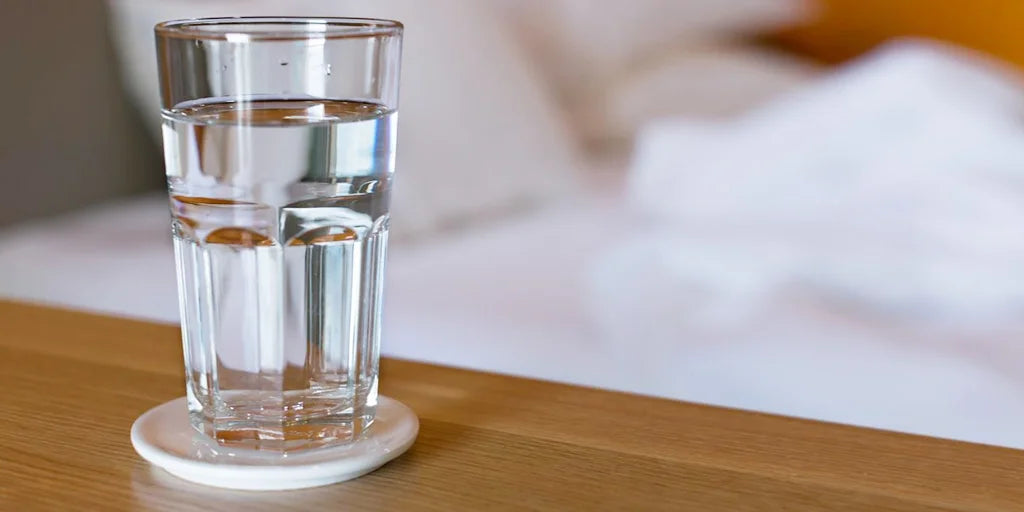
Plain water remains the foundation of athletic hydration because it replaces fluid quickly, supports temperature control, and helps the body maintain normal circulation during movement. For light to moderate workouts, it is usually the cleanest and most practical option, especially when the water tastes good and is easy to drink before, during, and after training.
Water also supports electrolyte balance during workouts by keeping fluid moving through the body, even though it does not replace minerals lost in heavy sweat. By drinking water consistently, athletes reduce the risk of dehydration-related fatigue, dizziness, headaches, and performance decline.
From a long-term health perspective, plain water has a major advantage: it contains no added sugars, artificial colors, or unnecessary calories. Taste preferences vary, but many athletes find that filtered water is easier to drink regularly because it reduces unpleasant tap-water taste and odor.
Pros and cons of drinking plain water during intense exercise

Plain water is highly effective for maintaining normal fluid balance, but during intense or prolonged exercise it may not cover every need. The main benefit is simple hydration without sugar; the main limitation is that water alone does not provide sodium, potassium, or carbohydrate energy when sweat and exertion are high.
- Pros: water is calorie-free, widely available, easy on the stomach, and suitable for daily workouts, gym sessions, walking, yoga, and moderate cardio.
- Cons: it does not replace electrolytes lost through heavy sweating and may not provide enough quick energy for long races, outdoor training in heat, or back-to-back sessions.
- Best use: choose water for workouts under about 60 minutes, unless you sweat heavily, train in high heat, or have been advised to manage electrolytes more carefully.
Sports drinks: How much do you know about it?

Sports drinks are designed for performance situations, not as a daily replacement for water. Their value comes from a mix of fluid, sodium, potassium, and carbohydrates that can help maintain energy and hydration when exercise is long, hot, or unusually demanding.
- Electrolyte support: sodium, potassium, and magnesium help regulate fluid balance, muscle contraction, and nerve signaling.
- Faster practical fueling: the carbohydrate content can provide quick energy during endurance exercise, especially when solid food is hard to tolerate.
- Performance context: the science behind sports drinks is most relevant during prolonged or high-intensity activity, not casual sipping at a desk or during short workouts.
The trade-off is sugar and sodium. A sports drink can be useful during a two-hour run, a hot-weather cycling session, or tournament play, but frequent use outside those contexts can increase daily sugar intake without a real hydration benefit.
Plain water vs sports drinks: which wins?
 The winner depends on exercise duration, sweat loss, intensity, and your nutrition goals. In most daily situations, plain water wins for simplicity and health. During prolonged, sweaty, or high-output training, sports drinks can win because they replace more than fluid.
Hydration benefits of plain water
For routine training, water is the most efficient choice because it hydrates without extra calories, sweetness, or additives. Its hydration benefits are especially strong for athletes who already eat balanced meals and do not need extra carbohydrate during exercise.
Electrolyte replenishment
Sports drinks become more valuable when sweat loss is high. Electrolytes such as sodium and potassium help retain fluid, support muscle function, and reduce the chance of performance dips linked to dehydration or mineral loss.
Sugar content comparison
Plain water has no sugar. Sports drinks often contain added sugar to improve taste and provide fast carbohydrate energy. That can help during long workouts, but it is less useful for short sessions and may be unnecessary for people who are managing calorie or sugar intake.
Performance impact during exercise
Water supports hydration; sports drinks support hydration plus energy and electrolytes. For a short jog, water is usually enough. For a marathon, long hike, tournament, or hot outdoor training block, a sports drink can help maintain pace and reduce fatigue.
Hydration decision framework
Use this framework to decide whether a water or sports drink fits the session in front of you.
|
Situation |
Best choice |
Why it fits |
Watch-outs |
Practical timing |
|
Daily hydration or rest day |
Plain filtered water |
No sugar or calories; easy to drink consistently |
Do not force excessive water intake |
Sip regularly with meals and between meals |
|
Workout under 60 minutes |
Plain water |
Usually enough for normal sweat loss |
Heavy sweaters may need electrolytes |
Drink before and after; sip during as needed |
|
60–90+ minutes, heat, or heavy sweat |
Sports drink or electrolyte drink |
Replaces sodium and provides quick carbohydrate |
Check sugar and sodium per serving |
Start during exercise, not only after fatigue begins |
|
Low-sugar goal or sensitive stomach |
Water plus food-based electrolytes |
Allows hydration without a sweet drink |
May not fuel endurance sessions alone |
Pair water with salty foods or balanced meals |
Choosing plain water or sports drinks: factors to consider

A good hydration choice should match the workout, not the label on the bottle. Before choosing, consider training length, intensity, weather, sweat rate, stomach comfort, and whether you need energy during exercise or only fluid replacement.
- Exercise duration: under 60 minutes usually favors water; longer efforts may justify electrolytes and carbohydrates.
- Sweat rate and climate: hot, humid, or high-altitude conditions increase fluid and sodium losses.
- Nutrition goals: if you are already consuming gels, bars, or a meal, you may not need a sugary drink.
- Health context: people with kidney disease, heart conditions, high blood pressure, diabetes, or sodium restrictions should follow medical guidance before relying on electrolyte drinks.
For many athletes asking whether water better than gatorade is the right idea, the answer is: water is usually better for daily hydration and short workouts, while a sports drink may be better for long, sweaty sessions. For everyday use, drinking gatorade instead of water can add sugar and sodium you may not need.
Simple hydration target for training days
Hydration needs vary, but a simple estimate can help you plan. Start with a daily baseline, then add fluid for training time, heat, sweat, or illness-related losses. Urine color is also useful: pale yellow usually suggests adequate hydration, while dark yellow often means you need more fluid.
|
Step |
Simple estimate |
How to adjust |
|
Daily baseline |
Body weight in kg × 30–35 ml |
Use lower end for rest days; higher end for active days |
|
Exercise add-on |
+400–800 ml per hour of training |
Increase in heat or heavy sweating conditions |
|
Electrolyte trigger |
Consider electrolytes after 60–90 minutes |
Especially for endurance training, heat, or repeated sessions |
FAQs
Are sports drinks better than water?
Not always. Sports drinks are better for long, sweaty, high-intensity workouts where electrolytes and carbohydrates matter. For everyday hydration and short workouts, plain water is usually the healthier default, especially when Glacier Fresh filtered water makes it easy to drink without added sugar or calories.
How do sports drinks compare to water for hydration?
Water replaces fluid without sugar or calories. Sports drinks replace fluid plus electrolytes and carbohydrate, which can support endurance but may be unnecessary for short or low-intensity sessions.
What are the benefits of drinking sports drinks during exercise?
The main benefits are sodium replacement, quick carbohydrate energy, better taste for some athletes, and practical fueling during long sessions when eating solid food is difficult.
When are sports drinks appropriate for hydration?
They are most appropriate for exercise lasting more than 60-90 minutes, heavy sweating, hot or humid conditions, tournament play, long hikes, or endurance events.
Are isotonic drinks effective for rehydration and energy replenishment?
Yes, isotonic drinks can be effective because they are formulated to deliver fluid, electrolytes, and carbohydrate at a concentration many athletes tolerate well. They are still best used around demanding exercise, not as an everyday water substitute. For daily hydration outside training, Glacier Fresh filtered water is the simpler fit.
Conclusion
For most people, plain water should remain the first choice for daily hydration and routine workouts. Sports drinks have a clear role when exercise is long, intense, hot, or sweat-heavy, but they are not automatically better. Choose based on duration, sweat loss, energy needs, and personal tolerance, then keep your hydration plan simple enough to follow consistently.
Related Reading
- Glacier Fresh U06 Under Sink Ultra Filtration Water Filter System
- Coolon Cold Water Dispenser
- The Health Benefits of Drinking Chilled Filtered Water