
Table of Contents:
Why People Consider Harvesting Rainwater?
Main Risks and Contaminants in Untreated Rainwater
How Rainwater Is Collected?
How to Make Rainwater Safe to Drink
How to Set Up a Potable Rainwater System?
Common Misconceptions About Drinking Rainwater
Conclusion
FAQs
It is not recommended to drink untreated rainwater directly. This is because during the formation and collection of rainwater, it may become contaminated with various bacteria—such as those from bird droppings and rooftops—as well as harmful substances like heavy metals. Even if rainwater appears clear, you should not drink it without caution.
This article will take an in-depth look at how rainwater forms, the potential risks involved, and methods for quickly making rainwater safe to drink!
Why People Consider Harvesting Rainwater?

Rainwater harvesting has been common for over a century. From the 17th to the 19th century, since most households did not have access to municipal water supplies, people collected rainwater for laundry, cooking, and other purposes. Even today, many households still collect rainwater for agricultural use or as an emergency water source.
Here are the main reasons why people collect rainwater:
1. Reducing Pressure on Municipal Water Supplies
In some arid regions of the West, rainwater harvesting can effectively alleviate the strain on local reservoirs and water treatment facilities.
2. Lowering Household Water Bills
Many households collect rainwater for irrigation, flushing toilets, or, after appropriate treatment, for domestic use to reduce water costs.
3. Emergency Preparedness
Rainwater harvesting can provide a backup water source in the event of water supply interruptions or extreme weather events.
4. Characteristics of Natural Soft Water
Since rainwater is soft water (it does not contain high concentrations of calcium and magnesium), it is less corrosive than tap water. After purification, it is more suitable for domestic use.
Main Risks and Contaminants in Untreated Rainwater
While rainwater can be a valuable resource, it’s not without its risks. Here’s a look at some of the potential dangers of drinking untreated rainwater:
1. Contaminants from the atmosphere
Rainwater collects pollutants as they fall through the atmosphere. Dust, pollen, bacteria, and even chemical pollutants like pesticides or industrial emissions can mix with rainwater, especially in urban areas. This can make the water unsafe to drink without proper filtration.
2. Collection system risks
The surface rainwater contacts during collection play a big role in its cleanliness. Roofs, gutters, and storage tanks can introduce harmful contaminants into the water, such as bird droppings, leaves, debris, and even harmful chemicals from roofing materials. These can all pose health risks if the water is consumed untreated.
3. Health risks
Without proper filtration, rainwater may contain pathogens like bacteria, viruses, and parasites that can cause waterborne diseases. While rainwater isn’t inherently dangerous, improper handling and poor collection systems can make it a potential health hazard.
How Rainwater Is Collected?

Understanding how rainwater is collected is key to determining its quality. Here’s a quick overview of the basic rainwater collection process:
1. Collection systems
Most rainwater harvesting systems capture water from rooftops, which flows through gutters and downpipes into storage containers such as tanks, barrels, or cisterns. Once treated, this collected water can be used for irrigation, washing, or drinking.
2. Factors affecting water quality
Several factors influence the quality of collected rainwater:
- Location: Urban environments with more pollution will generally produce lower-quality rainwater than rural areas with less contamination.
- Weather conditions: Rainwater quality can vary based on local weather, with cleaner rain following storms and more contaminated rain after prolonged dry spells.
- Collection surfaces: The type of roof and cleanliness of gutters can affect the amount of debris and contaminants in the collected water.
3. Pre-filtration measures
One essential step in ensuring the quality of collected rainwater is using a first-flush diverter. This device discards the first batch of rainwater that flows from the roof, which is often the dirtiest. The remaining rainwater, which is cleaner, is then filtered and stored for use.
How to Make Rainwater Safe to Drink

It is not possible to make rainwater drinkable using a single filtration method. This is because the biological, chemical, and physical contaminants in rainwater must be removed through a combination of multiple filtration methods.
| Treatment Stage | Technology | What It Removes |
|---|---|---|
| Pre-Filtration | Mesh screens & sediment filters (5–20 micron) | Leaves, insects, sands, silt, rust, etc |
| Chemical & Taste Filtration | Activated carbon filters | Chlorine, VOCs, pesticides, herbicides, bad odors/taste |
| Deep Contaminant Removal | Reverse osmosis systems | Heavy metals, PFAS, nitrates, etc |
| Microbiological Disinfection | UV purifiers or rolling boil | Bacteria, viruses, protozoa, etc |
1. Basic filtration
- Screening and pre-filtration: The first step in any rainwater filtration system is to remove large debris, such as leaves, twigs, and dust. A fine mesh screen can help prevent these contaminants from entering the water.
- Sediment filtration: Sediment filters remove finer particles like dirt and sand that can cloud the water, making it unappealing and harder to treat.
2. Advanced filtration methods
- Activated carbon filters: These filters like water pitcher filters are excellent for removing chlorine, volatile organic compounds (VOCs), and other chemicals that may be present in rainwater. They also help improve taste and odor.
- Reverse osmosis: For the highest level of purification, reverse osmosis system removes contaminants such as bacteria, viruses, heavy metals, and dissolved salts. RO is highly effective but can be slower and waste more water than other methods.
- UV purifiers: Ultraviolet (UV) light disinfects water by killing bacteria and viruses without chemicals. UV purifiers are highly effective in ensuring the microbiological safety of rainwater.
3. Boiling
If you don’t have access to a filtration system, boiling rainwater for at least 1-3 minutes can kill harmful pathogens. However, boiling doesn’t remove chemicals or heavy metals, so it should be combined with other filtration methods for optimal safety.
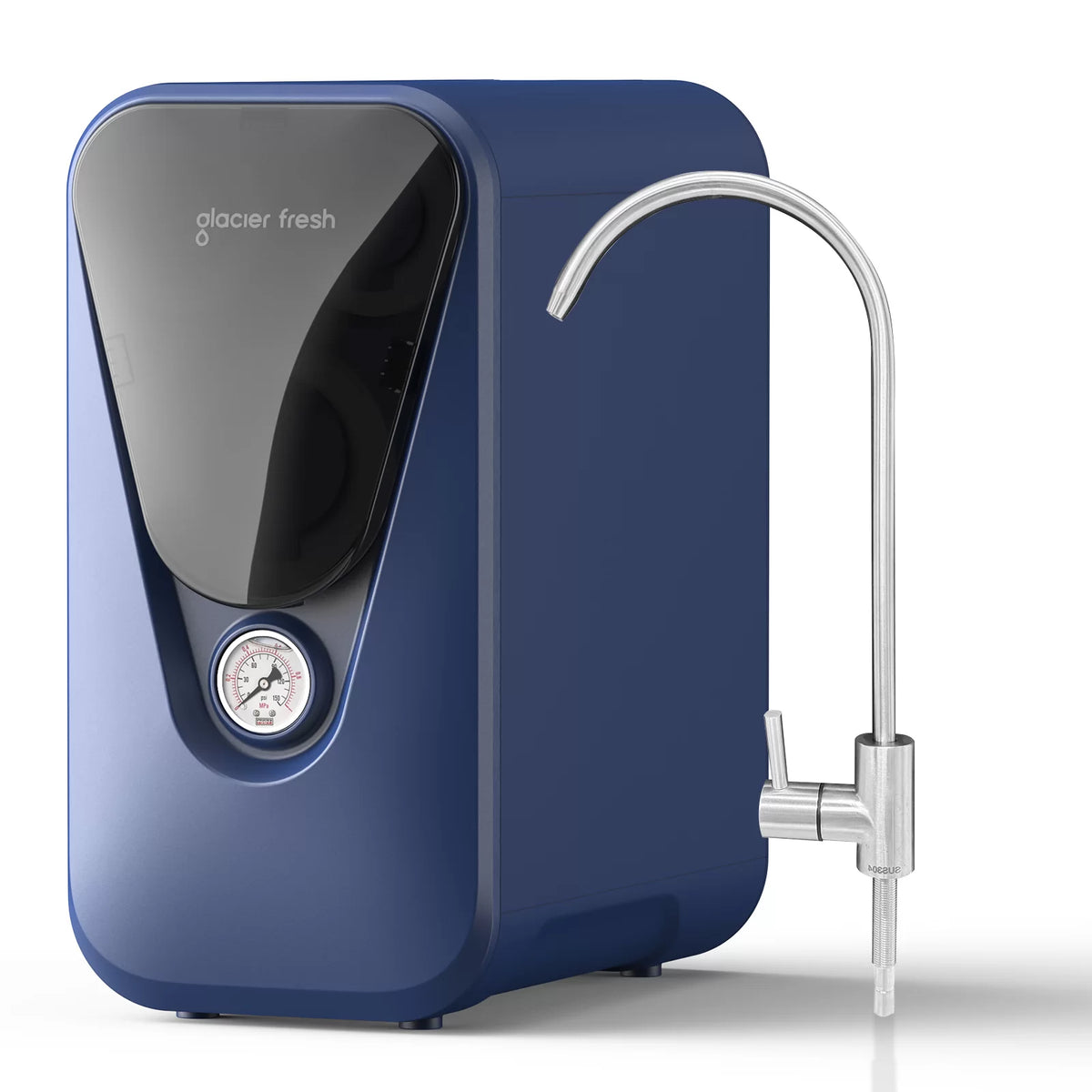
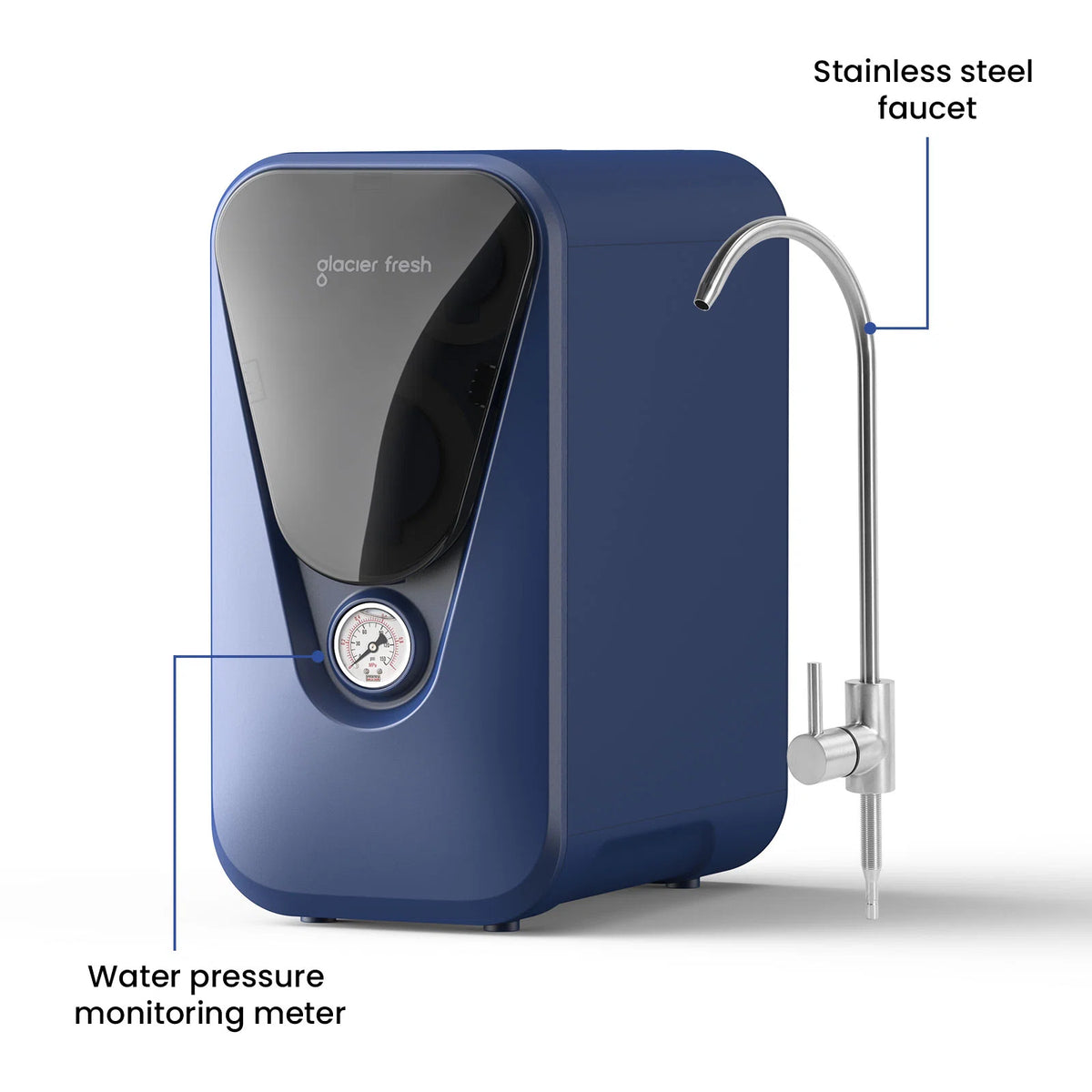
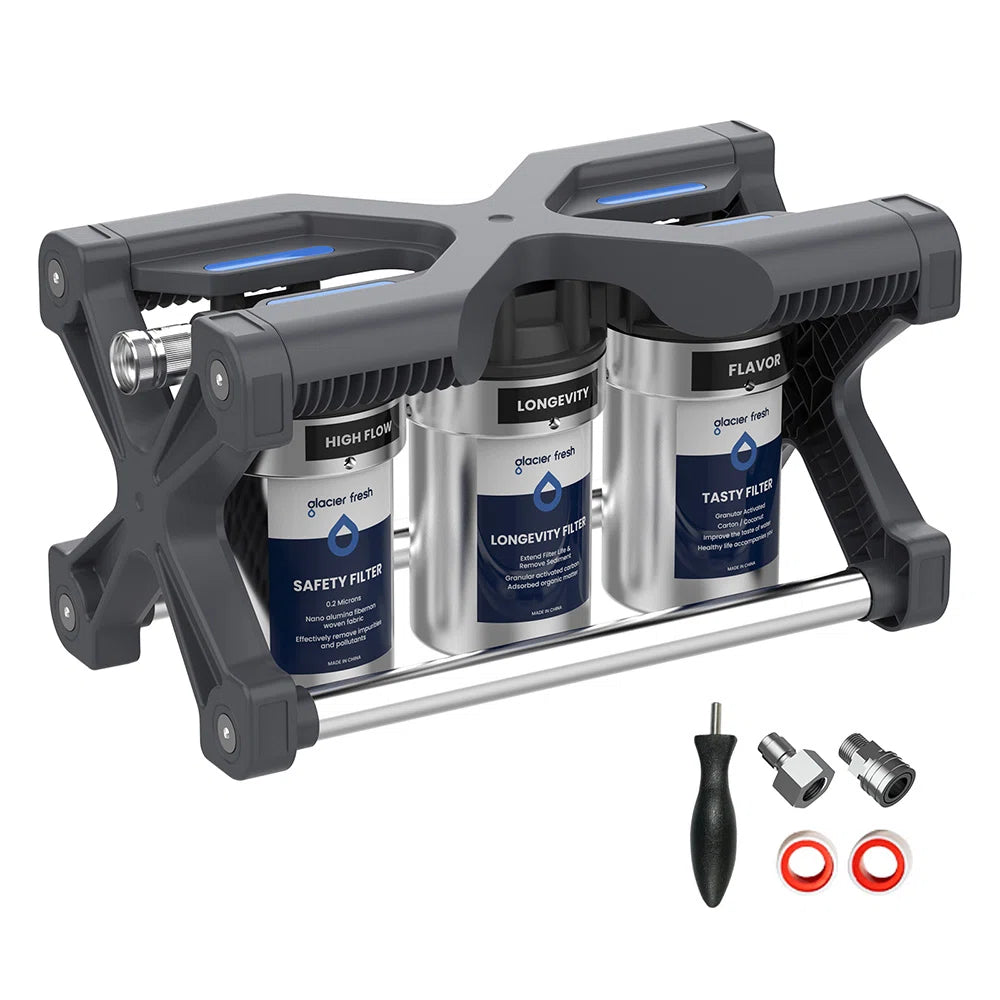
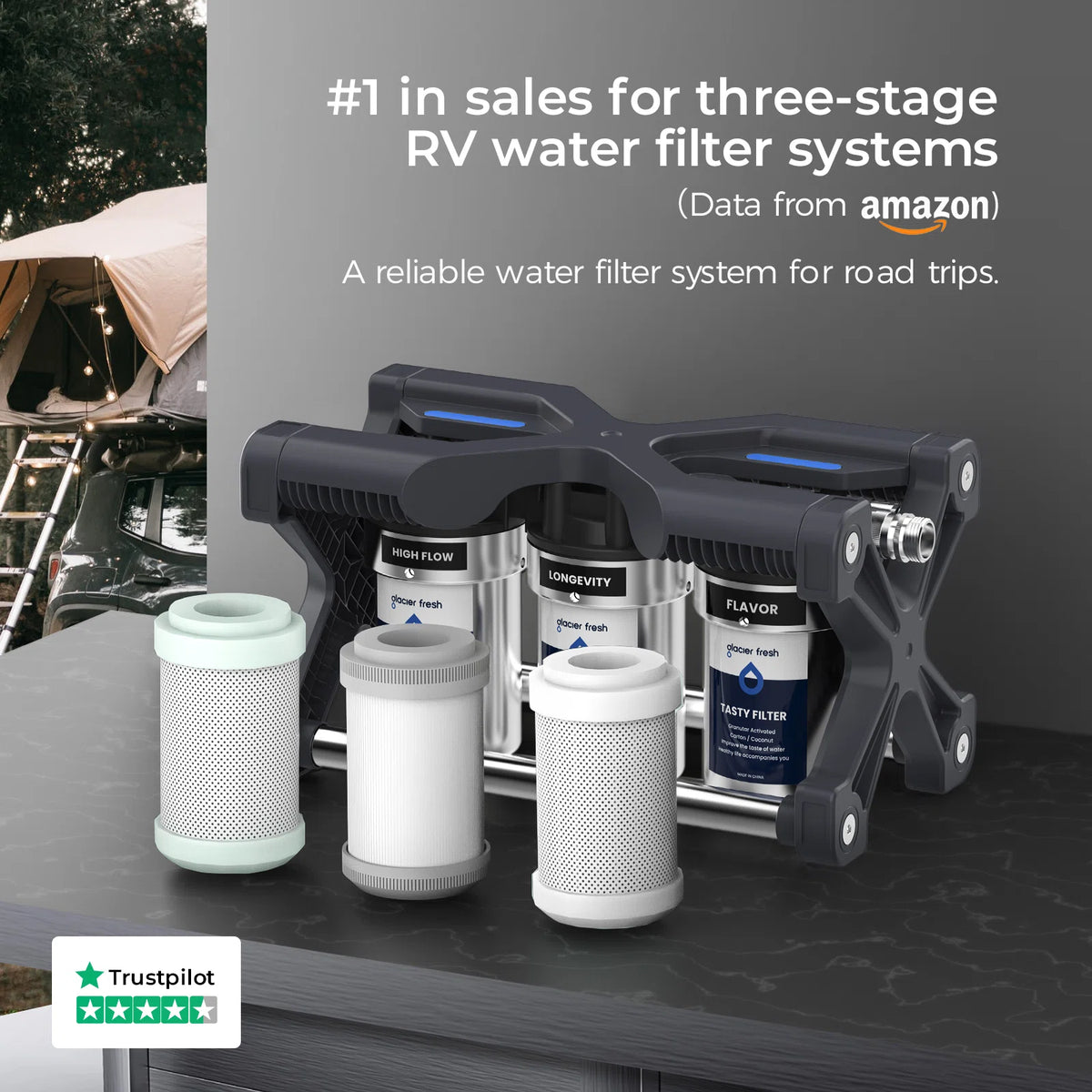
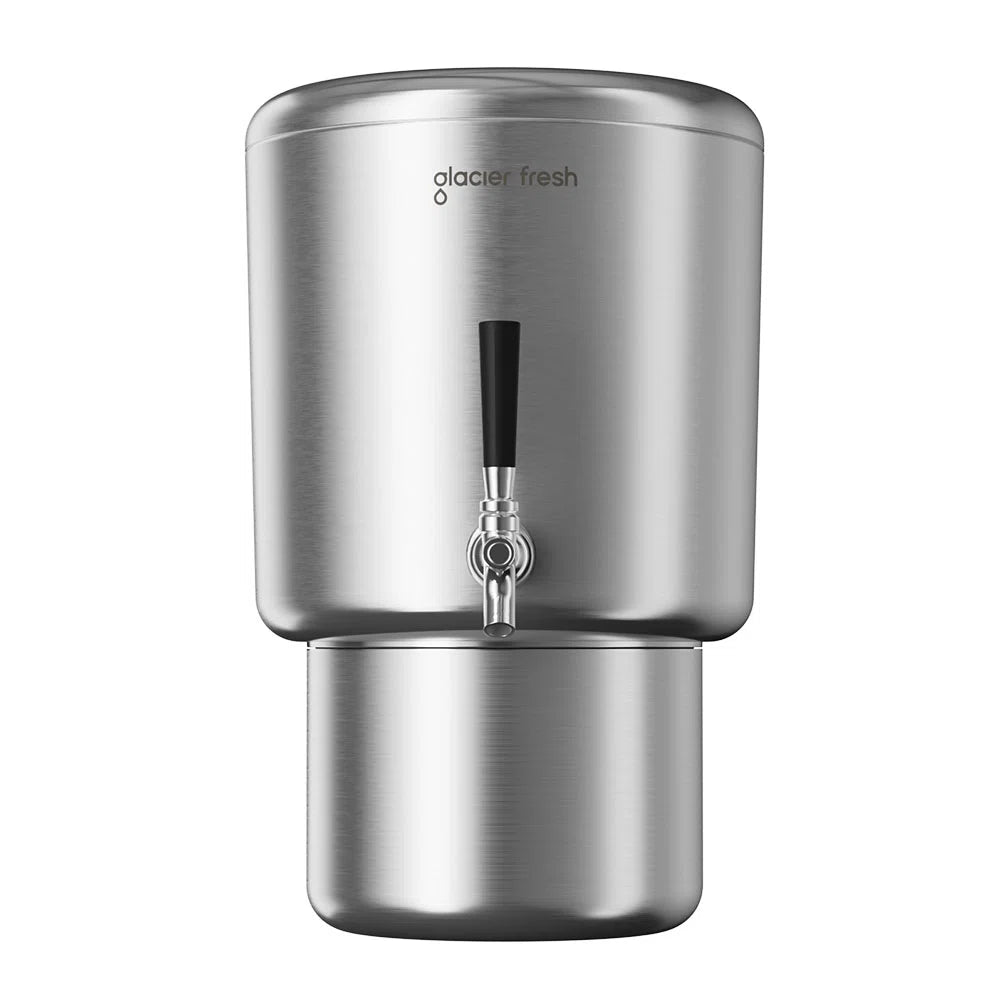
Water filtration system like Glacier Fresh PC04 2.25 Gallon Gravity Water Filter System provide the perfect solution for filtering rainwater. It uses multi-stage filtration technology to remove 99.9% of harmful substances and is constructed of 304 stainless steel to prevent secondary contamination of the storage tank.
How to Set Up a Potable Rainwater System?
1. Before drinking treated rainwater—and periodically afterward—test for total coliform/E. coli, pH, turbidity, lead, and local industrial pollutants through a certified water laboratory.
2. Start with a sediment pre-filter to protect downstream cartridges, followed by activated carbon and reverse osmosis for chemical and heavy metal reduction, plus a UV disinfection stage to neutralize pathogens.
3. Confirm local rules regarding potable rainwater systems, backflow prevention, and permitted tank sizes before installation.
Common Misconceptions About Drinking Rainwater
There are several myths about rainwater, such as the idea that it's always "pure" or safe to drink directly. Rainwater is not inherently clean and can contain pollutants and pathogens that must be removed through filtration. The key takeaway is that while rainwater is a potentially viable source of drinking water, proper filtration is essential to ensure its safety.
Conclusion
Rainwater harvesting can be a great way to conserve resources and reduce your water bill, but it’s not without its challenges. While rainwater may seem pure, contaminants in the atmosphere and collection systems can pose health risks if consumed untreated. You can safely enjoy rainwater as a drinking source using the right filtration methods. Ensure your rainwater harvesting system complies with local regulations and safety guidelines to ensure quality. Follow Glacier Fresh to find more water filtration solutions.
FAQs
Q1: Can you drink rainwater if I boil it?
Boiling rainwater can kill bacteria, parasites, and other pathogens. However, harmful substances such as heavy metals and PFAS cannot be removed. After boiling, it is recommended to use a gravity-fed water filtration system for further filtration.
Q2: What type of roof is safest for collecting drinking water?
Glazed clay or slate tiles are preferred for potable rainwater collection because they resist moss growth and leach fewer chemicals than asphalt shingles or treated wood shakes.
Q3: Does rainwater contain PFAS?
Yes, trace levels of PFAS have been detected in rainwater across many regions due to atmospheric transport.