
Table of Contents:
The hidden struggle of RV water
What is the OSMOGO RV water purifier?
5 Ways OSMOGO elevates your camping experience
How to choose the best RV water purification setup
OSMOGO vs. standard RV water filters: why RO wins?
Real-life camping scenarios: OSMOGO in action
Pro tips for maximizing your OSMOGO RV water purifier
FAQs
Conclusion
The hidden struggle of RV water

RV water quality can change from one campground, state park, or roadside fill station to the next. Clear water may still contain sediment, chlorine byproducts, dissolved minerals, heavy metals, microbial risks, or taste issues from old pipes and storage tanks.
Outdoor water sources and even campground hookups can be deceptively unsafe. A mountain stream may look pristine but still carry Giardia, bacteria, or runoff. Older campgrounds may have aging plumbing, while desert and coastal areas may have high dissolved solids or brackish taste. Drinking untreated or poorly filtered water can lead to stomach illness, headaches, unpleasant taste, or long-term concern about contaminants. Many campers haul bottled water, but that adds weight, takes up storage, and creates unnecessary plastic waste.
What is the OSMOGO RV water purifier?
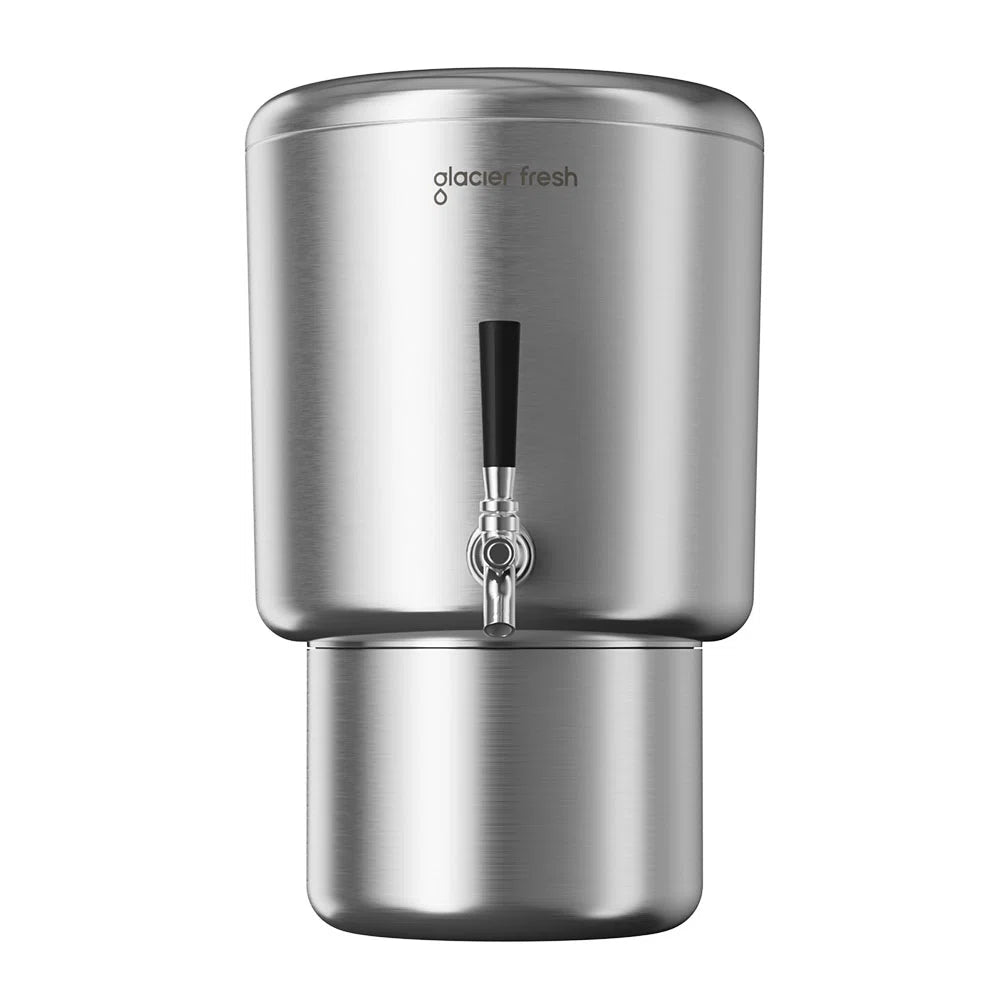
The RV reverse osmosis system is a portable reverse osmosis system designed for campers and RVers. It is compact, easy to pack, and operates on a 24V/30W power source, similar to an RV outlet or compatible power bank. Inside, it uses a multi-stage filter cartridge with pre-filtration, carbon and sediment reduction, and an RO membrane to reduce a broad range of impurities.
For travelers comparing a basic hose filter with rv reverse osmosis, the main difference is depth of treatment. Carbon and sediment filtration can improve taste and remove visible particles, while RO targets much smaller dissolved contaminants. OSMOGO also uses food-grade, BPA-free materials and a simple connect-power-press setup, so campers can purify water from spigots, jugs, or other practical sources without permanent plumbing.
5 Ways OSMOGO elevates your camping experience
A good RV purifier should do more than make water taste better. It should reduce risk, save space, work with changing sources, and remain simple enough to use after a long drive or a full day outdoors.

- Ultra-portable design: Weighing only a few pounds, OSMOGO fits into RV storage, a van setup, or a daypack for short side trips.
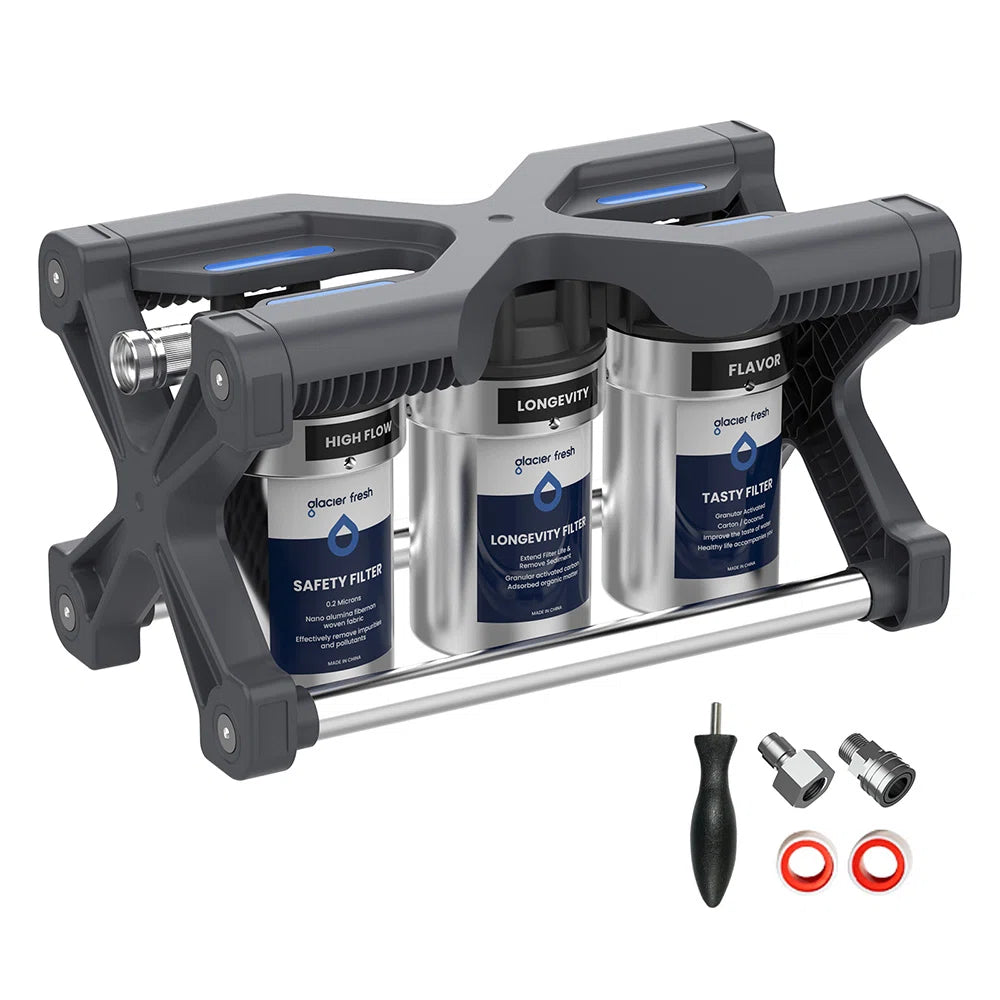
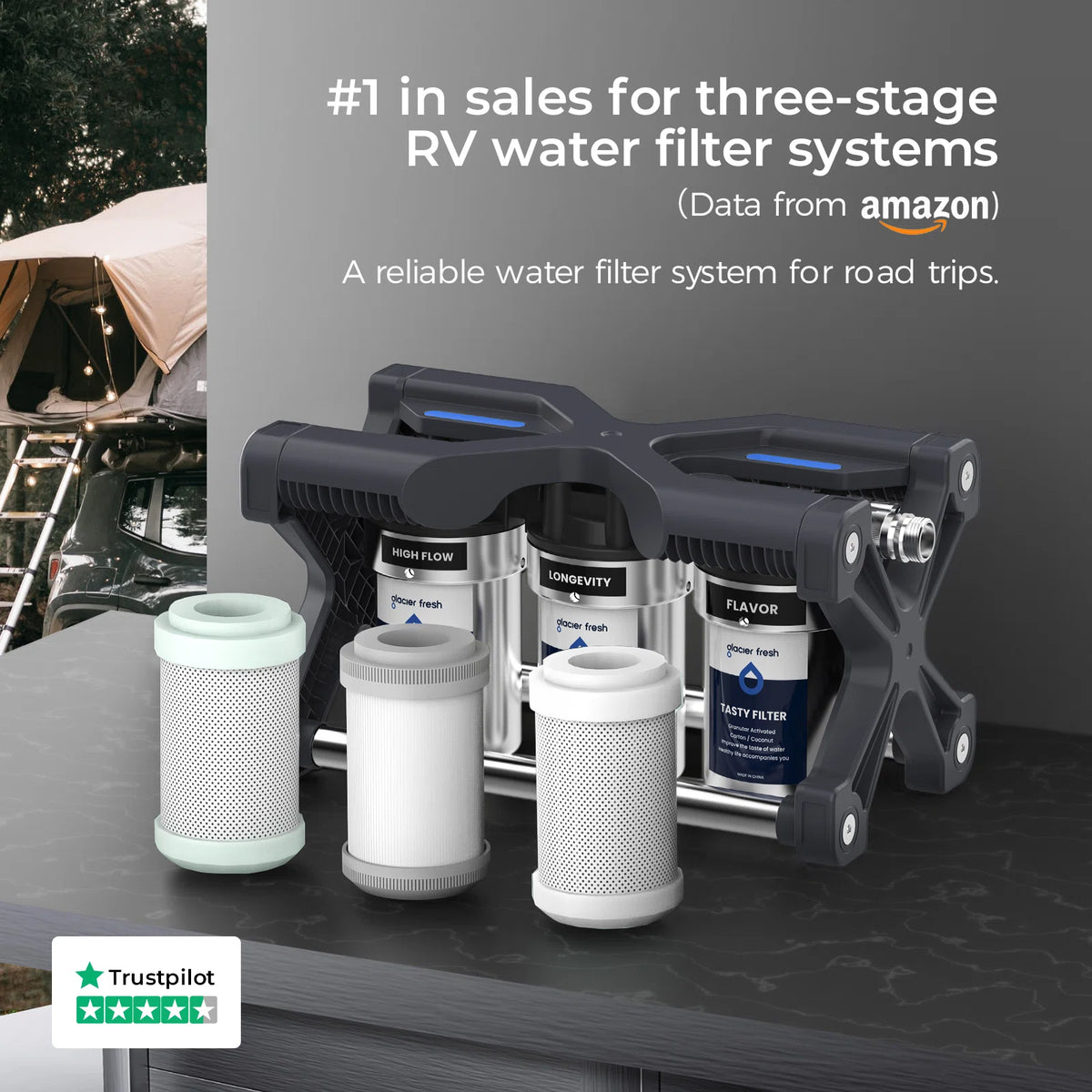
- Advanced 3-stage filtration: The combined cartridge reduces sediment, chlorine taste, heavy metals, microbes, and many dissolved impurities for cleaner drinking and cooking water.
- Plug-and-play convenience: No permanent plumbing is required. Connect the hoses, supply power, and purify water from common travel sources.
- Durable, safe material: Food-grade, BPA-free components are built for regular campsite handling and road vibration.
- Lower plastic waste: Each cartridge can purify a large volume of water, reducing the need to buy and carry disposable bottles during long trips.
How to choose the best RV water purification setup
The right setup depends on where you travel, how uncertain your water sources are, how much storage space you have, and whether you need taste improvement or deeper contaminant reduction. Use this compact framework before buying or upgrading a water purification system for rv travel.
|
Filter option |
Best for |
Contaminant coverage |
Maintenance |
Main tradeoff |
|
Inline hose filter |
Weekend trips with treated campground water |
Sediment, chlorine taste, some odors |
Replace seasonally or when flow/taste declines |
Limited protection against dissolved solids or microbes |
|
Carbon + sediment canister |
RVers wanting better taste and visible particle reduction |
Rust, sand, chlorine, odor, some organic compounds |
Flush before use; replace based on pressure drop |
Does not fully address pathogens or many dissolved contaminants |
|
Portable reverse osmosis |
Off-grid trips, variable water sources, cautious families |
Heavy metals, many dissolved solids, microplastics, microbial risks, chlorine taste when paired with carbon |
Flush, drain, dry, and replace cartridge on schedule |
Needs power and produces reject water |
|
Distillation |
Small-batch emergency water prep |
Many minerals, metals, and microbes when properly operated |
Clean chamber; manage heat/power demand |
Slow, energy-intensive, less practical for daily RV use |
As a rule of thumb, the best water filtration for rv use is the system that matches your actual route. If you mainly stay at maintained campgrounds, a carbon-and-sediment setup may be enough for taste and particles. If you refill from mixed sources, travel through older facilities, or want stronger reduction of dissolved contaminants, a reverse osmosis rv water filter is the more protective choice.
OSMOGO vs. standard RV water filters: why RO wins?

· Sediment/carbon filters(common RV style): These block dirt, rust, chlorine, and bad tastes, but they cannot remove dissolved solids or pathogens. A carbon-only filter won’t stop viruses, many chemicals, fluoride, or heavy metals. It mainly improves taste.
· OSMOGO reverse osmosis system: The semi-permeable RO membrane stops far smaller contaminants. It can remove approximately 97% of dissolved impurities – including chlorine, fluoride, heavy metals, bacteria, and even viruses. In short, RO delivers cleaner water than any standard RV filter.
· Two-tier protection: OSMOGO actually uses carbon and RO together. The carbon element removes chlorine and odors first, then the RO membrane handles the heavy lifting on viruses and microorganisms. This dual action “double protects” your water – it tastes great and is extremely safe.
By comparison, a typical inline hose filter or gravity filter might be fine for brushing teeth, but it can’t guarantee germ-free water. OSMOGO’s RO approach ensures you’re getting the highest level of purification possible in a portable system
Real-life camping scenarios: OSMOGO in action

Campers report that OSMOGO shines in situations like these:
· Off-grid RV camping: Hook up OSMOGO to a campground spigot or cistern and instantly purify the water, no matter how sketchy the source looks.
· Backcountry backpacking: Refill from a mountain stream or lake on a trail stop. OSMOGO’s RO membrane will kill pathogens and filter out debris, giving you bottle-quality water in the wilderness.
· Emergency preparedness: In a storm or boil-water advisory, this device acts as a reliable backup. It can turn questionable water into safe drinking water for cooking and hygiene.
· Overlanding & road trips: Lightweight enough to stow in an SUV or van, it’s perfect for long drives or cross-country routes. You won’t have to rely on bottled water when traveling between cities.
Pro tips for maximizing your OSMOGO RV water purifier
· Quick setup: Always connect the inlet hose first, then plug in a 24V/30W power bank (or RV USB port) before turning on the unit. This ensures steady pressure through the filters.
· Monitor operation: Watch the flow or indicator light (if available) to make sure water is moving. If the flow slows, the filter may be nearing the end of its life, or the source is low.
· Replace filters on time: The built-in 3‑in‑1 filter cartridge typically treats about 2,000–4,000 liters of water. In practice, that’s about 1–2 years of use for most campers. Plan to replace it every 2 years (or annually if you use it daily).
· Drain and dry after use: When packing up, drain all water out of the purifier and let it air-dry. Storing it wet can promote the growth of mold or bacteria. An occasional flush of plain water when storing for long periods is also a good idea.
FAQs
Can reverse osmosis water filters remove all contaminants from tap water?
No filter removes every possible contaminant under every condition. RO is highly effective for many dissolved solids, heavy metals, microplastics, and certain emerging contaminants, especially when paired with carbon pre-filtration. For unusual industrial chemicals or a known local advisory, check certification details and local water reports.
What are the main differences between reverse osmosis and other water filtration methods?
Sediment filters remove particles, carbon filters improve taste and reduce chlorine or odors, and RO membranes target much smaller dissolved contaminants. That is why RO is often preferred when source quality changes from one campsite to another.
What are effective methods for purifying water while camping?
The safest method depends on the source. Boiling can help with many microbes, carbon improves taste, sediment filters handle particles, and portable RO offers broader contaminant reduction. In high-risk situations, combine methods and follow local advisories.
What are the best portable RO systems for outdoor use?
Look for a compact design, reliable power requirements, multi-stage filtration, clear replacement guidance, easy hose connections, and dry-storage instructions. OSMOGO is designed around those outdoor needs.
How should I store the purifier during long-term RV storage?
Drain all water, dry the hoses and unit, keep it away from heat and direct sun, and flush before the next use. Replace cartridges if there is persistent odor, poor flow, or an expired service interval.
Conclusion
Clean, safe drinking water is the lifeblood of any camping adventure. The GlacierFresh OSMOGO RV Water Purifier helps RVers travel with less worry by combining portability, multi-stage filtration, and reverse osmosis performance in a compact unit. It is especially useful for campers who move between different water sources, want to reduce bottled water use, or need a stronger backup during road trips and emergency advisories.
In the words of Glacier Fresh: “Clean water is the lifeblood of any camping trip.” If water safety, storage space, and campsite convenience matter to you, OSMOGO is a practical companion for better water on the road.
Related Reading
- GlacierFresh Portable RO Water Filter for Camping & Travel
- Water Filters for RV & Camping: Portable Multi-Stage Filtration Systems
- Reverse Osmosis, Nanofiber, Ultrafiltration: Which One Is Right for You?