
Table of Contents:
What is groundwater contamination?
What causes groundwater contamination?
What contaminants are commonly found in groundwater?
Why is groundwater contamination dangerous?
Why are effective remediation techniques important?
Effective groundwater remediation techniques
Can water filters remove groundwater contaminants?
What can we do daily to protect groundwater?
FAQs
Conclusion
What is groundwater contamination?
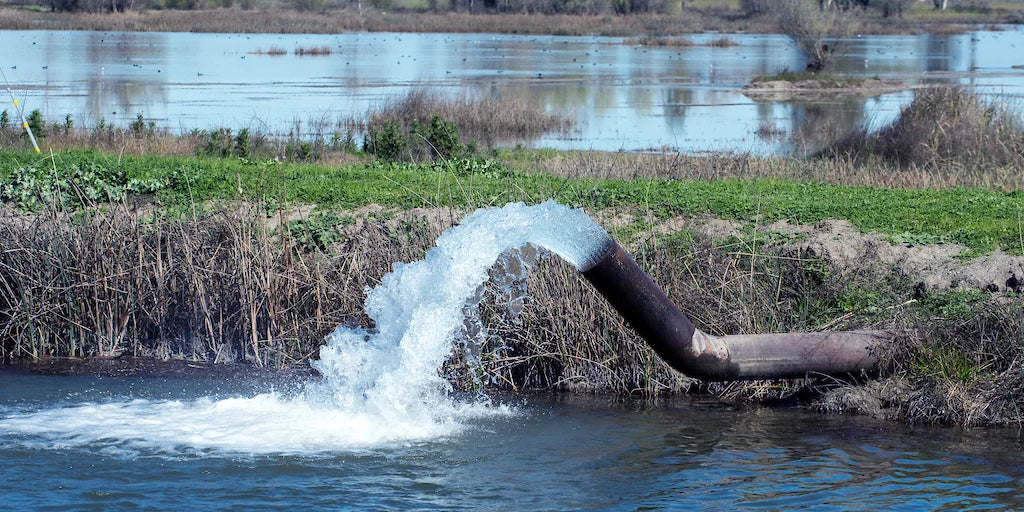
Groundwater contamination happens when harmful substances enter underground water sources, affecting water quality and potentially creating risks for human health and ecosystems.
Groundwater is an important source of freshwater for many communities. It supplies drinking water, supports agriculture, and helps maintain natural ecosystems. However, groundwater can become contaminated when pollutants move through soil and reach underground aquifers.
Common causes include:
- Industrial chemical leaks
- Agricultural runoff
- Improper waste disposal
- Leaking underground storage tanks
- Urban pollution
Once contaminants enter groundwater, they can be difficult to remove because underground water moves slowly and pollutants may remain for long periods.
What causes groundwater contamination?
Groundwater contamination usually comes from human activities, although natural sources can also contribute. Understanding these sources is the first step in preventing pollution.
Industrial pollution
Industrial activities are one of the major causes of groundwater contamination. Improper handling or disposal of industrial waste can introduce pollutants into soil and groundwater.
Common industrial contaminants include:
- Heavy metals
- Solvents
- Chemicals
- Petroleum products
These substances can migrate through soil and affect underground water supplies.
Agricultural runoff
Agriculture can contribute to groundwater contamination when chemicals used in farming enter the soil.
Common sources include:
- Fertilizers
- Pesticides
- Animal waste
Rain and irrigation water can carry these substances deeper into the ground, allowing them to reach groundwater sources.
Urban development
Growing cities can also increase groundwater pollution risks.
Urban runoff from roads, parking areas, and buildings may contain:
- Oil
- Heavy metals
- Chemicals
- Household pollutants
Because paved surfaces reduce natural water absorption, more pollutants can enter groundwater systems.
What contaminants are commonly found in groundwater?
Common groundwater contaminants include nitrates, pesticides, heavy metals, and chemicals from industrial or agricultural activities.
- Pesticides: Pesticides used in agriculture can enter groundwater through soil infiltration. Long-term exposure to certain pesticide residues may affect water quality and ecosystems.
- Nitrates: Often from fertilizers, animal waste or septic systems. High nitrate levels are a concern because they can affect drinking water safety, especially for infants.
- Heavy Metals: Heavy metals may enter groundwater through industrial activities and improper waste disposal. Examples include: lead, arsenic, and mercury. These contaminants can create serious health concerns if present at elevated levels.
Why is groundwater contamination dangerous?
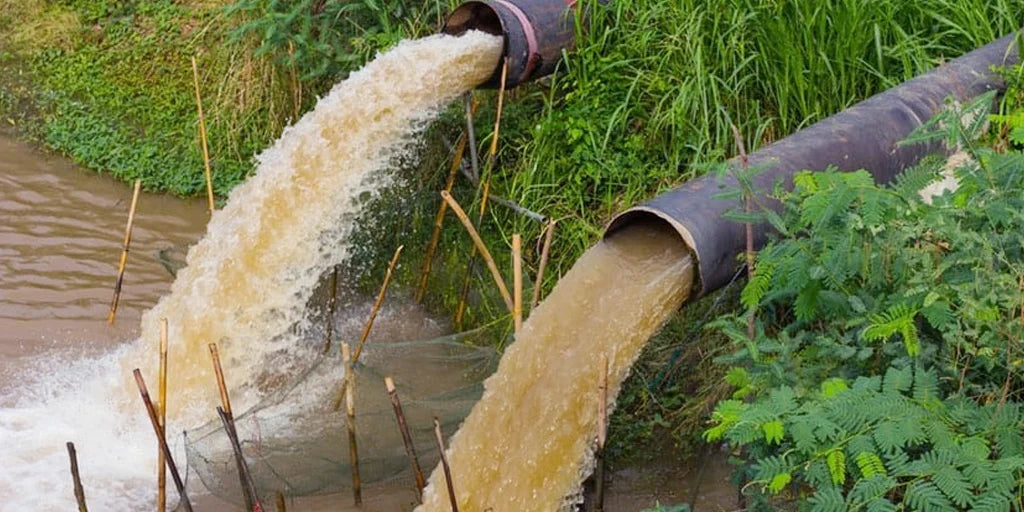
Contaminated groundwater can affect drinking water safety, human health, and environmental balance.
Impact on human health
Depending on the contaminant type and exposure level, polluted groundwater may contribute to:
- Digestive problems
- Chemical exposure risks
- Long-term health concerns
This is why regular water quality testing is important, especially for private wells.
Impact on ecosystems
Groundwater supports rivers, wetlands, and wildlife habitats.
Contamination can affect:
- Aquatic organisms
- Soil quality
- Natural water cycles
Protecting groundwater helps protect entire ecosystems.
Why are effective remediation techniques important?
Effective remediation helps restore groundwater quality, reduce environmental damage, and protect future water supplies. Key benefits include:
- Faster contaminant removal: Advanced technologies can improve cleanup efficiency..
- Reduced environmental impact: Modern remediation methods aim to minimize disturbance to surrounding ecosystems.
- Long-term groundwater protection: Successful remediation helps maintain safer water resources for communities.
- Regulatory compliance: Proper cleanup methods help meet environmental standards and water quality requirements.
Effective groundwater remediation techniques

1. Pump and treat
Pump-and-treat systems remove contaminated groundwater and treat it above ground.
This method is commonly used for:
- Industrial chemicals
- Dissolved pollutants
After treatment, cleaner water can be returned or safely managed.
2. Bioremediation
Bioremediation uses microorganisms to break down certain contaminants naturally.
It is often used for:
- Petroleum pollutants
- Organic chemicals
This approach can reduce environmental impact compared with some traditional methods.
3. Permeable reactive barriers
Permeable reactive barriers are underground treatment zones that remove contaminants as groundwater flows through.
They can help treat:
- Metals
- Chemical pollutants
4. Phytoremediation
Phytoremediation uses plants to absorb or reduce certain contaminants. It is considered a more environmentally friendly approach for some contamination sites.
Can water filters remove groundwater contaminants?
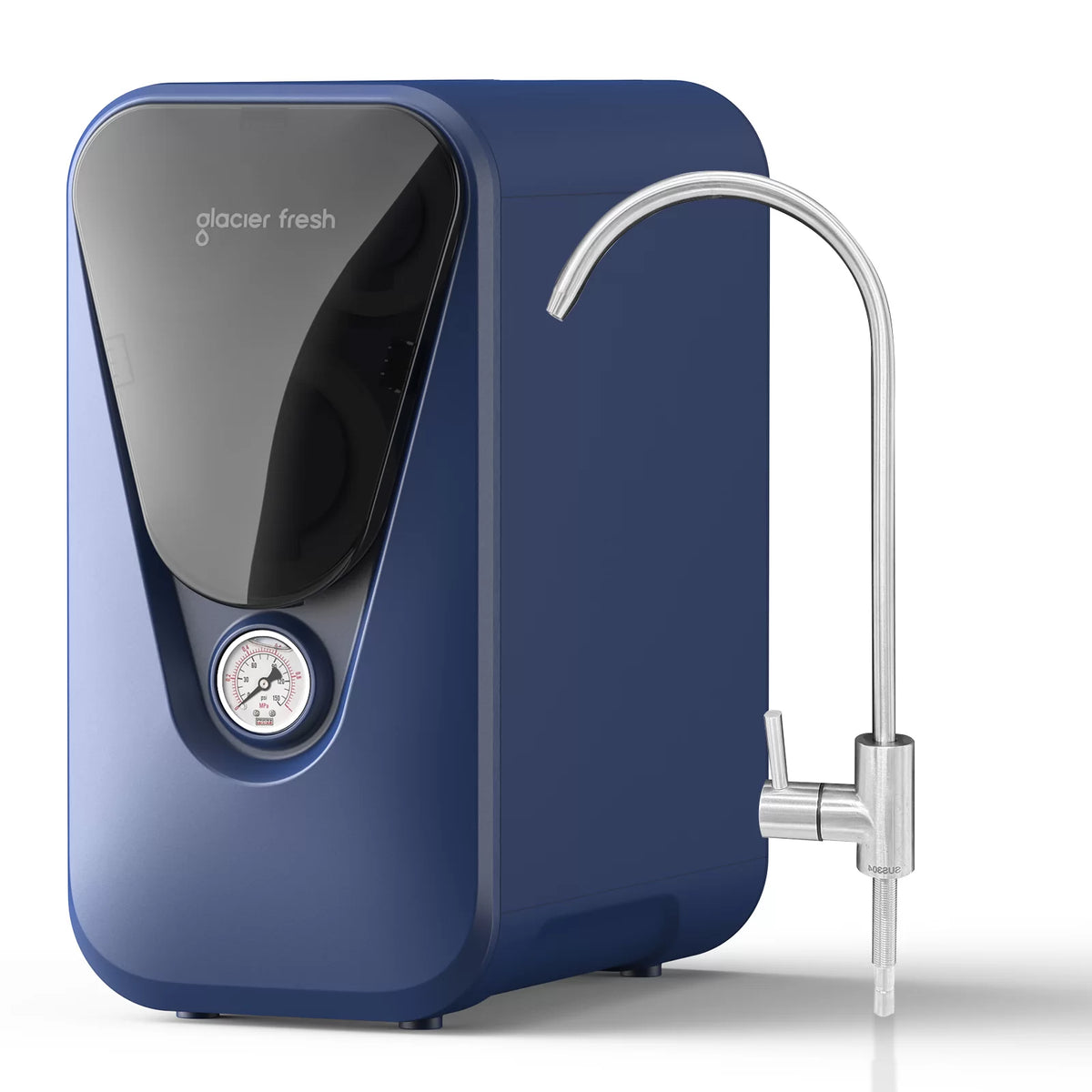
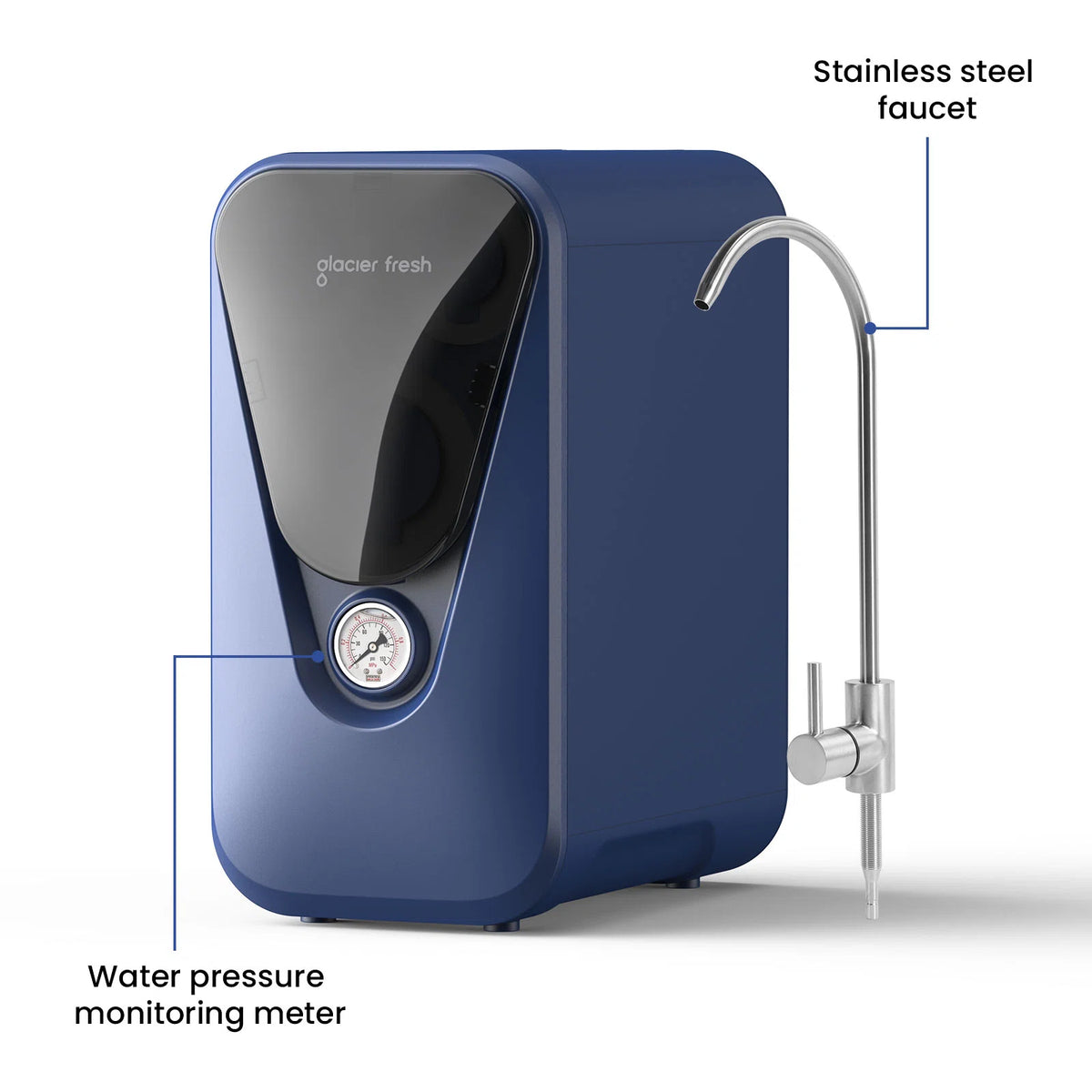
Water filtration can help reduce certain groundwater contaminants, but the right technology depends on the type of pollutant. Different filtration methods target different problems:
For households using groundwater or well water, testing water quality first helps determine the most suitable filtration approach.
| Contaminant | Common filtration solution |
|---|---|
| Chlorine | Activated carbon |
| Lead | Certified carbon filtration / RO |
| PFAS | Activated carbon + RO |
| Nitrates | Reverse osmosis |
| Sediment | Sediment filtration |
What can we do daily to protect groundwater?

Incorporate eco-friendly habits into your daily routine to contribute to groundwater contamination prevention. Everyone can help reduce groundwater contamination through everyday actions.
Practice responsible waste disposal
Avoid pouring:
- Chemicals
- Paint
- Oil
- Medication
into drains or onto the ground. These substances can eventually reach groundwater.
Use chemicals responsibly
Choose environmentally friendly products when possible.
Limit unnecessary use of:
- Pesticides
- Fertilizers
- Harsh cleaning chemicals
Save water
Water conservation reduces pressure on groundwater resources.
Simple actions include:
- Fixing leaks
- Taking shorter showers
- Using water efficiently
Increase environmental awareness
Stay informed about:
- Local water quality issues
- Groundwater protection programs
- Sustainable practices
Small actions can collectively protect water resources.
FAQs
How does groundwater contamination differ between urban and rural areas?
Urban areas often face contamination from industrial activities, transportation, and chemical runoff. Rural areas may experience higher risks from:
- Fertilizers
- Pesticides
- Septic systems
The main contamination sources depend on local activities and land use.
Can boiling remove groundwater contaminants?
No. Boiling can kill some microorganisms, but it does not remove many chemical contaminants such as:
- Heavy metals
- Nitrates
- PFAS
Proper filtration depends on the specific contaminant.
How do I know if my groundwater is contaminated?
Water testing is the most reliable way to identify contamination. Testing is especially important for homes using private wells.
Conclusion
Groundwater contamination is a complex issue caused by industrial activities, agricultural practices, and urban pollution. Common contaminants such as pesticides, nitrates, and heavy metals can affect water quality and environmental health.
Protecting groundwater requires a combination of prevention, effective remediation techniques, regular testing, and appropriate filtration solutions.
By understanding contamination sources and choosing the right water treatment approach, we can help protect one of our most valuable natural resources: clean water.