
Table of Contents:
Understanding chlorine-induced asthma
How does chlorine affect drinking water?
The role of filtered water in reducing chlorine exposure
Practical tips for managing chlorine-induced asthma with filtered water
FAQs
Conclusion
Understanding chlorine-induced asthma
Chlorine-induced asthma is best understood as an airway-irritation issue: chlorine and chlorine-related compounds can aggravate already sensitive bronchial passages, especially when exposure is repeated through pool air, hot shower steam, or chlorinated tap water. The goal is not to claim that filtration cures asthma, but to identify practical exposure points that households can reduce.

What is chlorine-induced asthma?
Chlorine-induced asthma refers to asthma symptoms triggered or worsened by exposure to chlorine, a common disinfectant used in public swimming pools and municipal water treatment facilities. When inhaled or absorbed into the body, chlorine can irritate the airways, causing wheezing, shortness of breath, coughing, and tightness in the chest. For some people these symptoms may be temporary, while others may experience more persistent irritation.
Why does chlorine affect asthma sufferers?
Chlorine is a strong irritant, especially when it reacts with moisture in the airways. Exposure can promote airway inflammation and constriction, making breathing harder. People with asthma are often more vulnerable because their airways may already be inflamed, so reducing repeated irritant exposure can be a meaningful part of a broader management plan.
Common sources of chlorine exposure
For households evaluating chlorine exposure, the most important step is to separate direct inhalation sources from drinking-water sources. This helps you decide whether the priority should be pool habits, home ventilation, drinking water filtration, shower filtration, or a whole-home approach.
- Swimming pools: Chlorine is frequently used to disinfect swimming pools, and prolonged exposure to chlorinated pool water or chloramine-heavy pool air can lead to symptoms in sensitive individuals, especially after long swim sessions.
- Municipal tap water: Municipal water systems commonly use chlorine or related disinfectants to reduce harmful bacteria. While this supports public water safety, chlorine can still be present in water used for drinking, cooking, bathing, and showering.
- Household cleaning products: Some cleaners contain chlorine or chlorine bleach, which can release fumes that irritate the airways when used in small, poorly ventilated rooms.
How does chlorine affect drinking water?
Chlorine is added to public water supplies to control pathogens and keep water safer as it travels through distribution pipes. The concern for asthma-sensitive users is not only drinking chlorinated water, but also inhaling vapors from hot water during showers, baths, or cooking.
Chlorine in municipal water systems
Municipalities typically add chlorine as part of the disinfection process, and regulated chlorine levels are intended to protect public health. Even so, people with sensitive airways may notice symptoms when they repeatedly drink chlorinated water, breathe steam from hot water, or spend time in spaces where chlorine fumes accumulate.
Potential risks of chlorine in drinking water
Residual disinfectants and byproducts can affect taste, odor, and user comfort. For asthma-sensitive households, the practical concern is whether repeated exposure creates enough irritation to make breathing feel more difficult, especially during colds, allergy seasons, or after pool use.
- Chlorine residue: Chlorine byproducts can linger after disinfection. These residual chloramines may contribute to respiratory discomfort in some people with asthma.
- Inhalation of chlorine vapor: During showering or bathing, chlorine can vaporize and be inhaled, further irritating the lungs and airways.
- Hydration context: For people asking does water help with asthma, the answer is that clean water supports general hydration and comfort, but it does not replace prescribed asthma treatment.
The role of filtered water in reducing chlorine exposure
Filtered water can reduce one controllable exposure route: chlorinated water used for drinking, cooking, and sometimes bathing. For asthma-sensitive users, the most relevant filters are those that clearly target chlorine taste, odor, and residual disinfectants while also matching the household’s water source, usage volume, and maintenance habits.
Types of water filters that remove chlorine

Not all water filters perform the same way. Activated carbon is often used for chlorine taste and odor reduction, reverse osmosis can provide broader contaminant reduction, and whole-house or shower filters can reduce exposure at points where inhalation is a concern.
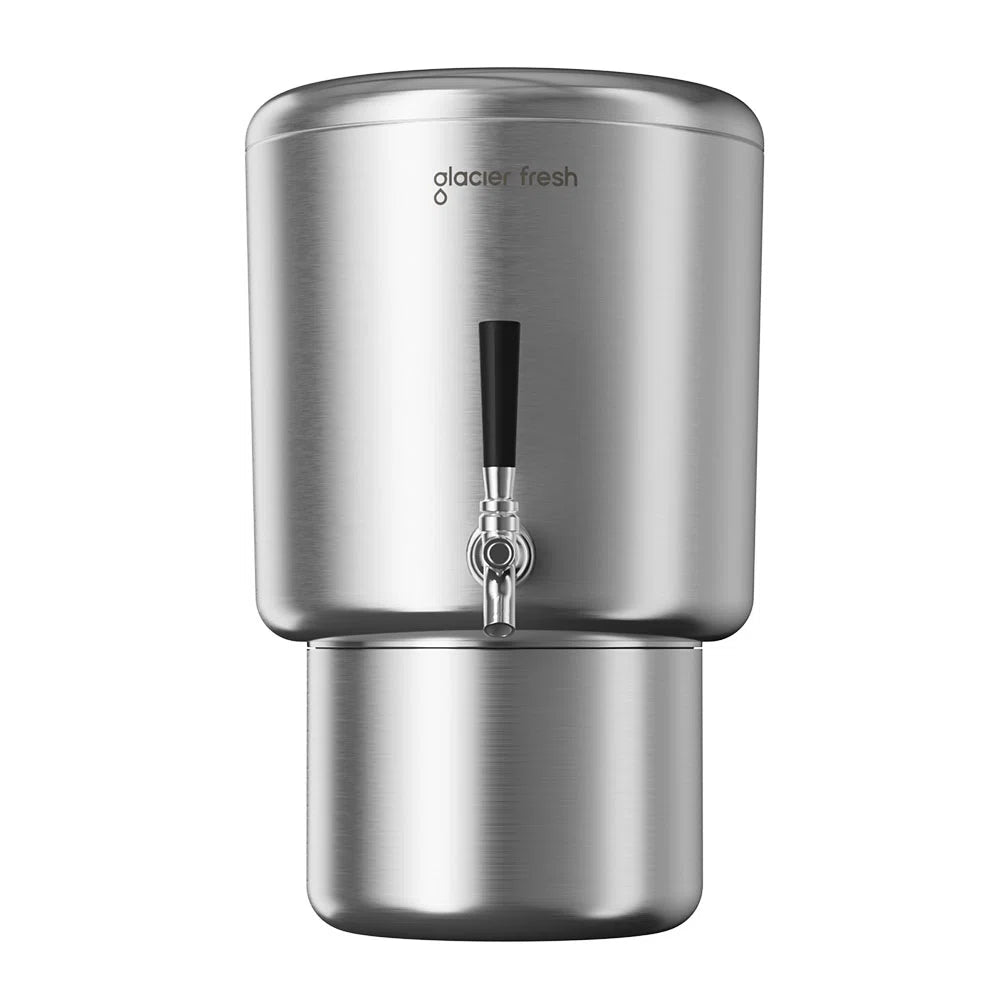
- Activated carbon filters: These filters are widely used in water pitchers, faucet attachments, countertop systems, and under-sink filtration. An activated carbon filter such as a gravity water filter system works by adsorbing chlorine and improving taste and odor.
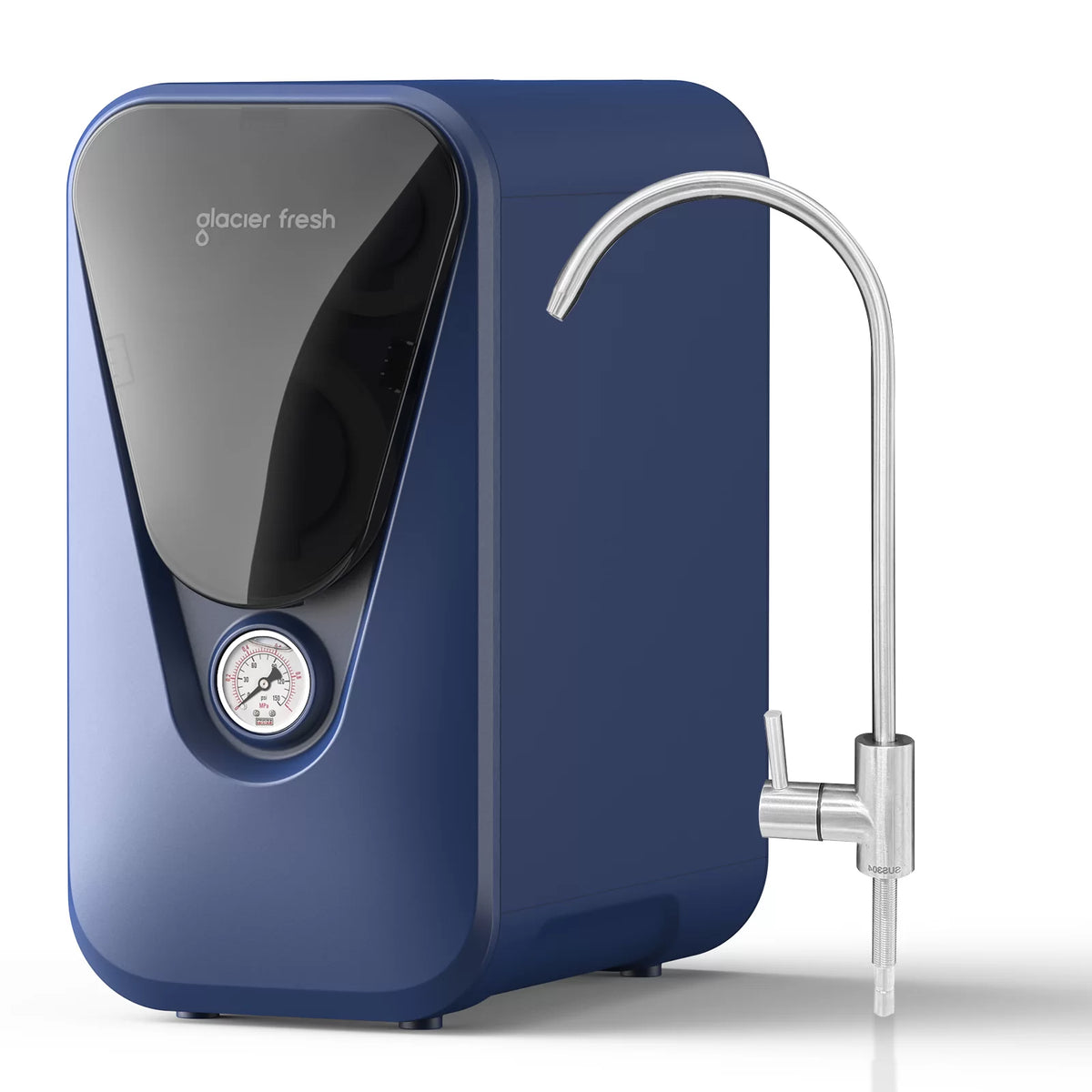
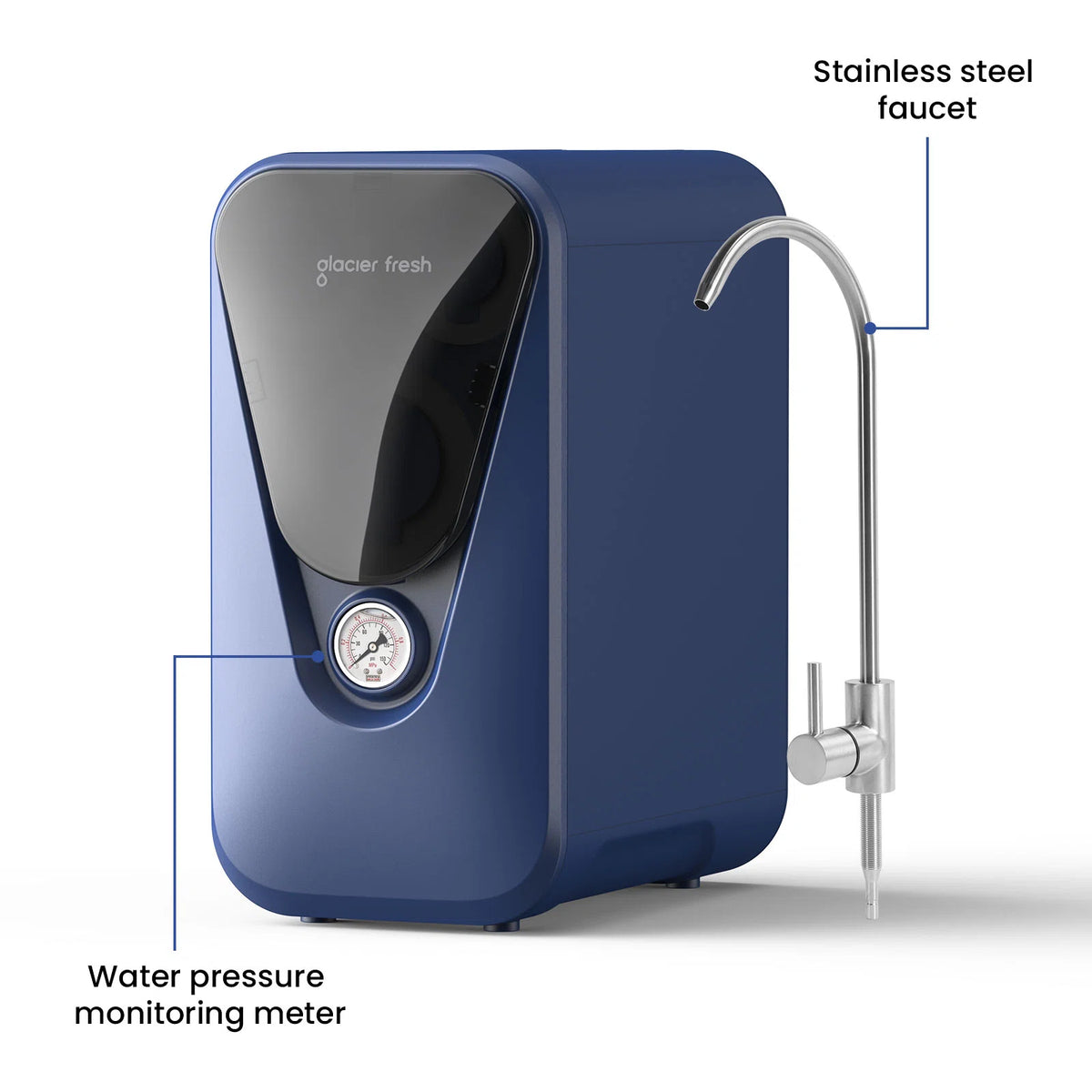
- Reverse osmosis systems: RO systems are often selected when households want broader contaminant reduction in drinking water, including chlorine and certain dissolved impurities, depending on system design and maintenance.
- Whole-house water filters: These systems are installed where water enters the home so water used for drinking, cooking, showering, and laundry can be filtered before it reaches fixtures.
- Shower filters: These target hot-water inhalation exposure by reducing chlorine at the showerhead, which may matter for people who notice coughing or chest tightness after showering.
Chlorine-reduction options for asthma-sensitive households
The best option depends on whether the household is mainly concerned about drinking water, shower steam, whole-home exposure, or portable use during travel.
|
Filter option |
Best use case |
Chlorine-related benefit |
Maintenance focus |
|
Activated carbon pitcher/countertop |
Drinking water and cooking |
Reduces chlorine taste, odor, and some residual disinfectant exposure |
Replace cartridges on schedule |
|
Under-sink RO system |
Higher-volume drinking water |
Targets chlorine plus broader dissolved contaminants depending on system |
Monitor filter and membrane life |
|
Whole-house carbon system |
Homewide water use |
Reduces chlorine before showers, faucets, and appliances |
Size for flow rate and household demand |
|
Shower filter |
Bathing and steam exposure |
May reduce chlorine vapor irritation during hot showers |
Replace more often with heavy use |
|
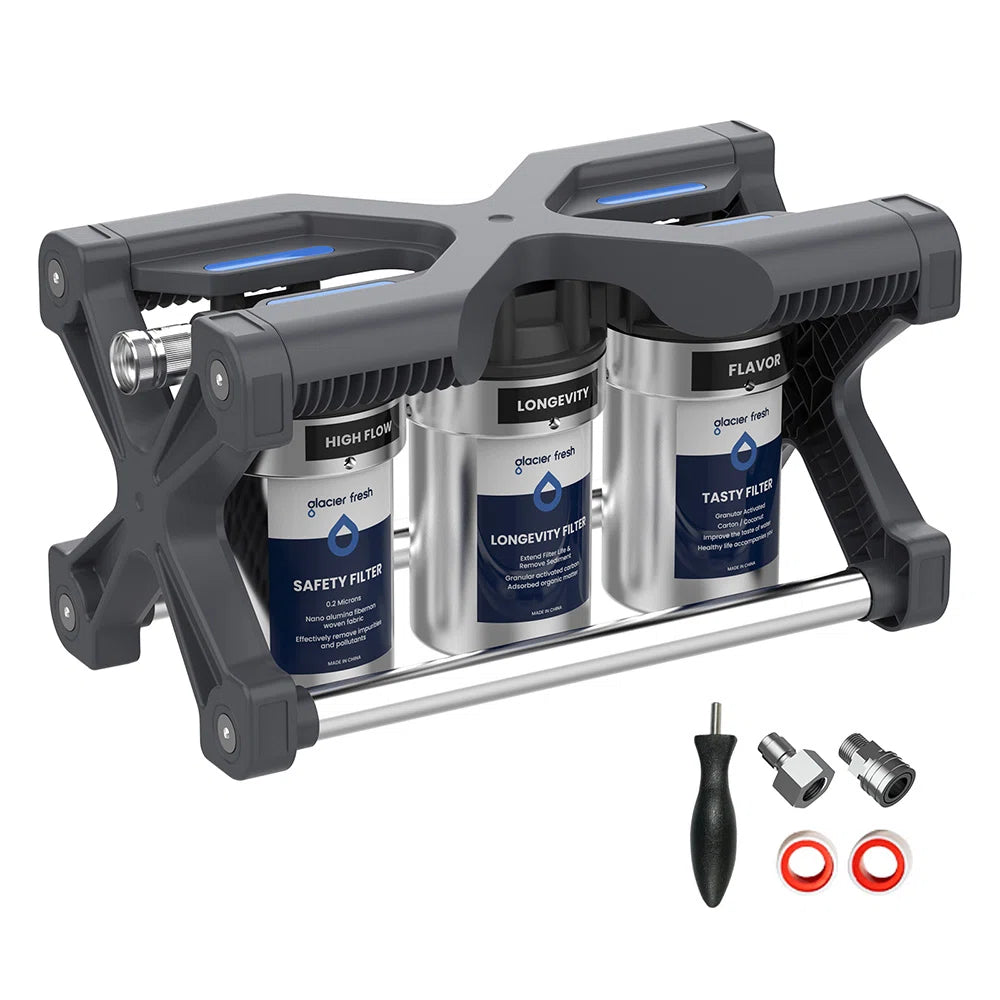
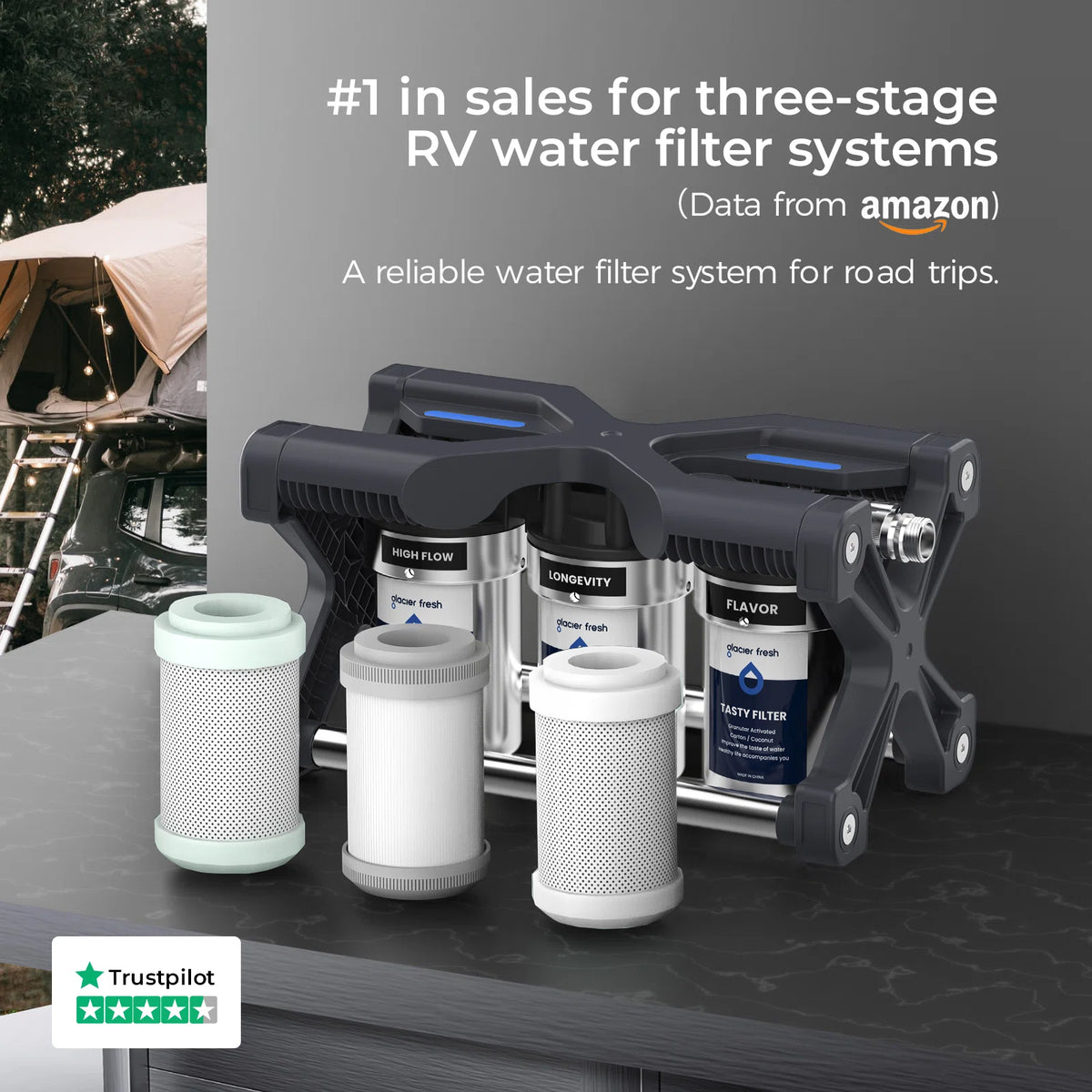
Portable/RV filter |
Travel, camping, temporary stays |
Adds chlorine reduction where water quality varies |
Flush and store properly after trips |
Benefits of drinking filtered water for asthma sufferers
Filtered water should be framed as supportive, not curative. It can reduce one irritant source, improve water taste, and make daily hydration easier, which may be useful for people whose symptoms worsen when airways feel dry or irritated.
- Decreasing chlorine exposure: Drinking filtered water reduces contact with chlorine in beverages and cooking water, which may help some people reduce an avoidable irritant.
- Improved airway comfort: Lower chlorine exposure may support overall respiratory comfort, especially when combined with proper medication use, ventilation, and avoidance of known triggers.
- Better daily hydration: The relationship between hydration and asthma is supportive rather than curative: hydrated airways and easier-to-drink water can be part of a healthier routine.
Practical tips for managing chlorine-induced asthma with filtered water
Managing chlorine exposure requires a practical checklist: identify the exposure source, choose the right filter type, maintain the system, and monitor symptoms. Anyone with severe or worsening asthma symptoms should seek medical guidance rather than relying only on water or air-quality changes.

1. Choose the right water filter for chlorine removal
Look for a water filter that specifically targets chlorine reduction. Activated carbon filters and reverse osmosis systems are strong options for drinking water, while shower or whole-house systems may be more relevant if hot-water steam triggers coughing or chest tightness.
2. Use a chlorine-removing shower filter
If taking showers in chlorinated water irritates your lungs, a shower filter can reduce exposure where inhalation risk is highest. This is especially useful for small bathrooms with limited ventilation or for people who notice symptoms immediately after hot showers.
3. Stay hydrated with filtered water
Drink filtered water regularly throughout the day. For readers asking does drinking water help asthma, the more precise answer is that water can support hydration and throat comfort, while asthma control still depends on trigger management and prescribed care.
4. Avoid chlorinated swimming pools when they trigger symptoms
If you are sensitive to chlorine, consider saltwater pools, well-ventilated pools, or facilities that manage chloramine buildup carefully. If chlorinated pools are unavoidable, use goggles, consider a nose clip, shower after swimming, and leave the pool area if wheezing or chest tightness begins.
5. Monitor indoor air quality at home and while traveling
Filtered water can reduce waterborne irritants, but indoor air quality also matters. Ventilate bathrooms, avoid chlorine bleach fumes, and consider portable air cleaners for hotel rooms or temporary stays when cleaning chemicals, pool areas, or poor ventilation worsen symptoms. This is where asthma and hydration should be understood together with air-quality control, not as a standalone solution.
FAQs
Can filtered water eliminate asthma triggers?
No. Filtered water can help reduce chlorine exposure from drinking and household water, but asthma triggers may also include allergens, smoke, dust, exercise, infections, weather changes, and air pollution.
What types of water filters are most effective for chlorine removal?
Activated carbon filters are widely used for chlorine taste and odor reduction.
How quickly might asthma symptoms improve after switching to filtered water?
Results vary. Some people may notice less throat irritation or fewer odor-related symptoms within days or weeks, while others may not see a clear change. Track symptoms, filter replacement dates, shower habits, pool exposure, and medication use to identify patterns.
What are the top alternatives to chlorine for small home pools that may be better for people with asthma?
Options often discussed include saltwater chlorination, bromine systems, mineral systems, UV-assisted systems, ozone-assisted systems, and improved ventilation for indoor pools. Each still requires careful water chemistry management, and sensitive users should compare by irritant byproducts, maintenance needs, and local pool professional guidance.
Which chemical neutralizers or shock treatments compare best for reducing chloramine buildup that affects asthma sufferers?
Non-chlorine shock, proper breakpoint chlorination, better filtration, improved ventilation, and regular testing can help manage chloramine buildup. For asthma-sensitive users, the safest choice depends on pool size, ventilation, usage frequency, and whether swimmers notice coughing or eye irritation after pool time.
Conclusion
Chlorine-induced asthma can be a serious concern for people regularly exposed to chlorinated pools, municipal tap water, hot shower steam, or chlorine-based cleaning fumes. Filtered water may help reduce one controllable irritant source, especially when paired with ventilation, shower filtration, pool-exposure planning, and professional asthma care.
If you are struggling with chlorine-related asthma symptoms, consider testing your water and selecting a filtration system that targets chlorine and related irritants. For more water filtration solutions, follow Glacier Fresh.