
Table of Contents:
The Hidden Risk in Well Water
Signs Your Dog Got Sick from Drinking Well Water
How to Make Well Water Safe to Drink for Dogs
The Ultimate Solution for Safe Dog Drinking Water
Conclusion
FAQs

Many dog-owning households believe that well water comes from groundwater and must therefore be clean and harmless. However, unlike tap water, well water is not disinfected or tested at a water treatment plant, so it may contain harmful substances such as bacteria, agricultural pollutants, or even heavy metals.
So, can dogs drink well water? The short answer is yes, but only if the water has been properly tested and filtered. Undetected contaminants in untreated well water can pose serious health risks to dogs.
Signs Your Dog Got Sick from Drinking Well Water
Generally speaking, if a dog has been exposed to waterborne pathogens or chemicals, symptoms may appear within a few hours or a few days after drinking the water. Common signs include:
- Digestive Symptoms: Persistent vomiting, watery or bloody diarrhea, excessive drooling, and loss of appetite.
- Physical & Behavioral Changes: Extreme lethargy, muscle weakness, tremors, or uncoordinated movement.
- Dehydration Signals: Dry gums, sunken eyes, and poor skin elasticity despite frequent drinking attempts.
- Refusal to Drink: Dogs have a heightened sense of smell and taste. If your dog suddenly refuses to drink from their water bowl, it may be detecting sulfur, iron, or chemical contamination in the well water.
What to do: If your dog displays any of these symptoms after drinking untreated well water, consult a veterinarian immediately and provide bottled or purified water until your well water is tested.
How to Make Well Water Safe to Drink for Dogs
Protecting your dog's health requires a proactive approach to well water management.
Way 1. Schedule Annual Water Testing
Based on the recommended standards from the U.S. EPA and local public health and water agencies, it is recommended that you test your well water at least once a year. Testing parameters include total coliforms, E. coli, total dissolved solids, nitrate/nitrite, hardness, heavy metals, PFAS, and pesticide residues.
How to Test?
Choose a suitable testing agency; it is best to contact your local Centers for Disease Control and Prevention (CDC), environmental monitoring station, or a third-party water quality testing laboratory with CMA or ISO certification. DIY water quality test strips are not accurate enough.
Way 2. Keep Pet Bowls Clean
When a dog’s saliva mixes with water, a slippery, sticky film often forms on the bottom and inner walls of the bowl. This film is a breeding ground for bacteria and cannot be removed by simply rinsing with water.
We recommend changing the water at least 1–2 times a day. Before each water change, wash the bowl with warm water and a small amount of pet-safe dish soap, and thoroughly scrub the inner walls with a brush or sponge.
Way 3. Use High-Efficiency Water Filtration
Boiling well water can kill bacteria, but it actually concentrates heavy metals and nitrates as water evaporates. Standard pitcher filters or basic sediment filters only remove large particles and chlorine taste—they cannot remove dissolved heavy metals, nitrates, or micro-parasites.
Currently, only water purifiers that use reverse osmosis (RO) systems are capable of removing heavy metals, microplastics, and other contaminants.
The Ultimate Solution for Safe Dog Drinking Water

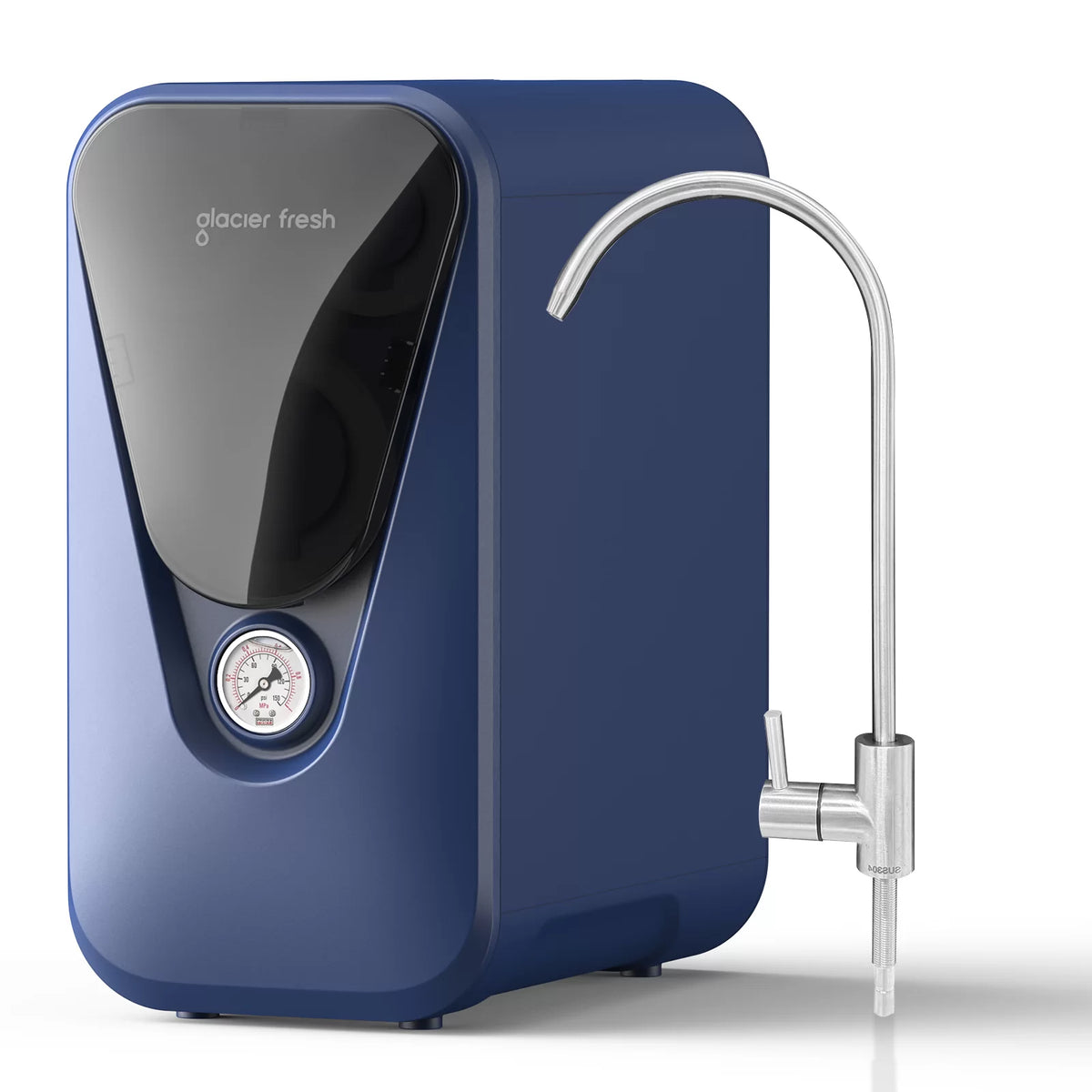
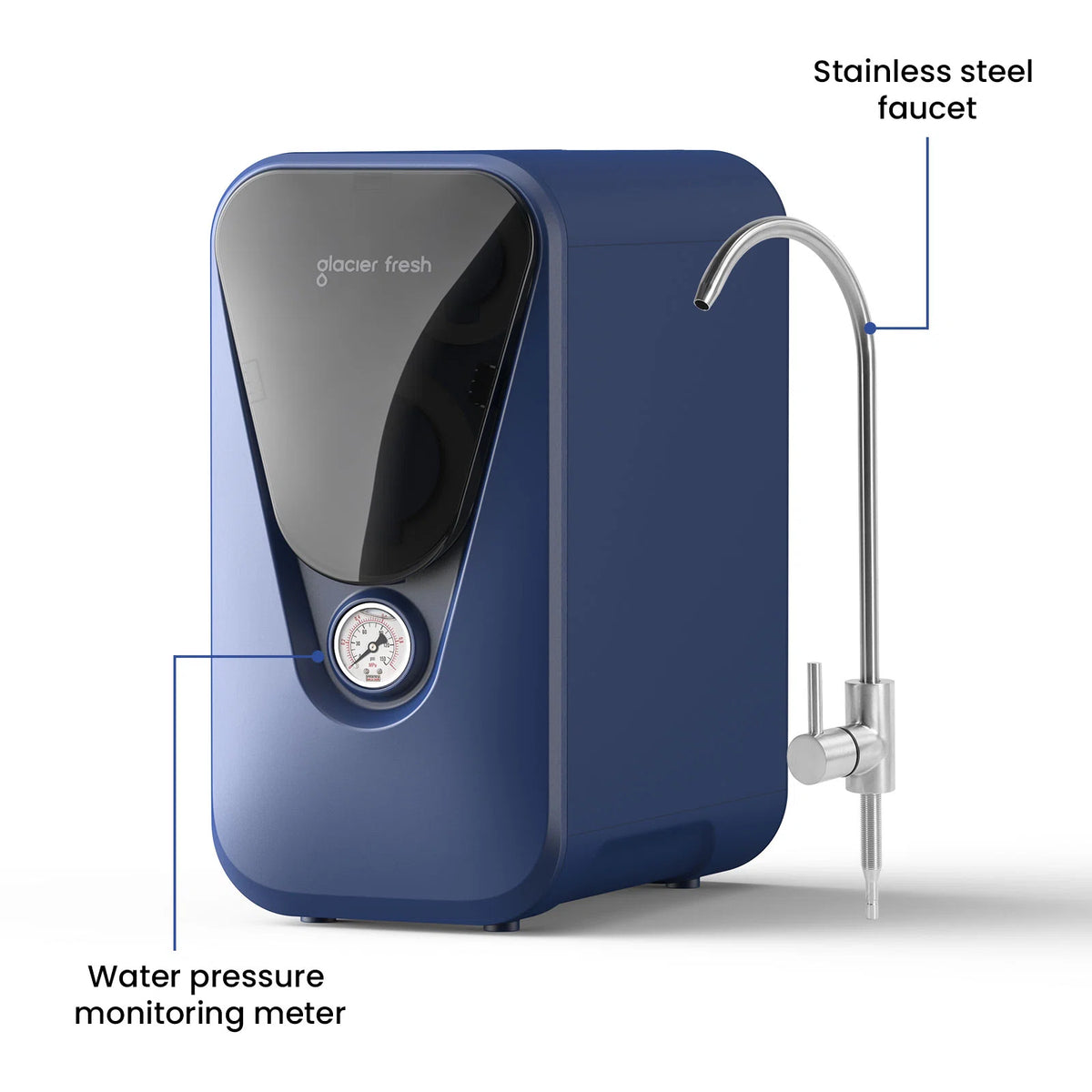
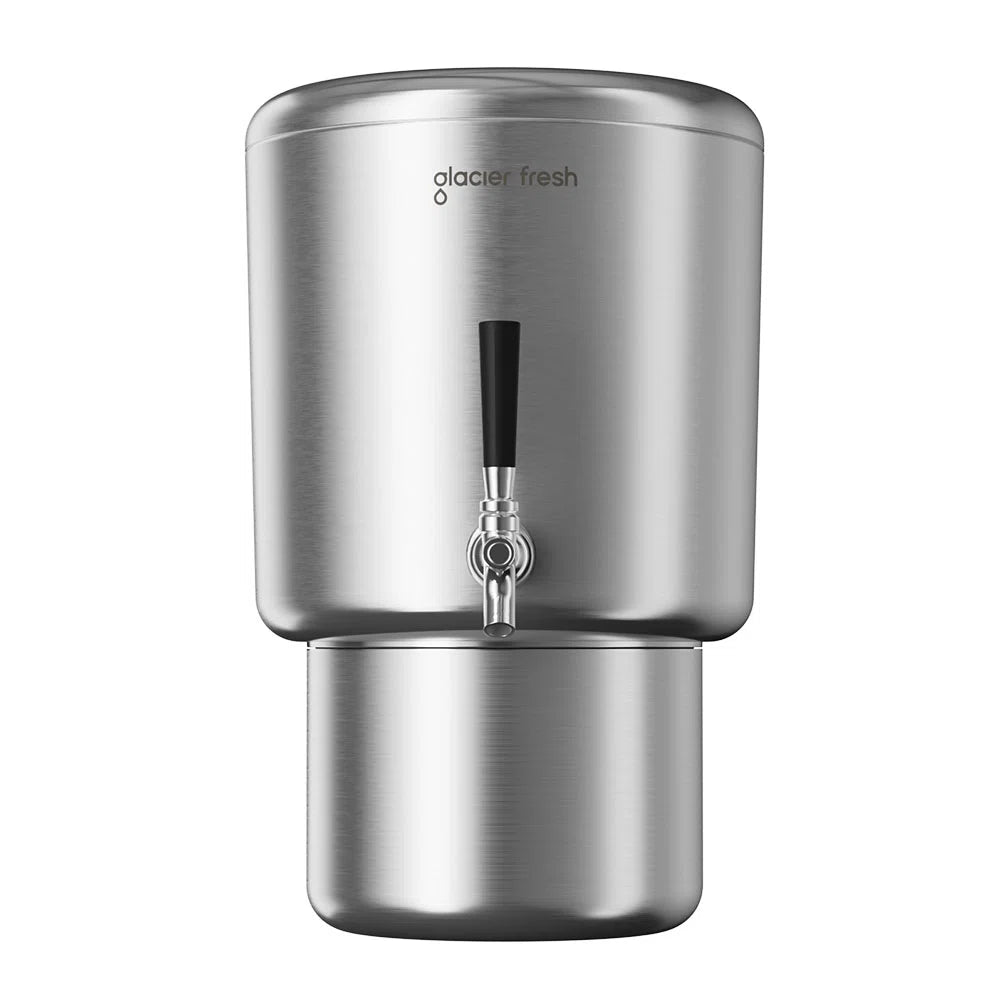
If you are looking for an advanced, hassle-free way to purify well water without complex plumbing or electrical work, the Glacier Fresh U03 Reverse Osmosis System offers an ideal solution.
| Feature/Benefit | Why It Matters for Well Water & Pet Health |
|---|---|
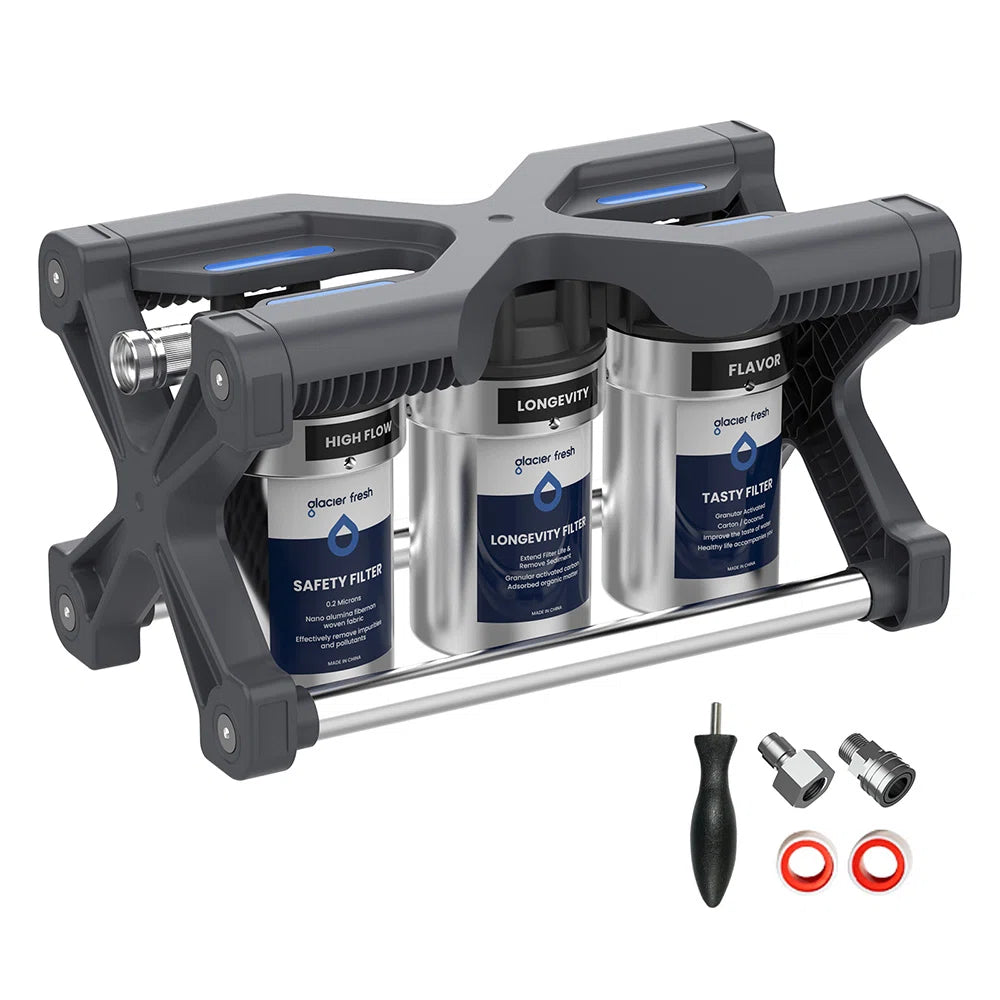
| 7-Stage RO Filtration | Removes up to 99.9% of harmful contaminants, including lead, arsenic, nitrates, microplastics, and parasites. |
| Non-Electric Operation | Operates without a noisy electric pump, making it ultra-quiet (won't startle sensitive pets) and functional during power outages. |
| Tank-Inside Design | Saves up to 70% of under-sink space compared to bulky traditional RO systems, leaving plenty of cabinet space. |
| Odour & Taste Improvement | Eliminates the sulfur smell (“rotten egg smell”) and metallic taste, so your dog will no longer refuse to drink well water. |
| 3:1 Pure-to-Drain Ratio | These are among the water purifiers with the lowest wastewater ratios on the market, and they significantly reduce water waste. |
Install the Glacier Fresh U03 under your kitchen sink to filter well water into clean and safe drinking water—perfect not only for your family but also for your dog. If your tap water comes from a municipal water supply system, it can also help remove the chlorine taste and any potential contaminants from your tap water.
Also Read: Can Dogs Drink Distilled Water?
Conclusion
Therefore, as long as you test your well water regularly and use a water filtration system to filter it promptly when problems are detected, well water is perfectly safe for dogs. Conversely, if you ignore issues with your well water, your dog’s health may be affected. Similarly, when choosing a water filtration system, you should opt for a reverse osmosis (RO) system to effectively remove heavy metals and agricultural contaminants, as standard activated carbon systems are unable to filter these out.
FAQs
Can dogs drink hard well water?
Moderate hard water is generally not toxic, but extremely hard well water contains high concentrations of calcium and magnesium. Over time, high TDS levels can contribute to dietary imbalances or urinary conditions in pets.
Does boiling well water make it safe for pets?
Boiling kills bacteria and parasites, but it does not remove heavy metals, pesticides, or nitrates. In fact, boiling evaporates pure water, increasing the concentration of chemical contaminants. Reverse osmosis filtration is required to remove dissolved toxins.
How much water should my dog drink daily?
As a general rule, dogs need about 1 ounce of water per pound of body weight each day. Providing clean, fresh-tasting water encourages regular drinking and supports kidney health.