
Table of Contents:
Complete Guide on How to Plan An Autumn Camping Trip
Other Considerations for Fall Camping
FAQs
Conclusion
Fall not only marks the end of summer's stifling heat and humidity, but it's also the best time to enjoy the scenery. The breathtaking sight of autumn foliage can help you forget your worries and lose yourself in the moment. However, fall is also a time when many animals are active, and temperatures can fluctuate significantly. To ensure you have a safe and comfortable fall camping experience, we've put together a list of essential items for fall camping.
Complete Guide on How to Plan An Autumn Camping Trip
When camping in the fall, we need to make some necessary preparations to ensure we can enjoy the beautiful scenery without suffering any unexpected injuries. Below, we'll provide a detailed guide covering clothing, food, lodging, transportation, and how to prevent wildlife attacks.
What Should You Wear for Fall Camping?
The weather in fall is unpredictable, with significant temperature fluctuations between morning and evening, so breathable, insulating clothing is our top priority. The most recommended layering method is:
Base layer (Merino wool underwear) + Insulation layer (fleece or a lightweight down jacket) + Windproof and waterproof outer shell
Merino wool base layers wick away sweat while retaining heat, and lightweight down jackets or fleece garments help trap body heat. A waterproof jacket protects you from frost, autumn rain, and strong winds.
💡Note: You should avoid wearing 100% cotton clothing, as it does not dry easily when wet and quickly draws body heat away, making hypothermia highly likely.
Another important point to note is that fall is the legal hunting season. Be sure to check the hunting schedules for local campgrounds or parks before setting out. Additionally, please wear a bright orange hat or windbreaker to avoid injury.
Supplies and Water for Fall Camping
Because temperatures are lower, the body burns calories faster in the fall than in the summer. Therefore, it's better to bring foods that are high in calories, easy to prepare, and won't spoil easily.
- High-calorie foods: chocolate or oatmeal energy bars, nuts, and beef jerky. These are all snacks that are easy to carry and can provide an energy boost whenever you need it.
- Easy-to-cook foods: pasta, instant miso soup, luncheon meat, steak, potatoes, and more. If you bring a camping stove, these staples will make your time at the campsite much more enjoyable and help you regain your strength more quickly.
Fall is the dry season, so when camping, you must avoid drinking water directly from streams or ponds. This is because the concentration of microorganisms or parasites in such water may be higher.
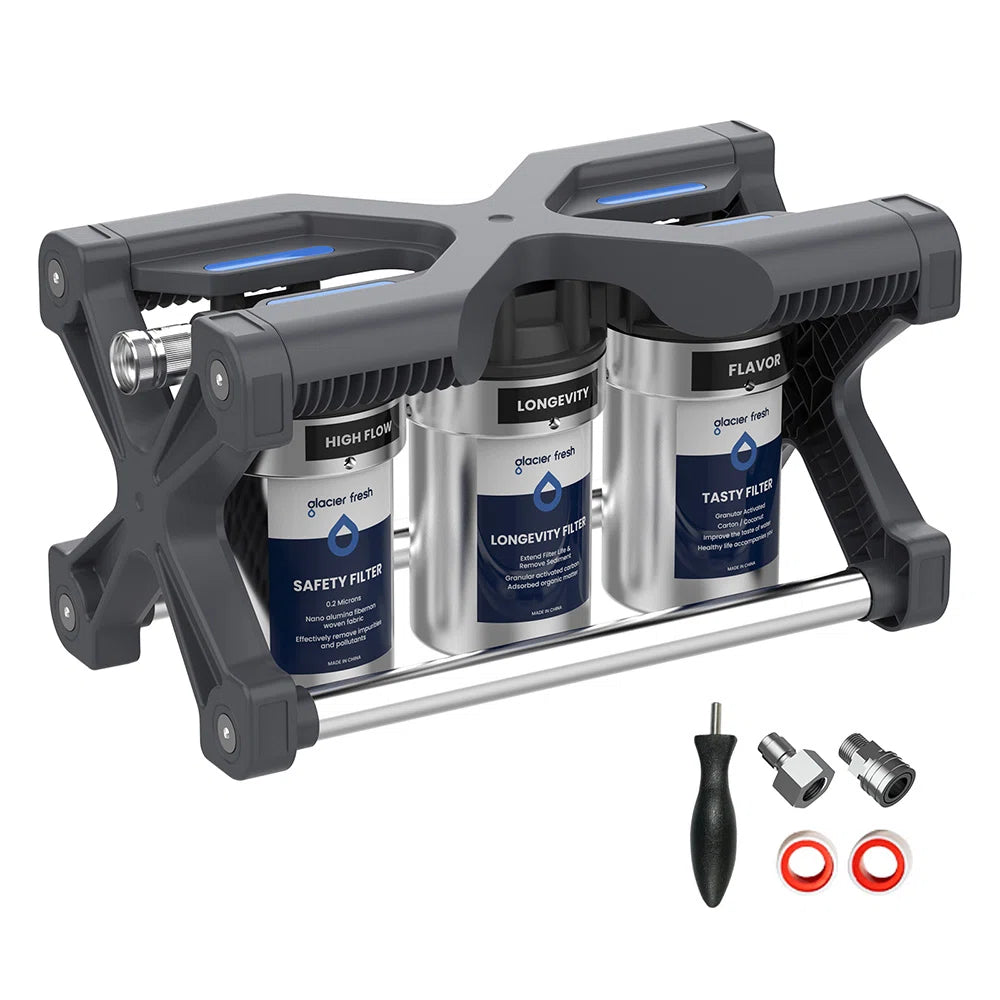
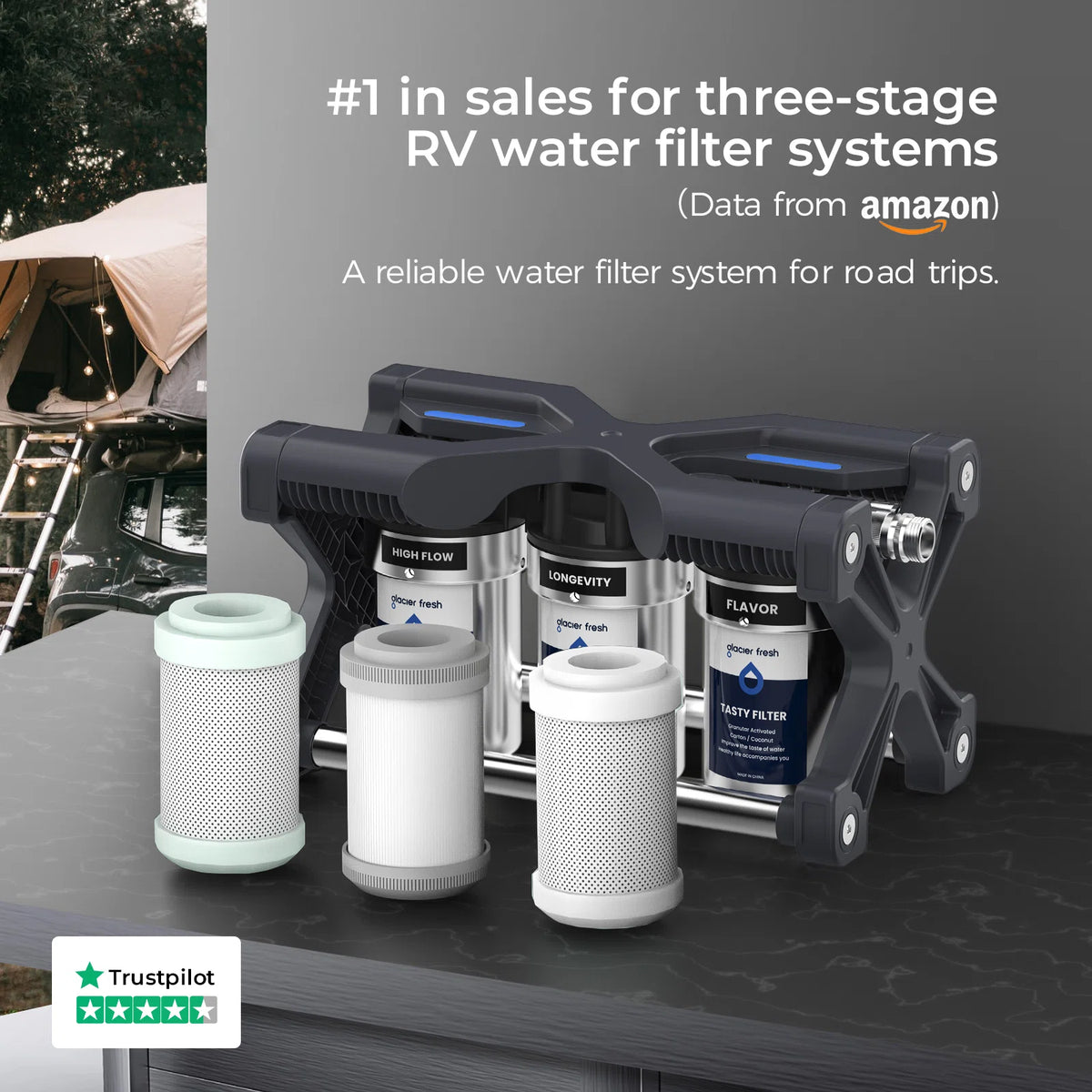
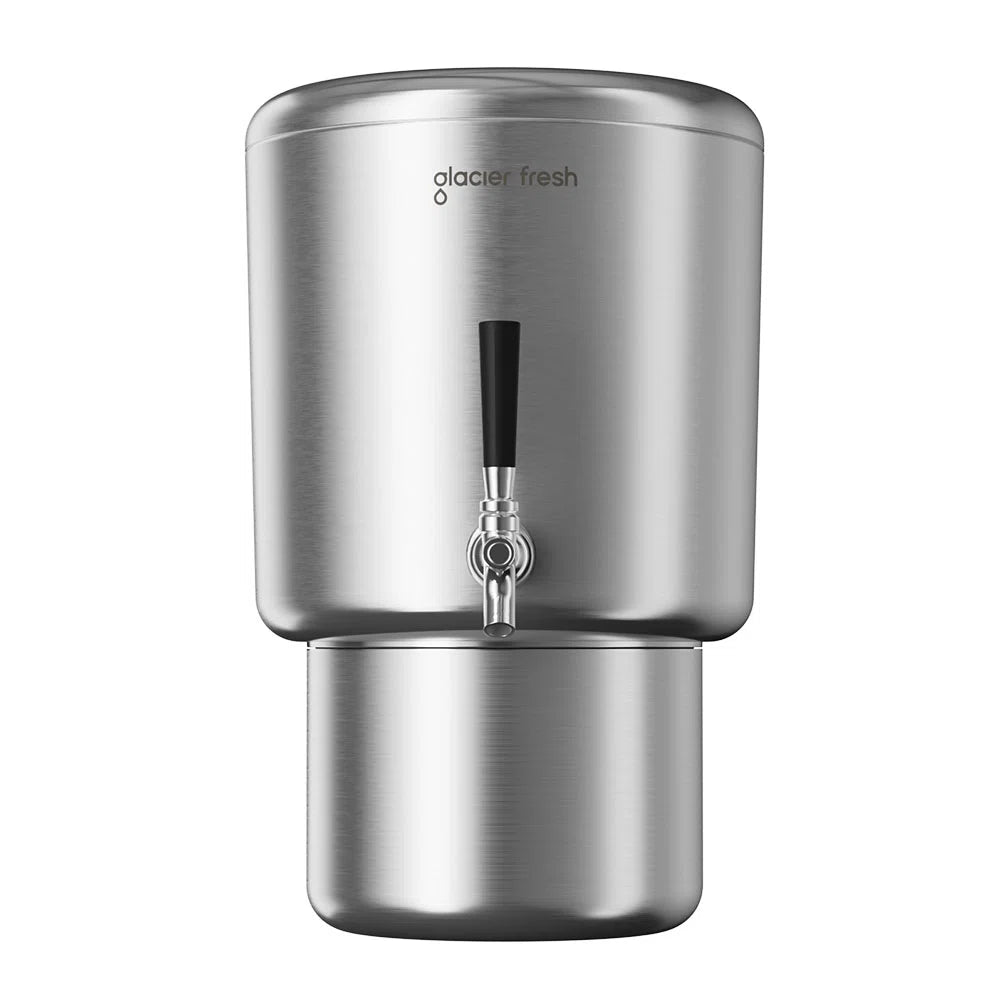
We recommend that you bring a portable outdoor water filter and a thermos. An outdoor water filter ensures that your drinking water is completely safe while you're out in the wilderness, helping you avoid diarrhea or other illnesses caused by bacterial infections. At the same time, a thermos allows you to enjoy hot water anytime, anywhere, which helps promote blood circulation.
💡Note: An outdoor water filter like the Glacier Fresh RV01 can remove 99.9% of harmful substances, including microorganisms, parasites, and heavy metals. In addition, a single filtration cycle is enough to meet the daily drinking water needs of you and your camping companions.
Tent and Sleeping Bag for Fall Camping
Unlike in summer, when choosing a tent for fall, you must bring a four-season tent with a lower temperature rating, as well as a windproof and waterproof outer tent. Your sleeping bag's temperature rating should be 10–15℉ lower than the expected nighttime low.
You'll also need an insulated, moisture-resistant sleeping pad. This is very important! Because the ground temperature is very low in the fall, an insulated, moisture-resistant sleeping pad prevents the cold from the ground from stealing your body heat.
Fall Camping: Safety and Navigation
Fall is peak bear season, when bears stockpile high-calorie foods such as berries and acorns in preparation for hibernation. To prevent black bears or grizzly bears from being attracted to your food or food scraps, you need to store your food properly:
- Use bear-proof containers to seal your food and odorous items, or hang your food from a tree (at least 10 feet off the ground and 4 feet away from the tree trunk).
- Dispose of all food scraps properly; as long as wildlife cannot smell food at your campsite, the vast majority of conflicts can be avoided.
Note: You should also carry bear spray to ensure your 100% safety.
Also, incidents may occur everywhere. Minor wounds may worsen in colder climates. Your medical pack ought to include:
Band-Aids, Antiseptic Solution, Bandages, Antihistamines, Space Blanket.
As for navigation, when hiking in the wilderness, what you need most is a paper map and a compass. This will prevent the risk of getting lost due to unexpected situations such as your electronic devices running out of battery or malfunctioning.
Lighting and Practical Tools for Fall Camping
It's important to note that days are shorter in the fall, and it usually gets dark between 5 and 6 p.m. For this reason, you'll need to bring plenty of lighting equipment, such as headlamps, camp lights, and spare batteries.
In addition, some practical tools, such as a multi-tool and fire-starting kit, are essential.
Other Considerations for Fall Camping

In addition to the cold-weather gear, water safety, and wildlife precautions mentioned earlier, here are some practical tips for fall camping that can greatly enhance your experience and ensure your safety:
1. In the fall, it generally gets dark earlier, so you should start setting up camp, building a fire, and preparing dinner as early as 3:00–4:00 p.m. Avoid waiting until after dark to pitch your tent. Also, keep your headlamp within easy reach.
2. There is often heavy dew in the early morning during the fall, so we recommend bringing your shoes inside the tent to prevent them from getting wet the next day, which could affect your hike.
3. Electronic devices drain their batteries faster in cold temperatures. We recommend placing them inside your sleeping bag at night to keep them warm and preserve battery life.
4. Choose a slightly elevated, flat slope or plateau for your tent site to avoid problems such as water pooling during sudden rain.
5. When building a fire, make sure to stay away from forests and dry leaves. Build the fire on open ground and extinguish it promptly after use.
FAQs
What differentiates camping during summer from autumn?
For autumn camping, you require warmer equipment, extra garments, and awareness that daylight decreases. There are fewer insects. However, planning matters more because the weather proves uncertain and nights feel colder.
Is autumn camping appropriate for beginners?
Yes, certainly. With thoughtful planning, like thermal sleeping sacks, layered apparel, and protective gear, autumn camping can feel more rewarding and easier for beginners than summer trips.
How might I stay comfortable while camping throughout the fall?
Dress in multiple layers. Utilize sleeping items that trap heat. Remain dry. Eat energy-dense meals before sleeping. Consider carrying a heated water container into your bed.
Is autumn camping secure during hunting season?
Yes, but only when careful. Remain on designated trails. Wear bright orange apparel—research local hunting timetables.
What meals are most suitable for autumn camping?
Stews, pasta, and porridge represent convenient, calorie-rich choices. Tea or cocoa serves as an excellent warm beverage for frosty evenings.
Conclusion
While enjoying the beautiful autumn scenery, we mustn't forget to be well-prepared to ensure our safety and enhance our comfort during the trip. This article offers advice on everything from what to wear to food and drink, as well as equipment selection, to help you have a perfect camping trip. We also hope that after camping in the wilderness, you'll be sure to take your trash with you—protecting the environment is everyone's responsibility.