
Table of Contents:
Ice: the overlooked ingredient in summer beveages
What`s hiding in your ice?
Water filtration: not just for drinking, but for freezing
Meet solutions for everyday hydration
When taste meets trust
Practical tips for clean ice this summer
The takeaway
As temperatures rise and North America dives headfirst into the summer heat, few things are more refreshing than an ice-cold drink. Whether it’s a fresh lemonade, a homemade iced coffee, or simply a tall glass of water, ice is the silent companion of summer hydration. But here’s the truth most people overlook: the quality of your ice is only as good as the water it’s made from—and poor water quality can quietly sabotage not only your favorite drinks but also your health.
Ice: the overlooked ingredient in summer beveages

When thinking about water quality, most people focus on the water they drink straight from the tap or bottle. Ice, on the other hand, is often an afterthought. It’s frozen, transparent, and seemingly harmless. But contaminants in ice don’t vanish just because they’ve been frozen. In fact, freezing can preserve impurities such as chlorine, heavy metals, bacteria, and even trace pharmaceuticals, allowing them to slowly release into your drink as the ice melts.
This becomes especially concerning during summer, when ice consumption spikes dramatically. From family cookouts to children’s sports games, pitchers of iced tea, smoothies, and infused waters are everywhere. Yet many of these drinks are diluted with ice made from unfiltered tap water—introducing potential toxins with every sip.
What`s hiding in your ice?
Municipal tap water in North America, while generally safe, often still contains measurable levels of contaminants. According to the Environmental Working Group (EWG), even legally “acceptable” levels of substances like lead, arsenic, PFAS (“forever chemicals”), and nitrates can pose long-term health risks, particularly for children and pregnant women. When this water is frozen, the resulting ice cubes carry those same contaminants into your beverages.
Some common issues associated with dirty ice include:
-
Unpleasant Taste and Odor: Chlorine and sulfur compounds can give your drinks a metallic, bitter, or musty flavor.
-
Cloudy Appearance: Impurities, minerals, and trapped air result in ice that looks milky or frosted, a visual indicator of poor water quality.
-
Health Concerns: Bacteria like E. coli or contaminants like lead and PFAS do not disappear when frozen. Long-term exposure can be harmful, especially for vulnerable populations.
Water filtration: not just for drinking, but for freezing

While many households invest in water filters for drinking water, fewer realize the importance of filtering water for ice. Whether it’s the water in your refrigerator’s ice maker, your countertop trays, or your beverage dispenser, filtered water should be the default.
Filtered water not only improves taste and clarity but also reduces exposure to harmful substances that may otherwise go unnoticed. This is where smart filtration systems can make a quiet but significant impact.
Meet solutions for everyday hydration
Today’s water filtration technology is designed not only for performance but for ease and sustainability. For families looking to upgrade their hydration habits this summer, here are two practical, low-effort ways to ensure your ice—and your drinks—are as clean as they are refreshing:
Undersink reverse osmosis system

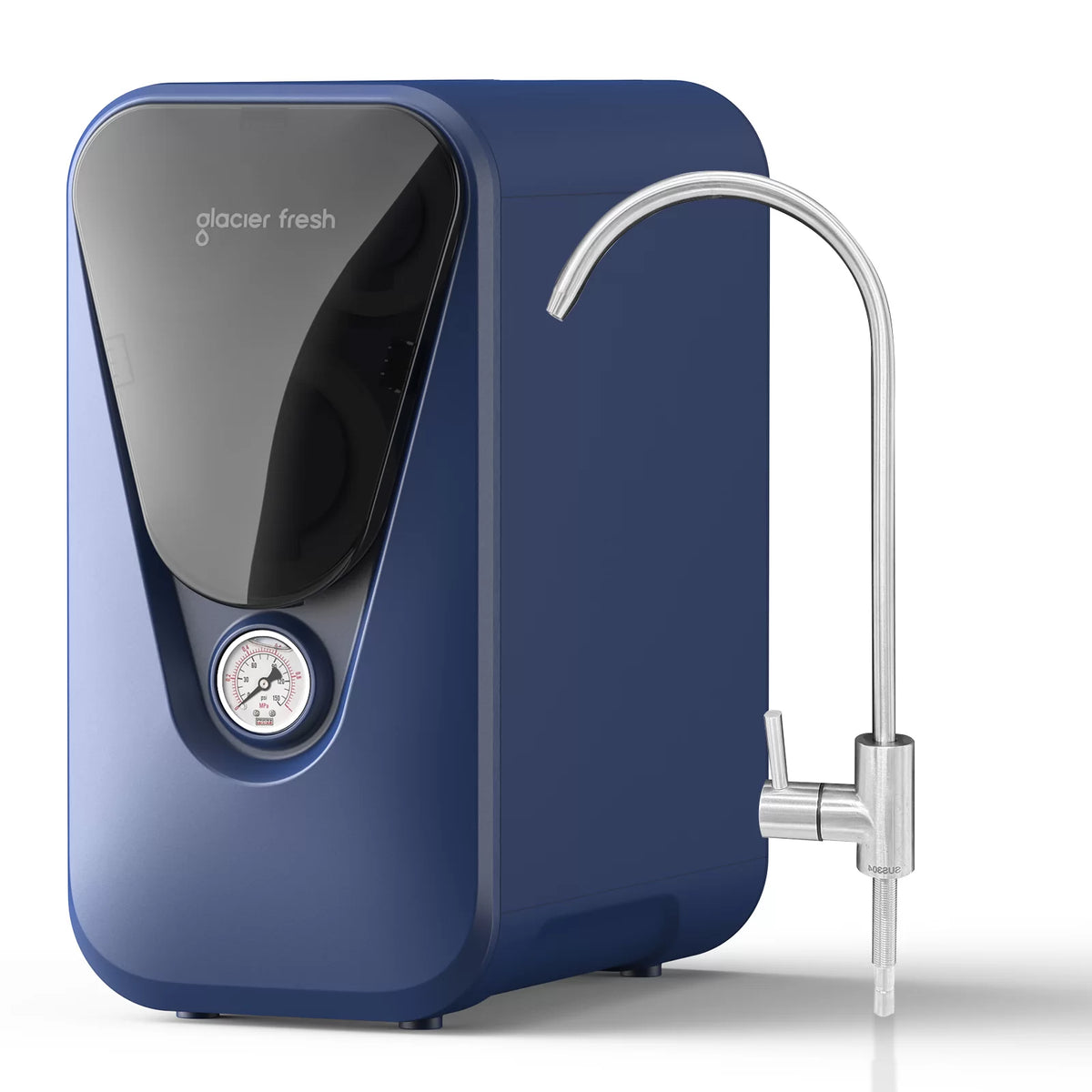
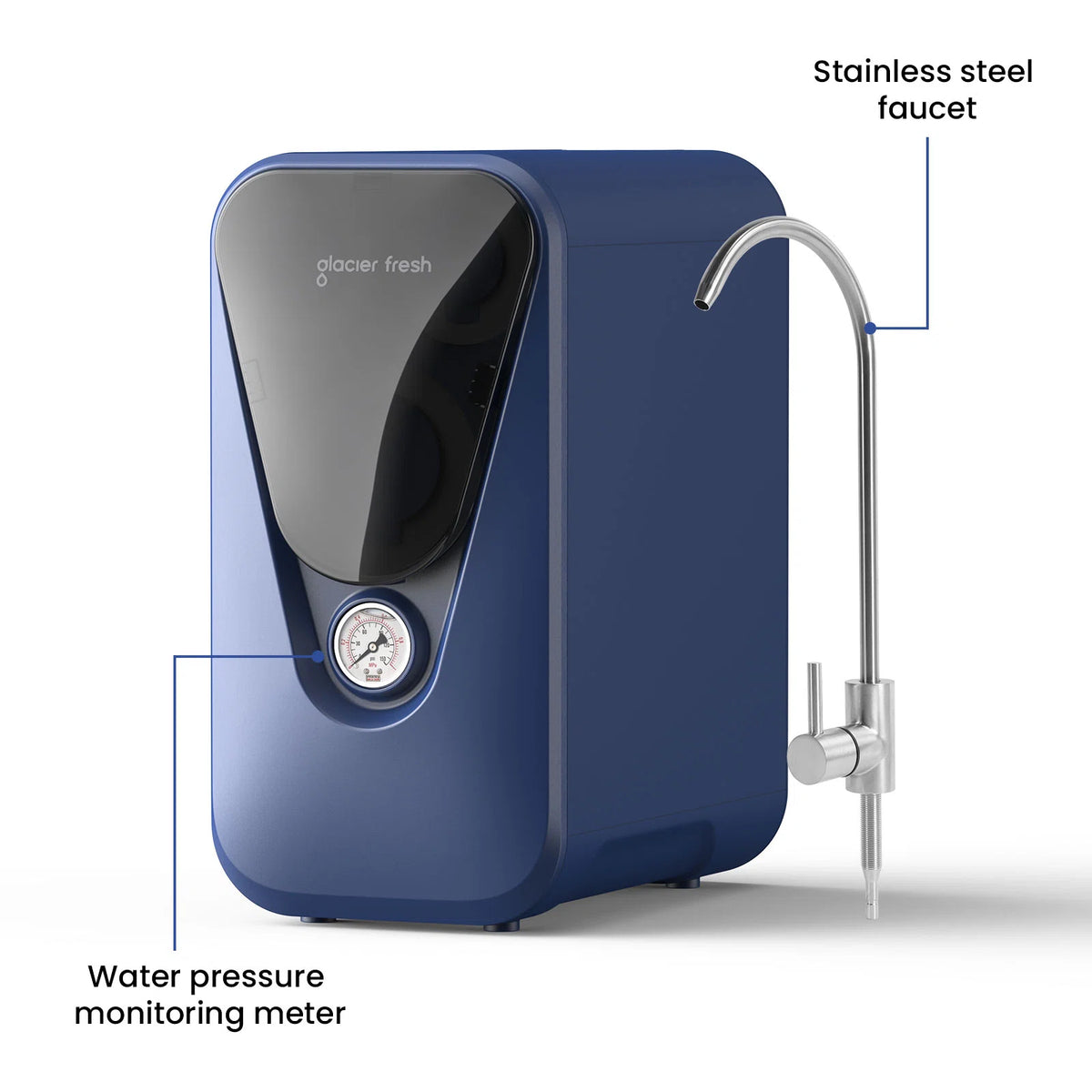
Compact yet powerful, under sink reverse osmosis systems like the Glacier Fresh U03 use multiple stages of filtration—including sediment, activated carbon, and reverse osmosis membranes—to eliminate up to 99% of common contaminants. This system provides high-quality filtered water directly to your faucet, perfect for filling up ice trays, blenders, or even the coffee machine.
Beyond water quality, the Glacier Fresh U03 is also designed with a tankinside system for continuous flow and 800 GPD capacity, meaning you won’t run out of filtered water even during a backyard BBQ rush. And with a twist-to-lock filter replacement system, maintenance is as simple as it is efficient.
Glass water filter pitchers

For those seeking an elegant, portable option, a glass water filter pitcher offers a zero-installation solution. The Glacier Fresh pitcher combines eco-conscious materials with advanced carbon filtration, removing chlorine, sediment, and other impurities while preserving essential minerals. Ideal for quick refills and countertop storage, it’s a stylish way to fill your ice trays or cold brew jar—no plumbing required.
Plus, the glass construction ensures no plastic leaching or unwanted flavors, aligning with growing consumer preferences for BPA-free, low-waste living.
When taste meets trust
Beyond safety, there’s something to be said about flavor. Ice made from clean, filtered water makes a noticeable difference. Your cocktails are crisper. Your iced coffee is smoother. Your infused waters are brighter and more aromatic. In a season where refreshing flavor is everything, using clean ice elevates every drink from routine to rejuvenating.
As more consumers become aware of what's in their water—and how it affects more than just the glass they fill—it’s clear that clean ice is more than a luxury. It’s a necessity.
Practical tips for clean ice this summer
· Always use filtered water when making ice, especially in manual trays or countertop machines.
· Regularly clean your ice maker or trays, as stagnant water can foster bacteria and mold.
· Inspect your refrigerator filters and replace them as recommended(typically every 6 months).
· Avoid reusing old or partially melted ice, which may have picked up airborne particles or freezer odors.
· Store filtered ice in a clean, closed container to protect it from cross-contamination.
The takeaway

In the quest for cleaner living, we often focus on the obvious: the food we eat, the air we breathe, the water we drink. But this summer, don’t let your ice go unnoticed. Its impact on your daily hydration, your family’s health, and the flavor of your favorite drinks is more significant than it seems.
Glacier Fresh, a brand focused on elevating water quality at home, encourages families to rethink how they approach hydration—not just from the faucet, but in every frozen cube and chilled glass. Because when it comes to wellness, every drop—and every cube—counts.