2 Produkte
Sortieren nach
Sortieren nach
Glacier Fresh Ersatz für Bosch BORPLFTR50 Kühlschrank-Wasserfilter

Kompatibel mit Bosch BORPLFTR50, BORPLFTR55, REPLFLTR55, 11032531 12033030, RA450022

AngebotspreisAb $49.99
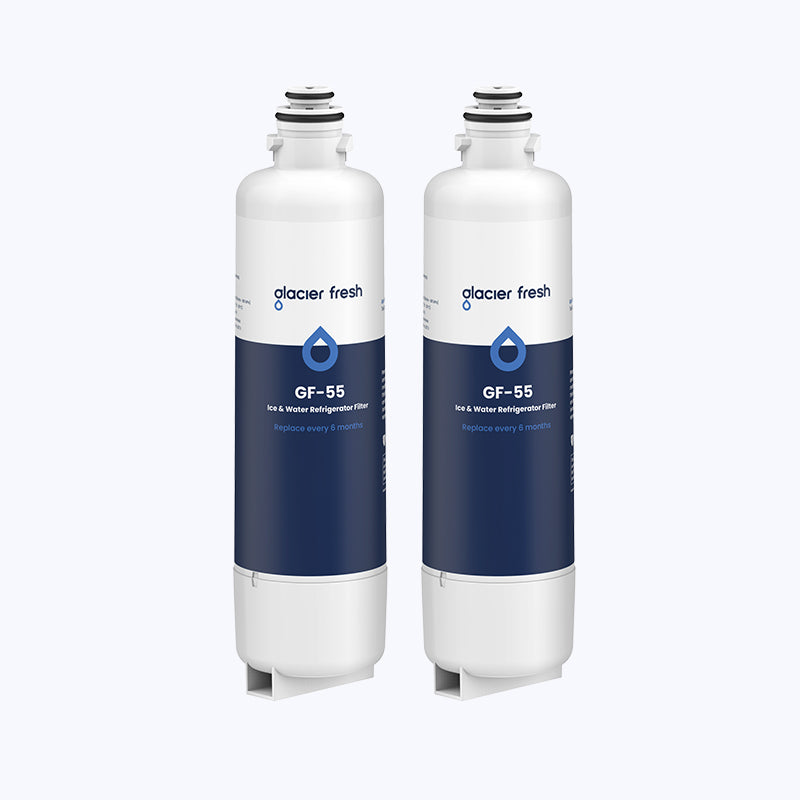
Glacier Fresh Ersatz für Bosch BORPLFTR50 Kühlschrank-Wasserfilter, 2er-Pack

Kompatibel mit Bosch BORPLFTR50, BORPLFTR55, REPLFLTR55, 11032531 12033030, RA450022

AngebotspreisAb $42.99

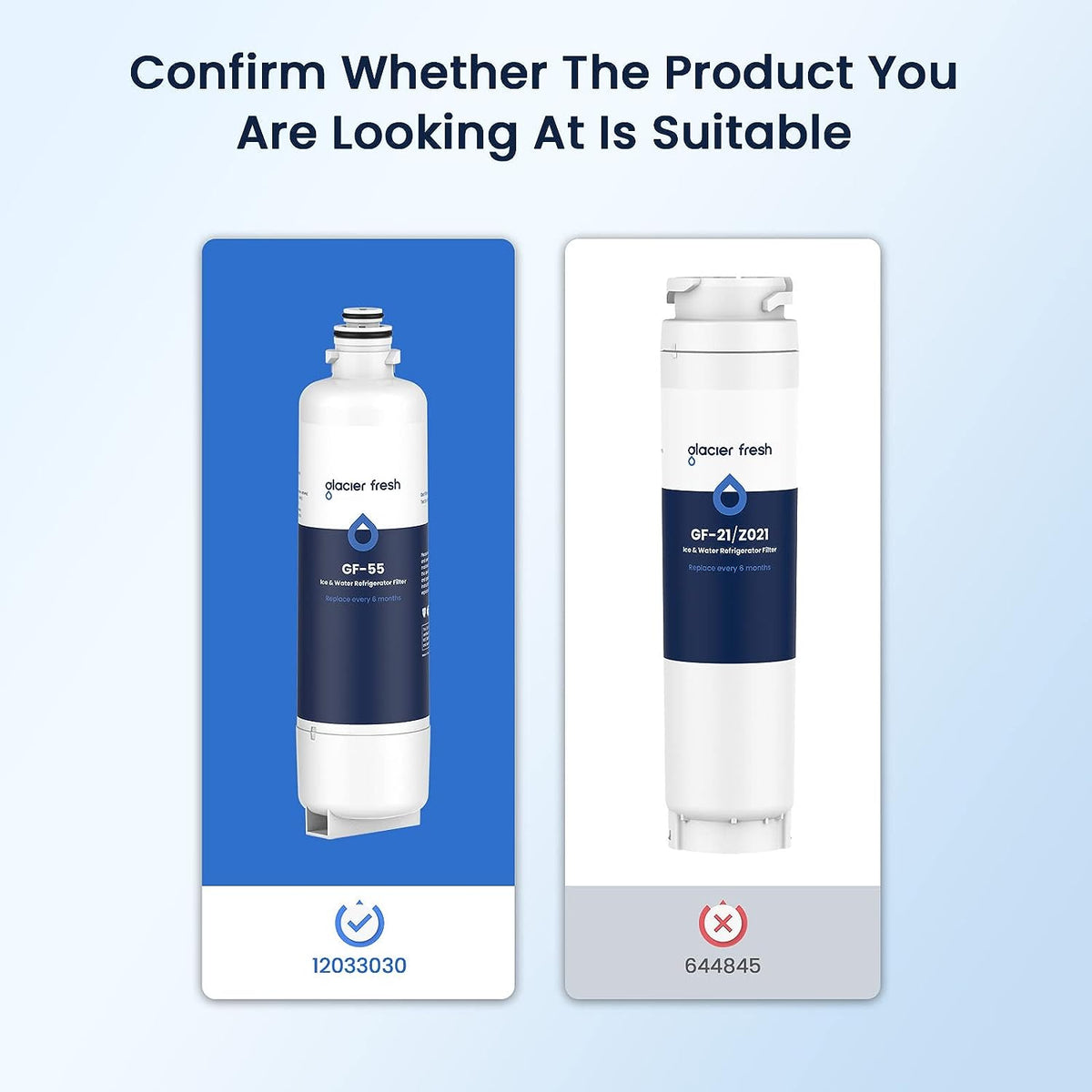
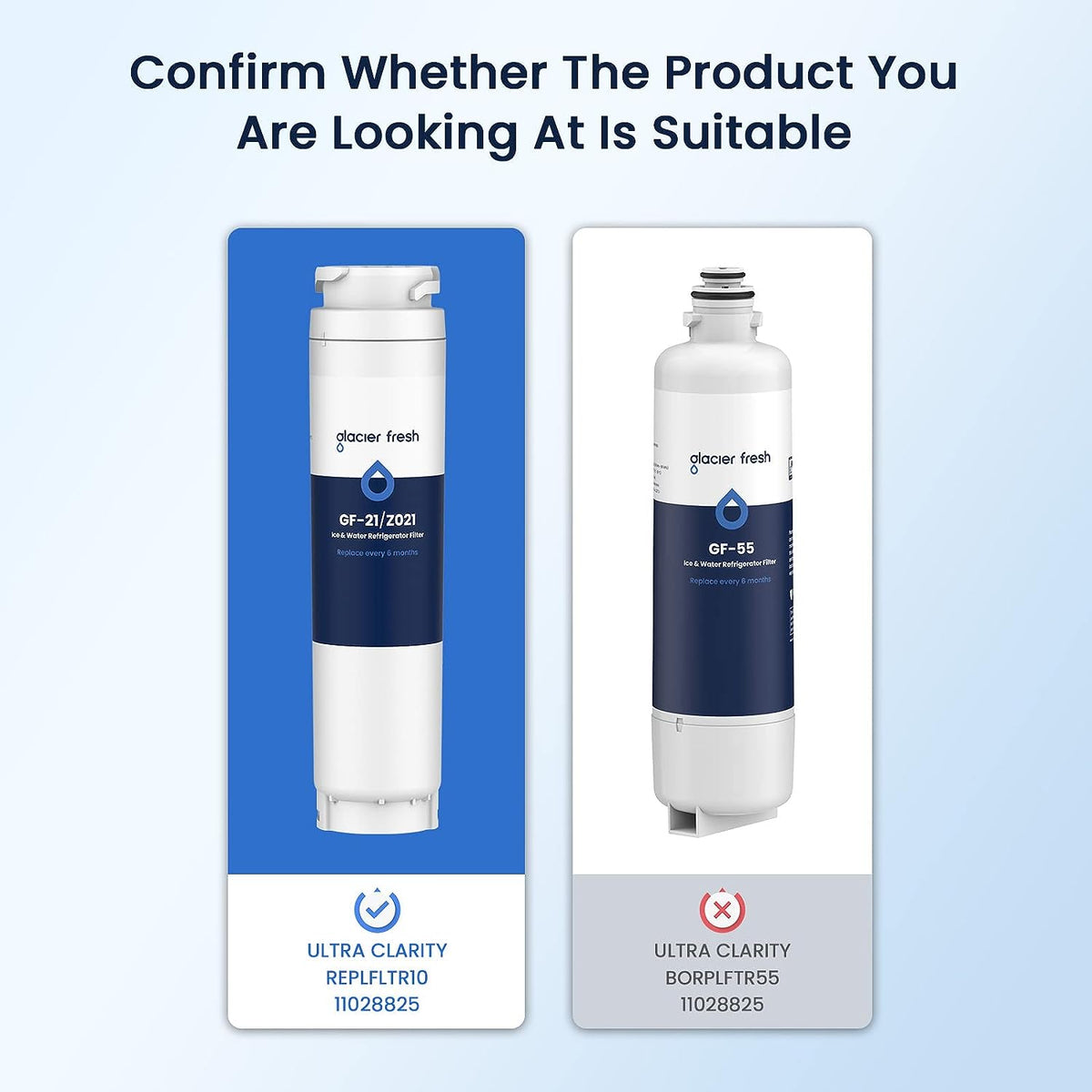
GF055, kompatibel mit Bosch Ultra Clarity Pro BORPLFTR50, BORPLFTR55, REPLFLTR55, 11032531, 11025825, 12033030, RA450022, WFC100MF, WFS200MF Kühlschrank-Wasserfilter, NSF-zertifiziert zur Entfernung von 97,9 % Chlor.

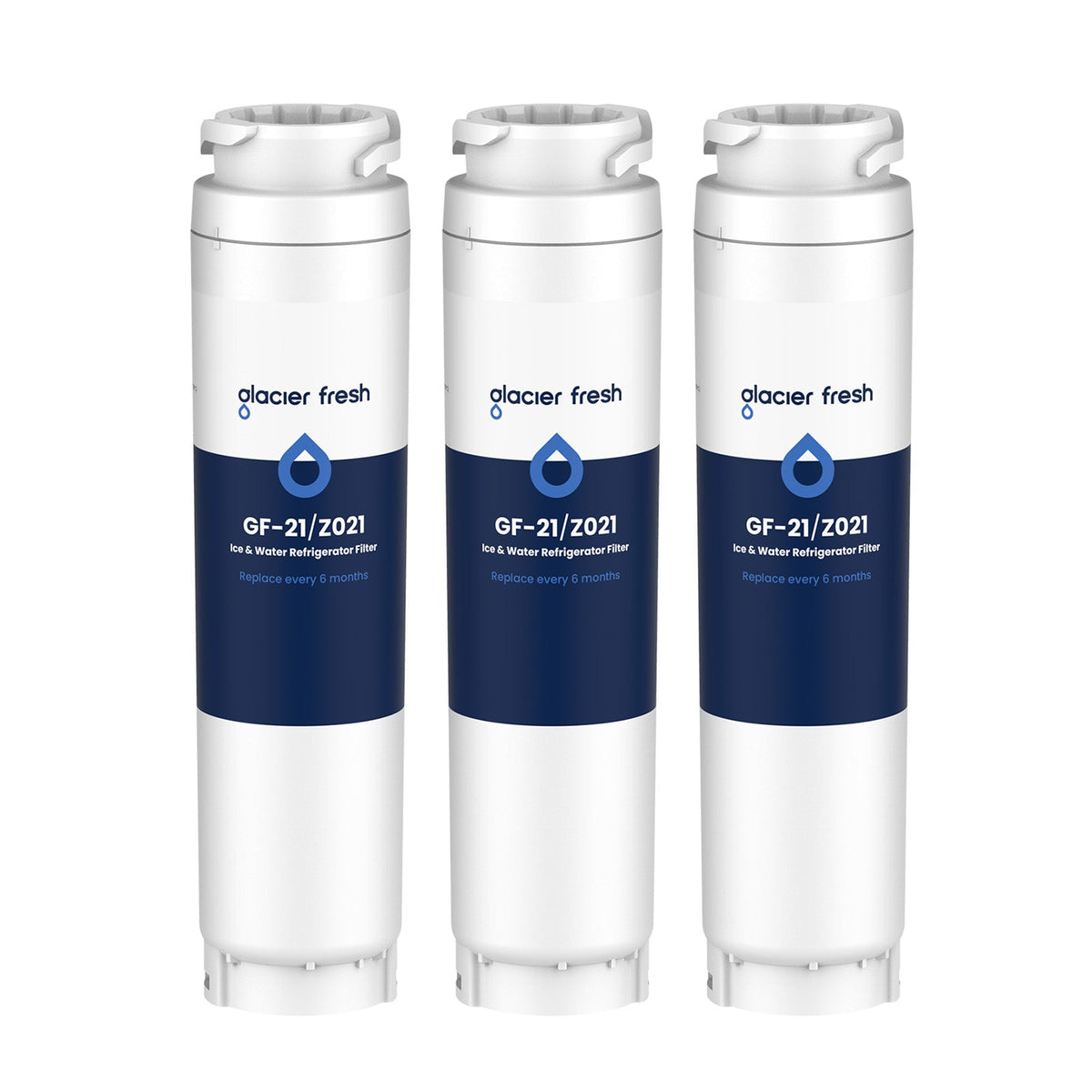
GF021, Ersatz für Bosch 644845 , 9000077104, Ultra Clarity REPLFLTR10 Kühlschrank-Wasserfilter, reduziert Schadstoffe erheblich. Und behält Mineralien, die unserer Gesundheit zuträglich sind.
FAQ

Check the model number on the sticker inside your Bosch fridge. Match it to UltraClarity (BORPLFTR30) or UltraClarity Pro (BORPLFTR55) series to ensure a perfect fit and seal. Glacierfresh compatible replacements are designed to meet these specifications for secure installation and reliable performance.

Incorrect O-rings or poor threading can cause slow internal leaks or high-pressure bypass. This may lead to water damage inside the filter housing or eventually cause the ice maker system to malfunction.

Most Bosch-compatible refrigerator filters are designed to treat about 200–300 gallons of water. For an average household, this typically equals about six months of use. Replacement may be required sooner if the filter indicator activates or water flow decreases.

New carbon block filters may release small carbon fines and contain trapped air. Flushing 1–2 gallons of water through the dispenser primes the filter media and removes the initial metallic or slightly bitter taste.

Reduced flow after installation is usually caused by trapped air or an improperly seated cartridge. Ensure the filter is fully twisted into the locked position and run the dispenser for several minutes to purge air from the system.

A clean filter creates a small pressure drop of about 5–10 PSI as water passes through the filtration media. As the filter captures sediment and contaminants, the pressure drop gradually increases. If household water pressure is below about 40 PSI, dispenser flow may become noticeably slower.