
Table of Contents:
What reverse osmosis actually removes?
Common reasons RO water may be linked to diarrhea
Should you stop drinking RO water immediately?
What to do if you experience diarrhea after switching to RO?
How can RO water be made more comfortable for long-term drinking?
How can Glacier Fresh address these issues more effectively?
FAQs
Conclusion
Reverse osmosis (RO) water is widely considered one of the safest drinking water options available. Yet some people report digestive discomfort — such as diarrhea — after switching to RO water. This experience can be confusing: if RO water is purer, why would your body react negatively to it?
The truth is that RO water itself is rarely the direct cause of gastrointestinal illness. In most cases, symptoms arise from system maintenance issues, changes in mineral balance, hygiene factors, or unrelated health conditions that coincide with the water change. However, scientific data can help us understand why and when these associations occur.
This article breaks down the evidence, the steps for investigating symptoms, and how to make informed hydration decisions.
What reverse osmosis actually removes?

Reverse osmosis works by forcing water through a semi-permeable membrane with microscopic pores (~0.0001 microns).
RO effectively removes
- Bacteria and viruses.
- Heavy metals (lead, arsenic, mercury).
- Nitrates and fluoride.
- Chlorine and disinfection byproducts.
- Pesticides, pharmaceuticals, and PFAS.
- Total dissolved solids (TDS).
RO also removes
- Naturally occurring minerals such as calcium, magnesium, and potassium.
This is where most confusion begins. RO does not selectively remove only “bad” substances—it removes almost everything dissolved in water.
Importantly:
- RO water is microbiologically safe at the membrane.
- Water quality after filtration depends on system design and maintenance.
Common reasons RO water may be linked to diarrhea
1. Secondary contamination inside the system
RO membranes remove microorganisms, but they also remove chlorine and disinfectant residuals. This creates an environment where bacteria can regrow after filtration if the system is not well-maintained.
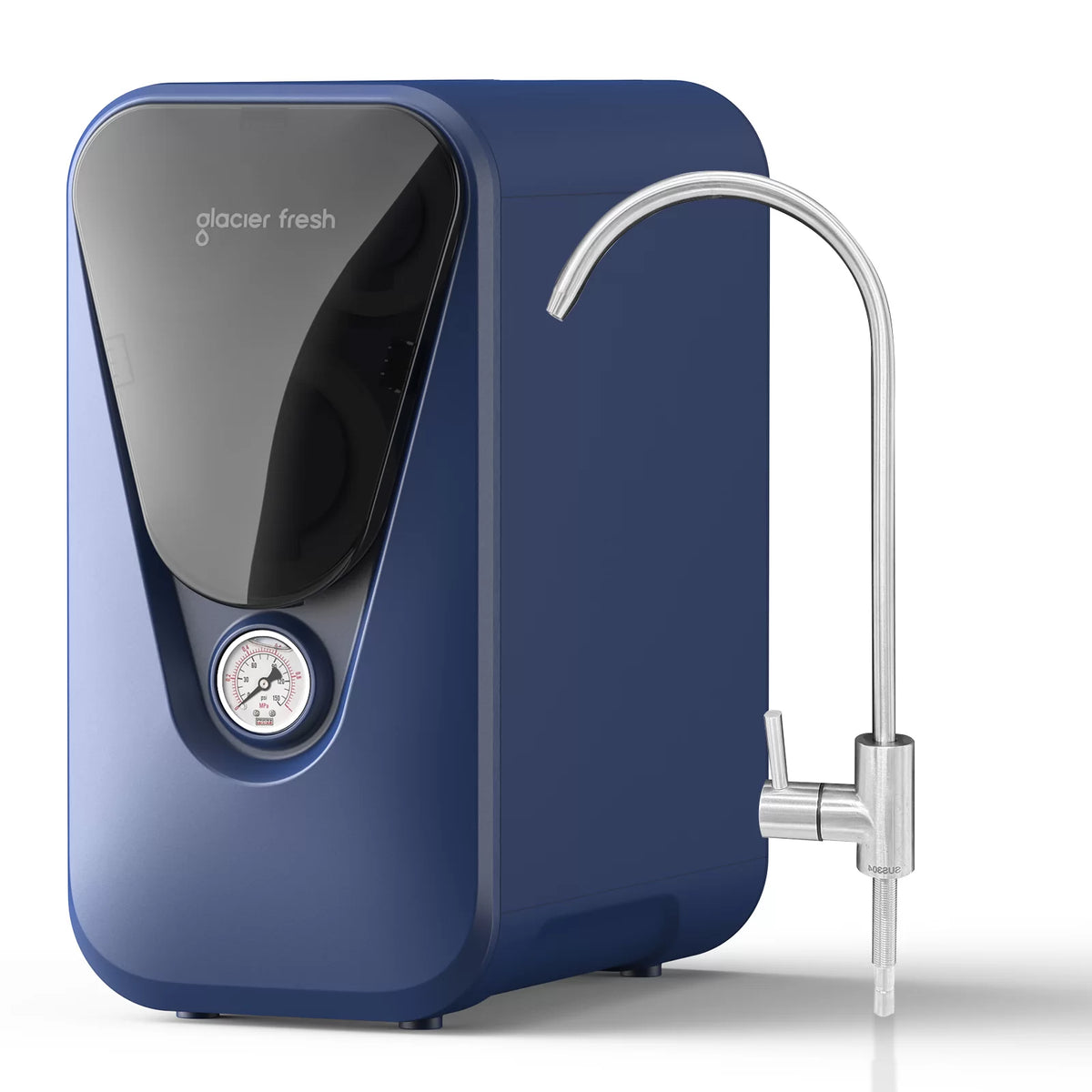
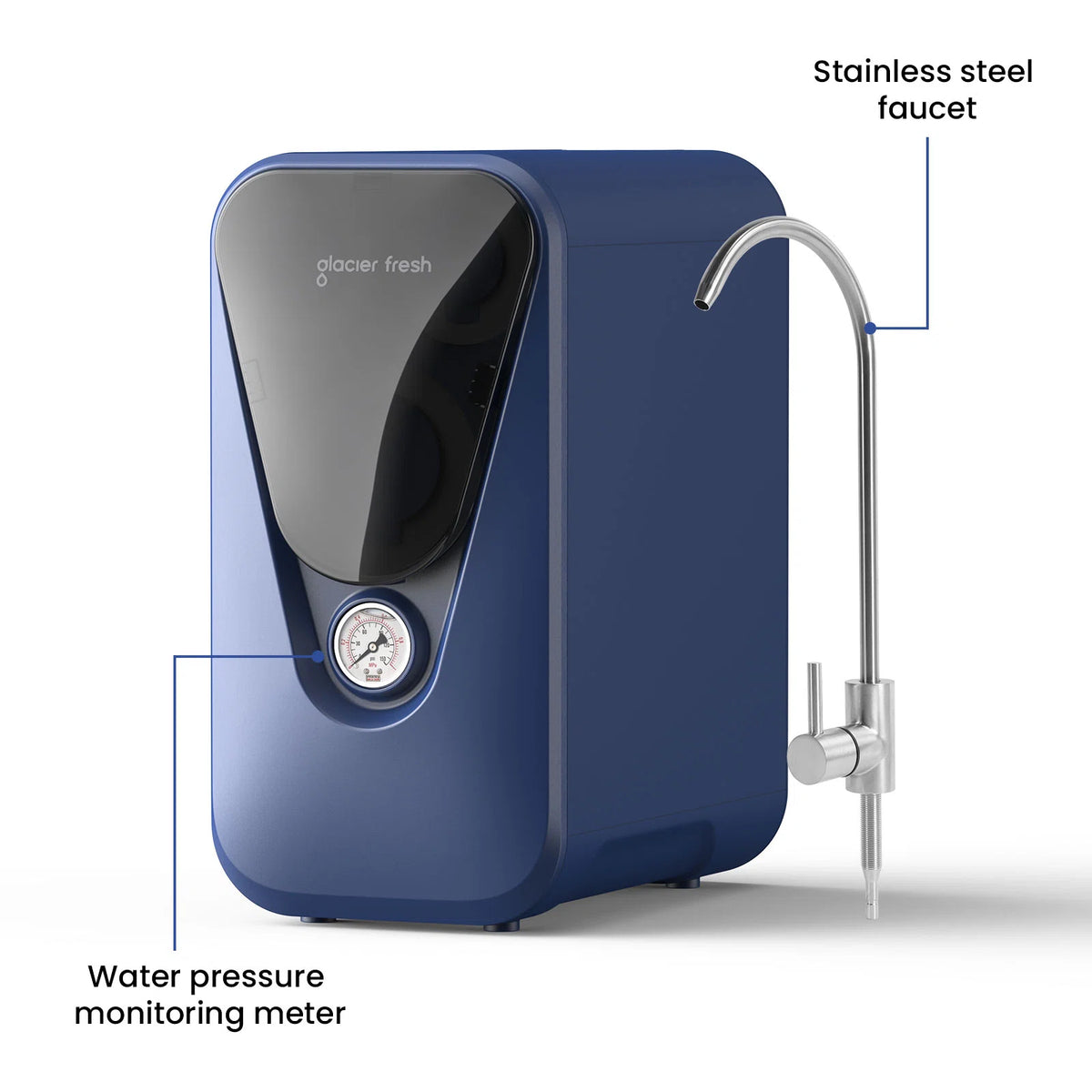
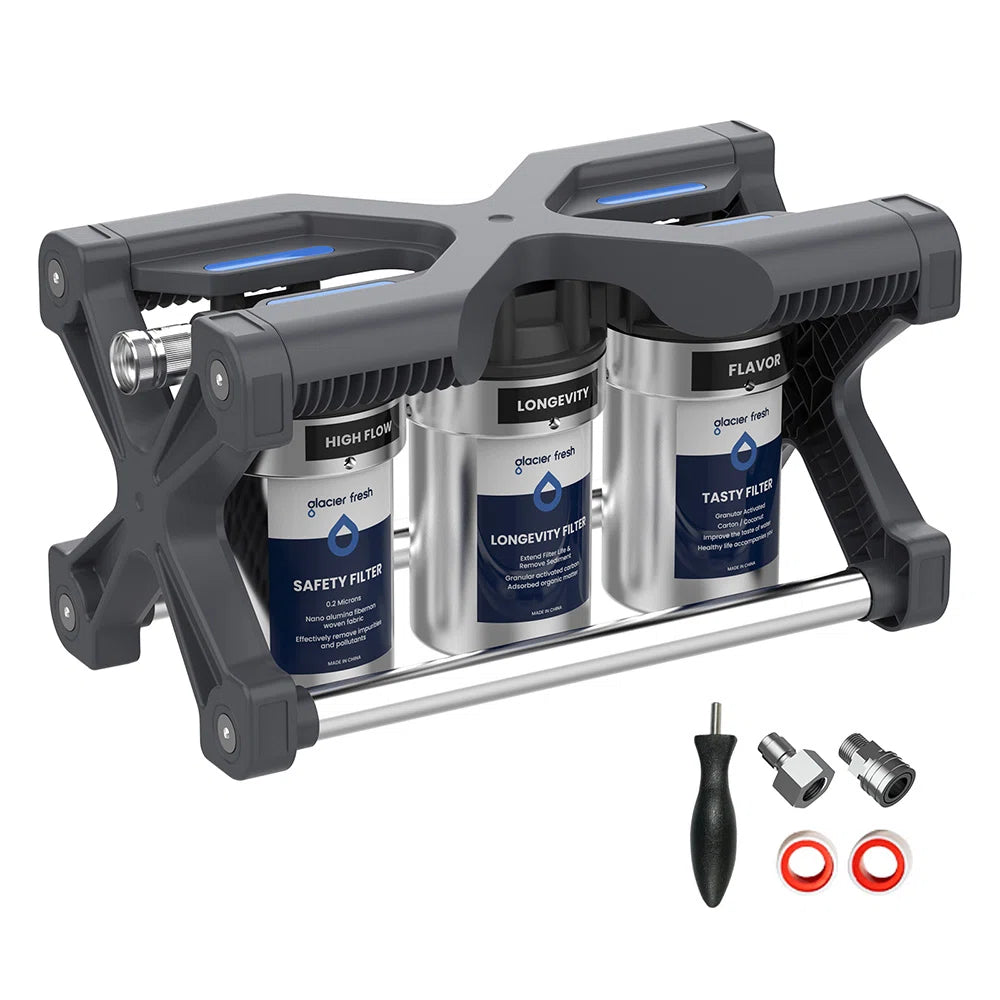
🔸Note: Choosing a tankinside water purifier can directly prevent water quality from deteriorating due to contamination of the storage tank. At the same time, tankinside models eliminate the need for a large number of tangled hoses, are more compact, and are easier to install and replace filters. The Glacier Fresh U03 Tankinside RO System is a great example.
Risk factors include:
- Overdue filter replacements.
- Unclean storage tanks.
- Warm or humid installation environments.
- Stagnant water inside the tubing.
In these cases, diarrhea is not caused by RO water itself—but by post-filtration contamination.
2. Sudden shift to very low-mineral water
RO water is extremely low in dissolved minerals. While minerals come primarily from food, water does contribute a small but consistent portion.
For some people:
- A sudden drop in calcium and magnesium intake from water.
- Combined with marginal dietary intake.
- May affect electrolyte balance and gut comfort.
Researches from National Library of Medecine suggest that long-term consumption of very low-mineral water may influence mineral metabolism, particularly when diets are already deficient, but this is not a proven cause of diarrhea.
3. Slightly Acidic pH and Digestive Sensitivity
Pure reverse osmosis (RO) water is naturally slightly acidic, with a pH typically ranging from 6.0 to 6.5. For healthy individuals, the natural hydrochloric acid in the stomach (pH 1.5 to 3.5) can easily neutralize slightly acidic water. However, for people with sensitive stomachs, acid reflux, or chronic gastritis, suddenly drinking unbuffered water with a low pH may cause mild stomach discomfort.
4. Sensitive gastrointestinal systems
People with:
- IBS.
- Electrolyte sensitivity.
- Recent illness or antibiotic use.
May notice digestive changes more readily when hydration sources change—even if the water itself is safe.
5. Drinking container contamination
Even perfectly filtered water can become unsafe if:
- Bottles or cups are not washed regularly.
- Office dispensers harbor biofilms.
- Reusable straws or lids trap bacteria.
In these cases, symptoms are often mistakenly blamed on RO water.
6. Coincidental illness
Timing does not always equal causation. Viral gastroenteritis, foodborne illness, stress, or dietary changes frequently overlap with lifestyle changes—including switching water systems.
A useful rule:
- If only one person is affected, water is less likely to be the cause.
- If multiple users share symptoms, water quality should be investigated immediately.
Should you stop drinking RO water immediately?
When digestive symptoms appear, the instinctive reaction is often to stop what you think is causing them — in this case, the reverse osmosis water.
When pausing RO use makes sense:
- Symptoms are severe or persist beyond 48–72 hours.
- Multiple household members sharing the same water source are affected.
- Additional warning signs (fever, dehydration, blood in stool) are present.
In these cases, taking a conservative break from the RO water source while investigating further is a cautious approach.
When RO water is unlikely to be the main cause:
- Only one person is affected.
- Symptoms existed prior to switching water sources.
- There were recent dietary changes, medication use, travel, or viral illness.
In these scenarios, RO water may simply overlap with other causes rather than be the root issue. A quick way to organize your thoughts before diving deeper:

What to do if you experience diarrhea after switching to RO?

1. Rule out common digestive triggers
Not all stomach issues are related to water quality. Common causes include:
- Foodborne pathogens.
- Viral gastroenteritis.
- Antibiotic or medication side effects.
- Stress or changes in eating habits.
If symptoms began alongside one of these events, the timing could be coincidental.
2. Check for secondary contamination in the RO system
RO filters produce very clean water at the membrane level, but water can become unsafe after filtration if the system isn’t maintained.
Potential contamination sources include:
- Overdue filter cartridges.
- Biofilm buildup in storage tanks and tubing.
- Poor installation or warm, humid conditions.
Bacterial regrowth in storage tanks and piping is a known issue with low-disinfectant systems, including household RO units, because the membrane removes disinfectant residuals that would otherwise suppress bacterial growth.
3. Understand low-mineral water and sensitivity
Reverse osmosis removes both contaminants and beneficial dissolved minerals such as calcium and magnesium. This results in very low-mineral water.
Scientific research shows that consuming very low-mineral water can affect the body's mineral and electrolyte balance, especially when dietary mineral intake is marginal. These changes occur because:
- Minerals essential to physiology (calcium, magnesium) are reduced.
- Very low-mineral water may increase urinary excretion of minerals.
- Some studies note changes in metabolic markers in children consuming low-mineral water.
Another study found that very low mineral water consumption in schoolchildren was associated with increased indicators of oxidative stress and altered lipid and homocysteine metabolism, which may have implications for cardiovascular health.
It’s important to note that while these findings highlight potential systemic effects, there is no strong evidence that low-mineral RO water directly causes diarrhea or gastrointestinal disease.
4. Inspect your drinking containers and dispensers
Even clean water can become contaminated if the bottles or cups you use aren’t washed regularly. Reusable containers, straws, and office dispensers can develop biofilms and harbor bacteria that cause illness unrelated to the water source itself.
5. Evaluate system quality and authenticity
Not all systems marketed as “RO” deliver true reverse osmosis purification.
Red flags include:
- No NSF/ANSI certification.
- Vague performance claims without test data.
- Low-quality materials that may leach contaminants.
A genuine RO system should be verified by recognized standards to ensure it’s performing as advertised.
How can RO water be made more comfortable for long-term drinking?
1. Maintain the system properly
- Replace filters on schedule (typically every 6–12 months).
- Sanitize storage tanks and tubing.
- Avoid stagnant water accumulation.
This step alone eliminates most RO-related complaints.
2. Support mineral intake through diet
- Calcium: leafy greens, dairy, tofu.
- Magnesium: nuts, whole grains, legumes.
- Potassium: fruits and vegetables.
Water should support nutrition—not replace it.
3. Consider moderate remineralization
Some users prefer RO systems that:
- Restore a small percentage of minerals.
- Improve taste and mouthfeel.
- Reduce sudden mineral intake changes.
This is about comfort and consistency—not medical necessity.
How can Glacier Fresh address these issues more effectively?

Modern RO design is evolving beyond “maximum removal at all costs.” Systems like the Glacier Fresh U03 Under-Sink Reverse Osmosis System reflect this shift.
Key design considerations
- Approximately 15% mineral retention, helping smooth the transition from tap water.
- Reduced stagnant water zones to limit bacterial regrowth.
- Certified filtration materials for performance reliability.
- Designed for daily household hydration, not lab-grade sterility.
Rather than producing ultra-flat water, Glacier Fresh focuses on balanced purification—clean enough to remove risks, comfortable enough for long-term use.
FAQs
Can RO water upset your stomach?
Most of the time, no, but very low-mineral water can feel different for sensitive individuals.
Should RO water be remineralized?
Not strictly, but some people prefer systems or post-filters that add back modest amounts of minerals for taste or comfort.
How often should RO filters be replaced?
Typically, every 6–12 months, depending on water quality and household usage.
Conclusion
Reverse osmosis water is not inherently harmful. Digestive symptoms following a switch to RO water are usually due to system maintenance issues, hygiene factors, changes in mineral balance, or unrelated health events — not the purification process itself.
By understanding why these associations appear and using evidence-based steps to investigate symptoms, you can confidently enjoy clean, safe drinking water while supporting overall well-being.
Related articles:
Is RO Water Good for Health? What You Need to Know
Reverse Osmosis Vs. Distilled Water: What’s the Difference and Which Is Better for You?
Reverse Osmosis Water for Coffee Lovers: Why Your Morning Brew Deserves Perfection