
Table of Contents:
What Is Really in Potable Water?
Is Potable Water Drinkable?
How to Ensure the Safety of Potable Water at Home?
How to Choose A Water Purifier for Your Home?
Conclusion
FAQs

As the name suggests, drinking water is a water source that can be consumed directly; typically, drinking water in homes comes from the municipal water supply. But is drinking water truly completely clean? Is it suitable for long-term consumption by families?
In this article, we’ll explore potential safety hazards in drinking water and how to make your drinking water safer to consume.
What Is Really in Potable Water?
Drinking water is supplied by the city government's water treatment plant; it contains natural elements, chemical additives, and, occasionally, microorganisms.
1. Minerals: Drinking water contains certain minerals that are beneficial to the body, such as calcium, magnesium, and potassium. These minerals also make the water taste crisp and refreshing.

2. Disinfectant Residues: Water treatment plants add chlorine and chloramines to the water to eliminate harmful bacteria and pathogens. These do not pose a health risk but can cause a chlorine odor in the water.
3. Other Contaminants: Although drinking water undergoes rigorous municipal treatment, it may still contain the following during distribution:
- Heavy Metals: Old municipal and community water pipes may cause lead and copper to leach into drinking water.
- PFAS: Toxic chemicals generated by industrial production and agricultural fertilizers seep into groundwater and surface water because they are difficult to break down. They are collectively known as PFAS.
- DBPs: Formed when chlorine reacts with naturally occurring organic compounds in water; long-term exposure to some DBPs may lead to health problems.
Is Potable Water Drinkable?
The answer is yes. Water designated as “potable water” must meet the standards set by the U.S. Environmental Protection Agency. Therefore, water from water treatment plants undergoes rigorous treatment to remove harmful bacteria, viruses, parasites, and hazardous levels of chemicals.
However, since the water from the water treatment plant may be affected during transportation, the drinking water that reaches your home may be contaminated.
You can drink water straight from your kitchen faucet, but only if you’ve tested it for heavy metals and PFAS. However, if you want to be 100% sure that the water in your home is completely free of contaminants and tastes great, using a high-quality home water filtration system or a certified refrigerator filter is your best option.
How to Ensure the Safety of Potable Water at Home?

Although drinking water may contain some contaminants, their levels are low enough that they won’t have any immediate health effects. However, if you want to ensure that the drinking water in your home is safe enough, here are a few things you can try.
Way 1. Using Home Water Testing Kit
You can buy the water testing kit from Amazon or other platforms. It can detect common chemical residues, heavy metals, pH levels, and total hardness in water. But, it can’t detect microplastics, PFAS (forever chemicals), bacteria, etc.
Way 2. Checking Local Water Quality Report
You can check your monthly water bill. The bill will list the name of your local water utility and its official website. You can visit the utility’s website, where you’ll typically find the latest PDF version of the annual water quality report under sections such as “Water Quality,” “Your Water,” “Consumer Confidence Report,” or “CCR” on the homepage.
💡Note:
- Last Updated: According to regulations, water suppliers must publish the complete water quality report for the previous year by July 1 of each year, so you can view the most recent annual data.
- If you use well water, you’ll need to purchase testing kits to analyze your water quality, since the city government does not test private wells.
If you find that your household drinking water is contaminated, there’s no need to worry too much. You can use a water purifier to ensure that every sip of water is completely safe.
How to Choose A Water Purifier for Your Home?

Not all water filters work the same way. Some filters can only remove certain bacteria, chlorine odors, and microplastics, but they cannot remove heavy metals or PFAS. Therefore, you should choose a water filter that’s right for your home based on your household’s water quality.
Not all water filters work the same way. Some filters can only remove certain bacteria, chlorine odors, and microplastics, but they cannot remove heavy metals or PFAS. Therefore, you should choose a water filter that’s right for your home based on your household’s water quality.
When to Choose Refrigerator or Countertop Water Filters
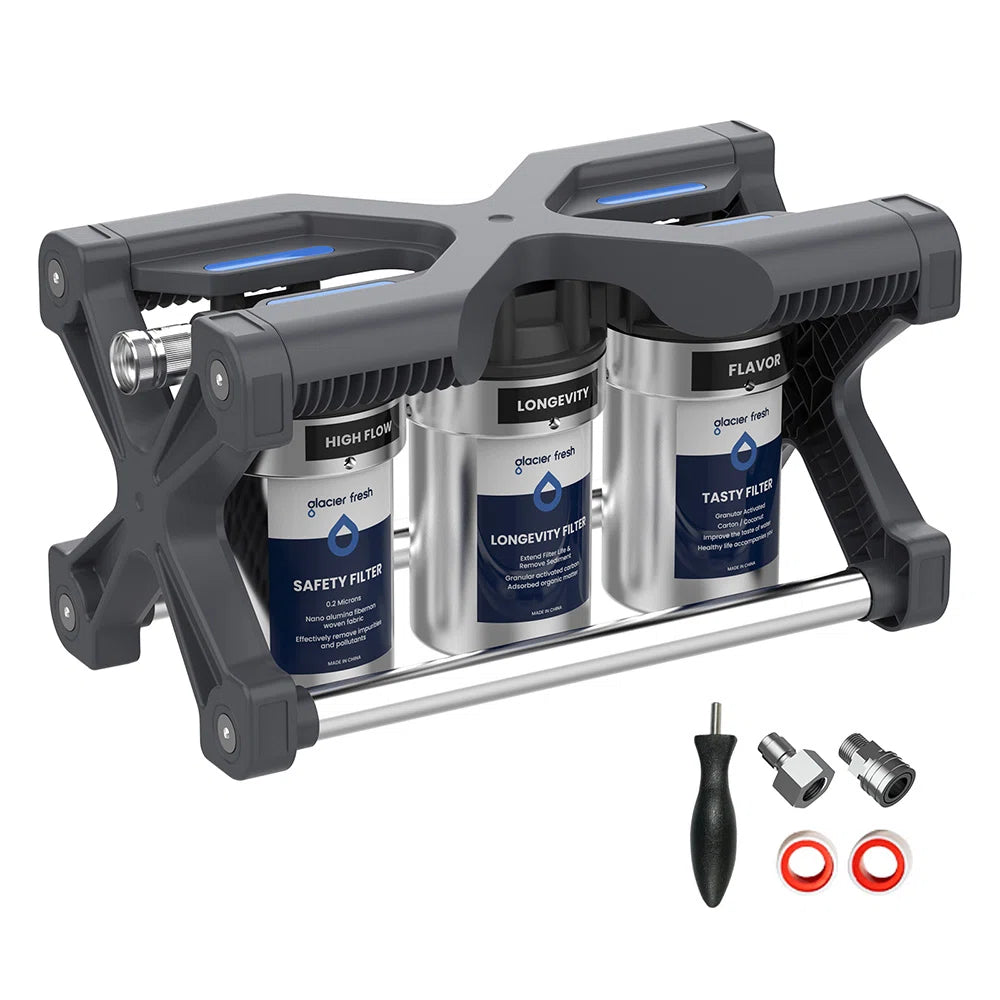
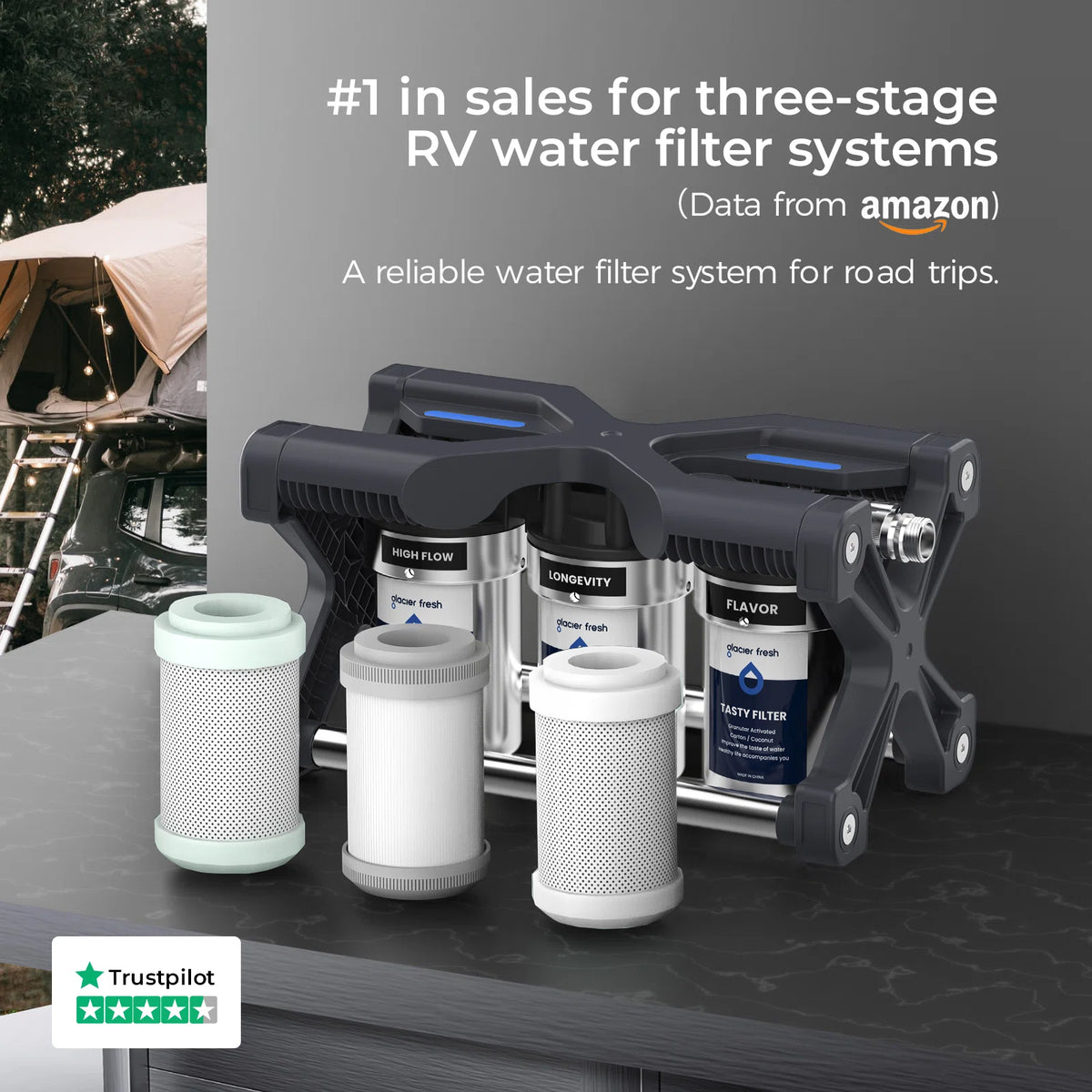
If your tap water has tested negative for heavy metals or PFAS but has a chlorine odor, an off-odor, or contains slight sediment, then high-performance refrigerator water filters and countertop water filters are your best options. They use activated carbon adsorption technology to remove odors while retaining beneficial minerals. Plus, you only need to replace the refrigerator water filter once every 6 months.
When to Choose Reverse Osmosis Water Filter
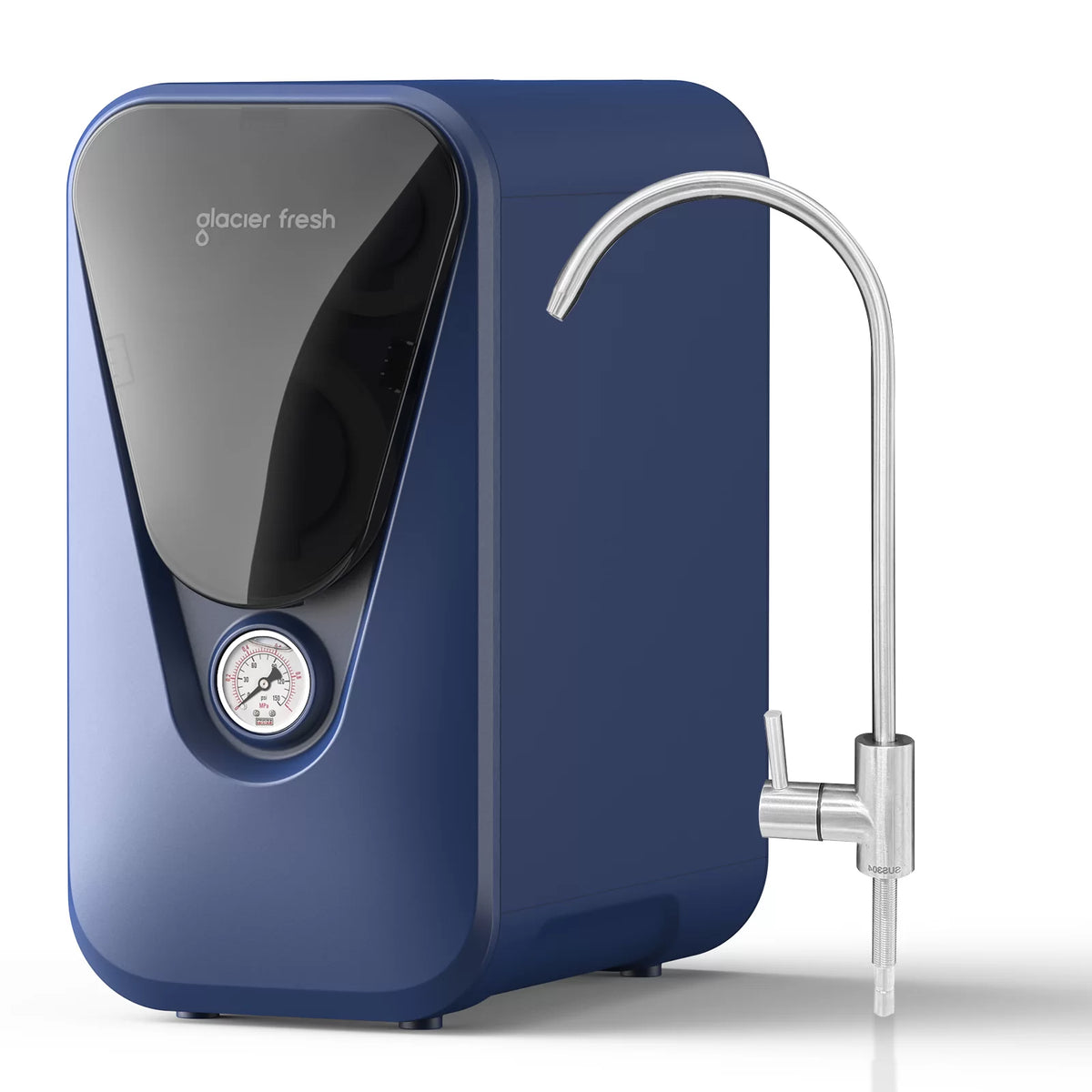
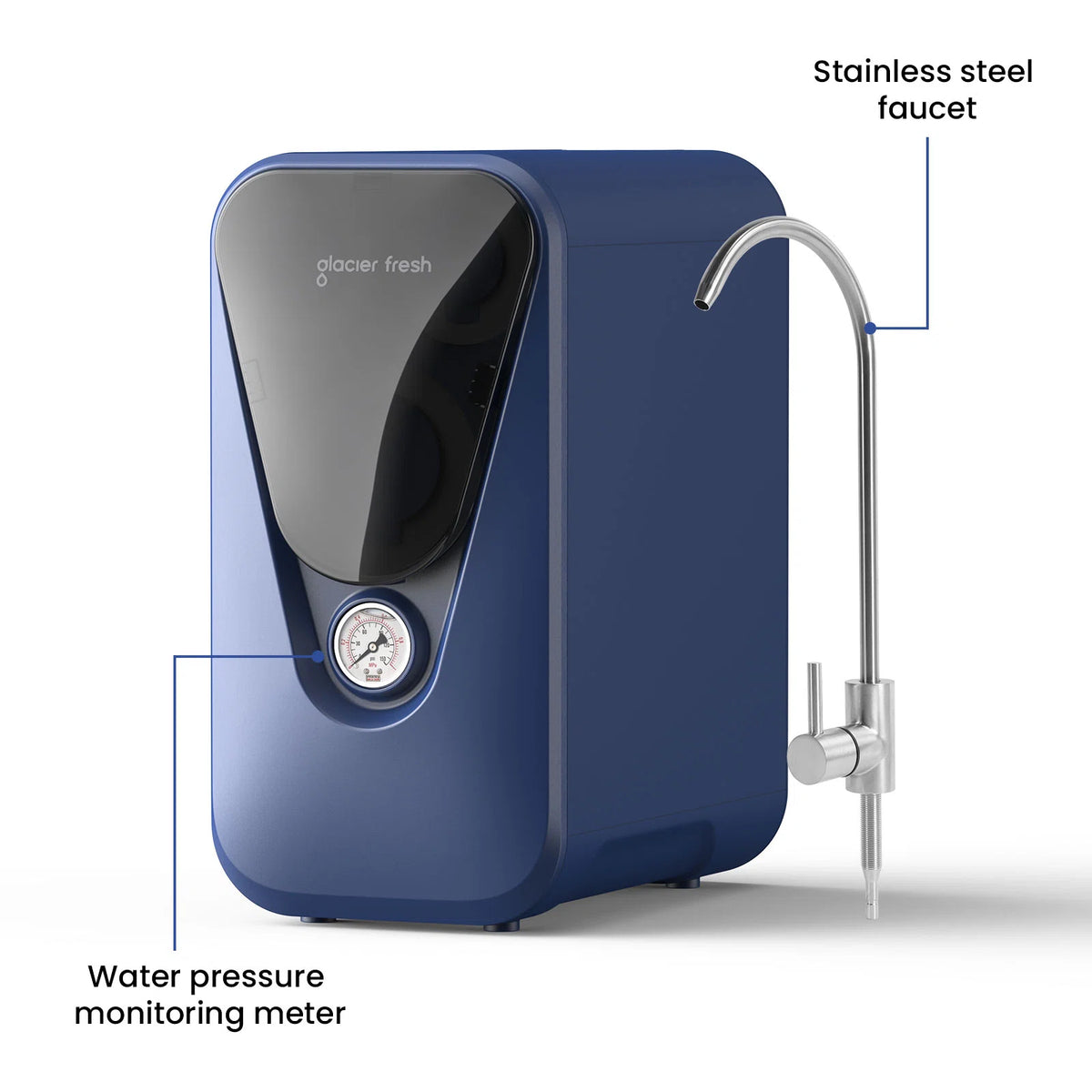
If your water quality report indicates the presence of heavy metals such as lead and PFAS in your water, only a reverse osmosis water filtration system can ensure the safety of your drinking water. The Glacier Fresh U03 RO water filtration system is an excellent choice. Its reverse osmosis membrane has a pore size of just 0.0001 microns, effectively blocking 99.9% of dissolved solids, heavy metals, and synthetic contaminants. Additionally, the RO membrane only needs to be replaced once every one to two years.
Conclusion
We need to drink large amounts of water every day, and if the water is contaminated, it poses a threat to our health. Therefore, ensuring the safety of your drinking water is a matter of taking responsibility for yourself and your family. While the water provided by the city is safe, that doesn’t mean the water flowing into your home is necessarily safe. Use a water purifier so you can enjoy every glass of water at home with peace of mind!
FAQs
Q1. Are there bacteria in potable water?
There are no bacteria in drinking water; it has already been disinfected at the water treatment plant before being transported to your home.
Q2. Does potable water contain absolutely no minerals or chemicals?
No. Drinking water typically contains naturally occurring, beneficial dissolved minerals, such as calcium and magnesium. At the same time, it may also contain trace amounts of chlorine, as well as contaminants from sources outside the water treatment plant, such as microplastics, PFAS, and lead.
Q3. How often should I check or replace my home water filters to maintain safe drinking water?
For most refrigerator filters and under-sink water filtration systems, the recommended replacement interval is 6 months. However, if water usage is high, the filter should be replaced after filtering 200–300 gallons of water.