

Table of Contents:
What Is Reverse Osmosis Water
What Is Distilled Water
Is Reverse Osmosis Water the Same as Distilled Water?
Which Type of Water Is Better for Daily?
How to Choose the Right Reverse Osmosis System for Your Home
Maintenance and Installation Tips for Reverse Osmosis Systems
FAQs
Conclusion
If you’ve ever taken a sip of tap water and wondered whether it’s really as clean as it should be, you’re not alone. A lot of households across the US deal with the same concerns: maybe your water smells like chlorine, leaves a white film on your kettle, or you’ve heard about lingering contaminants like lead or PFAS in local water reports.
Naturally, when people start looking for a safer, cleaner option for their families, two purification methods tend to show up at the top of the list: Reverse Osmosis and Distilled Water.
Both methods can produce extremely pure water, but they work in completely different ways. In this guide, we’ll break down how each process works, what they remove, and the real-world pros and cons, so you can choose the option that makes the most sense for your home, your routines, and your long-term health.
What Is Reverse Osmosis Water

Reverse Osmosis water is generally considered safe and healthy to drink. Reverse Osmosis (often shortened to RO) water comes from a filtration process that uses pressure and a semipermeable membrane to separate clean water from unwanted contaminants. If you think back to high school science class, osmosis is when water naturally moves from a lower concentration of particles to a higher one. RO flips that process on its head.
Instead of letting water move on its own, the system applies pressure to push tap water through an ultra-fine membrane, so fine that most contaminants can’t squeeze through. As the water passes through, the membrane blocks and flushes away dissolved solids, heavy metals like lead and arsenic, chlorine, bacteria, and a long list of other impurities. What you get on the other side is crisp, highly purified water that’s noticeably cleaner than what comes straight from the tap.
What Is Distilled Water
Unlike the physical filtration of Reverse Osmosis systems, distilled water is purified using heat. The process is pretty simple, yet effective; it mimics the natural water cycle. First, water is heated until it turns into steam. Then, the steam is cooled and condensed back into liquid form.
The key here is that only pure H₂O can transform into vapor. So, when water is boiled, all the contaminants, like minerals, salts, bacteria, and even most volatile organic compounds (VOCs), are left behind in the boiling chamber. What you end up with is water that’s nearly 100% pure H₂O, free of dissolved solids. But here's the catch: while it’s incredibly clean, this process also strips away the beneficial minerals that are often naturally found in water, such as calcium and magnesium.
Is Reverse Osmosis Water the Same as Distilled Water?

Even though both Reverse Osmosis and Distilled water end up extremely pure, often with total dissolved solids (TDS) close to zero, they’re not the same thing. The way they’re made, how efficient they are, and even how the water tastes can be quite different, and those differences matter when you’re deciding what’s best for your home.
Similarities Between Reverse Osmosis and Distilled Water
Even though Reverse Osmosis and Distilled water use totally different approaches, they end up solving the same core problem: getting rid of things you don’t want in your water. Both can remove the big offenders, bacteria, cysts, heavy metals like lead, and dramatically improve water quality compared to what comes straight from most municipal taps. If your only goal is to make your drinking water cleaner and safer for everyday use, either method will get you there. They just take different paths to reach that same point.
Differences Between Reverse Osmosis and Distilled Water
Where these two really separate is in how they purify the water and what’s left behind afterward. Reverse Osmosis uses a mechanical membrane and runs continuously, producing clean water on demand. Distillation relies on boiling and collecting steam, which takes more time and energy.
Because distillation strips away everything, including naturally occurring minerals, the final product is as close to pure H₂O as you can get. RO water is also very clean, but the final purity level depends on the membrane quality and any pre-filters used in the system. One big advantage of modern RO systems is that many now include a remineralization stage. This adds back small amounts of beneficial minerals like calcium and magnesium, improving both taste and hydration, something distillation can’t naturally offer.
Comparison Table
To summarize the key differences, here is a breakdown of how the two purification methods compare:

For most households, Reverse Osmosis ends up being the more practical choice. It doesn’t need heat to run, so it uses far less energy than a distiller, which has to keep water boiling to produce steam. The newer tankless RO units are also designed to waste less water, which makes them easier on both your utility bill and the environment. Another thing people notice right away is the taste.
RO water usually has a cleaner, fresher flavor, especially if the system adds a little calcium or magnesium back in. That small touch makes a big difference; it gives the water a more natural feel and avoids the flat, almost empty taste that distilled water often has.
Which Type of Water Is Better for Daily?
The “better” option really depends on what you’re using the water for. Both RO and Distilled water are extremely pure, but they shine in different situations.
Daily Drinking and Cooking
Reverse Osmosis Water Is More Suitable for Daily Drinking and Cooking.
For day to day drinking and cooking, Reverse Osmosis water is the better fit for most households. It takes out the contaminants that affect health and taste, and many of today’s RO systems add a small amount of minerals back into the water afterward.
That little boost of calcium or magnesium goes a long way; the water tastes fresher, your morning coffee has more depth, and even simple things like pasta or soup come out cleaner-tasting. Distilled water is safe, but it isn’t necessary for everyday use, and most people find its completely neutral taste a bit flat. RO water simply offers a better balance of purity, flavor, and practicality for everyday life.
Water for Household Appliances
For appliances that heat water or produce steam, like clothes irons, CPAP machines, and humidifiers, distilled water is often recommended. This is because it’s free of minerals, which means no limescale buildup that can damage the inner workings of these machines over time.
That said, high-quality Reverse Osmosis water is still a big step up from hard tap water. It’s a great alternative when distilled water isn’t an option, offering better protection for your appliances while still being more convenient for everyday use.
Medical and Scientific Research Fields
In medical labs, pharmaceutical facilities, and scientific research settings, the standards for water purity are much stricter than at home. Distilled or deionized (DI) water is typically required because it contains virtually no dissolved solids or ions.
That level of purity is crucial; even tiny amounts of minerals can interfere with chemical reactions, test results, or sensitive equipment. For these controlled environments, distilled water remains the go-to choice.
Industrial Sector
In the industrial world, water needs can vary a lot depending on the job. Some industries, like electronics or battery manufacturing, require ultra-pure distilled or deionized (DI) water to keep everything running smoothly without any interference.
But in other areas, like car washing, equipment cooling, or boiler systems, high-purity Reverse Osmosis water is often enough. It’s great for getting rid of minerals that can cause scaling, but it doesn’t need to be completely stripped of everything like distilled water.
How to Choose the Right Reverse Osmosis System for Your Home
Once you’ve decided that Reverse Osmosis is the right choice for your household, the next step is choosing the system that best fits your needs. Thanks to advances in technology, today’s RO systems are not only more compact and efficient than before, but they also deliver faster filtration, making them ideal for modern homes. Whether you’re looking for a space-saving model, faster water flow, or a system that conserves more water, the options available today offer something for every lifestyle and household size.
Check Your Household Water Needs
Start by looking at the system’s capacity, which is measured in Gallons Per Day (GPD). For most households, an 800 GPD system will provide enough water quickly without any long waits. You should also consider the flow rate (how fast water comes out of the faucet) to make sure it keeps up with your daily needs. And don’t forget about the water-to-drain ratio; the more efficient the system, the less waste you’ll have, which helps save water and reduce your bills.
Decide Between Tank or Tankless Ro Systems
Traditional RO systems come with a pressurized storage tank, which works well but can take up a lot of room under the sink. Tankless systems are a newer option and deliver filtered water on demand, so there’s no need for a bulky tank sitting there. They’re easier to fit into smaller or more modern kitchens, and since there’s no stored water, they tend to stay cleaner and more hygienic over time.
Look at Filter Lifespan and Replacement Costs
Most of the long-term cost of an RO system comes from replacing the filters, so it’s worth paying attention to how long they last. Systems with multi-stage composite filters that hold up for 1-2 years typically offer better value and fewer interruptions.
It also helps to choose a system with twist-and-lock filters, since these make swaps quick and mess-free. Before you decide, check the price of replacement filters and how often each stage needs to be changed. Some systems may seem affordable upfront,
but becomes costly to maintain over time.
Make Sure It Fits Your Family
Think about how the system will work in your home day to day. Some RO units are simple enough to install yourself, while others might require a pro, so it’s worth checking how DIY friendly the setup is.
The size of your household matters too; bigger families usually need a higher GPD rating to avoid slowdowns during busy times, like when everyone is filling bottles in the morning. And if you’re often on the road or split time between home and an RV or cabin, a portable RO system might make more sense than a fixed one.
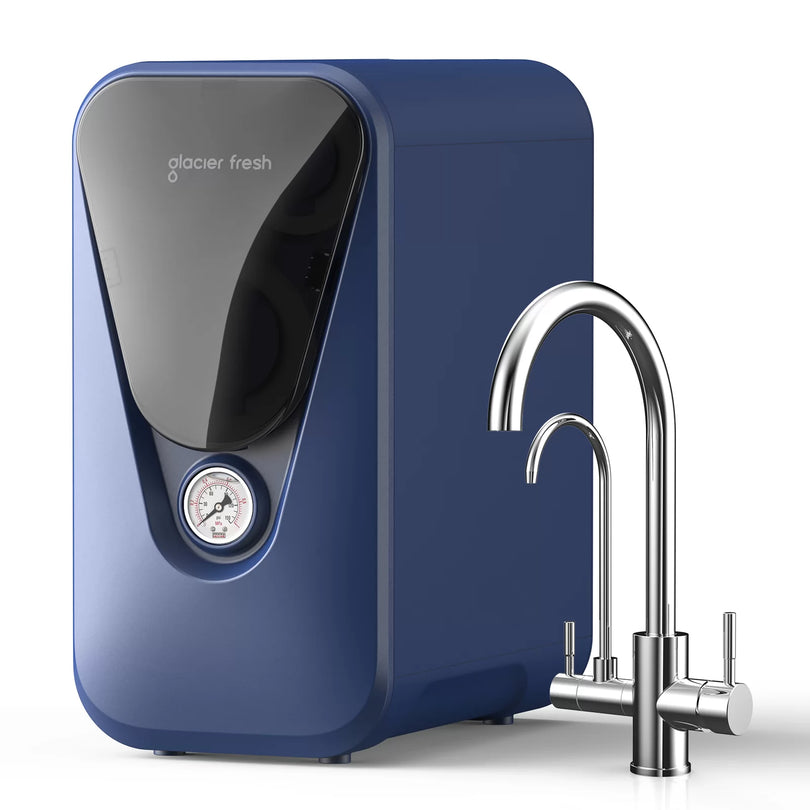
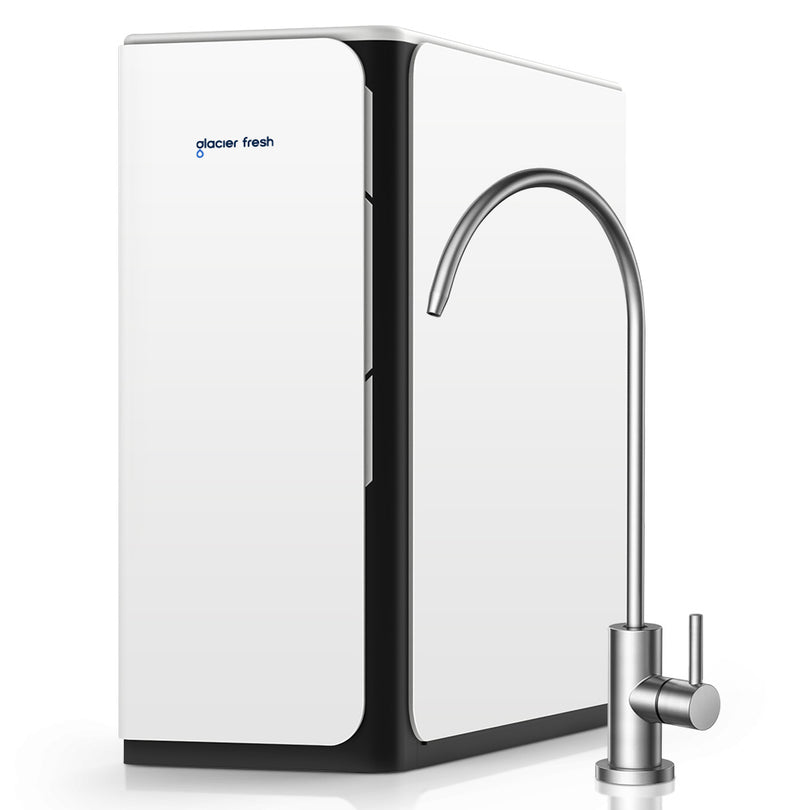
1: Glacierfresh U03

If you’re aiming for a high-performance setup that doesn’t crowd your kitchen, a tankless RO system is usually the way to go. One solid option to consider is the Glacierfresh U03 Under Sink RO System. It delivers strong, reliable filtration with an 800 GPD flow rate, so getting a full glass of purified water takes just a moment. Its compact, tankless design also means it tucks neatly under almost any sink without eating up all the cabinet space.
Key Advantages of the Glacierfresh U03:
-
Exceptional Flow Rate (800 GPD): Provides a steady, fast stream of purified water, eliminating the slow dispensing that older systems are known for.
-
Tankless Design: Frees up more than 70% of your under-sink space and creates a cleaner, more hygienic setup since there’s no standing water.
-
High Efficiency: Uses an improved water-to-drain ratio to reduce waste, making it more efficient and environmentally friendly than traditional RO units.
-
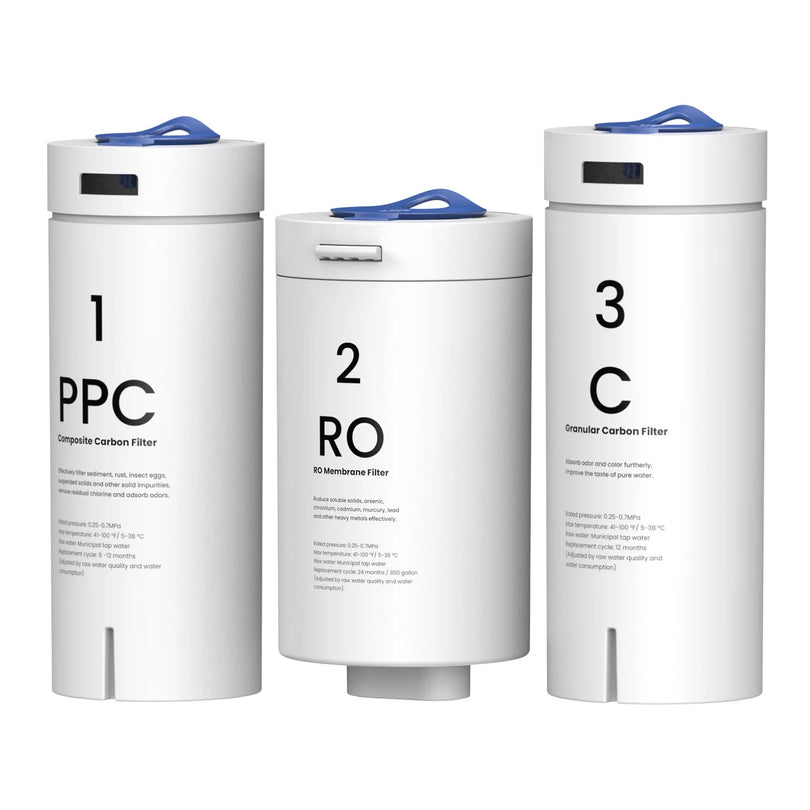
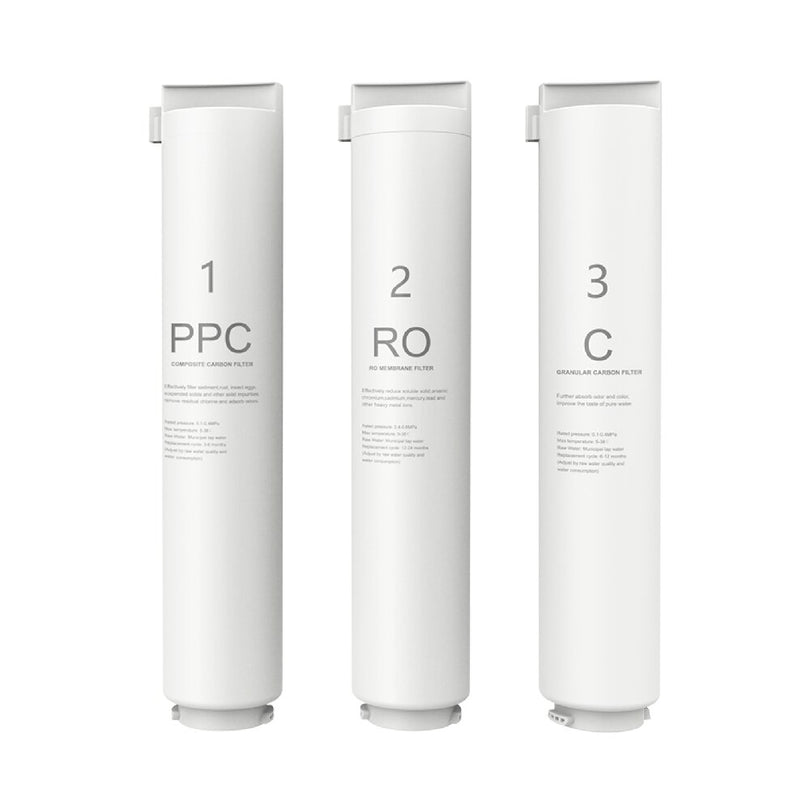
Easy Filter Replacement: Twist and lock water filters make maintenance simple, quick changes with no tools, no fuss, and no mess.
2. GlacierFresh RV RO System

If you need clean water while you're on the move, whether you’re traveling in an RV, spending weekends at different campgrounds, or living in a tiny home, the GlacierFresh RV Reverse Osmosis System is built to keep up. It’s compact, sturdy, and designed to give you the same dependable, great-tasting water you’d expect at home, no matter where you’re parked.
Key Advantages of the GlacierFresh RV RO System:
-
Designed for Portability: Its compact size and solid build make it a perfect fit for RVs, small living spaces, camping setups, or anyone who needs clean water in a mobile lifestyle.
-
High Purification Capability: Handles the unpredictable water quality you often run into at campgrounds or rural hookups, giving you peace of mind wherever you fill up.
-
Simple Setup: Connects and disconnects quickly, so you can set it up when you need it and store it away just as easily, which is ideal for life on the road.
-
Reliable Performance: Delivers clean, refreshing water consistently, removing the guesswork and worry about what’s really coming out of the tap while you travel.
Maintenance and Installation Tips for Reverse Osmosis Systems
Before installing your RO system, consider the following key steps. First, assess your home's water quality to make sure your system is designed to meet your specific needs. Next, prepare the installation site. It’s crucial to ensure you have enough space under your sink or in the desired installation area. Additionally, verify your system’s plumbing requirements to avoid any installation issues.
Once you’ve got your RO system set up, a little regular care can keep it running smoothly. Installation usually involves connecting the unit to your cold water line, setting up the dedicated faucet, and hooking up the drain line.
After everything’s in place, be sure to flush the system with a few gallons of water before you start using it. This helps clear out any residual contaminants from the installation process.
When it comes to maintaining your system, the most important task is replacing the filters on time. Stick to the manufacturer’s recommended schedule, typically replacing the pre- and post-filters every 6 to 12 months.
The RO membrane will usually last a bit longer, but it’s still important to keep an eye on it. Timely filter changes are key to ensuring your system maintains peak performance and continues delivering the cleanest water possible.
FAQS
1. How to Replace Reverse Osmosis Filters
Most modern RO systems, especially tankless models, are designed to make filter changes as simple as possible. Start by turning off the water supply so everything stays dry and controlled. From there, twist the old filter cartridge counterclockwise to pop it out, slide the new one in, and twist it clockwise to lock it.
2. Is Reverse Osmosis Water Good for You
Yes, RO water is a very healthy option for everyday drinking. It removes contaminants that can be harmful, things like lead, chlorine, nitrates, and other substances that can slip into tap water, depending on where you live. While RO does filter out minerals, many high-quality systems include a re-mineralization stage, adding back small amounts of calcium or magnesium. This makes the water taste better, restores essential electrolytes, and gives you clean water that’s ideal for daily hydration.
3. How Much Does a Reverse Osmosis System Cost
The cost of an RO system can vary quite a bit depending on what features you want. Basic tank-style systems usually run between $150 and $300, and they work well for smaller households or lighter use. Tankless systems, especially the high GPD models that offer faster flow and better efficiency, typically fall in the $400 to $800+ range. Keep in mind that filters need to be replaced periodically, so it’s helpful to check the price and lifespan of the replacement cartridges when budgeting.
4. How to Make Distilled Water
If you ever need distilled water and want to make it at home, the process is simple but a bit slow. Fill a pot with water, place a heat-safe glass bowl inside so it floats, then put the lid on upside down. Add ice to the top of the lid. As the water boils, steam rises, cools when it hits the cold lid, turns back into liquid, and drips into the bowl. It’s a basic version of distillation, and while not ideal for large quantities, it works well when you only need a small amount.
5. Does Distilled Water Go Bad?
Distilled water doesn’t spoil the way food does; chemically, it’s just pure H₂O. The issue comes from how it’s stored. Distilled water easily absorbs carbon dioxide and other contaminants from the air, and bacteria can grow if it’s kept in an open or not-so-clean container. To keep it safe, store it in a tightly sealed, food-grade container and make sure the bottle itself is clean. As long as it’s stored properly, distilled water can last a long time without any problems.
Conclusion
When you stack Reverse Osmosis and Distilled water side by side, the better everyday option for most households is pretty easy to spot. RO water gives you clean, great-tasting water without the flat flavor you often get from distilled water. It’s more efficient, more practical for daily use, and many modern systems let you add healthy minerals back in, which makes a noticeable difference in both taste and hydration.
Distilled water still has its place; it’s perfect for labs, medical settings, or appliances that need mineral-free water, but it’s not something most families need for regular drinking. If you choose a high-quality RO system, especially a tankless model, you’ll have a reliable supply of fresh, purified water right from the tap. It’s an easy upgrade that keeps your whole family drinking safer, better-tasting water every day.