


Table of Contents:
What is alkaline water
How is alkaline water made
How the body regulates pH?
Alkaline water VS regular water
What are the beneficial effects of alkaline water
Are any health risks asoociated with alkaline water
Who might consider drinking alkaline water?
FAQs
Conclusion
Have you ever heard of alkaline water? It has become increasingly popular across the health and wellness industry and is now seen as a healthier alternative to regular tap water. But what exactly is alkaline water, and is it better for your health?
In this article, we'll dive into the science behind alkaline water, discover its potential benefits for your body, and explore whether it's worth investing in. From improving bone health to reducing high cholesterol levels, alkaline water could be a promising addition to your daily routine. So let's get started – read on to learn more about this mysterious drink!
What is alkaline water?
Alkaline water refers to drinking water with a higher pH level than regular tap water. While typical tap water has a neutral pH of around 7, alkaline water usually ranges between pH 8 and 9.
Alkaline water may also contain alkaline minerals such as calcium, magnesium, and potassium, which contribute to its higher pH and mineral content.
How is alkaline water made?
There are two common ways alkaline water is produced:
· Naturally alkaline water: Sourced from springs that pass through mineral-rich rocks, naturally increasing pH.
· Artificially alkaline water: Created using water ionizers or alkaline water filters that raise pH through electrolysis or mineral infusion.
How the body regulates pH?
A common misconception is that drinking alkaline water can significantly change your body`s internal pH. In reality, the human body tightly regulates blood pH — typically between 7.35 and 7.45 — though the lung and kidneys.
When you drink alkaline water, it first enters the stomach, where strong gastric acid quickly neutralizes it. As a result, alkaline water does not meaningfully alter blood pH in healthy individuals.
This doesn`t mean alkaline water is harmful — but it`s important to separate physiological facts from marketing claims.
Alkaline water vs. regular water

The pH balance of regular drinking water is usually between 6 and 8.5 on the pH scale. While alkaline water typically has a higher pH level than normal drinking water, generally ranging from 8 to 9 on the pH scale.

If alkaline water encourages you to drink more water overall, it may be beneficial --- but it not a requirement for good health.
What are the beneficial effects of alkaline water?

· Improve bone health
Studies have suggested that drinking alkaline water rich in bicarbonate can help reduce bone resorption, which is breaking down old bone cells and replacing them with new ones. This can lead to increased mineral density and improved bone strength.
· Soothe acid reflux
Recent studies have suggested that consuming alkaline drinking water with a pH of 8.8 may help reduce symptoms of acid reflux as it kills pepsin, an enzyme breaking down food proteins and a leading cause for acid reflux.
· Enhance hydration
A 2017 study published in Biology of Sport found that drinking alkaline water positively affects hydration status. This indicates that regular alkaline water consumption may benefit those looking to increase their body's hydration levels. In addition, drinking alkaline water also increases lactate utilization, which can improve energy levels and physical performance.
· Increase longevity
Similarly, a 2017 study published in Oxidative Medicine and Cellular Longevity found that drinking alkaline water may benefit longevity. This indicates that the regular consumption of alkaline water could promote healthier aging and help individuals live longer.
· Reduce high blood pressure, blood sugar, and cholesterol
One such benefit is the potential to reduce high blood pressure, blood sugar, and cholesterol. Regular consumption of alkaline water can help regulate these levels and potentially reduce the risk of heart disease, stroke, and other chronic diseases associated with poor cardiovascular health.
Additionally, a 2017 study published in Oxidative Medicine and Cellular Longevity found that those who drank alkaline water had signs of greater longevity than those who did not drink it.
Are any health risks associated with alkaline water?
For most healthy adults, alkaline water is generally safe when consumed in moderation. However, it may not be suitable for everyone. Here are the potential health risks of alkaline water:
· Digestive discomfort: Excessively high pH water may interfere with normal stomach acid function.
· Dental concerns: Some alkaline waters may still be erosive to tooth enamel depending on mineral composition.
· Medical interactions: Alkaline water could affect how certain medications that rely on stomach acidity are absorbed.
· Kidney conditions: People with kidney disease should consult a healthcare professional before drinking mineral-rich or high-pH water regularly.
Who might consider drinking alkaline water?

Alkaline water may be worth trying if you:
· Experience mild acid reflux (with medical guidance).
· Prefer the taste of mineral-rich water.
· Want water with added minerals from a filtration system.
It may not be ideal if you:
· Have kidney disease.
· Take medications affected by stomach acidity.
· Expect dramatic health improvements.
FAQS
Is alkaline water better than filtered water?
Filtered water removes contaminants and improve taste. Alkaline water focuses on pH and minerals. The best choice depends on your priorities.
Can children drink alkaline water?
Occasional consumption is generally safe, but children do not need alkaline water for healthy development.
What alkaline water level is best?
The optimal pH level of alkaline water can vary, depending on one's needs. However, the ideal pH level for alkaline water is between 8.0 and 9.5.
Conclusion
Alkaline water is not a miracle health solution, but it can be a safe and enjoyable option for hydration when used appropriately. Ultimately, the best water is the one that helps you stay consistently hydrated — clean, great‑tasting, and suited to your lifestyle.
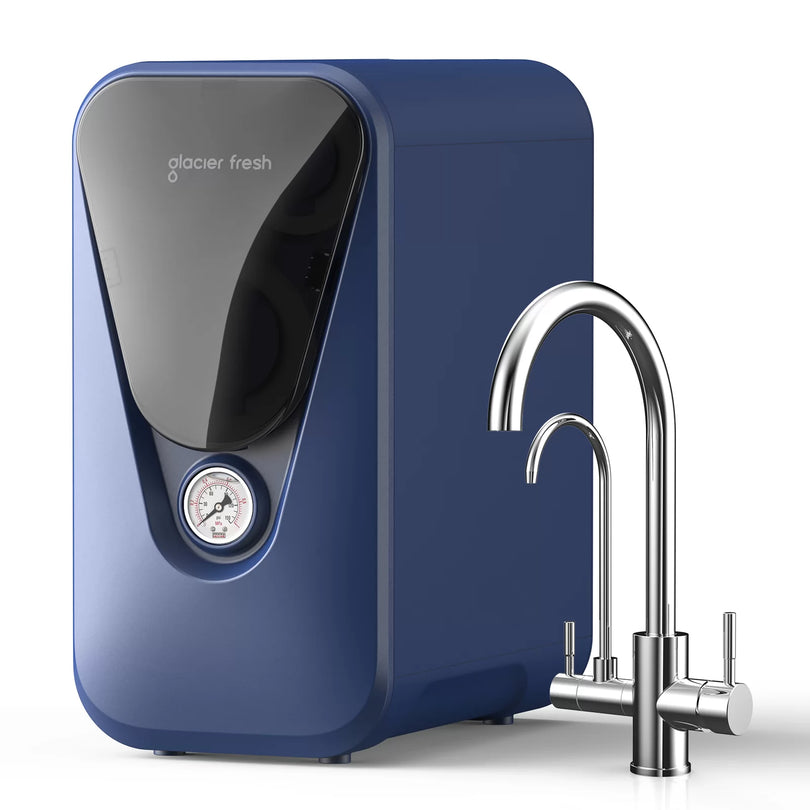
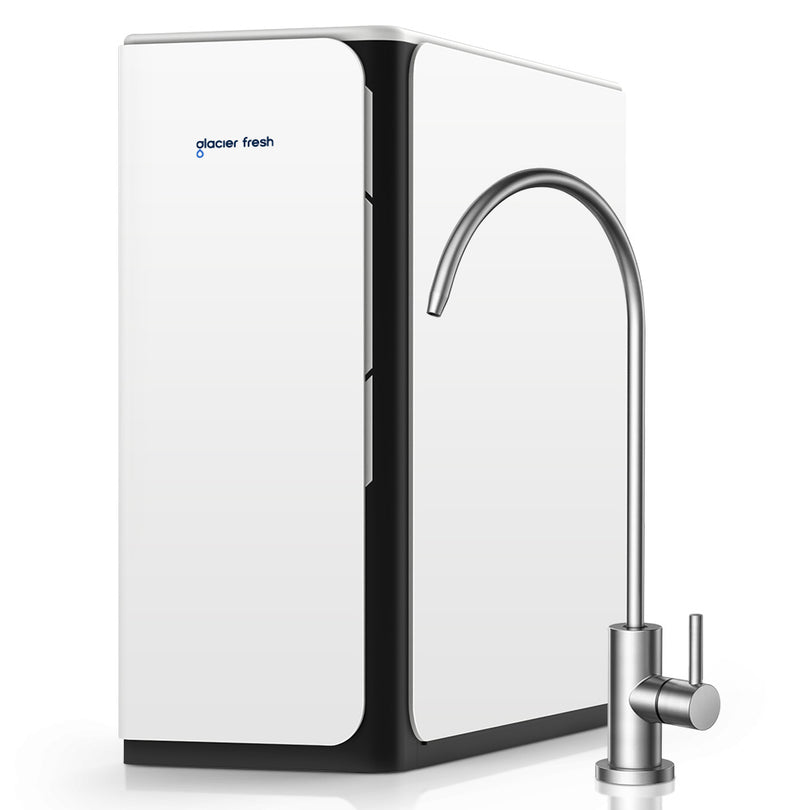
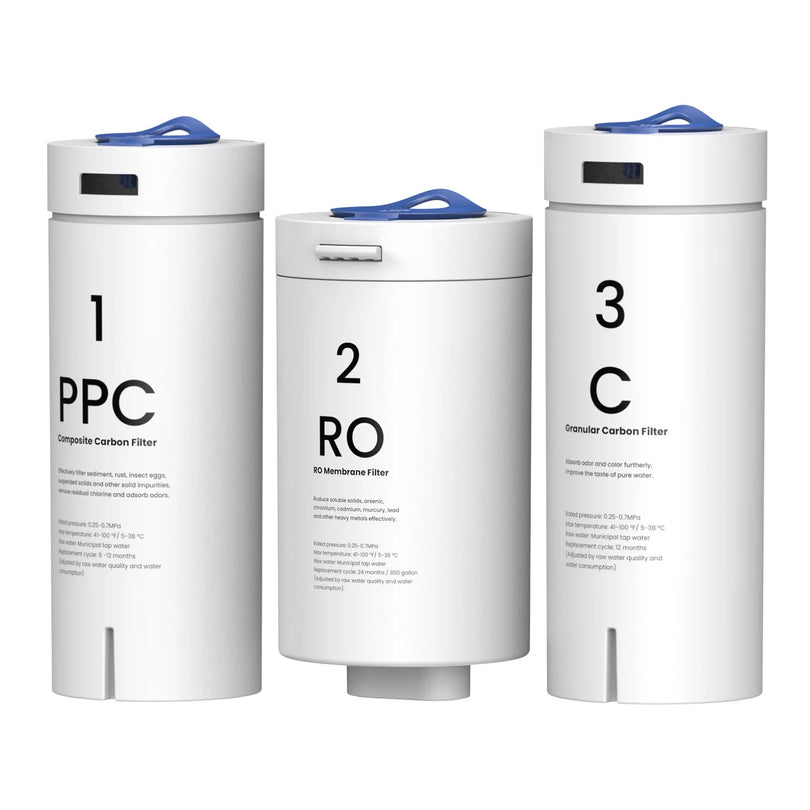
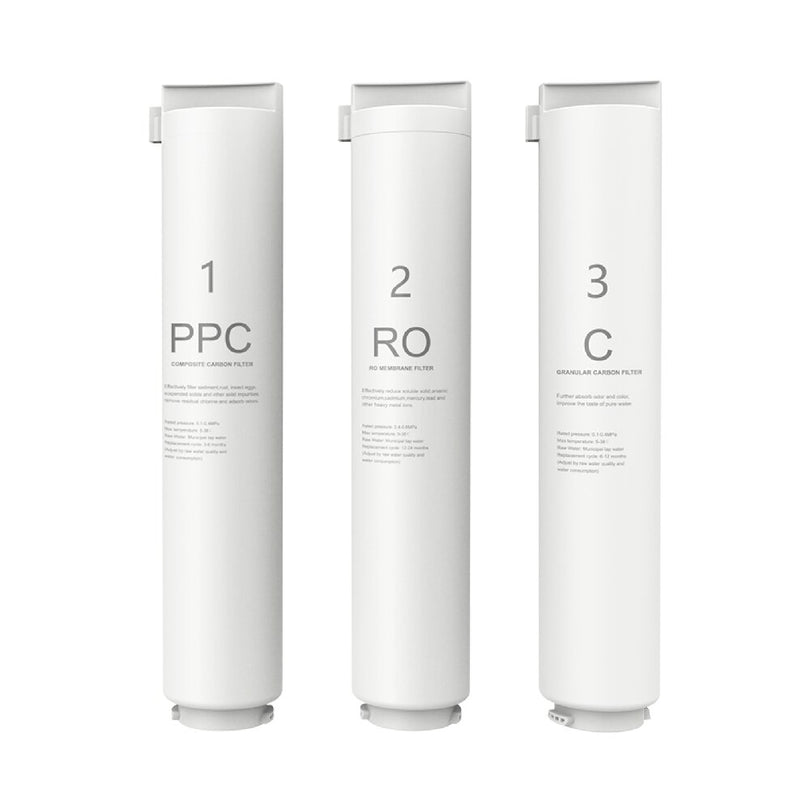
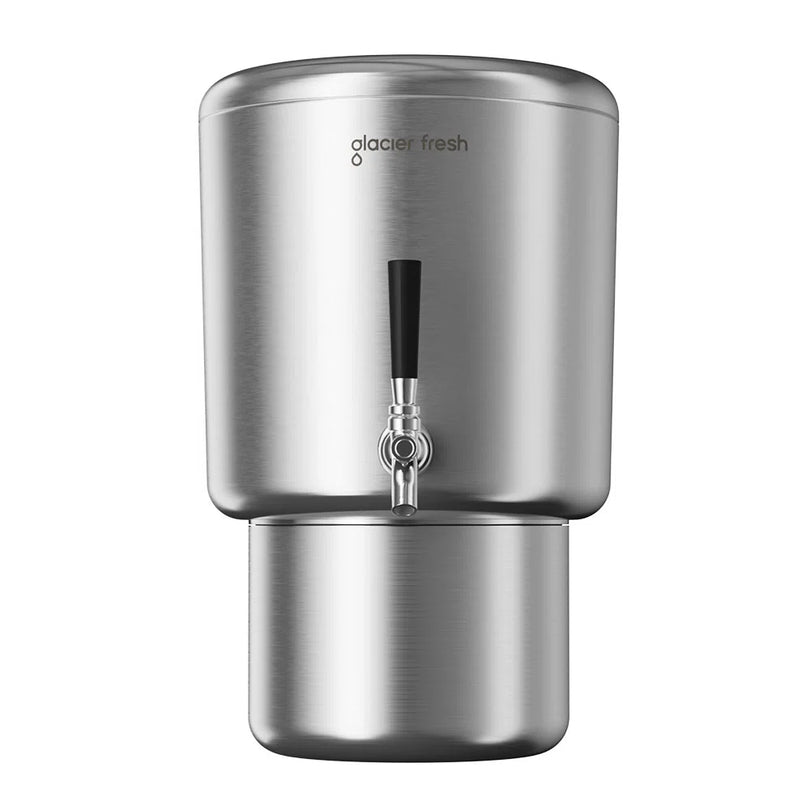
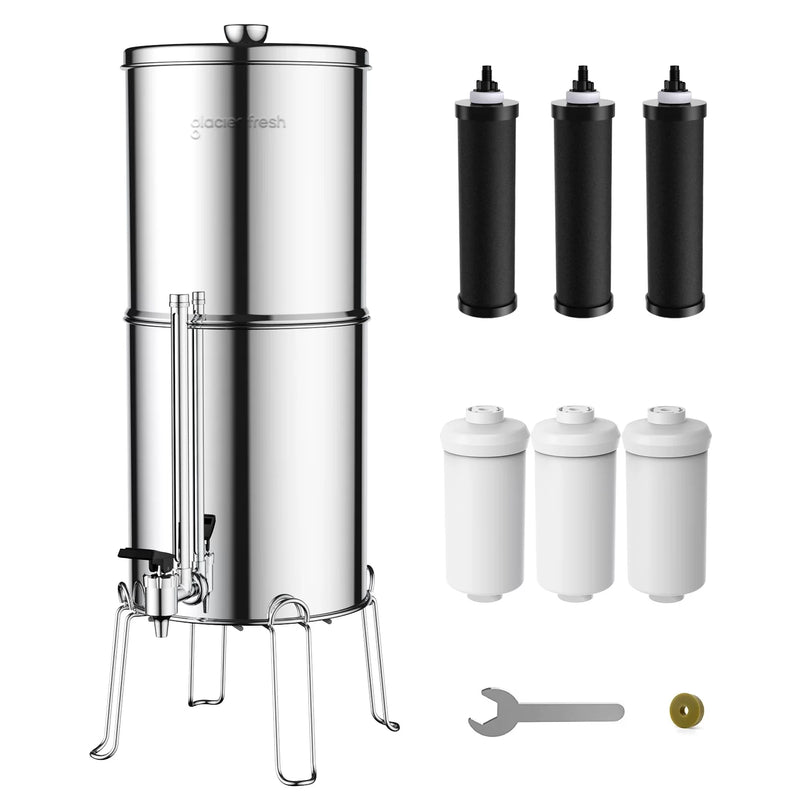
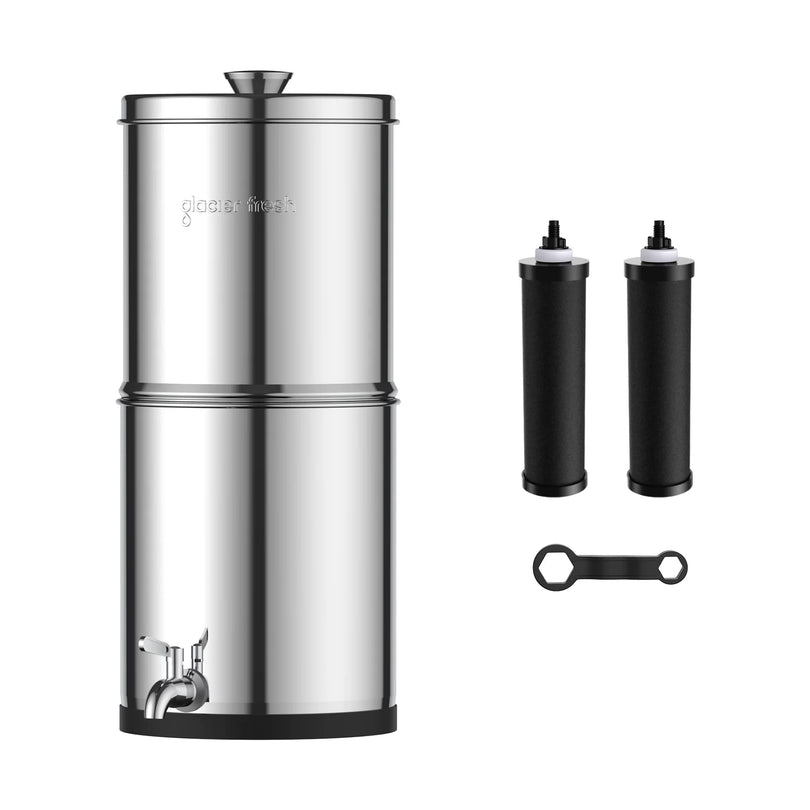
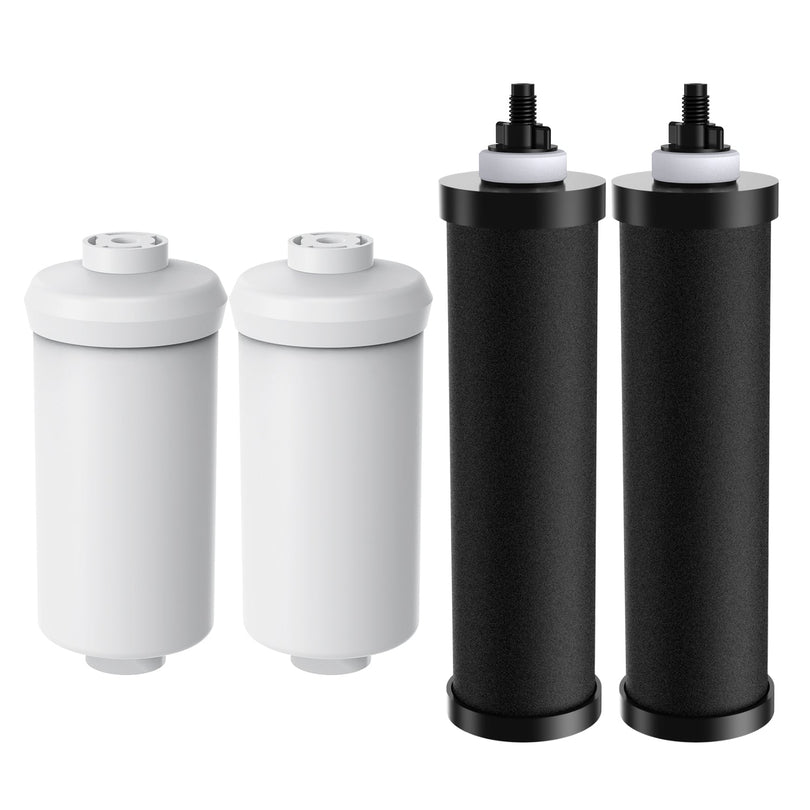
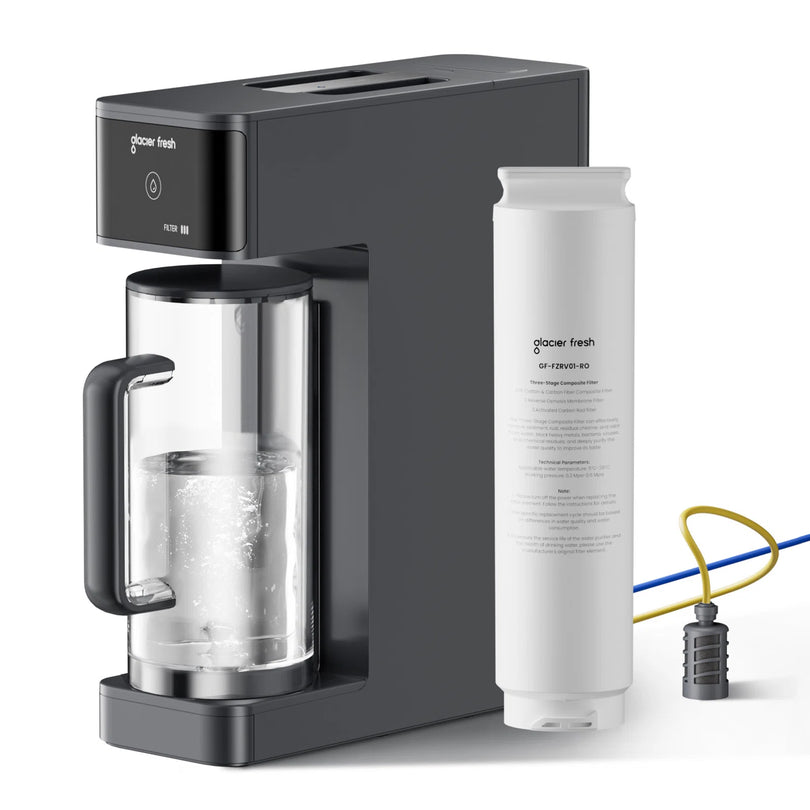
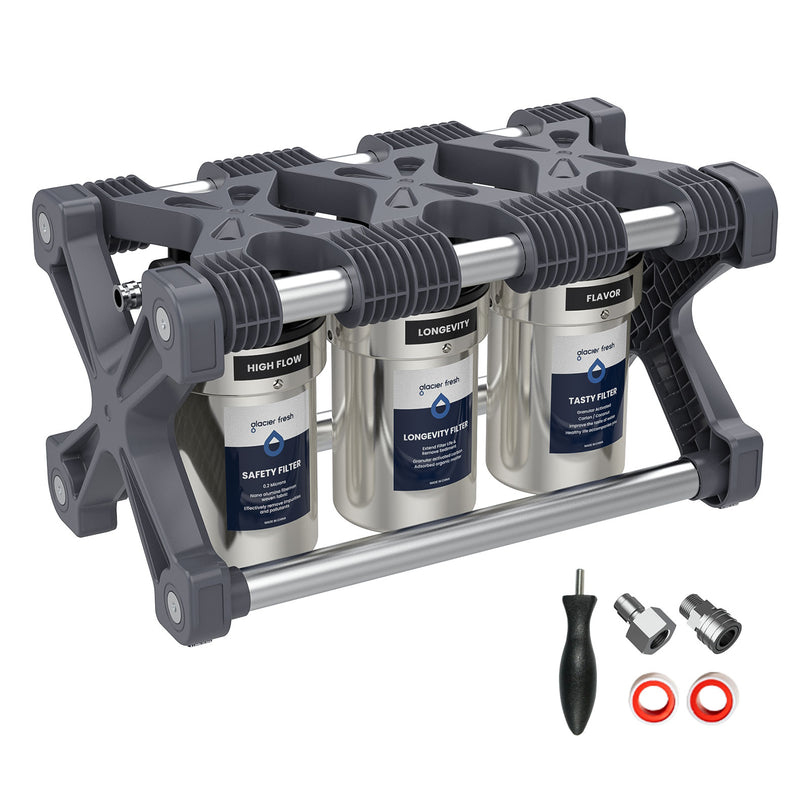
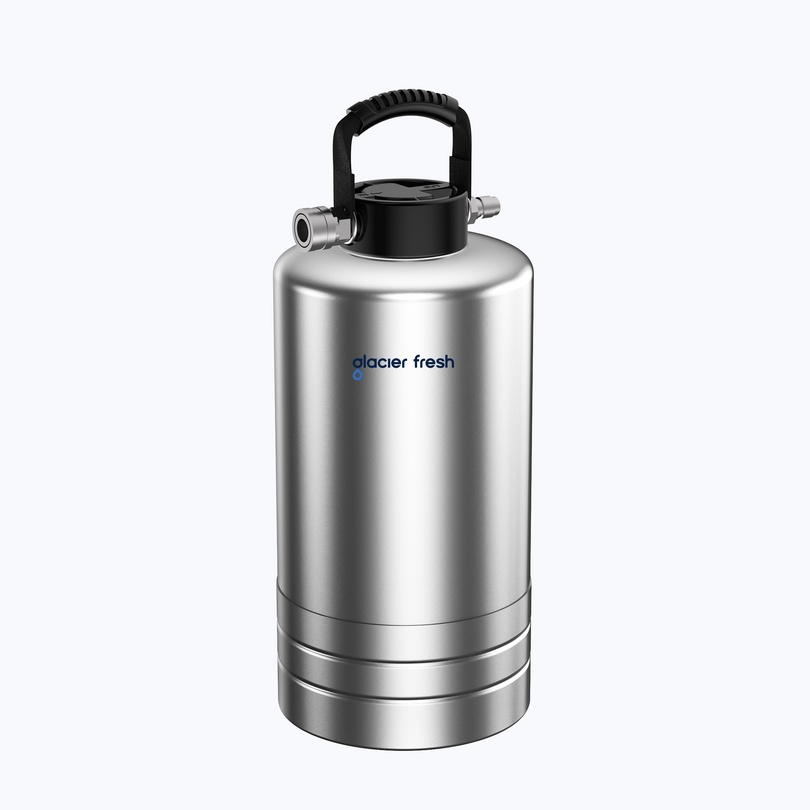
Rather than chasing extreme pH levels, many families choose advanced filtration solutions that prioritize contaminant reduction, balanced minerals, and consistent taste. This approach aligns with the philosophy behind Glacier Fresh water filtration products, which are designed to remove common impurities while maintaining water that feels clean, neutral, and easy to drink every day.