
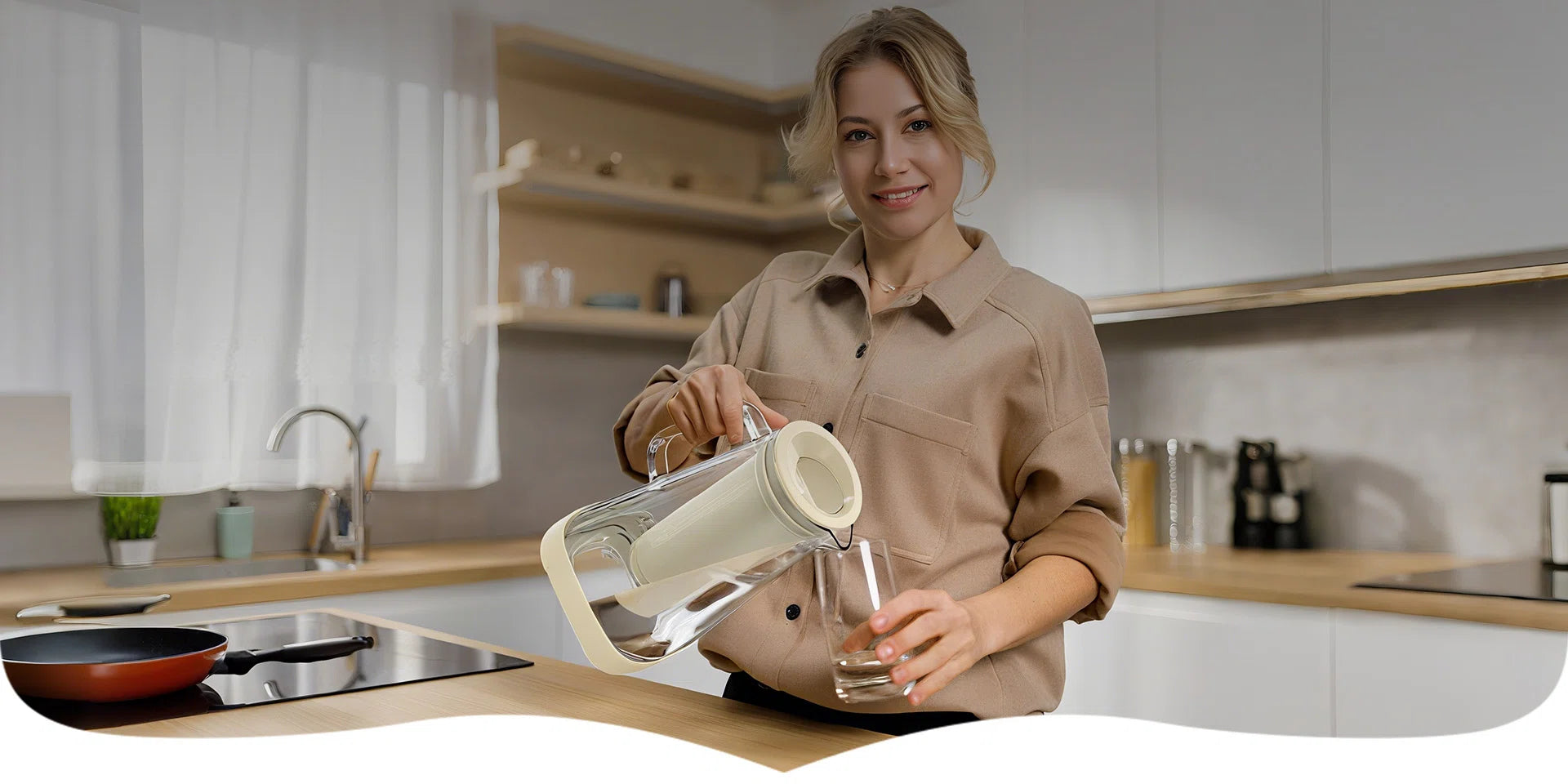
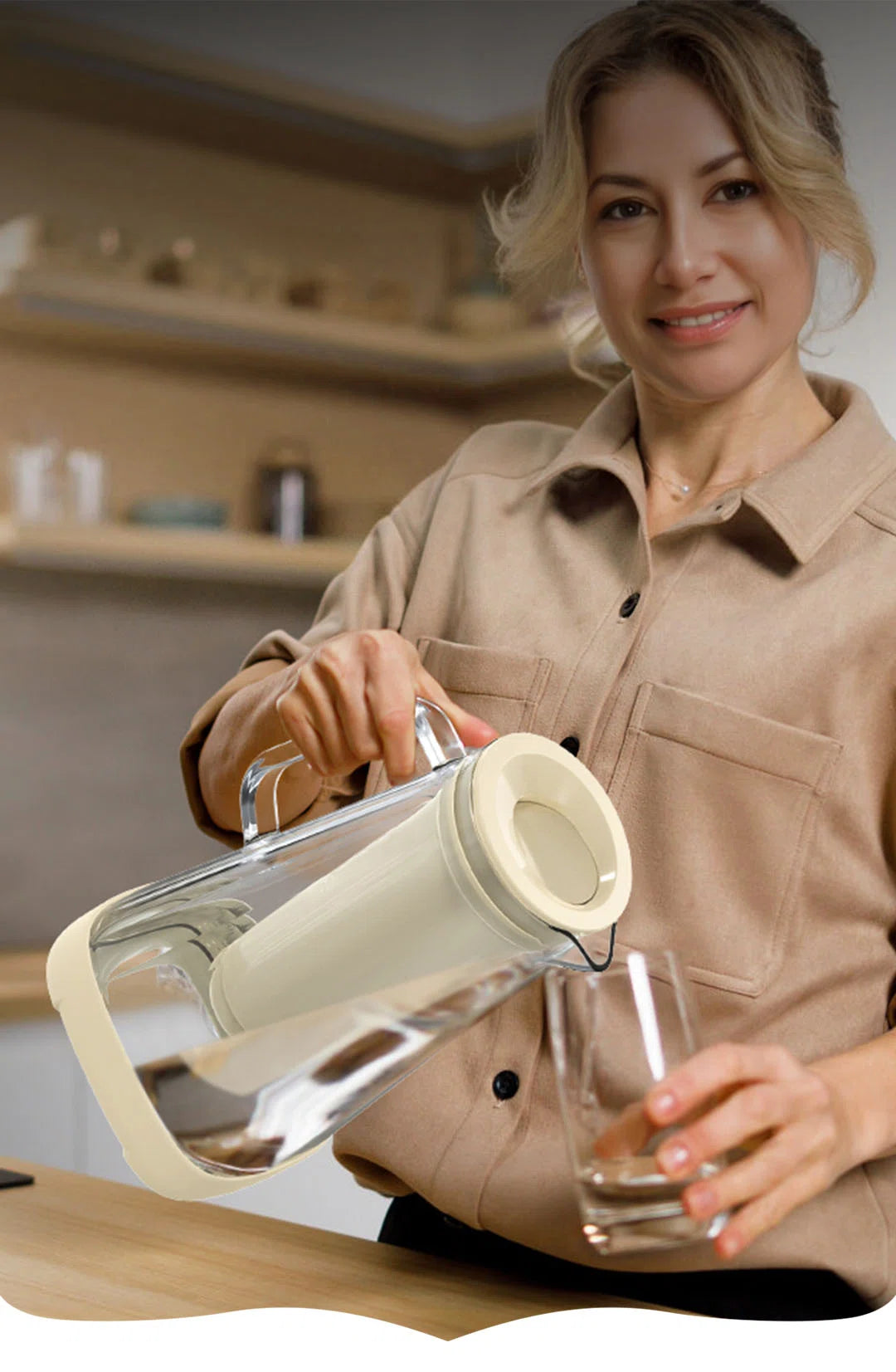

From Glacier to Your Glass
Water Filter Pitcher
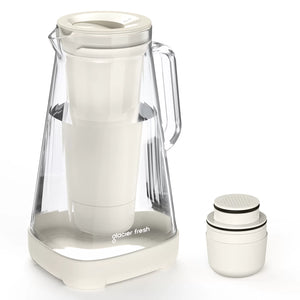
The stylish and simple pitcher is equipped with fiber membrane ultra-filtration and activated carbon to remove bacteria, parasites, microplastics, and harmful chemicals such as lead, mercury, PFAS, and chlorine. Enjoy pure and healthy water every time.
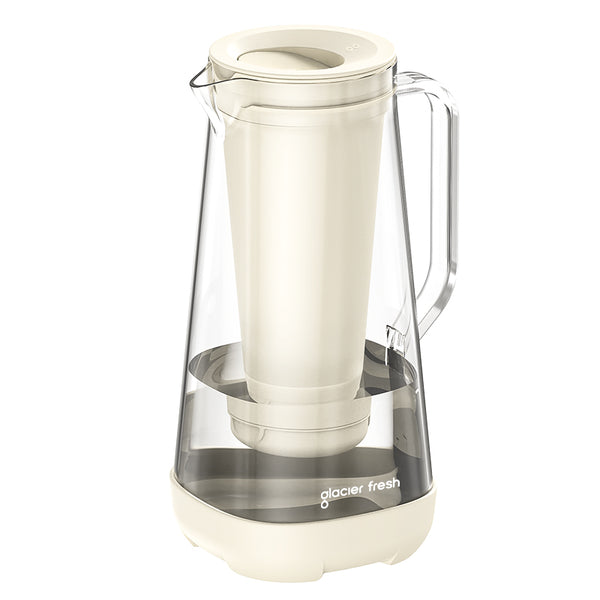
Purela P01 7-Cup Glass Water Pitcher - Dual-Stage Membrane & Carbon Filter
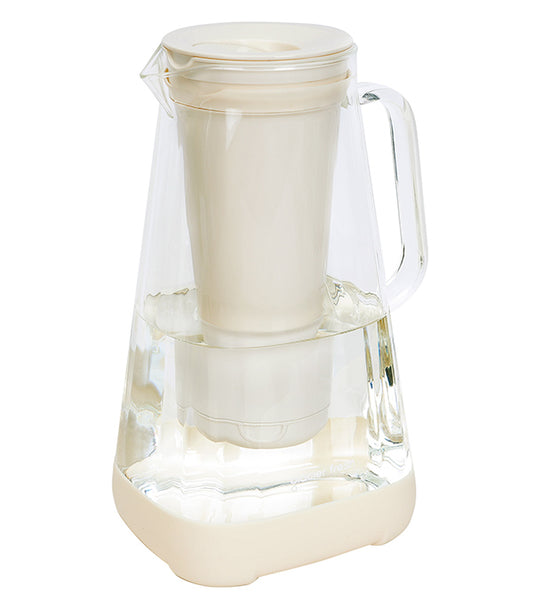
Purela P02 10-Cup Glass Water Filter Pitcher - 100% Plastic-Free
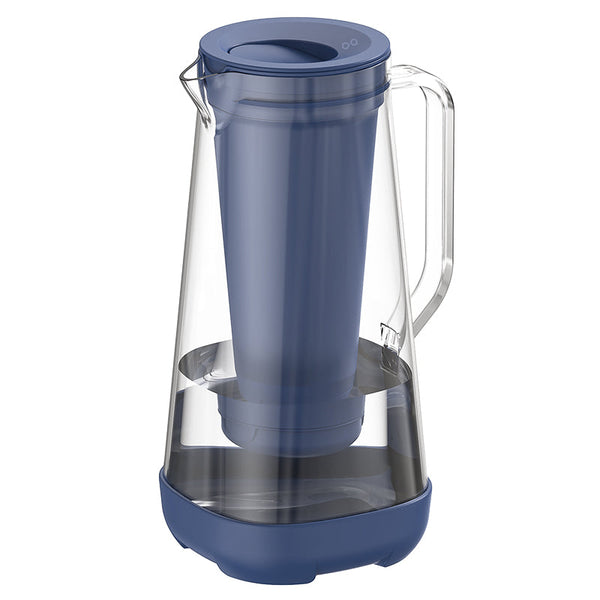
GlacierFresh 7-Cup Glass Water Filter Pitcher - 100% Plastic-Free for Home
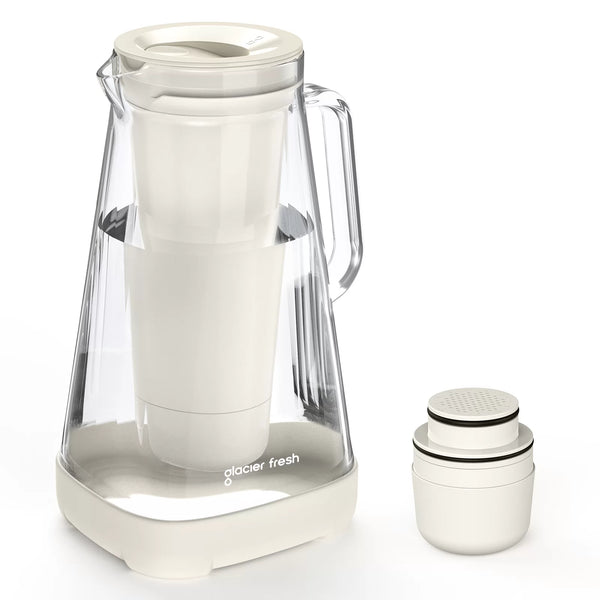
Purela P04 10-Cup Glass Water Filter Pitcher - 100% Plastic-Free for Coffee & Tea
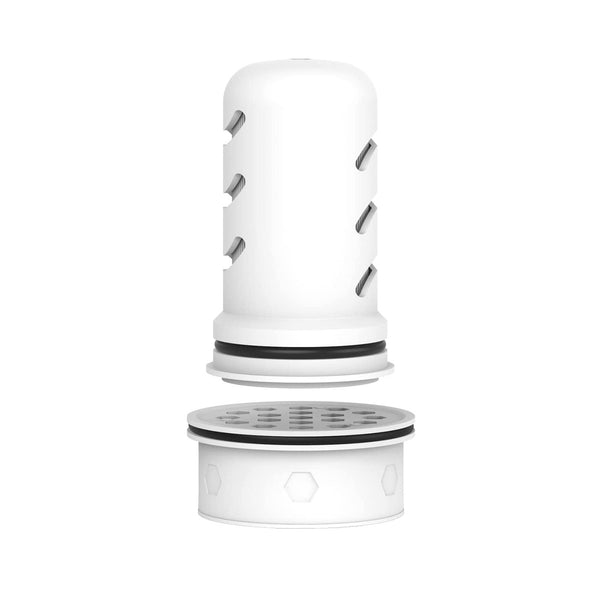
Glacier Fresh Replacement for Pitcher Water Filter, Membrane Micro Filter and Activated Carbon Filter
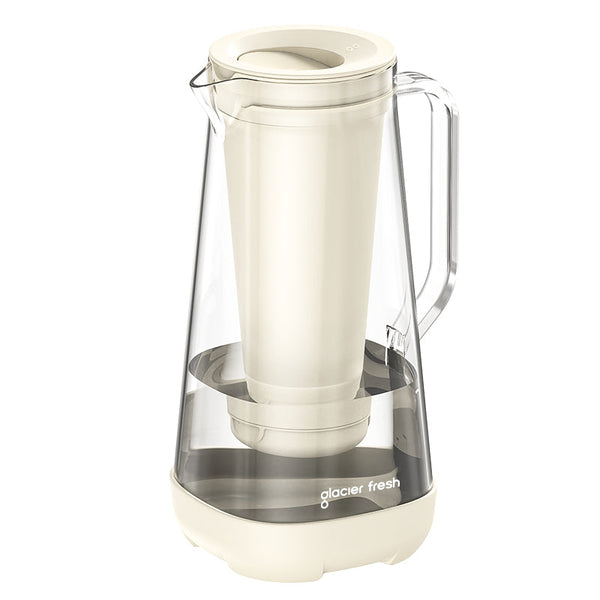
Purela P01 7 Cup Glass Water Filter Pitcher, Plastic-Free Water Pitcher
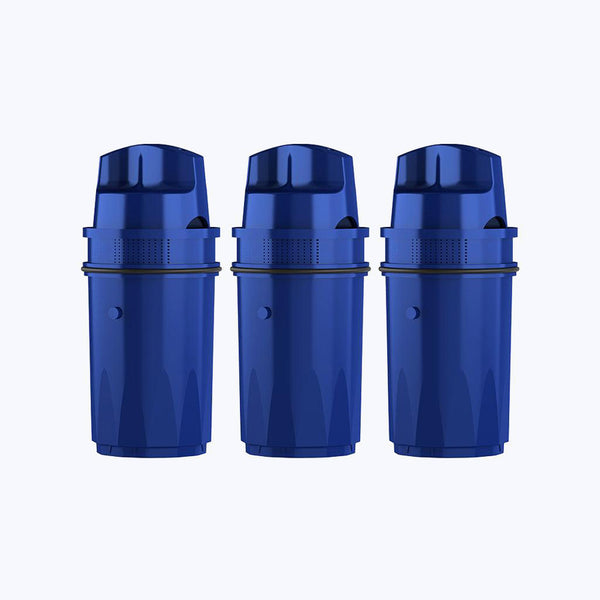
Glacier Fresh Replacement for PUR Pitcher Water Filter, 3-Pack
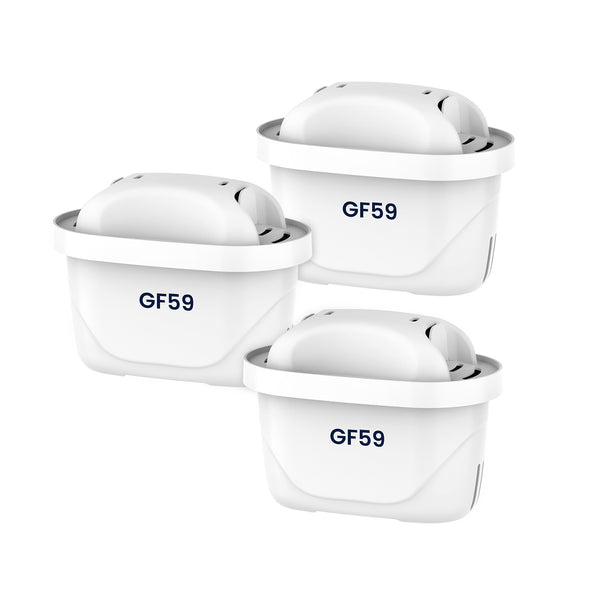
Glacierfresh Wasserfilter kartusche 3 Pack Kompatibel mit BRITA Maxtra+
P01, Glacierfresh Water Pitcher 7 Cup with Membrane and Activated Carbon Filter,Includes: Glass Pitcher, silicone base, Membrane micro filter and carbon filter, also replacement for lifestraw pitcher water.
P02, Glacierfresh 10 Cup Glass Water Pitcher With Filter, Larger capacity, Removes bacteria and parasites, as well as microplastics.Reduces lead, mercury, and chemicals including PFAS, chlorine, herbicides, pesticides, dirt, sand, and turbidity.
P04, 10 Cup Glass Water Pitcher with upgrade water filter cartridge, filter water flow more faster, and the filtered water is very suitable for brewing coffee and improving the taste of coffee. Put this pitcher on the bar and use it at any time.
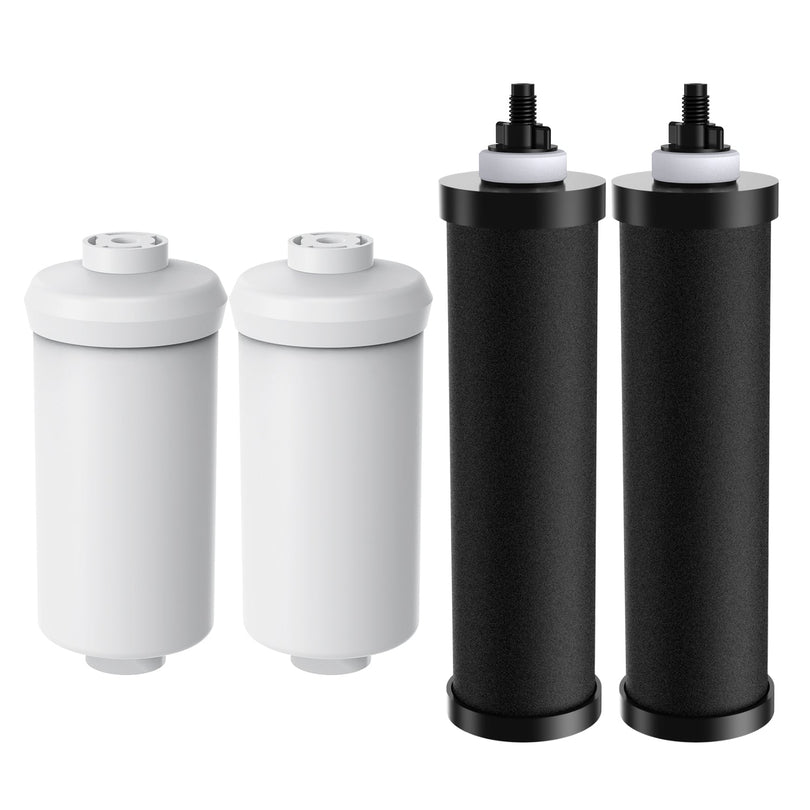
Pur pitcher water filter replacement, Compatible with PUR PPF951K, CRF950Z, CR-1100C
Please replace every 2 months
How to choose your water filter pitcher?
|
|
|
|
|
P01-7CUP
|
P02-10CUP
|
P04-10CUP
|
|
|---|---|---|---|
| Filtration Technology | Ultrafiltration + carbon fiber cotton filtration | Ultrafiltration + carbon fiber cotton filtration | Carbon fiber sponge + resin filter |
| Capacity | 7 Cups /1.7L | 10 Cups /2.4L | 10 Cups /2.4L |
| Color | Blue,White | Blue,White | Blue,White |
| Filter Material | Microplastic, Chlorine, improve the smell and taste | Microplastic, Chlorine, improve the smell and taste | Microplastic, Chlorine, improve the smell and taste |
How It Works?


What is the YouTube Creator Saying
See which ones are helpful to you
Product Features & Benefits
- Our 100% plastic-free glass pitchers are healthier, eco-friendly, and won't leach chemicals into your water. Glass is also easier to clean, doesn't retain odors, and looks beautiful on your counter or in your fridge.
Focusing on filtration performance, premium materials (ideally borosilicate glass), and overall value:
- GlacierFresh 10-Cup Purela Glass Water Filter Pitcher – A highly rated, large-capacity glass water filter pitcher using ultrafiltration and activated carbon filtration to effectively remove harmful substances such as chlorine, PFOA/PFOS. Excellent value for money if you want a plastic-free pitcher and powerful filtration performance.
- LifeStraw 7-Cup Household Water Filter Pitcher – A superior all-around choice, featuring dual filtration (membrane filtration + activated carbon/ion exchange) to effectively reduce bacteria, microplastics, heavy metals, PFAS, chlorine, and other contaminants while retaining beneficial minerals. Powerful performance and environmentally friendly design.
- Our filters remove bacteria, parasites, microplastics, PFAS, lead, mercury, chlorine, herbicides, pesticides, dirt, sand, and turbidity, giving you clean, great-tasting water.
- Our dual-stage system uses a membrane micro filter to remove bacteria and parasites, while the activated carbon filter reduces chemicals, chlorine, and improves taste and odor.
Capacity & Size:
- The 7-cup P01 is perfect for 1-2 people or smaller fridges. The 10-cup P02 and P04 are ideal for families or if you drink a lot of water throughout the day.
- Our pitchers are designed to fit in standard refrigerator doors and shelves. The 7-cup is more compact, while the 10-cup requires slightly more space.
- The 7-cup pitcher holds approximately 7 cups (1.75 quarts), while the 10-cup holds 10 cups (2.5 quarts) of filtered water.
Coffee & Tea Specific (P04)
- The P04 features an upgraded filter cartridge that filters water faster and optimizes mineral content, enhancing the flavor of coffee and tea. It's perfect for placing on your bar or coffee station.
- Absolutely! Removing chlorine and impurities allows the true flavors of your coffee and tea to shine through, resulting in a noticeably better taste.
Filter Replacement & Maintenance
- We recommend replacing filters every 2 months for optimal performance and water quality, or sooner if you notice slower filtration or taste changes.
- Yes! We offer replacement filters for all our pitcher models, including membrane micro filters and activated carbon filters. We also carry compatible replacements for PUR and BRITA pitchers.
- Replace filters every 2 months based on the date, or sooner if you notice reduced flow rate, changes in water taste, or if the filter appears discolored.
- Our pitchers use our proprietary dual-stage filtration system. For best results, use GlacierFresh replacement filters designed specifically for your pitcher model.
Usage & Performance
- Filtration time varies by model. The P04 with the upgraded cartridge filters faster, typically taking 5-10 minutes to filter a full pitcher depending on water quality.
- Yes, our pitchers work with well water and are especially effective at removing sediment, bacteria, and parasites common in well water. For heavily contaminated well water, consider our RO systems.
- Our filters primarily focus on removing bacteria, parasites, heavy metals, chlorine, and chemicals. For fluoride removal, we recommend our reverse osmosis systems
Care & Cleaning
- The glass pitcher is dishwasher safe (top rack recommended). Hand wash the filter components and silicone base to extend their life.
- Yes, the silicone base provides a non-slip grip and protects your countertops and refrigerator shelves.
- The glass pitcher and silicone base are easy to clean with warm soapy water. The glass is durable and won't stain or retain odors like plastic pitchers.
Health & Safety
- Yes! Glass is naturally BPA-free and contains no harmful plastics or chemicals that could leach into your water.
- Yes, our filtered water is safe for preparing baby formula and for children to drink. It removes harmful contaminants while being gentle and pure.
Our carbon and membrane filters remove harmful contaminants while retaining beneficial minerals like calcium and magnesium, unlike reverse osmosis systems.
Value & Comparison
- Each pitcher includes the glass pitcher, silicone base, membrane micro filter, and activated carbon filter - everything you need to start enjoying clean water immediately.
- Our pitchers save you money and reduce plastic waste. One filter can replace hundreds of plastic bottles, paying for itself in just weeks.
A glass water filter pitcher is designed to improve the quality of your drinking water by removing a variety of common contaminants. Depending on the filter technology used, a glass water filter pitcher can effectively reduce chlorine, which affects both the taste and odor of your water. Many models also target harmful substances like heavy metals (e.g., lead), pesticides, microplastics, and volatile organic compounds (VOCs), which may seep into your tap water from industrial waste or aging plumbing systems.
By using a glass water filter pitcher, you gain access to cleaner, safer drinking water right at home. The effectiveness of filtration may vary between different brands, so it’s essential to choose a high-quality glass water filter pitcher suited for your local water conditions. To ensure optimal filtration performance, remember to replace the filter regularly. This will allow your glass water filter pitcher to consistently protect your health by removing contaminants effectively.
Some pitcher water filtration system models are designed to reduce water hardness by filtering out minerals like calcium and magnesium, which are responsible for making water "hard." However, not all water filter pitchers have this capability. If softening hard water is a priority for you, it's important to carefully check the product details or consult the manufacturer to ensure the pitcher is specifically designed to address water hardness.
To effectively soften hard water, the pitcher water filtration system must include a cartridge or filter material that targets these minerals. Some filters use resin beads or other materials that help reduce the concentration of calcium and magnesium. Before purchasing, always verify that the glass water filter pitcher or pitcher filtration system includes the right type of filter for softening hard water. This ensures you are choosing the best solution for both softening and purifying your water.
Although both a pitcher water filtration system and bottled water can provide cleaner, better-tasting water, the cost-effectiveness of a filtration system outweighs bottled water by far. With a pitcher water filtration system, you only need to replace the filter every few months, saving money compared to purchasing bottled water regularly. Over time, the cost of using a pitcher filtration system is significantly lower, especially for households that consume large amounts of water.
Additionally, a pitcher water filtration system has a smaller environmental footprint. Bottled water creates significant plastic waste, contributing to pollution and environmental harm. In contrast, a glass water filter pitcher reduces the need for single-use plastic bottles, making it a more eco-friendly option. With a pitcher filtration system, you’re not only saving money but also helping to reduce the environmental impact associated with plastic waste. Ultimately, choosing a pitcher filtration system is a more sustainable and cost-effective choice for enjoying clean, fresh water.
A water filter pitcher is specifically designed to improve the taste and safety of your drinking water by removing common contaminants, including chlorine. Chlorine is widely used in municipal water supplies as a disinfectant to kill harmful bacteria and viruses, but it can leave a strong chemical taste and odor. A good-quality water filter pitcher uses activated carbon filters, which are highly effective at absorbing chlorine and reducing its presence in tap water. This filtration process significantly improves the flavor and smell, making the water more pleasant to drink.
The effectiveness of a water filter pitcher in removing chlorine depends on the filter’s quality and design. Most pitchers are certified to reduce chlorine and related compounds, ensuring your water tastes fresher. However, the filter’s capacity will decrease over time as it absorbs contaminants, so regular replacement is necessary to maintain chlorine removal efficiency. By consistently using a certified water filter pitcher, you can enjoy clean, chlorine-free water right from your tap.
Proper cleaning and maintenance of your water filter pitcher are essential to ensure the quality of filtered water and the longevity of the pitcher itself. To clean, first disassemble the pitcher by removing the filter and washing the pitcher components, such as the reservoir and pitcher body, with warm soapy water. Avoid using harsh chemicals or abrasive scrubbers, which can damage the pitcher or affect water's taste. Rinse thoroughly to remove any soap residue. It’s recommended to clean your water filter pitcher every one to two weeks to prevent bacteria or mold buildup.
Maintenance also involves regular filter replacement as filters lose effectiveness over time. Always follow the manufacturer's guidelines on how often to change the filter, typically every two to three months depending on usage and water quality. Keeping your water filter pitcher clean and replacing filters on time ensures you continue to get safe, fresh-tasting water and prevents any potential health risks associated with contaminated or stagnant water.
The capacity of a water filter pitcher varies by model, but most standard pitchers hold between 6 to 12 cups (1.5 to 3 liters) of filtered water. The total volume includes both the unfiltered reservoir where you pour tap water, and the filtered water reservoir you dispense from. When choosing a water filter pitcher, consider your household size and daily water consumption needs to select an appropriately sized model. Larger pitchers reduce the frequency of refilling, which is convenient for families or offices.
Keep in mind that the filtering process takes time, as water passes slowly through the filter cartridge. Thus, even if a pitcher has a large capacity, it may take several minutes to fully filter the water. Some advanced water filter pitcher models include faster filtration technology, improving throughput without sacrificing water quality. Choosing the right capacity ensures you always have enough clean water available while maintaining freshness.
Not all filter cartridges are compatible with every glass water filter pitcher model. Each pitcher is designed to fit specific filter types, so it’s essential to use the cartridge recommended by the manufacturer to ensure proper filtration performance and a secure fit. Using an incompatible filter can lead to poor water filtration, leakage, or damage to the pitcher. When purchasing replacement filters, check the model number and specifications carefully.
Some manufacturers offer a variety of filter cartridges, including standard, high-capacity, or specialty filters for different water issues, but all must match your glass water filter pitcher brand and model. To maintain optimal filtration and pitcher durability, avoid using generic or third-party cartridges unless explicitly approved. Using the correct filter cartridge guarantees your glass water filter pitcher continues to provide clean, safe drinking water as intended.
Filter replacement frequency for a glass water filter pitcher depends largely on water quality and usage, but most manufacturers recommend changing filters every 40 to 80 gallons (about 150 to 300 liters) of filtered water, or approximately every two to three months. Over time, the filter becomes saturated with contaminants, reducing its effectiveness at removing impurities like chlorine, heavy metals, and sediment. Continuing to use an expired filter risks poor water taste and potential health issues.
To maximize the benefits of your glass water filter pitcher, follow the replacement schedule recommended on the filter packaging or user manual. Many pitchers include filter life indicators or reminders to help you track when it’s time to swap the cartridge. Regular filter replacement ensures your filtered water stays fresh, safe, and tastes great throughout the pitcher’s lifespan.
A glass water pitcher is primarily a container used to hold and serve water or other beverages and does not typically include a filtration system. These pitchers are appreciated for their aesthetic appeal, durability, and the ability to keep water cold without imparting any flavors. They are often chosen for their eco-friendliness and ease of cleaning, but they do not improve water quality by removing impurities.
In contrast, a water filter pitcher contains a built-in filtration mechanism, usually an activated carbon filter or ion-exchange resin, designed to remove contaminants such as chlorine, heavy metals, and sediment from tap water. While water filter pitchers can be made from glass, plastic, or other materials, their defining feature is their ability to purify water as you pour. So, the key difference lies in filtration capability: a glass water pitcher is a vessel, whereas a water filter pitcher actively improves the quality and taste of the water it holds.
Using a pitcher water filtration system with well water depends on the specific contaminants present in your water. Well water often contains a broader range of impurities, including bacteria, nitrates, iron, and other minerals, that standard pitcher filters may not effectively remove. Most pitcher water filtration systems are designed primarily to reduce chlorine, taste, and odor issues common in municipal water rather than complex well water contaminants.
If you rely on well water, it is advisable to first have your water tested to identify any harmful substances. You might need additional treatment s,uch as UV disinfection or specialized filtration, before using a pitcher water filtration system as a final polishing step for taste improvement. While pitchers can help with basic filtration, they are generally not a complete solution for well water safety without complementary treatment systems.
A glass water purifier pitcher typically uses activated carbon and other filtration media to remove common contaminants such as chlorine, sediment, heavy metals, and some organic compounds from tap water. These pitchers are effective at improving taste and odor by reducing chemicals that cause unpleasant flavors. The glass construction ensures no plastic leaching or odors, which can enhance the overall drinking experience.
However, the effectiveness depends on the specific filter cartridge used and the water quality. Most glass water purifier pitchers are not designed to remove microbiological contaminants like bacteria or viruses or complex chemical pollutants. For these, advanced filtration systems are necessary. Still, for everyday municipal water treatment, a glass water purifier pitcher offers a convenient and reliable way to enjoy cleaner, better-tasting water at home.
The purification filter in a glass water purifier pitcher typically requires replacement every two to three months or after filtering about 40 to 80 gallons of water, depending on manufacturer's guidelines. Over time, the filter becomes clogged with impurities it has captured, reducing its ability to effectively remove contaminants and potentially allowing unfiltered water to pass through.
Timely replacement of the purification filter is critical to maintaining the pitcher’s performance and ensuring water safety and taste. Many models include indicators or reminders to help users know when to replace the filter. Ignoring replacement schedules can lead to poor filtration results and degraded water quality, so regular monitoring and prompt filter changes are essential for the best use of your glass water purifier pitcher.
Yes, glass water purifier pitchers are safe and healthy for everyday use. The glass material is non-reactive, which means it won’t leach chemicals or odors into your water, unlike some plastic pitchers that may affect taste or release unwanted substances over time. This makes glass pitchers an excellent choice for those who prioritize purity and flavor in their drinking water.
In addition, most glass water purifier pitchers use certified filtration cartridges that meet safety standards for removing common contaminants from tap water. As long as you follow proper cleaning and filter replacement guidelines, a glass pitcher provides a reliable, safe source of clean water daily. Its durable and eco-friendly nature also supports sustainable living practices, making it a popular option for health-conscious consumers.
To properly clean a glass water filter pitcher, start by removing the filter and setting it aside to avoid damaging it. Wash the pitcher, lid, and reservoir using mild dish soap and warm water. A soft sponge or cloth helps remove buildup without scratching the glass. For tough stains or odor, mix a bit of white vinegar or baking soda with water and gently scrub. Rinse your glass water filter pitcher thoroughly to ensure no soap or residue remains.
Regular cleaning keeps your glass water filter pitcher looking clear and prevents mold or bacterial growth. Always let it air-dry completely before reassembling to avoid moisture buildup that could affect water quality.
You should clean your glass water pitcher at least once a week to maintain hygiene and ensure the best-tasting water. Frequent cleaning prevents mold, mineral deposits, and algae from forming, especially if the pitcher is kept in warm or humid environments. For households with multiple users or frequent refilling, consider washing the glass water pitcher every few days.
The filter cartridge itself doesn’t need to be cleaned, but should be replaced as recommended—typically every two months. Keeping your glass water pitcher clean ensures both freshness and safe, contaminant-free drinking water.
A water filter pitcher is effective at removing common chemicals like chlorine, mercury, copper, and zinc that can affect taste and odor. Most water filter pitcher models use activated carbon and ion exchange resins to capture these impurities. However, they may not remove all harmful contaminants such as nitrates, fluoride, or bacteria, depending on the filter design.
If you’re concerned about specific chemicals or heavy metals, check the certification and filtration capacity of your water filter pitcher. Using a certified model ensures better performance and peace of mind with every sip.
To disinfect a glass water filter pitcher, remove the filter first, then wash all removable parts with warm, soapy water. Prepare a solution of one tablespoon of unscented household bleach per gallon of water and fill the pitcher. Let it sit for about 10 minutes to kill bacteria or mold spores. Rinse the glass water filter pitcher thoroughly several times with clean water to remove any bleach residue.
For regular upkeep, you can also use white vinegar as a gentler disinfectant. Proper disinfection of your glass water filter pitcher not only maintains hygiene but also ensures your drinking water stays pure and safe.
Yes, the GlacierFresh glass water filter pitcher offers a plastic-free alternative for those seeking a more eco-friendly option. Made from high-quality borosilicate glass, this pitcher is designed to reduce the use of plastic in your daily hydration routine. The pitcher features a sleek design with a silicone base to prevent slipping and a comfortable handle for easy pouring. Its 7-cup capacity makes it suitable for small to medium households.
The GlacierFresh glass water filter pitcher utilizes a two-stage filtration system, combining an ultrafiltration membrane and an activated carbon filter. This system effectively reduces contaminants such as chlorine, PFOA, PFOS, and coliforms, improving the taste and odor of your tap water. The glass water filter filters are made from food-grade materials and are BPA-free, ensuring that your water remains safe and clean.
When comparing glass water filter pitchers to their plastic counterparts, glass offers several advantages. Glass is non-porous, meaning it doesn't retain odors or stains, and it's easier to clean. It also doesn't leach chemicals into the water, providing a purer taste. The GlacierFresh glass water filter pitcher exemplifies these benefits, offering a durable and aesthetically pleasing option for water filtration.
However, glass pitchers can be heavier and more prone to breaking if dropped. Plastic pitchers, while lighter and more durable, may retain odors and stains over time and can leach chemicals into the water. The choice between glass and plastic ultimately depends on your priorities, such as taste, safety, and convenience. The GlacierFreshglass water filter pitcher provides a balanced solution for those seeking a plastic-free, high-quality water filtration experience.