


Table of Contents:
Common causes of sulfur odor in water
Quick cause checklist: where is the sulfur smell coming from?
Is sulfuric water safe to drink and use?
How do you test for sulfur in your water?
Effective methods to remove sulfur from water
Long-term maintenance: keeping sulfur odor from coming back
FAQs
Conclusion
A sulfur smell in water is unpleasant, but it is also useful evidence. The timing, location, and intensity of the odor can help identify whether the issue comes from the water source, a water heater, household plumbing, or bacterial activity. Before choosing a filter or chemical treatment, homeowners should narrow down the cause and confirm whether the smell affects drinking water, shower water, or both.
Common causes of sulfur odor in water
Sulfur odor is most often linked to hydrogen sulfide gas, sulfur-reducing bacteria, or stagnant water. The same rotten-egg smell can have different causes, so the first step is to compare hot and cold water, test multiple faucets, and note whether the problem is constant or seasonal.

Bacterial activity
If you notice a sulfur odor in your water, bacterial activity is often the cause. Sulfur-reducing bacteria can produce sulfur compounds in wells, storage tanks, pipes, and water heaters, creating bad smelling well water even when the water looks clear. Regular testing, disinfection, and sanitation help prevent the odor from returning.
When the odor is strongest after water sits overnight, stagnant plumbing may be involved. If only hot water smells, the issue may be inside the water heater, especially where the anode rod reacts with naturally occurring sulfate. If both hot and cold water smell throughout the home, the water source itself is more likely involved.
High levels of hydrogen sulfide
Hydrogen sulfide gas can occur naturally in groundwater or form when bacteria break down organic matter. A mild egg smell in water may be mostly a taste and odor issue, but a strong odor should be investigated because it can affect plumbing, appliances, and user comfort. If your city water smells like sulfur, report the issue to the water supplier and test water at the tap after it has flushed for several minutes.
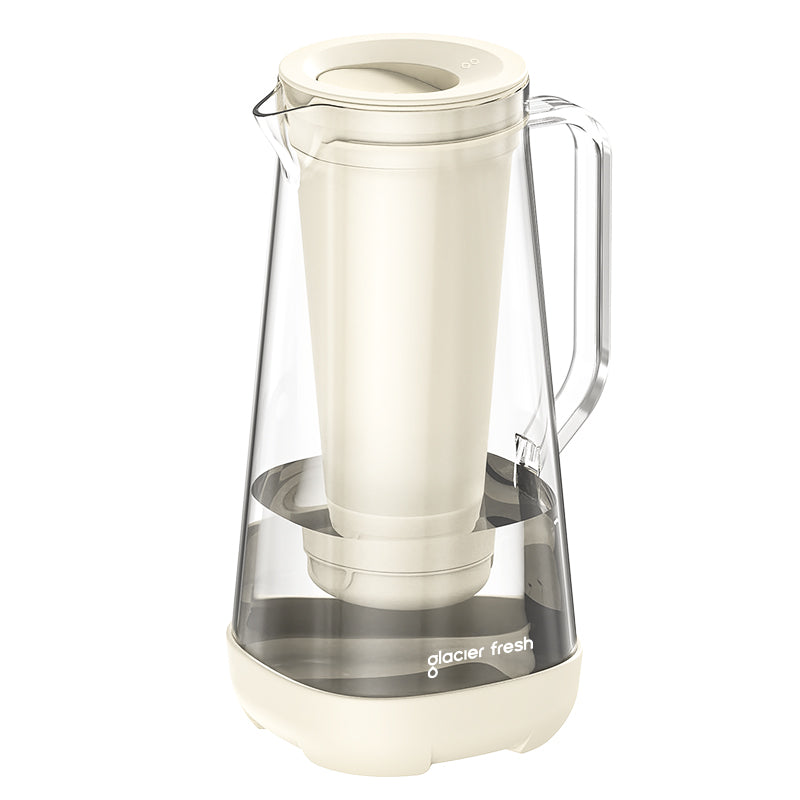
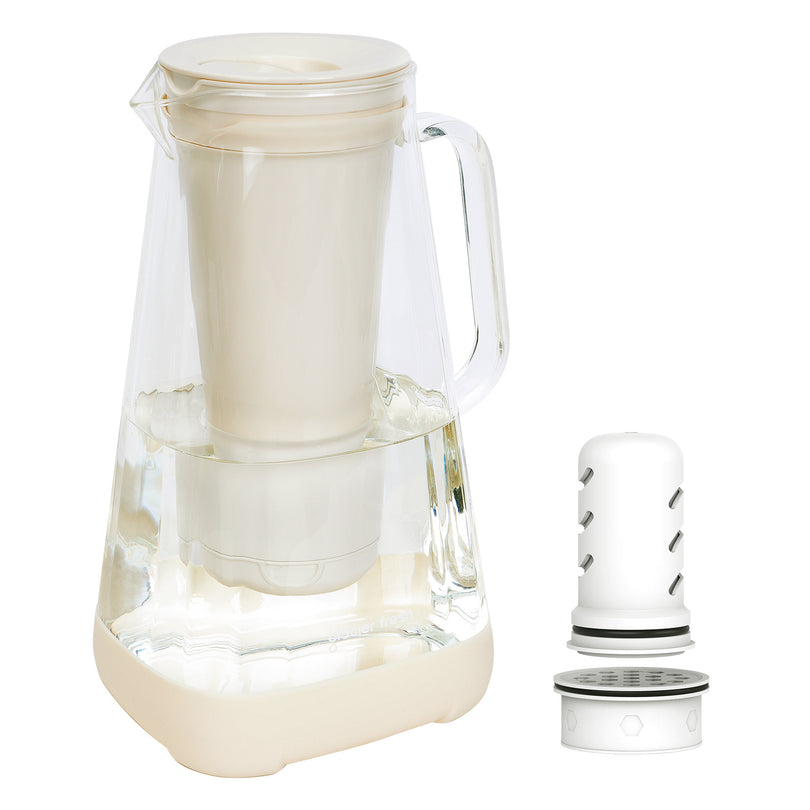
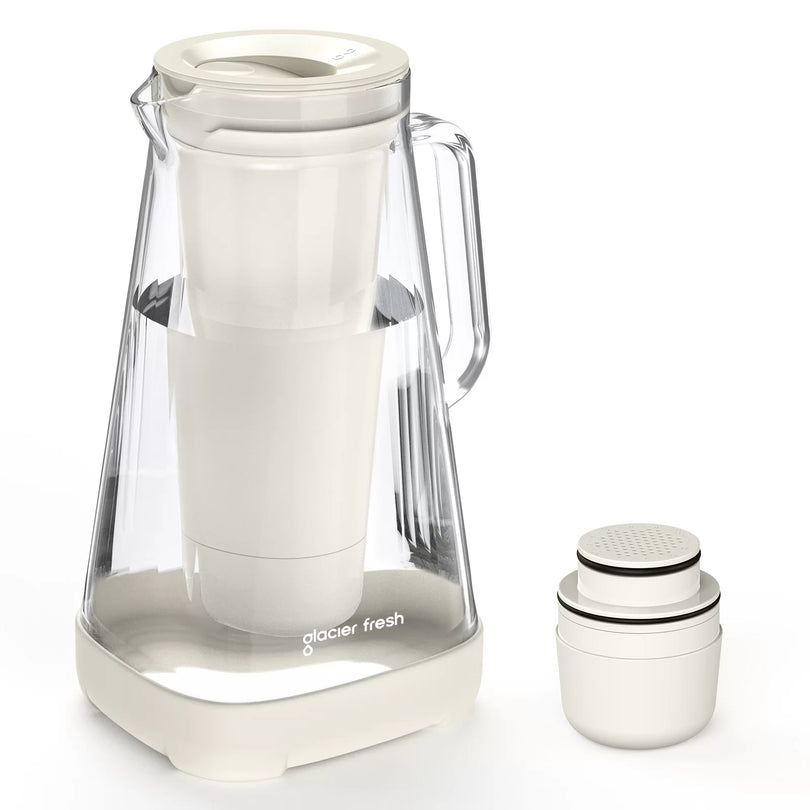
Some mild cases improve after flushing the plumbing system, using a Glass Water Filter Pitcher, or treating drinking water at the point of use. Persistent whole-home odor usually requires source testing and a stronger treatment method such as aeration, activated carbon, oxidation, or a professionally sized system.
Quick cause checklist: where is the sulfur smell coming from?
Use this simple diagnostic framework before buying equipment. It helps separate source-water problems from plumbing problems and reduces the risk of installing the wrong treatment system.
| What you notice | Likely source | What to do first |
| Smell only in hot water | Water heater reaction or bacteria | Flush the tank; inspect the anode rod; consider professional cleaning. |
| Smell at one faucet only | Localized drain, pipe, or fixture issue | Clean the aerator and drain; compare with another faucet. |
| Smell in hot and cold water throughout home | Well water or incoming supply issue | Test for hydrogen sulfide, sulfate, iron, manganese, and bacteria. |
| Smell changes after heavy rain or drought | Seasonal groundwater changes | Retest during odor peaks and check well cap, casing, and drainage. |
| Black stains, corrosion, or metallic taste | Sulfur plus metals or plumbing corrosion | Request a lab test and choose treatment based on full water chemistry. |
Is sulfuric water safe to drink and use?
Low levels of sulfur compounds mainly affect odor and taste, but strong or persistent odors deserve attention. Water that smells bad can discourage drinking, stain fixtures, corrode some metals, and indicate bacterial activity or other water-quality issues that should be tested rather than guessed.

Sulfur itself is common in natural water sources, and not every odor means the water is unsafe. However, high sulfur in water can irritate taste and smell, and very high hydrogen sulfide exposure may cause nausea, eye irritation, or respiratory discomfort. If anyone in the home experiences symptoms after drinking or using the water, stop using it for drinking and seek professional testing.
Regional geology matters. Sulfur odor is more common in groundwater from areas with organic-rich soils, wetlands, oil and gas formations, geothermal activity, volcanic rock, or deep wells with low oxygen. Rural wells may need whole-home treatment, while municipal users may only need to flush stagnant lines or use point-of-use filtration if the odor is limited to drinking water.
How do you test for sulfur in your water?
Testing should identify both the odor compound and the conditions that allow it to persist. A basic strip or drop test can screen for hydrogen sulfide, but a certified lab is more reliable when odor is severe, seasonal, or accompanied by staining, corrosion, or gastrointestinal symptoms.

- Test hot and cold water separately. If only hot water smells, inspect the water heater before treating the whole home.
- Collect samples at the first-use tap and after flushing for 3 to 5 minutes. A smell that fades after flushing often points to stagnant plumbing.
- Use a sulfur water test kit for screening, then confirm with a lab if the odor is strong, recurrent, or linked to well water.
- Record the concentration and context. Odor may be noticeable at very low levels, while higher readings call for treatment selection based on household flow rate and water chemistry.
- For wells, also test bacteria, iron, manganese, pH, hardness, and total dissolved solids because these affect treatment performance.
Effective methods to remove sulfur from water
The best method depends on sulfur concentration, whether the source is well or municipal water, household size, and budget. Point-of-use filters may be enough for drinking water, while whole-home systems are better when odor affects showers, laundry, fixtures, and appliances.
| Method | Best fit | Strengths | Limitations / maintenance |
| Activated carbon | Low odor in drinking water; point-of-use needs | Improves taste and can help eliminate water odor from treated taps | Media must be replaced on schedule; not ideal for heavy whole-home sulfur alone. |
| Aeration | Moderate hydrogen sulfide in well water | Chemical-free; useful for whole-home odor control | Needs tank space, venting, and periodic cleaning to prevent recontamination. |
| Oxidation + filtration | Stronger odor or sulfur with iron/manganese | Highly effective when sized correctly | Uses oxidants such as chlorine or peroxide; requires contact time and filter maintenance. |
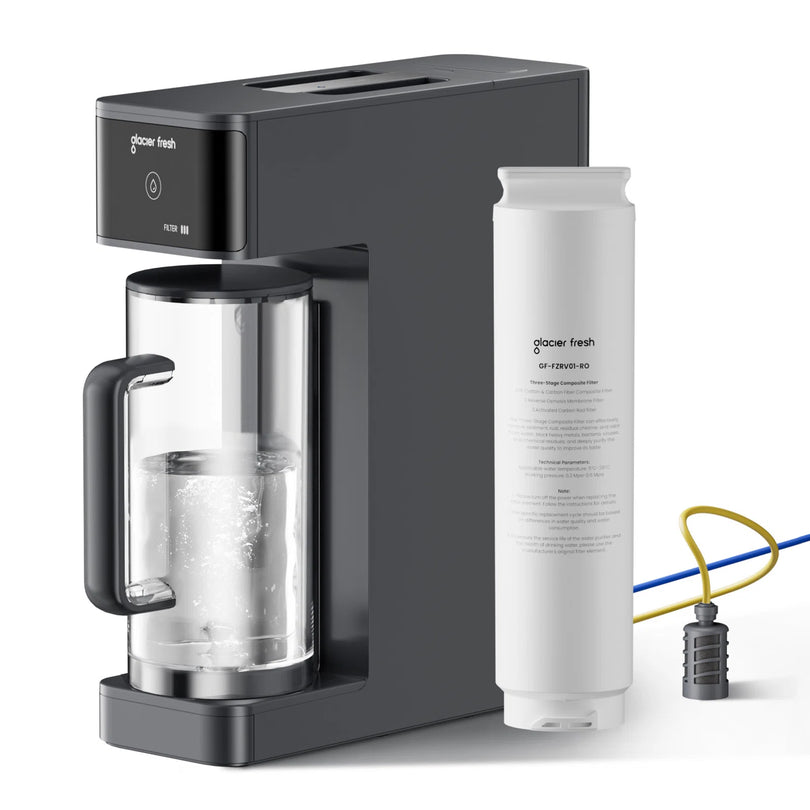
| Reverse osmosis | Drinking and cooking water with multiple contaminants | Good polishing option for dissolved contaminants at one tap | Usually point-of-use; pre-treatment may be needed for high sulfur or bacteria. |
| Water heater service | Hot-water-only odor | Targets the real source without over-treating all water | May require flushing, disinfection, or anode replacement by a professional. |
Chemical treatment
Chemical treatment uses oxidation and filtration to convert odor-causing sulfur compounds into forms that can be removed more easily. Oxidants such as chlorine or hydrogen peroxide may be used, but correct dosing, contact time, and post-filtration are essential. Overdosing can create taste issues, while underdosing may allow odor to return.
Activated carbon
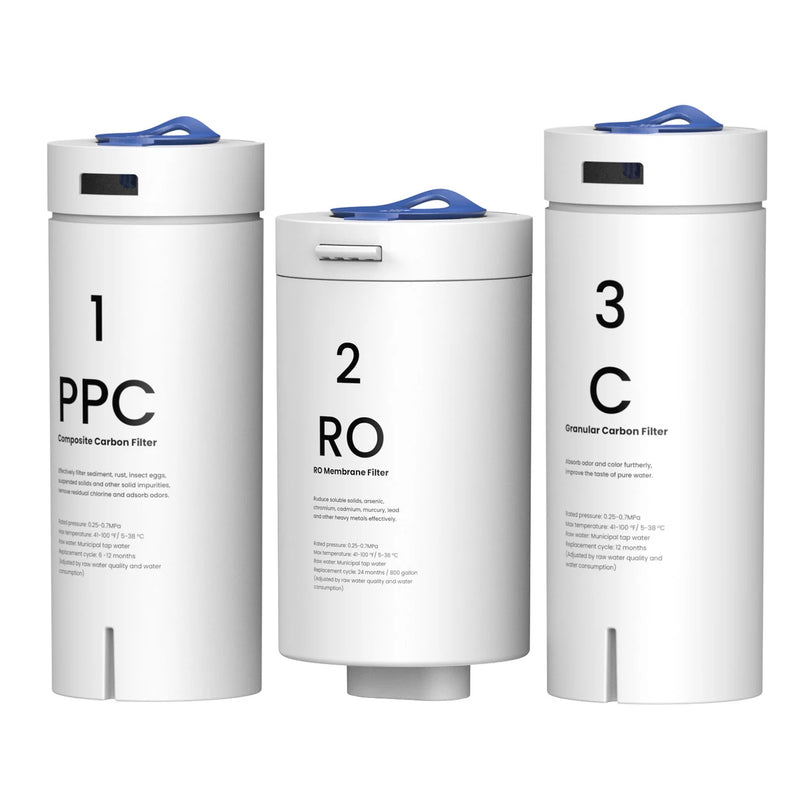
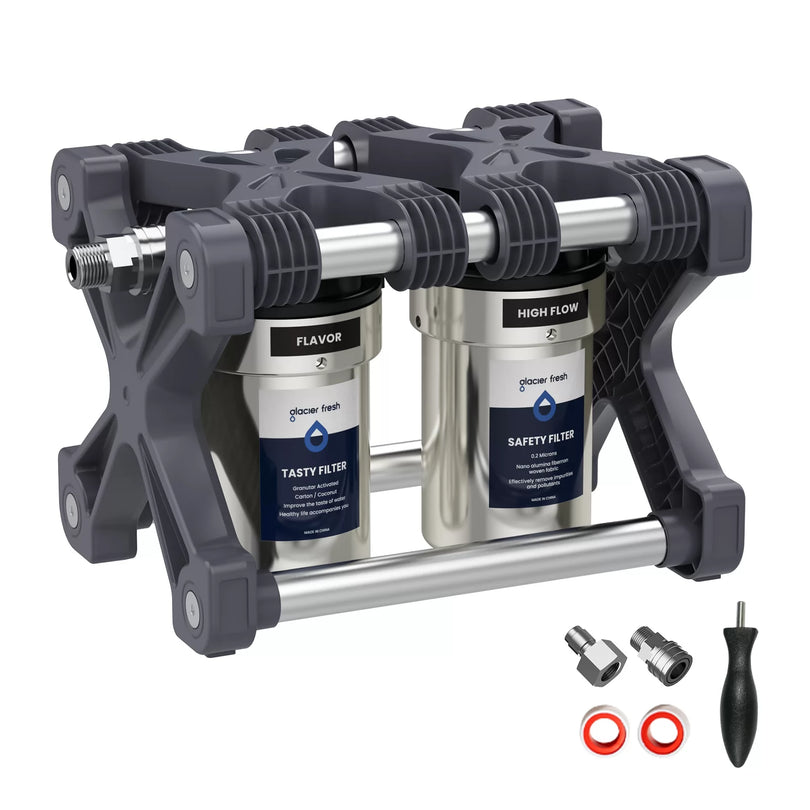
 Activated carbon is a practical choice when sulfur odor is mild or limited to drinking water. It adsorbs odor compounds and can improve overall taste, but it should not be treated as a cure-all for contaminated wells. Replace cartridges as directed, and change them sooner if odor, flow loss, or taste changes return.
Aeration
Aeration exposes water to air so hydrogen sulfide can leave the water as gas before filtration. It is often a good fit for larger households with whole-home odor problems and moderate sulfur levels. The main pitfalls are poor venting, undersized tanks, and neglected cleaning, all of which can allow sulfur odors to reappear.
Reverse osmosis
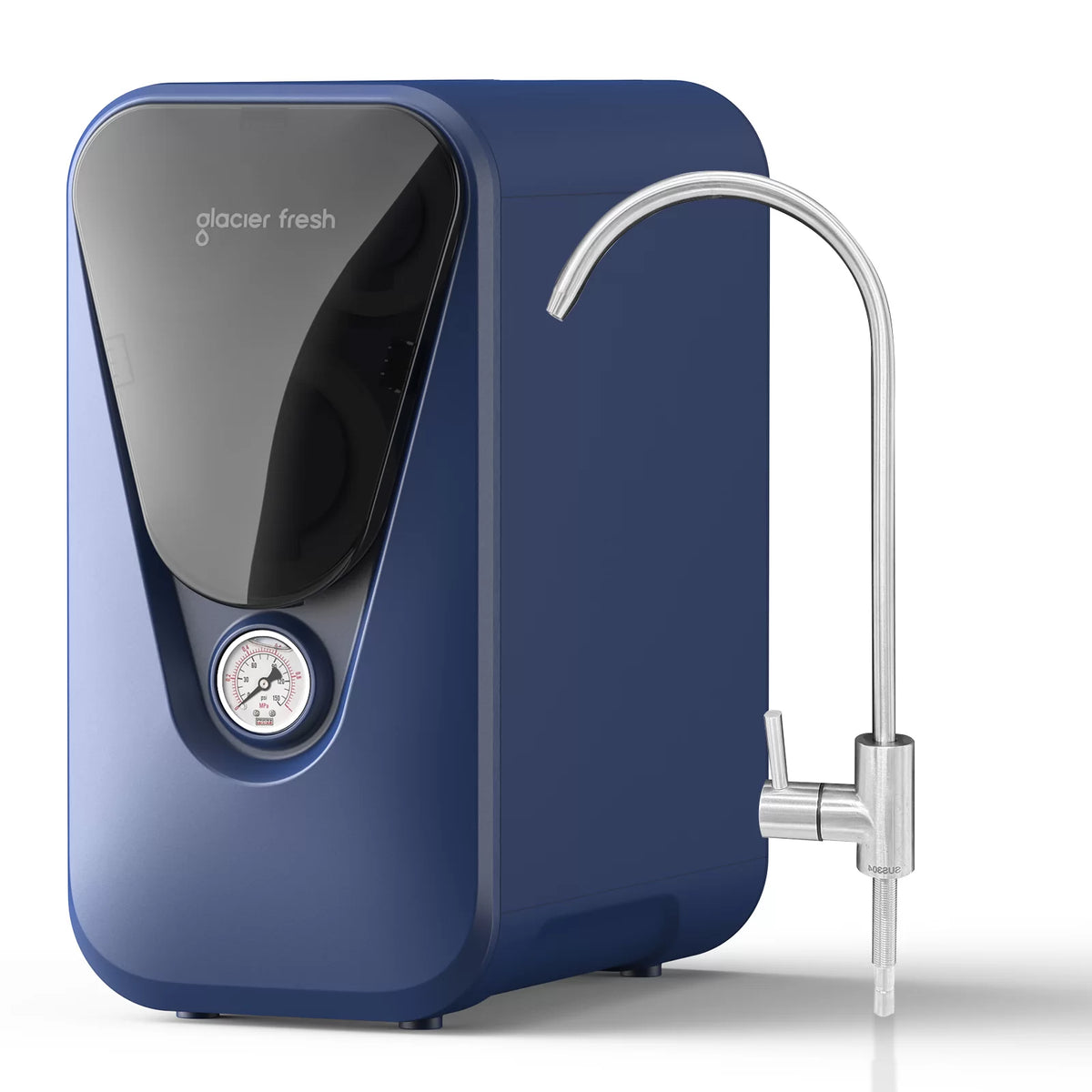
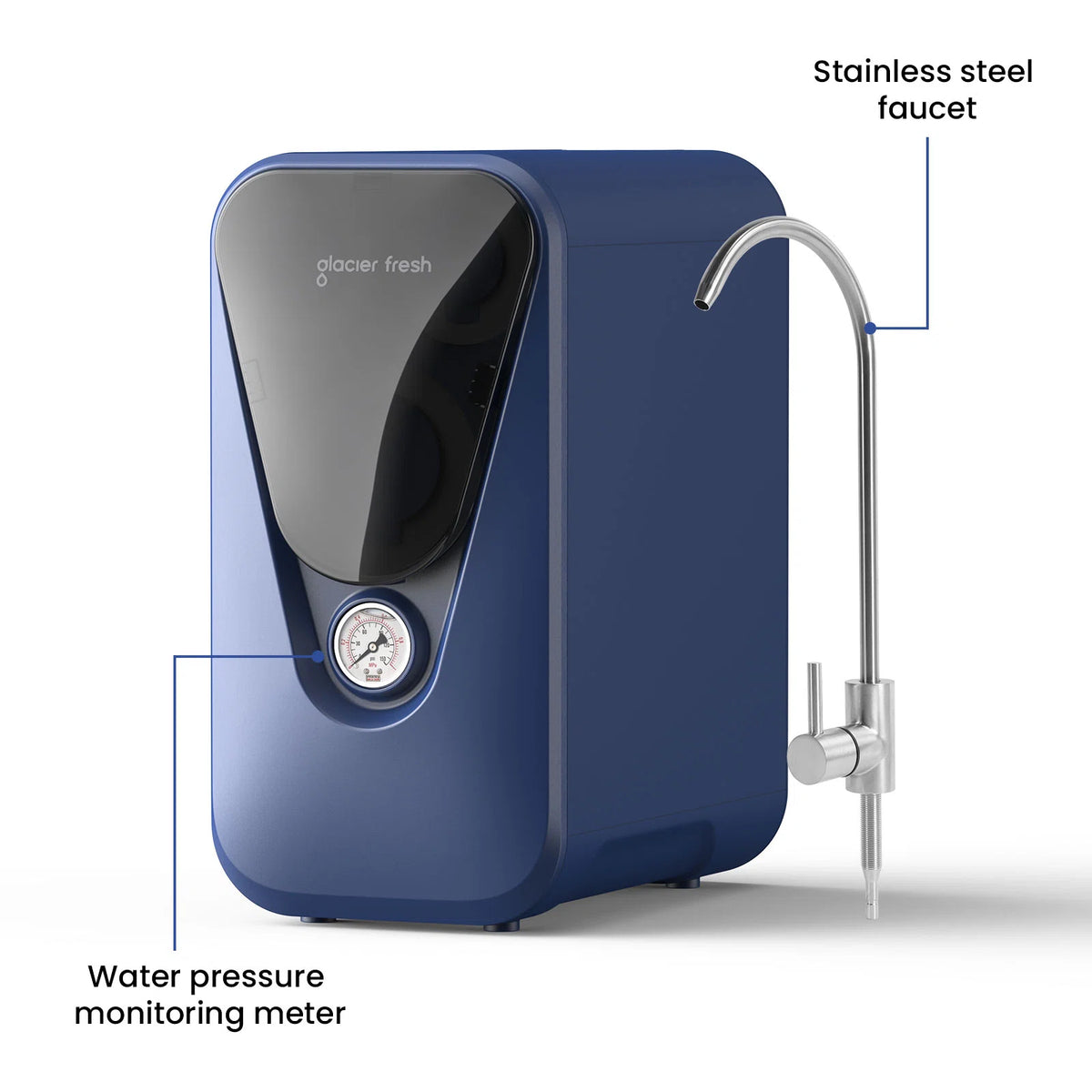
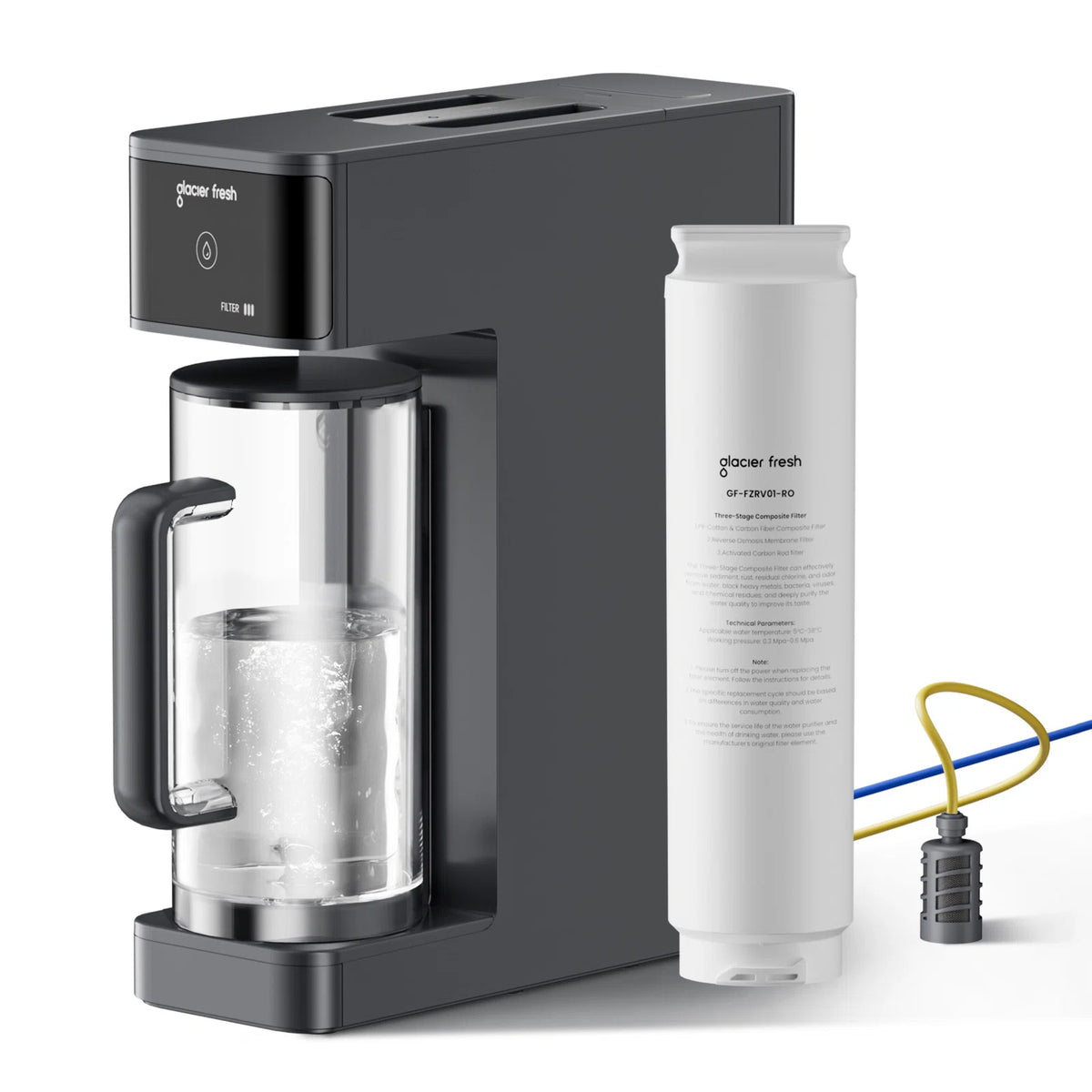
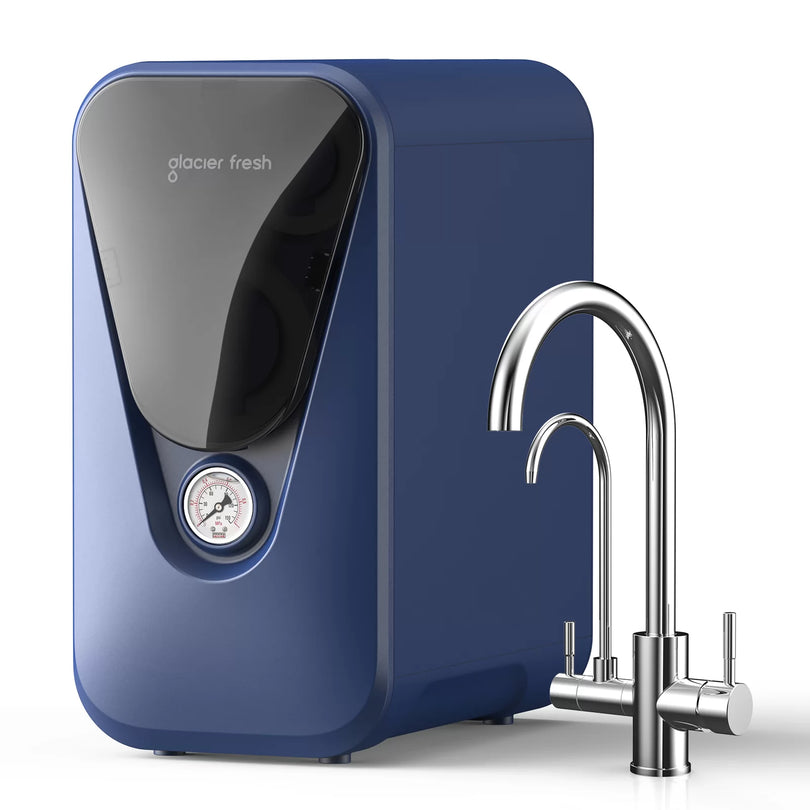
Reverse osmosis can polish drinking water at the kitchen sink and is useful when sulfur odor appears alongside other dissolved contaminants. It is not usually the first choice for treating every tap in the home. For well water with bacteria or strong hydrogen sulfide, pre-treatment is often needed before the RO membrane.
Long-term maintenance: keeping sulfur odor from coming back
After treatment, maintenance matters as much as the equipment itself. Sulfur problems often return when filters are overdue, tanks are not cleaned, wells are poorly sealed, or plumbing remains stagnant for long periods.
- Flush low-use faucets weekly, especially guest bathrooms, outdoor lines, and RV or seasonal plumbing.
- Replace carbon cartridges, RO filters, and oxidation media according to flow rate and test results, not only calendar age.
- Clean aeration tanks and contact tanks as recommended to prevent bacterial films.
- For wells, inspect the well cap, casing, drainage slope, and nearby contamination risks at least once a year.
- Retest water after installation and after major seasonal changes, floods, droughts, or plumbing work.
FAQs
What causes sulfur smells in water and are they harmful?
The most common causes are hydrogen sulfide gas, sulfur bacteria, stagnant plumbing, or water heater reactions. Low-level odor is often more unpleasant than dangerous, but strong or persistent odor should be tested, especially in well water or when symptoms occur.
How can I eliminate sulfur and rotten egg odors from my water supply?
Start by identifying whether the odor is in hot water, cold water, one faucet, or the whole home. Mild point-of-use odor may improve with activated carbon, while whole-home well water problems may need aeration, oxidation plus filtration, or water heater service.
Can sulfur filters remove hydrogen sulfide from water effectively?
Yes, when the system is matched to the sulfur level, water flow, pH, iron or manganese content, and household demand. A sulfur filter that is too small or poorly maintained may reduce odor briefly but allow it to return.
Can sulfur in water damage water-heating systems or appliances?
It can contribute to corrosion, staining, odor buildup, and unpleasant hot-water performance, especially when bacteria or reactive water heater components are involved. If only hot water smells, service the heater before installing whole-home filtration.
Can I use a sulfur water test kit to detect hydrogen sulfide in well water?
Yes. A home kit can confirm whether hydrogen sulfide is likely present, but lab testing is better for recurring or strong odors because it can also check bacteria, iron, manganese, pH, hardness, and other factors that affect treatment choice.
Conclusion
A sulfur smell in water is usually caused by bacteria, hydrogen sulfide gas, stagnant plumbing, or a water heater reaction. It may not always signal a health emergency, but it should not be ignored when the odor is strong, recurring, or linked to well water. Test first, isolate the source, then choose treatment based on water chemistry and household use. With the right system and routine maintenance, most homes can restore clean-tasting, odor-free water without overbuying equipment.
Related Reading
- Reverse Osmosis, Nanofiber & Ultrafiltration: Which One Is Right for You?
- Multi-Stage Water Filters
- What Is Ultra Filtration and How It Works in the Glacier Fresh U06 System