


Table of Contents:
What is copper in drinking water?
How does copper get into drinking water?
Health risks associated with copper in drinking water
The safe levels of copper in drinking water
How do you test for copper in water?
Copper testing and treatment decision framework
Effective filtration methods for copper removal
The comparison of different copper removal methods
Filter replacement estimate: a simple formula
Maintenance tips for copper-free water
FAQs
Conclusion
Learn effective and practical ways to reduce copper in your drinking water, from simple flushing and identifying plumbing sources to proven filtration methods such as reverse osmosis, distillation, activated carbon, KDF media, and ion exchange systems. This guide focuses on household decision-making, testing accuracy, maintenance, and when to escalate from a home kit to certified lab analysis.
What is copper in drinking water?

Copper is a naturally occurring metal and an essential trace mineral, but too much in drinking water is not desirable. Copper can enter a home water supply through corroded plumbing, brass fixtures, natural deposits, and sometimes runoff. The first step in understanding copper water contamination is to separate normal trace presence from levels high enough to affect taste, health, and plumbing performance.
In many homes, copper is not a source-water issue at all. It often appears after water has been sitting in copper pipes overnight or after several hours of no use. Low pH, high dissolved oxygen, high temperature, and corrosive water chemistry can all increase leaching from pipes and fittings.
How does copper get into drinking water?

Copper usually enters water through one of three routes: household plumbing corrosion, natural mineral deposits, or localized contamination from agricultural and industrial activities. Homes with older copper pipes, new copper plumbing, acidic water, or water that sits unused for long periods may see higher first-draw copper levels.
Water treatment facilities manage corrosion by adjusting pH and adding corrosion-control compounds, but conditions inside the home still matter. If only the first glass from the tap tests high, plumbing is likely involved. If hot and cold water, multiple taps, or pre-plumbing samples all test high, the source water or building-wide plumbing may need closer review.
Health risks associated with copper in drinking water
Copper exposure is dose-dependent. Small dietary amounts are necessary, but elevated water levels may cause stomach upset and, with repeated exposure, can put additional strain on the liver and kidneys. People with Wilson disease, infants, and anyone with liver-related concerns should be especially careful about high readings.

Gastrointestinal issues from copper exposure
The most common short-term signs are nausea, stomach cramps, vomiting, diarrhea, and a metallic taste. These symptoms are more likely when water contains high copper in water or when a person repeatedly drinks first-draw water from corroding copper pipes.
Copper-related liver and kidney concerns
Long-term exposure can be more serious because the body must process and excrete excess copper. While most households will not reach extreme exposure levels, persistent elevated readings should never be ignored, especially when water is used for drinking, infant formula, cooking, or daily hydration.
Possible neurological effects
In severe or prolonged exposure situations, excess copper may contribute to headaches, dizziness, irritability, and other neurological complaints. These symptoms are not specific to copper alone, so testing is important before assuming a cause.
The safe levels of copper in drinking water
For U.S. households, the EPA action level for copper is commonly referenced as 1.3 milligrams per liter. Copper levels in drinking water are deemed safe when they fall below 1.3 milligrams per liter, but homeowners should still look at trends, taste changes, plumbing age, and whether results come from a first-draw or flushed sample.
A single borderline result does not always prove a lasting problem. Repeat testing can help confirm whether copper is consistently elevated, whether flushing the tap lowers the reading, and whether treatment should be installed at one faucet or for the entire home.
How do you test for copper in water?

To determine the presence of copper in water, conducting a simple water test can provide valuable insights into the water quality. Testing for copper contamination ensures drinking safety and identifies potential health risks. Here's how you can test for copper in your water:
1. Purchase a water testing kit: Look for a water testing kit specifically designed to detect copper levels in water. These kits are usually affordable and easy to use, providing accurate results.
2. Collect a water sample: Follow the instructions in the testing kit to collect a water sample from your tap. Ensure the sample is taken correctly to represent the water quality accurately.
3. Conduct the ttest: Use the testing kit as instructed to analyze the water sample for copper content. The results will indicate if the copper levels exceed safe limits, prompting the need for remediation methods to ensure water quality and safety.
Copper testing and treatment decision framework
Use this compact framework to decide whether a DIY kit is enough or whether professional lab testing and a treatment system are worth the cost. It also helps match copper in water treatment to the most likely source of the problem.
|
Situation |
Best next step |
Why it matters |
Likely solution |
Budget level |
|
Metallic taste only after water sits overnight |
Test first-draw and flushed cold water |
Confirms whether pipes are leaching copper |
Flush tap, corrosion control, point-of-use RO |
Low to medium |
|
Result near or above 1.3 mg/L |
Confirm with certified lab |
Treatment decisions should rely on accurate data |
RO, ion exchange, or KDF-based system |
Medium |
|
Private well or unknown source |
Test copper, pH, hardness, lead, nitrates, bacteria |
Multiple water chemistry factors affect corrosion |
Lab testing plus tailored filtration |
Medium to high |
|
RV, rental, or temporary setup |
Use portable testing and point-of-use filtration |
Plumbing and source water vary frequently |
Carbon/KDF, RO, or multi-stage portable unit |
Low to medium |
|
Infants, pregnancy, liver concerns, or Wilson disease in household |
Use certified lab and avoid questionable water until resolved |
Higher sensitivity to exposure risk |
Immediate alternative water plus certified treatment |
Medium to high |
Effective filtration methods for copper removal
Copper removal from water is most reliable when the technology matches the copper form, water chemistry, usage volume, and maintenance habits. No filter should be treated as permanent; saturated media can lose performance, and untreated corrosion can continue sending copper into the water before it reaches the filter.
Activated carbon filtration

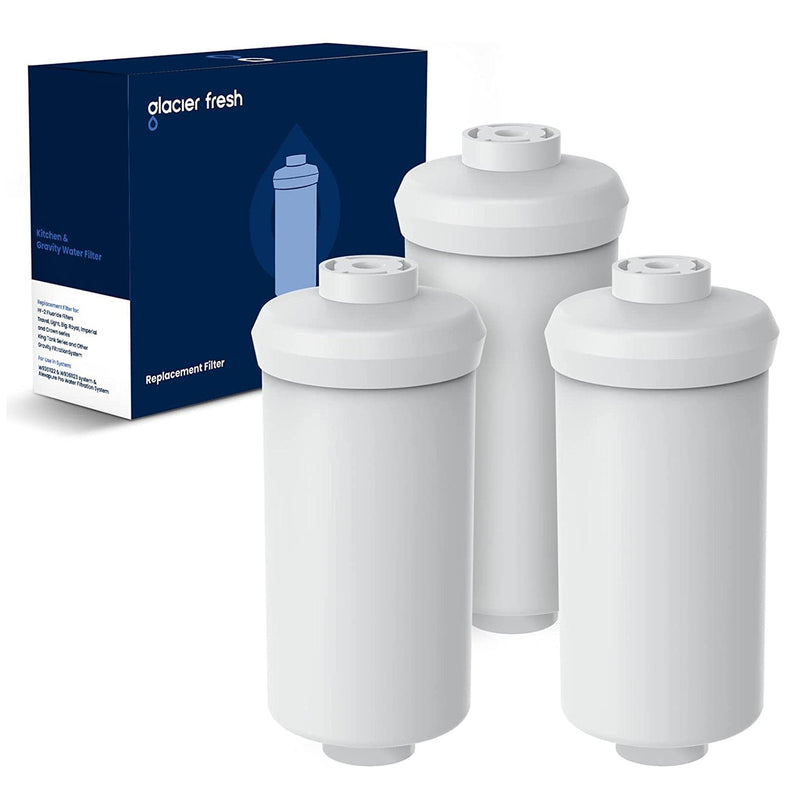
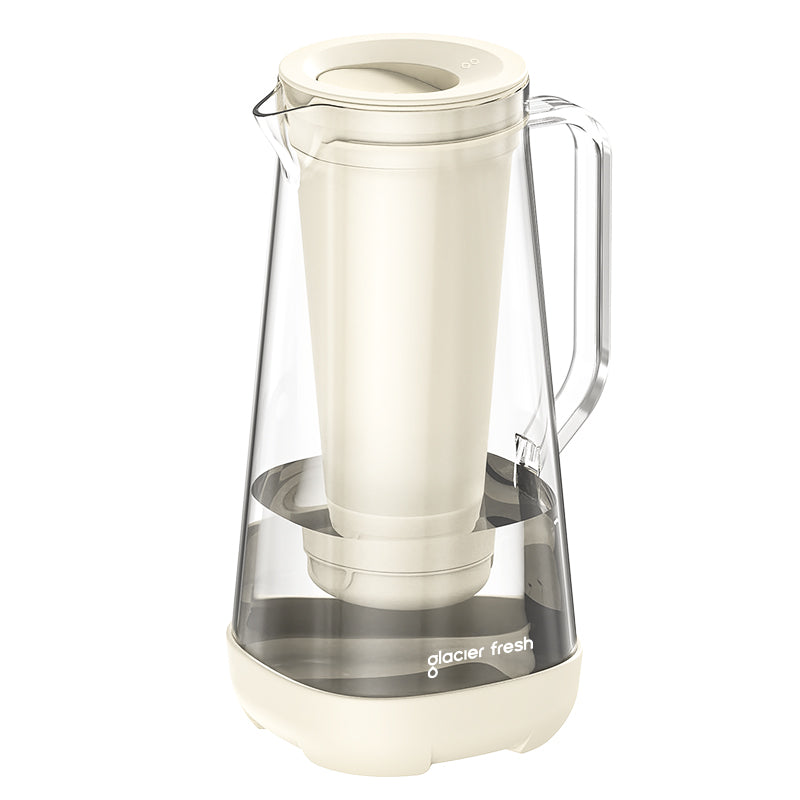
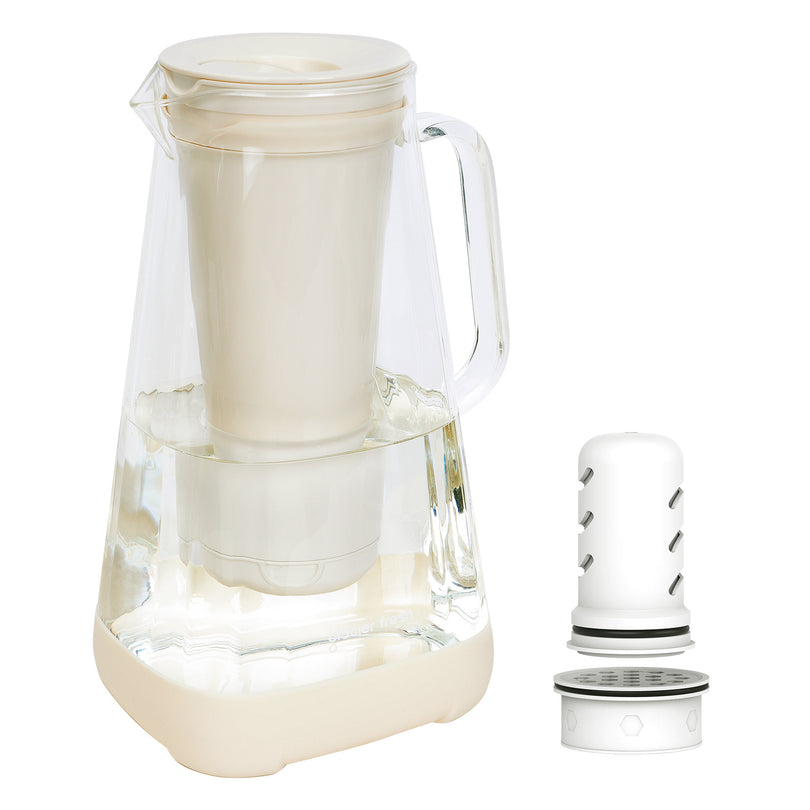
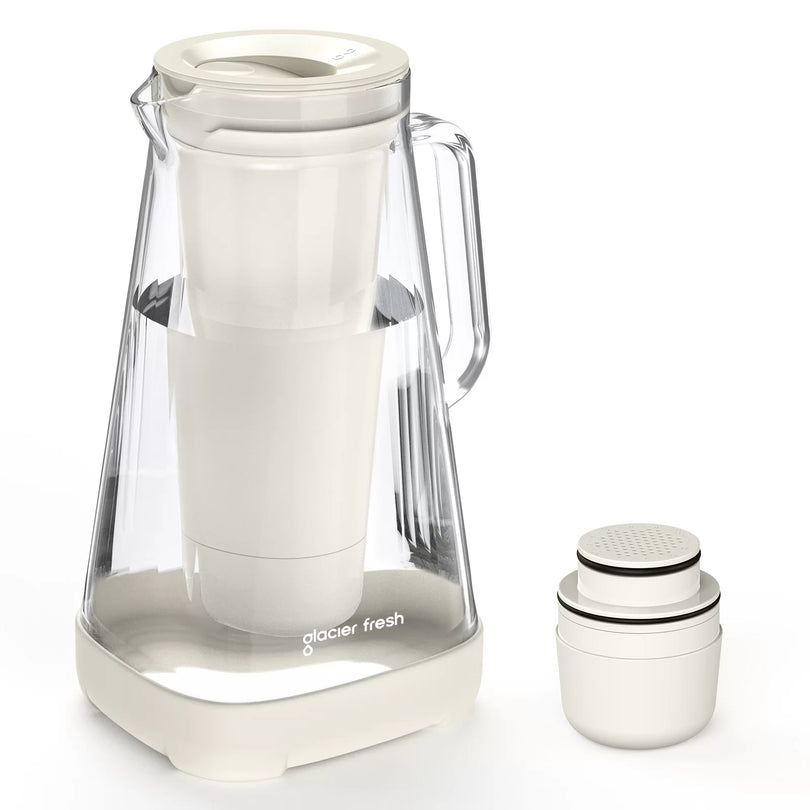
Activated carbon can improve taste and reduce certain contaminants, and some carbon systems are designed to help with metals when paired with suitable media. When using a Glass Water Filter Pitcher, replace the filter as recommended, because carbon becomes less effective as it reaches capacity. For confirmed copper problems, check the product performance claims rather than assuming every carbon pitcher removes copper equally.
Ion exchange systems
Ion exchange systems use resin to swap copper ions with other ions, such as sodium or potassium. They can be effective for dissolved metals but require regeneration or cartridge replacement. Hard water, competing minerals, and high contaminant loads can shorten resin life.
Reverse osmosis technology

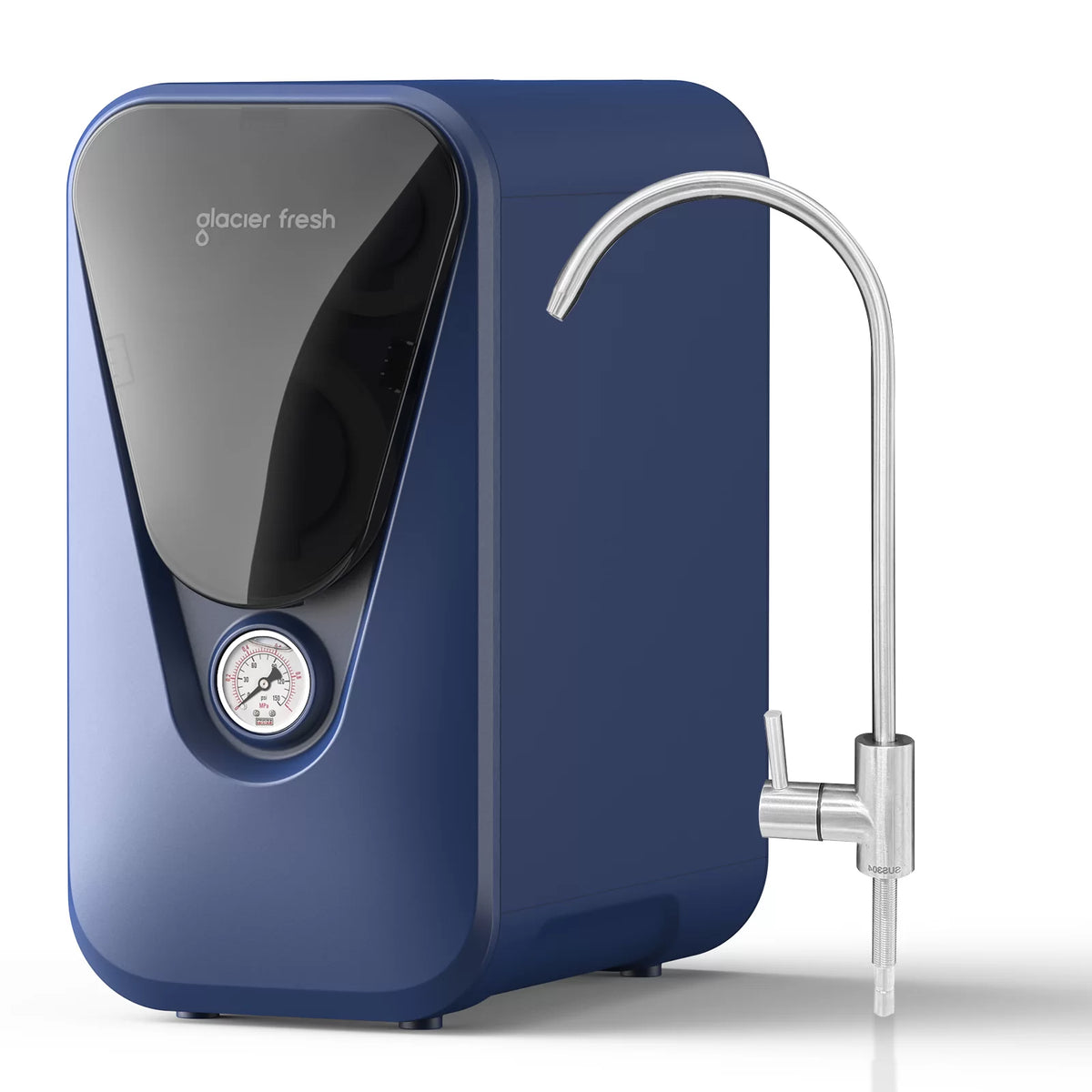
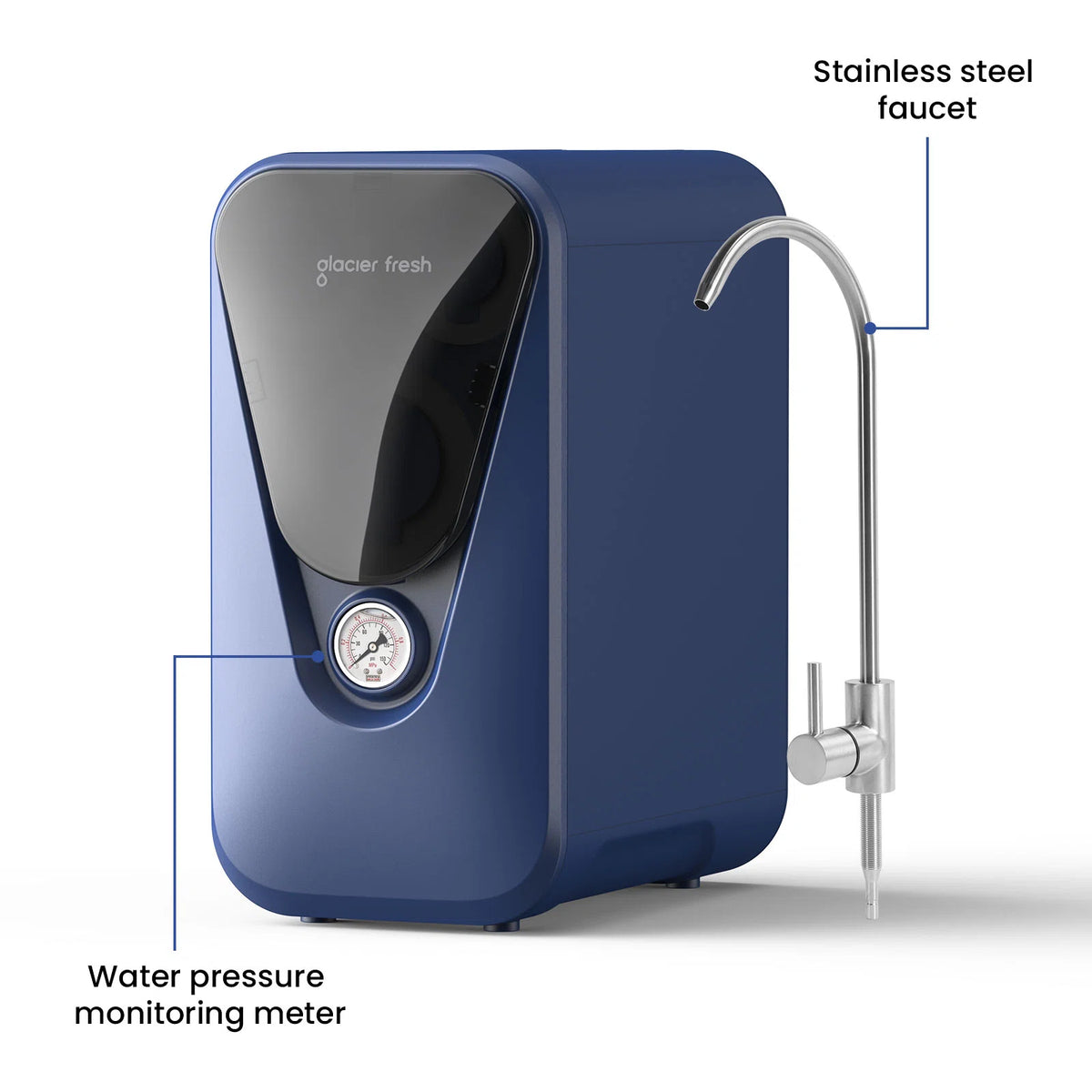
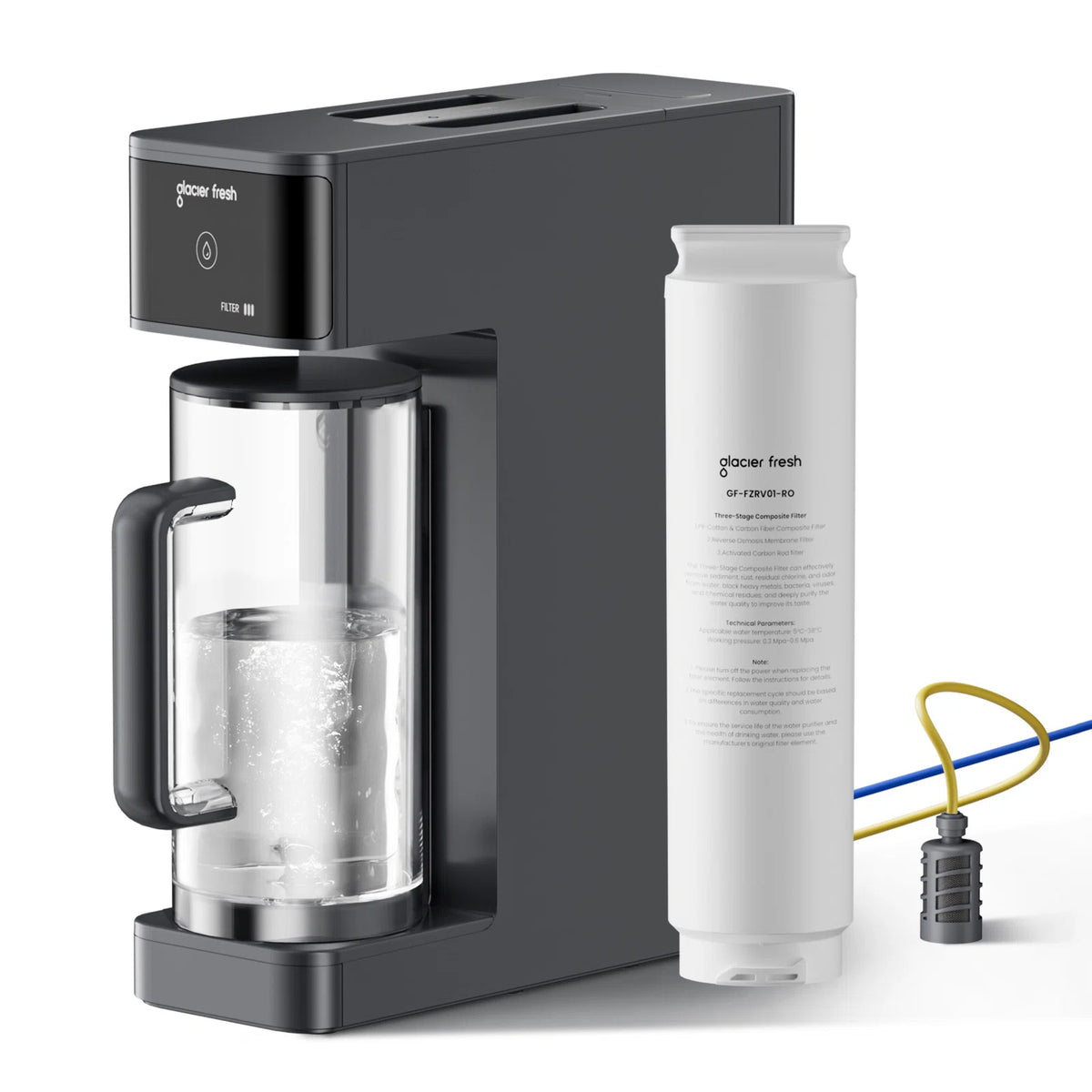
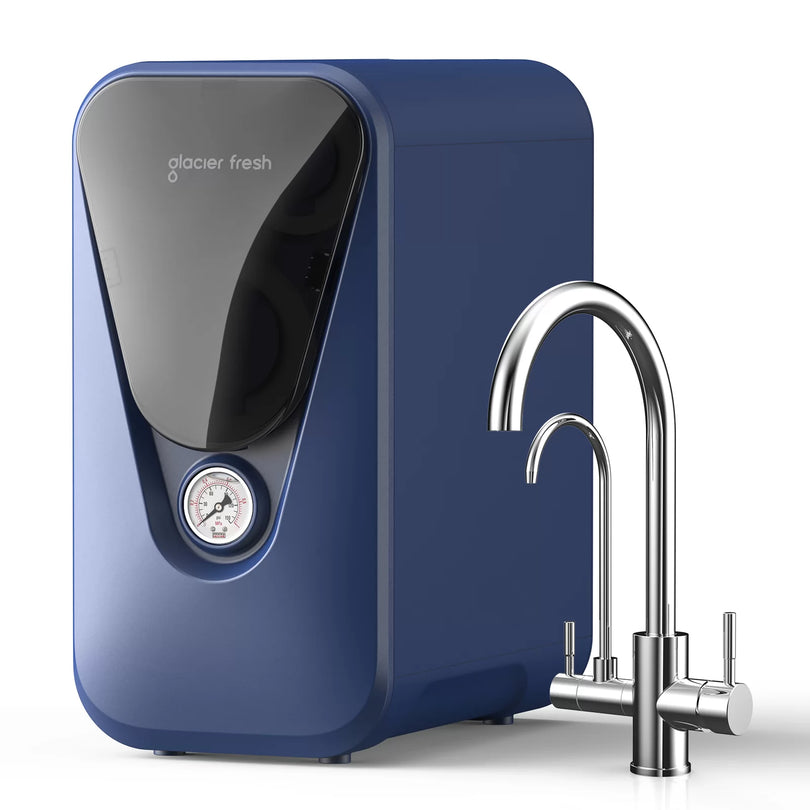
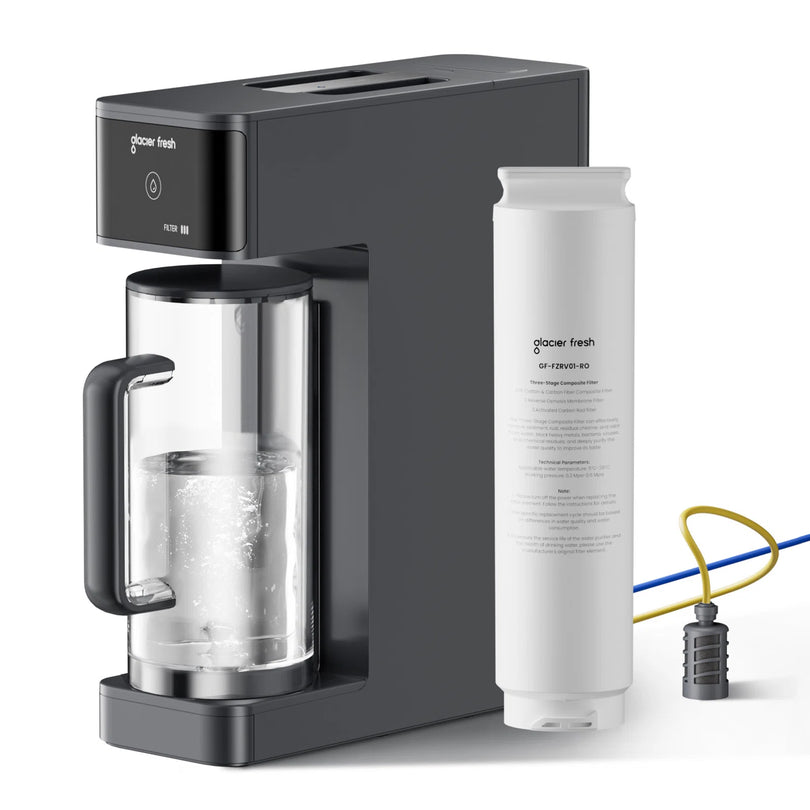
Reverse osmosis pushes water through a semi-permeable membrane that can reduce a broad range of dissolved contaminants, including many metals. Reverse osmosis systems are often a strong choice for drinking and cooking water when copper is one part of a broader water-quality concern, such as lead, dissolved solids, PFAS, or unpleasant taste.
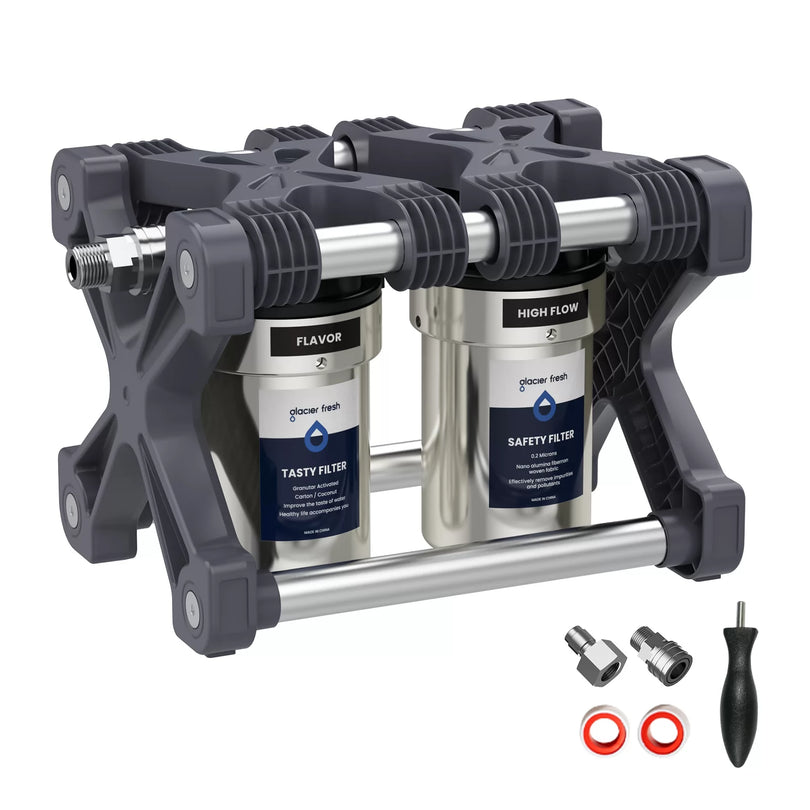
KDF media and multi-stage filters
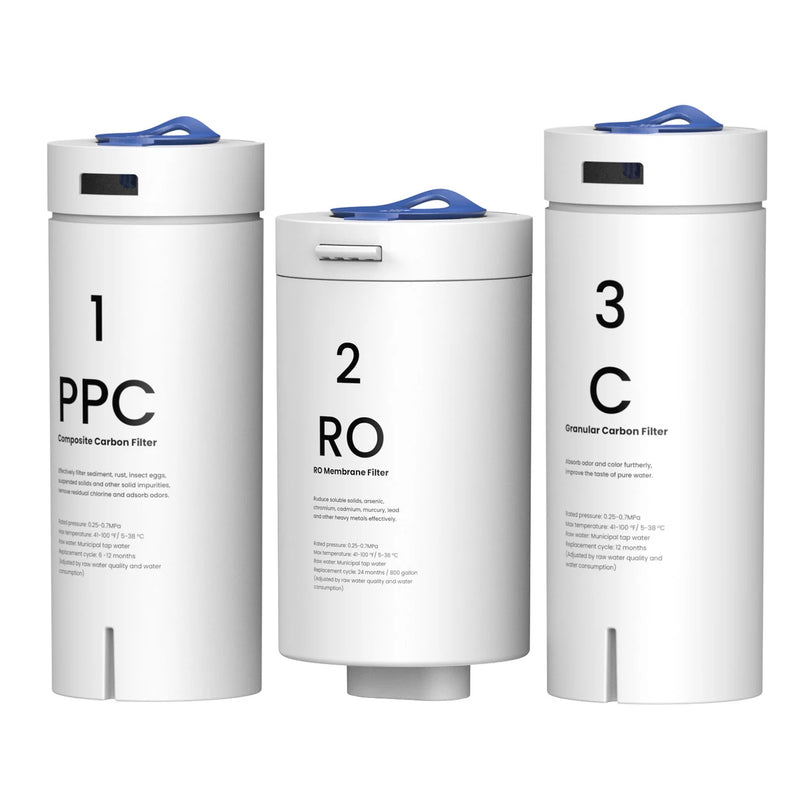
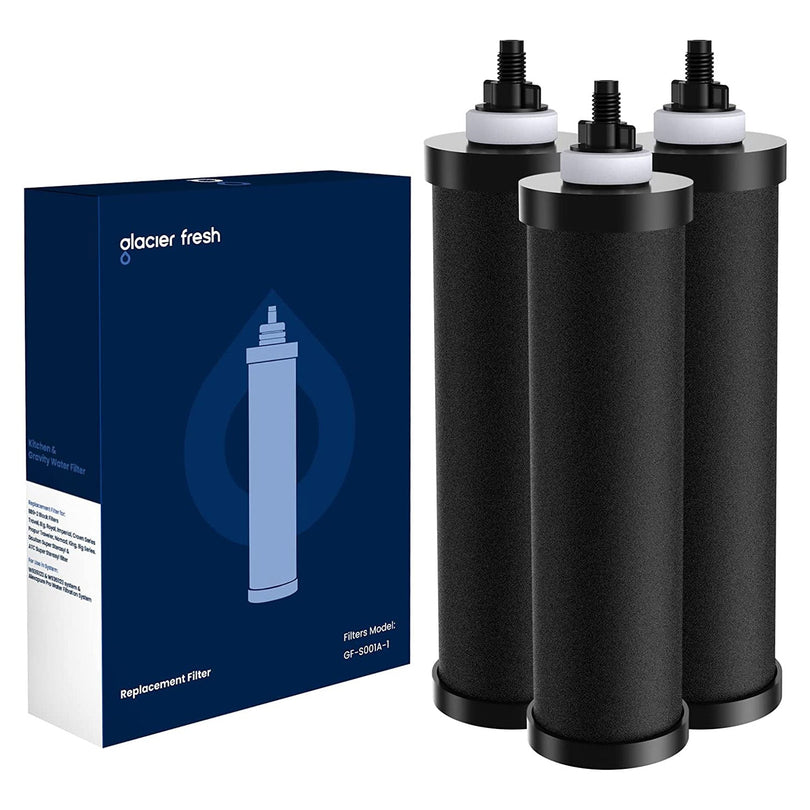
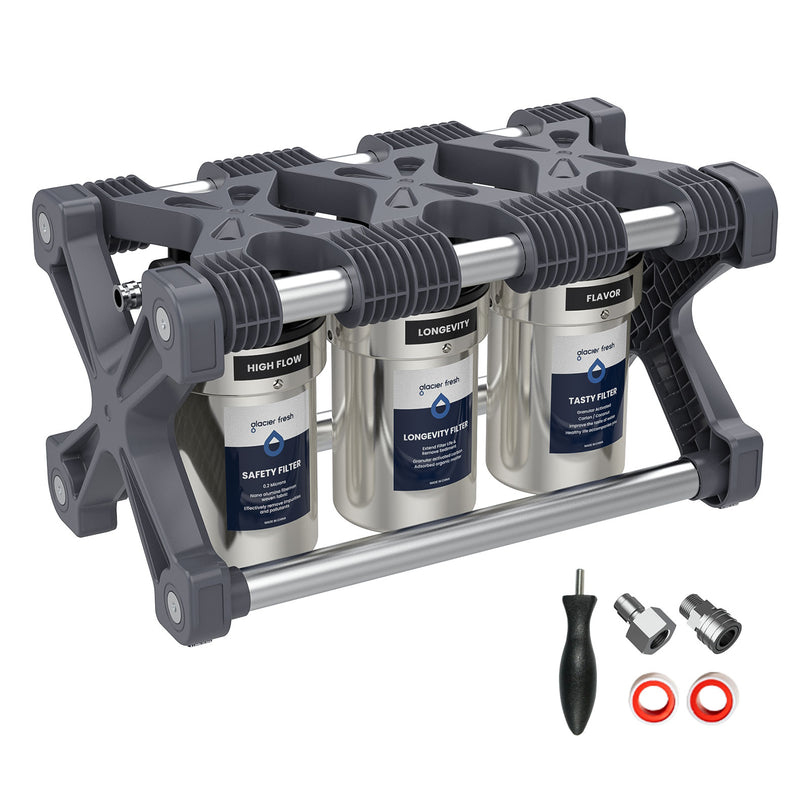
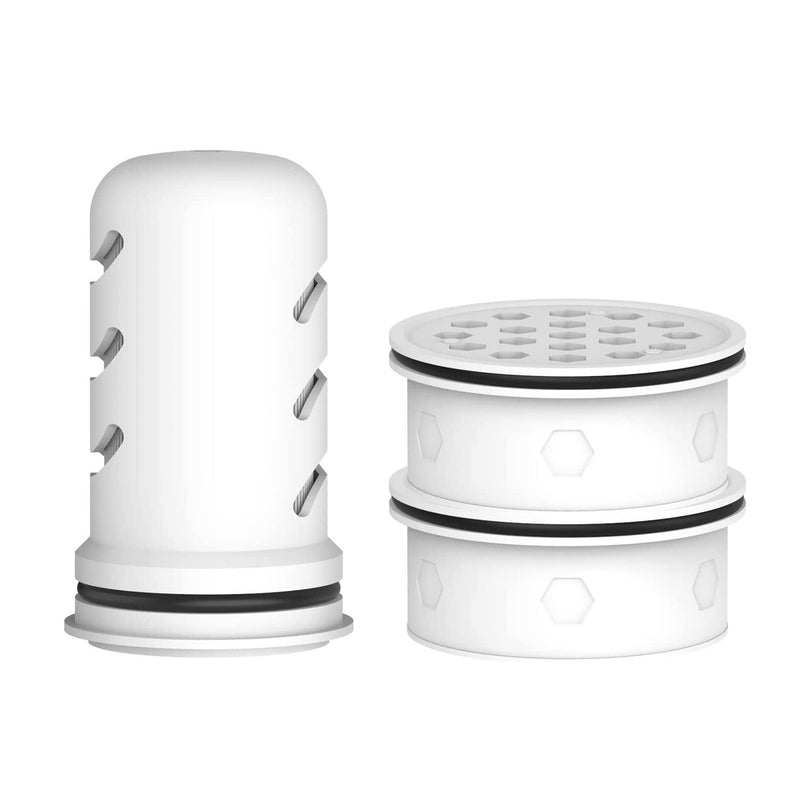
KDF media can support reduction of certain metals through redox reactions and is often used with carbon in multi-stage systems. It performs best when matched to the correct flow rate and water chemistry. If water is very hard or sediment-heavy, a prefilter may help protect downstream media.
Distillation methods
Distillation heats water into steam and condenses it back to liquid, leaving many minerals and metals behind. It can reduce copper effectively, but it is slower, uses electricity, and is less convenient for high-volume household use. It is usually better as a backup or specialized option than a whole-home strategy.
The comparison of different copper removal methods
The best treatment depends on whether the copper comes from plumbing, how much water the household needs, and how much maintenance the user is willing to handle.
|
Method |
Best for |
Strengths |
Limits |
Maintenance cue |
|
Reverse osmosis |
Drinking and cooking water with metals or multiple contaminants |
Strong contaminant range; good for under-sink use |
Requires membrane/filter changes and drain connection |
Replace filters by gallons, flow drop, or TDS trend |
|
KDF + carbon |
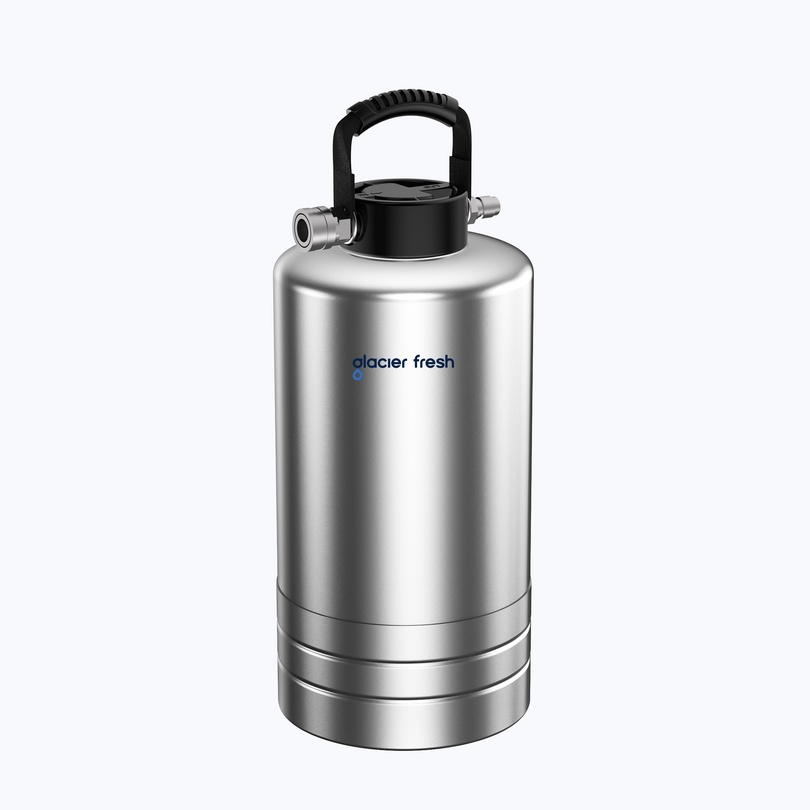
Taste, chlorine, some metals, RV or countertop systems |
Compact and often low power |
Performance depends on media design and contact time |
Replace on schedule or after taste/flow changes |
|
Ion exchange |
Dissolved copper and heavy metals |
Targeted metal reduction |
Resin can exhaust; affected by competing minerals |
Regenerate or replace resin as specified |
|
Distillation |
Backup or small-batch purification |
Effective for many metals |
Slow, energy use, flat taste |
Clean chamber and inspect scale buildup |
|
Activated carbon alone |
Taste and odor support |
Affordable, easy to use |
Not all carbon filters are rated for copper |
Confirm certification and replace regularly |
Filter replacement estimate: a simple formula
To avoid underperformance, estimate replacement timing before taste or odor changes appear. Use this simple planning formula: filter lifespan in days = rated capacity in gallons ÷ average daily filtered-water use ÷ water-quality factor. Use 1.0 for normal municipal water, 1.25 for hard or sediment-heavy water, and 1.5 when copper, sediment, or multiple contaminants are present.
Example: a 600-gallon cartridge used by a family filtering 3 gallons per day in sediment-heavy water would last about 160 days: 600 ÷ 3 ÷ 1.25. If lab results show elevated copper or water flow slows early, replace sooner and retest after installation.
Maintenance tips for copper-free water

A filter only solves the water that passes through it. Long-term control also requires routine testing, plumbing awareness, and maintenance discipline. These steps help prevent copper levels from rebounding after the first treatment is installed.
1. Replace filters on schedule, or sooner if flow slows, taste changes, or post-filter test results rise.
2. Flush cold water after long stagnation, especially first thing in the morning.
3. Inspect older copper pipes, blue-green stains, pinhole leaks, and corroded fixtures.
4. Test annually if your home has older plumbing, a private well, or previous copper results above normal.
5. Avoid using hot tap water for drinking or cooking, because hot water can increase metal leaching from plumbing.
If you use copper bottles, do not store acidic beverages or water for long periods. Short-term use may be acceptable for many people, but drinking water out of copper containers can add unnecessary exposure when the home already has elevated copper levels.
FAQs
Can I test for copper in water at home, and how reliable are these tests?
Yes. Home kits can screen for copper quickly and are useful for spotting obvious problems. However, color matching and sampling errors can affect accuracy. If a result is borderline, above the action level, or linked to health concerns, confirm it with a certified laboratory.
How can I test for heavy metals in my tap water?
Start with a kit that clearly lists copper, lead, arsenic, mercury, or other metals you care about. For private wells, older homes, infants, or people with health risks, use a certified lab panel because heavy metals often require more precise analysis than simple strips provide.
Are there reliable home testing kits for heavy metals in water?
Reliable kits can indicate whether further action is needed, but they are best viewed as screening tools. Choose kits with clear detection ranges, expiration dates, and instructions for first-draw versus flushed sampling. Lab testing is still the better option for legal, medical, or major plumbing decisions.
What health risks are associated with heavy metals in water?
Health effects vary by metal and dose. Copper may cause stomach upset and, at high exposure, liver or kidney concerns. Lead can affect neurological development, especially in children. Arsenic, mercury, and cadmium carry their own long-term risks, so any confirmed heavy-metal issue should be addressed promptly.
What are the best methods to remove heavy metals from drinking water?
For many households, reverse osmosis is one of the most comprehensive point-of-use options. Ion exchange, KDF media, activated carbon blends, and distillation may also help depending on the contaminant and filter certification. Boiling is not a reliable method for removing copper or most heavy metals; it can concentrate them as water evaporates.
Conclusion
Removing copper from drinking water starts with testing, not guessing. Once you know whether the issue comes from plumbing, source water, or both, you can choose a treatment method that fits your home, budget, and maintenance routine. Regular filter replacement, periodic retesting, and attention to plumbing corrosion are the best ways to keep water safe, clean, and pleasant to drink. Follow Glacier Fresh to find more water filtration solutions for everyday drinking water, heavy-metal concerns, and portable purification needs.
Related Reading
- Lead Removal Water Filters
- Reverse Osmosis, Nanofiber & Ultrafiltration: Which One Is Right for You
- The Truth About PFAS in Your Tap Water: How to Remove It